 :
:  :
: 
How AI Agents Solve Delivery Delays Automatically in 2026
Beyond Tracking: How AI Agents are Automatically Solving Delivery Delays in 2026
Estimated reading time: 7 minutes
Key Takeaways
- AI agents now autonomously predict and resolve delivery delays before they happen.
- Traditional tracking methods are no longer sufficient in meeting customer expectations.
- Machine learning models and real-time data are central to AI agents’ effectiveness.
- Collaborative multi-agent systems enhance response times to logistical challenges.
- The integration of AI with autonomous vehicles and robotics is shaping the future of logistics.
Table of Contents
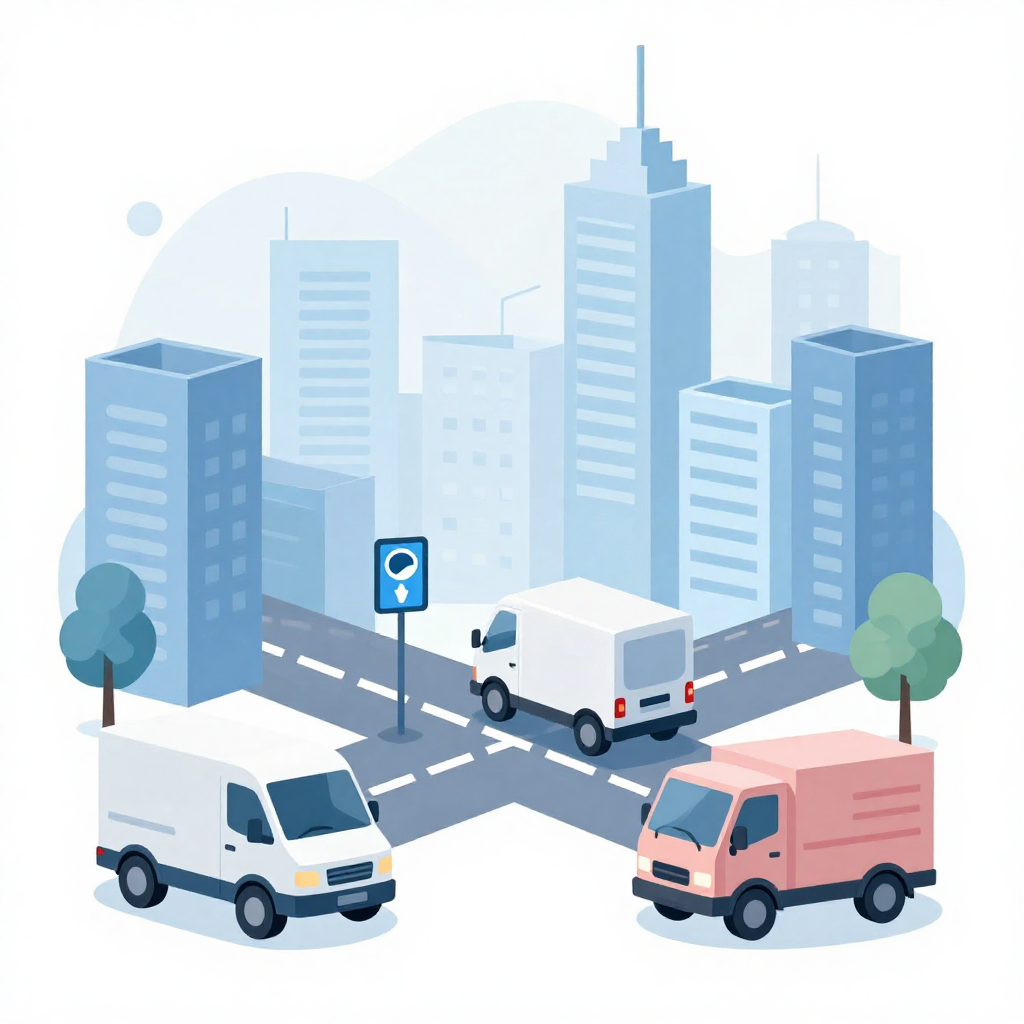
Introduction
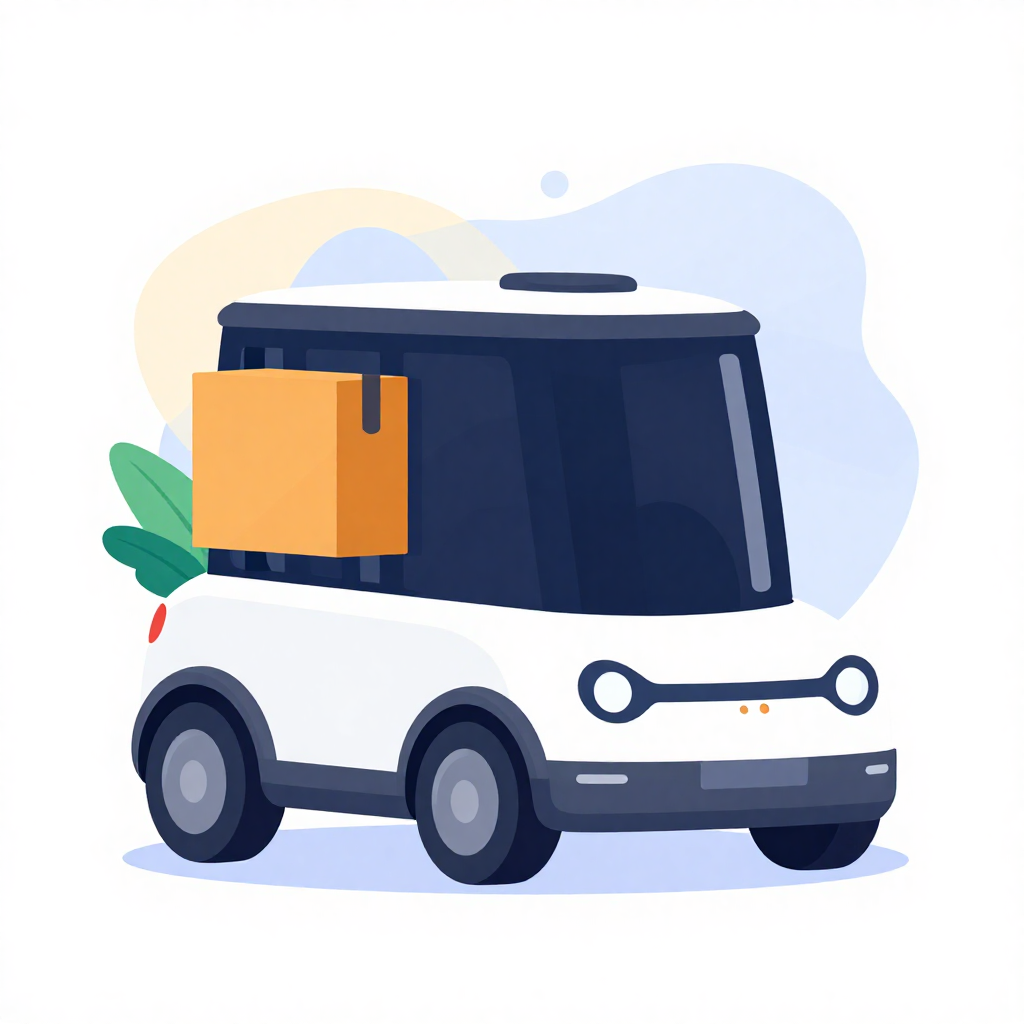
Delivery delays have long plagued businesses and consumers worldwide, leading to frustration, lost revenue, and damaged brand reputations. In 2026, however, the logistics landscape is undergoing a seismic shift. Beyond tracking: how AI agents are automatically solving delivery delays in 2026 is not just a futuristic promise—it is today’s reality. Powered by cutting-edge artificial intelligence, these agents have evolved from simple package trackers into autonomous problem solvers, revolutionizing supply chains on a global scale.
Across industries and borders—from e-commerce giants in the United States to emerging retail markets in India—AI agents now predict, prevent, and resolve delivery interruptions before they happen. This article explores how this transformation unfolded, the technology behind it, real-world applications, and what the near future holds for logistics professionals and consumers alike.
The Challenge of Delivery Delays: Why Tracking Was Not Enough

Despite advances in logistics technology, delivery delays remained a stubborn problem well into the early 2020s. Traditional tracking systems merely offered passive visibility—alerting customers after a delay occurred, often long after the frustration had set in.
Persistent Factors Behind Delays
- Traffic congestion and accidents: Urban density and unexpected incidents caused unpredictable slowdowns.
- Weather conditions: Storms, floods, and extreme weather frequently disrupted transit routes.
- Supply chain bottlenecks: Warehouse congestion, inventory shortages, and customs clearance delays.
- Operational errors: Manual scheduling errors and inefficient communication across teams.
These issues highlighted a crucial flaw: tracking did not solve problems; it just exposed them. Customers received updates, but solutions came too late. As delivery expectations tightened—with same-day and even same-hour promises—this reactive approach became unsustainable.
How AI Agents Defy Traditional Tracking: Key Technologies and Processes
The leap from tracking to autonomous delay prevention required integrating multiple AI capabilities. Today’s AI agents use real-time data, predictive analytics, and decision-making autonomy to stay several steps ahead of problems.
1. Predictive Analytics & Real-Time Insights
AI agents ingest millions of data points from:
- Vehicle telematics (speed, fuel, location)
- Traffic monitoring systems
- Weather forecasting models
- Social media trends (e.g., event disruptions)
- Customer order patterns
Machine learning models analyze this data continuously, forecasting probable delays before they occur. For example, if a highway accident blocks a key delivery route, AI agents instantly evaluate alternative paths, calculate revised ETAs, and communicate changes to drivers and customers alike.
2. Self-Optimizing Delivery Networks
Beyond predictions, AI agents autonomously adjust the entire delivery ecosystem:
- Dynamic rerouting: Vehicles are redirected on the fly to avoid traffic or hazards.
- Load balancing: Warehouse tasks and shipment schedules are realigned to reduce bottlenecks.
- Inventory adjustments: Automatic replenishment orders initiate to prevent out-of-stock scenarios.
This creates a fluid, adaptive system with minimal human intervention, drastically reducing latent delays.
3. Collaborative Multi-Agent Systems
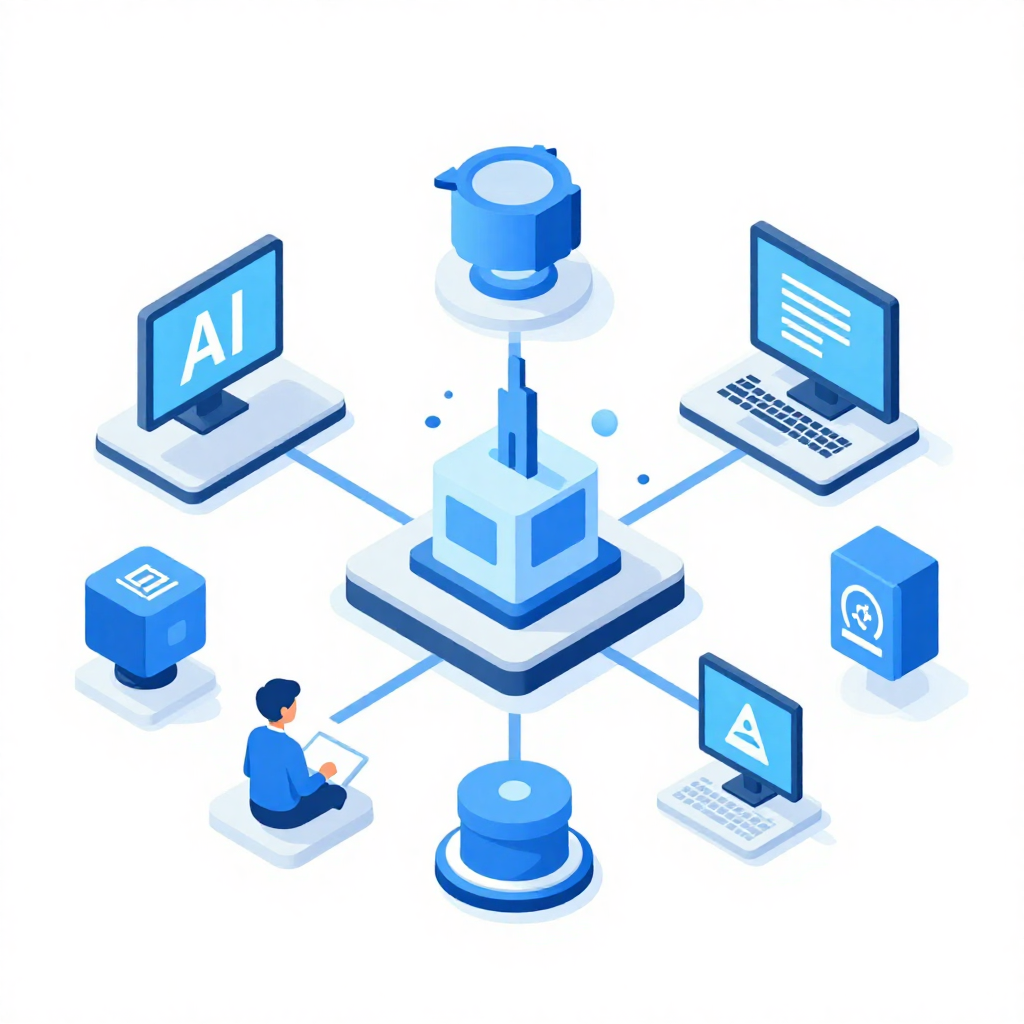
Individual AI agents don’t operate in isolation. Instead, they form an interconnected web:
- Fleet AI agents coordinate vehicle movements.
- Hub agents monitor regional warehouse performance.
- Customer service AI bots provide instant updates and handle inquiries.
This collaborative intelligence enables rapid, coordinated responses to complex logistical challenges.
Real-World Examples and Case Studies
Businesses across sectors have implemented AI agents with transformative results.
Global Retailer Revival
One Fortune 500 retailer reported a 75% reduction in delivery delays since adopting AI agent technology in 2024. Customers receive proactive notifications detailing not only their package location but also mitigation strategies underway—translating into heightened trust and increased repeat sales.
Healthcare Supply Chains
Hospitals rely on timely delivery of sensitive medications and equipment. Deploying AI agents allowed several healthcare networks to maintain critical stock levels with zero delivery delays during peak COVID-19 resurgence periods.
Food & Beverage Industry
A leading food delivery service uses AI agents to redirect drivers around city events and sudden road closures. This system improved delivery speed by 30% during major holidays, enhancing customer satisfaction and reducing waste.
Manufacturing and Automotive
Manufacturers integrate AI-driven logistics into just-in-time supply chains, preventing costly production stoppages. AI agents anticipate supplier delays, recommend alternative sourcing, and automatically recalibrate production schedules.
How Businesses Can Implement AI Agents: A Step-by-Step Guide
- Assess Current Logistics Infrastructure: Map out existing tracking systems, delivery networks, and bottlenecks.
- Gather and Integrate Data Sources: Connect telematics devices, weather APIs, traffic data, and customer databases.
- Deploy AI Agent Platforms: Choose scalable AI software tailored for your industry and logistics complexity.
- Train Machine Learning Models: Use historical and real-time data to train agents in predictive analytics.
- Establish Multi-Agent Collaboration Protocols: Ensure communication pathways among fleet, warehouse, and customer service agents.
- Monitor and Optimize Performance: Continuously review AI recommendations versus outcomes, fine-tuning models.
- Train Human Teams: Educate staff on AI interpretation, exception management, and customer communication.
- Scale Across Regions: Roll out in phases, adjusting for regional differences in regulations, infrastructure, and customer expectations.
Conclusion
Beyond tracking: how AI agents are automatically solving delivery delays in 2026 is a story of technological evolution meeting real-world logistics challenges. By predicting issues before they occur, autonomously adjusting networks, and enabling collaborative problem-solving, AI agents have ushered in a new era of delivery reliability. Businesses that harness this power gain not just efficiency but a competitive advantage, while consumers enjoy faster, more transparent service.
To stay ahead in this rapidly changing landscape, companies must embrace these AI-driven solutions now. Contact us today to explore how AI agents can transform your delivery operations and future-proof your supply chain.
FAQ
What distinguishes AI agents from traditional delivery tracking systems?
AI agents go beyond passive tracking by actively predicting delays, optimizing operations, and autonomously solving problems in real time.
Are AI agents suitable for small and medium businesses (SMBs)?
Yes, many AI platforms now offer scalable solutions tailored for SMBs, enabling improved efficiency without massive upfront investments.
How do AI agents handle unpredictable events like natural disasters?
By integrating real-time data and multi-agent collaboration, AI systems quickly propose reroutes, reschedule deliveries, and engage contingency plans to minimize impact.
Will AI agents replace human logistics managers?
No, AI agents augment human roles by handling data-intensive tasks, while humans focus on strategic decisions, relationship management, and exception handling.
How secure is the data used by AI agents?
Data security is paramount; reputable AI platforms employ strong encryption, access controls, and comply with international data privacy standards.
Recent Blog

Top Logistics Trends Every D2C Brand Must Know in 2026
Top Logistics Trends Every D2C Brand Should Know in 2026:…
How Generative AI Cuts Logistics Costs with Smart Automation
How Generative AI Is Reducing Logistics Costs: Unlocking Smart Automation…
Dark Stores vs Warehouses: Who Wins in 2026 Quick Commerce?
Dark Stores vs Warehouses: Which Model Wins in 2026? Estimated…
