 :
:  :
: 
To-Pay vs Prepaid vs COD Explained for B2B Sellers
Understanding To-Pay vs Prepaid vs COD: What Every B2B Seller & Distributor Should Know
Estimated reading time: 8 minutes
Key Takeaways
- Understanding payment terms is essential for B2B logistics efficiency.
- Prepaid, COD, and To-Pay are three distinct payment models.
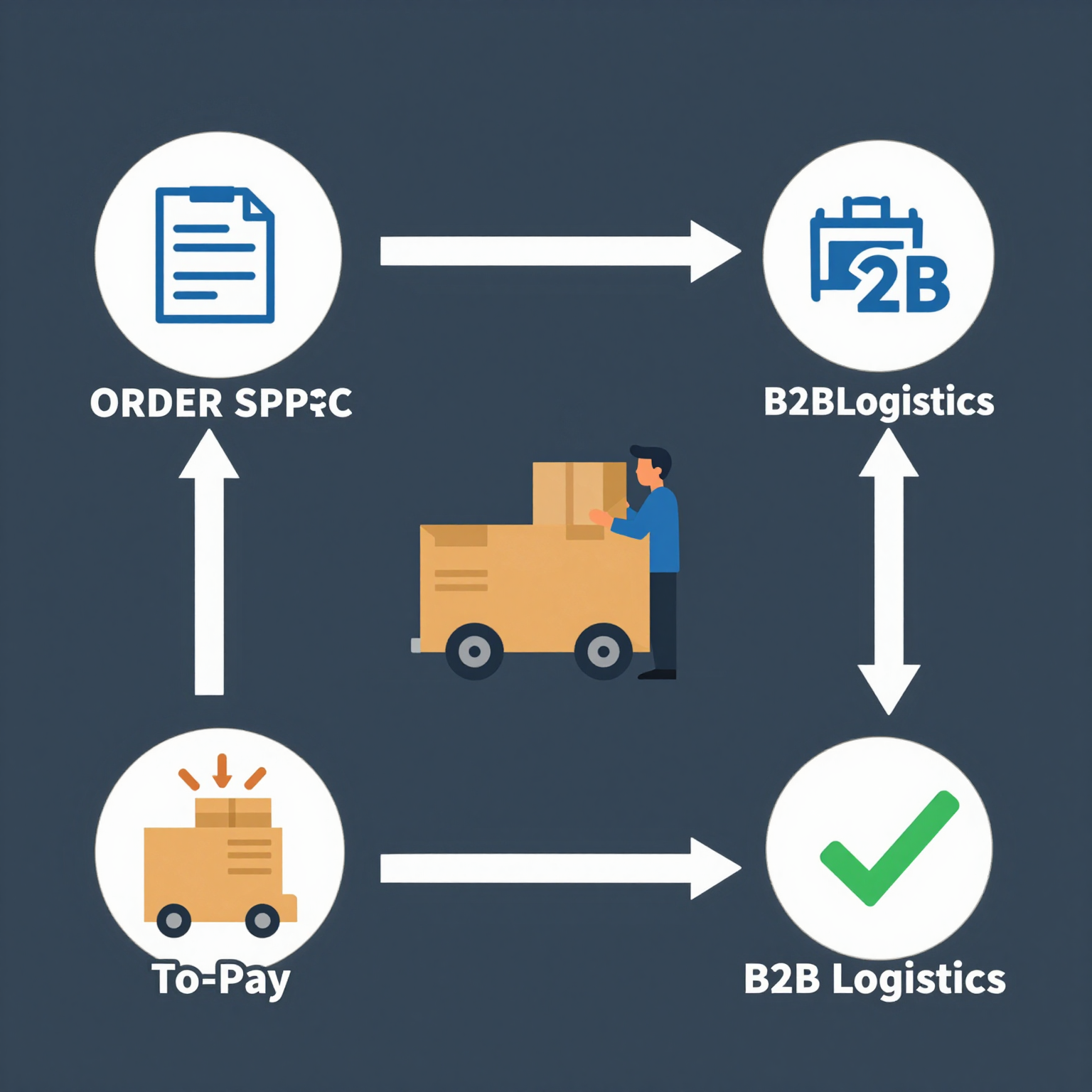
- The 4-step To-Pay flow helps manage cash flow effectively.
- Choosing the right model can enhance buyer trust and operational efficiency.
- EcomLogisticsPark simplifies management of various payment methods.
Table of Contents
- Introduction
- To-Pay vs Prepaid vs COD: Clear Definitions and Use Cases
- The 4-Step To-Pay Shipment Flow for B2B Sellers & Distributors
- Real-World Examples: To-Pay in Action Across Industries
- Benefits of Using EcomLogisticsPark for To-Pay Shipments
- Future Trends: The Evolving Landscape of B2B Shipment Payment Models
- Conclusion
- FAQ
Introduction
In today’s evolving B2B logistics landscape, understanding the differences between To-Pay, Prepaid, and Cash on Delivery (COD) payment options is essential for effective cash flow management and operational efficiency. For sellers and distributors, especially in India and global markets, selecting the right payment model can impact shipment speed, working capital, and customer satisfaction.
This article dives deep into the nuances of these payment methods, focusing on the 4-step To-Pay shipment flow tailored for B2B businesses. Plus, discover why EcomLogisticsPark is positioned as one of the few platforms offering robust support for these payment models — helping you streamline your supply chain and improve financial clarity.
To-Pay vs Prepaid vs COD: Clear Definitions and Use Cases
Here’s a closer look at each payment model and how they apply specifically to B2B sellers and distributors:
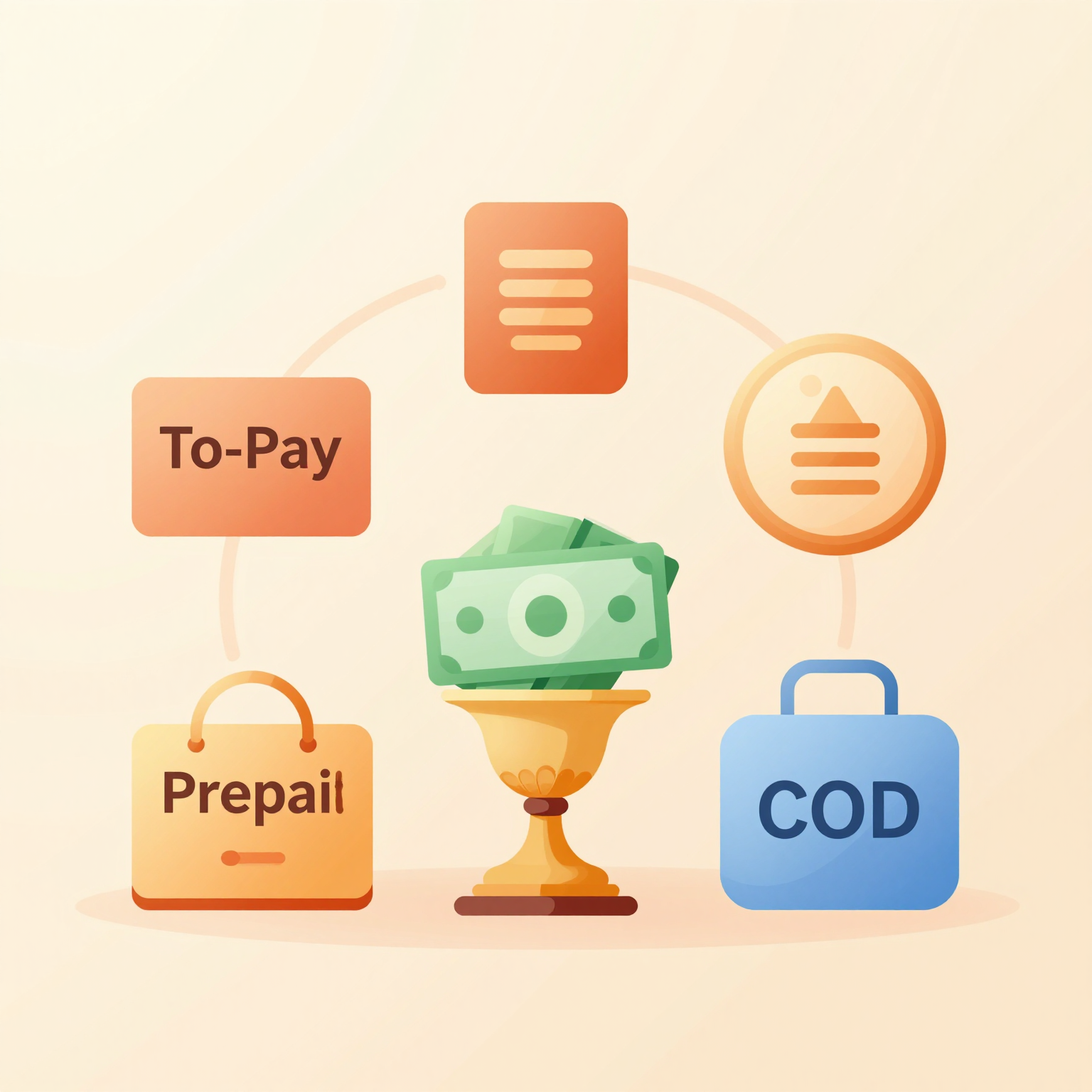
1. Prepaid
Definition: The seller pays all freight charges upfront before the shipment leaves the warehouse.
Ideal For: Sellers wishing to maintain full control over shipment logistics and avoid payment delays.
- Advantages:
- Simplified accounting with upfront clarity on shipping costs.
- Accelerates shipment processing as logistics providers receive payment in advance.
- Minimizes risk of non-payment by buyer.
- Drawbacks:
- Ties up cash flow by requiring capital payment before goods even move.
- Increases financial exposure if shipments are delayed or canceled.
2. Cash on Delivery (COD)
Definition: The logistics provider collects payment from the buyer at the time of delivery.
Ideal For: More popular in B2C markets, but less common in B2B due to higher order values and trust factors.
- Advantages:
- Sellers receive direct payment on delivery, reducing credit risk.
- Can build buyer trust with clear payment-upon-receipt terms.
- Drawbacks:
- Logistics providers carry cash collection responsibility, increasing operational complexity and risk.
- Reconciliation and potential disputes may delay seller payments.
3. To-Pay (Freight Collect)
Definition: The consignee (buyer) is responsible for paying shipping charges directly to the logistics provider, usually after or at delivery.
Ideal For: B2B transactions where buyers prefer deferred payment or have negotiated credit terms with carriers.
- Advantages:
- Sellers ship goods without paying upfront freight costs, preserving working capital.
- Buyers manage payment directly, simplifying seller invoicing.
- Encourages trust-based partnerships between sellers and buyers.
- Drawbacks:
- Trust and reliability in buyer payment are crucial.
- Requires sophisticated logistics and payment tracking systems.
The 4-Step To-Pay Shipment Flow for B2B Sellers & Distributors
Implementing To-Pay shipping involves a streamlined process allowing sellers to optimize cash flow while ensuring freight is paid on delivery. Here’s the typical 4-step flow:
- Order & Ship:
- Seller confirms the buyer’s order.
- Shipment is scheduled with “To-Pay” freight payment terms.
- Goods are dispatched without the seller paying upfront logistics fees.
- In-Transit Monitoring:
- Logistics provider continuously updates shipping status.
- Both seller and buyer can track shipment progress in real time.
- Buyer is notified about upcoming freight payment responsibility.
- Delivery & Payment Collection:
- Logistics partner delivers goods to the buyer.
- Buyer pays freight charges directly to the carrier either upon delivery or after, as per agreed terms.
- Settlement & Confirmation:
- Logistics provider reconciles freight payments received.
- Seller receives confirmation of payment and delivery completion.
- Accounting and invoicing are updated accurately.
This flow supports transparency, reduces disputes, and enhances trust between all parties in the B2B supply chain.
Real-World Examples: To-Pay in Action Across Industries
To understand To-Pay’s impact, let’s look at practical scenarios:
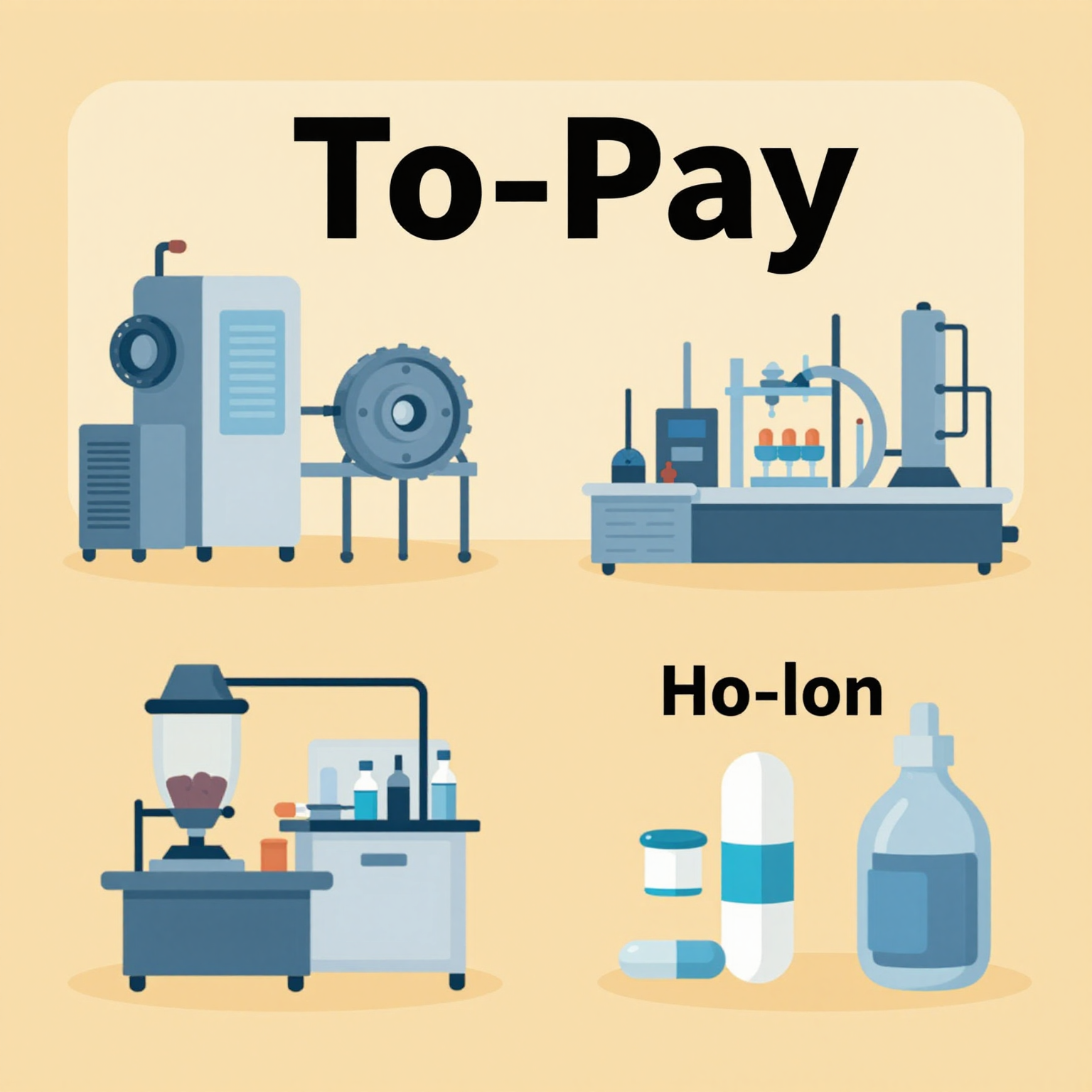
- Manufacturing: A machinery parts manufacturer ships bulk orders with To-Pay terms to multiple distributors nationwide. By deferring freight payments, the manufacturer frees up working capital to focus on production, while distributors pay freight directly, managing their logistics expenses.
- Pharmaceutical Distribution: Distributors handling temperature-controlled shipments opt for To-Pay to synchronize delivery with payment terms negotiated with logistics firms. This reduces financial strain on pharmaceutical companies during peak demand.
- Consumer Electronics: Large B2B retailers rely on To-Pay for flexible freight payment, especially when dealing with multiple vendors and varied shipping partners.
Success Story: How a Leading FMCG Distributor Benefited from EcomLogisticsPark
One FMCG distributor integrated EcomLogisticsPark’s platform to transition from prepaid to To-Pay shipments. The result? A 25% improvement in cash flow and 40% faster dispute resolution times due to transparent payment tracking.
Benefits of Using EcomLogisticsPark for To-Pay Shipments
EcomLogisticsPark is among the few platforms designed specifically to handle complex B2B payment models like To-Pay, Prepaid, and COD from one centralized dashboard. Here’s why B2B sellers and distributors choose them:
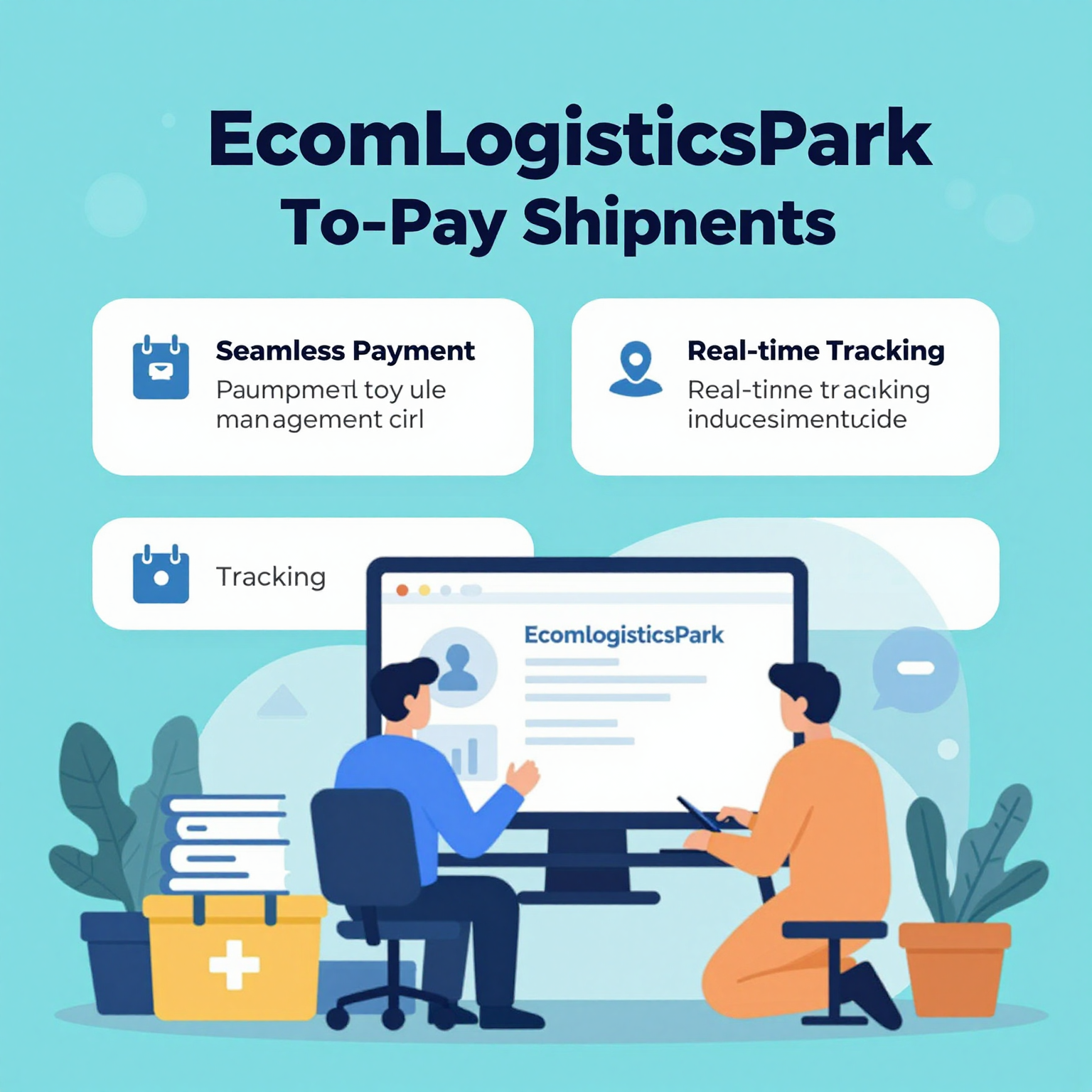
- Seamless Payment Mode Management: Simplifies switching and managing Prepaid, COD, and To-Pay shipments without juggling multiple systems.
- Real-Time Payment Tracking: Built-in transparency for To-Pay collections reduces delays and misunderstandings.
- Trusted Logistics Network: Access to verified partners with expertise in B2B freight collect ensures payments and deliveries are secure.
- Optimized Cash Flow: Sellers ship confidently without upfront freight payments, improving financial planning.
- Dedicated Customer Support: Expert teams assist in resolving payment disputes and managing settlement processes efficiently.
EcomLogisticsPark’s platform empowers sellers and distributors to streamline payment logistics, strengthen buyer relationships, and focus on growth.
Future Trends: The Evolving Landscape of B2B Shipment Payment Models
Looking ahead, here’s what experts foresee in B2B payment logistics:
- Increased Adoption of To-Pay Models: More companies will embrace freight collect for better cash flow management.
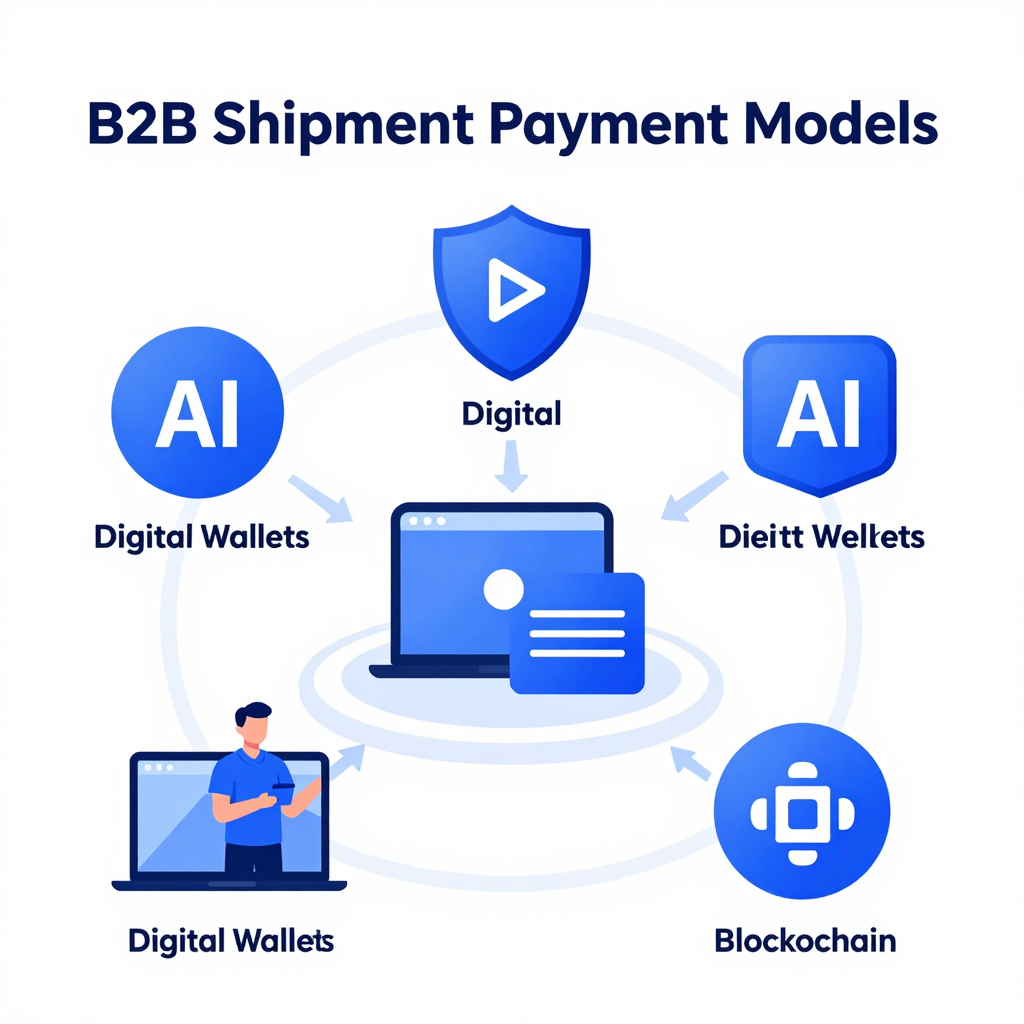
- Integration with Digital Wallets & Financing: Logistics platforms will incorporate instant payments and credit options, simplifying To-Pay settlements.
- Enhanced AI Tracking: Predictive analytics will further reduce payment disputes by forecasting shipment delays and payment risks.
- Blockchain for Transparency: Immutable ledgers could provide trust and security for payment collections.
- Customization of Payment Terms: Platforms like EcomLogisticsPark will offer flexible terms tailored by buyer risk profiles and transaction history.
For sellers and distributors, staying updated on these trends means staying competitive.
Conclusion
Choosing the right shipment payment method—Prepaid, COD, or To-Pay—can transform your B2B logistics and financial management. While Prepaid secures upfront payments and COD offers immediate cash on delivery, To-Pay strikes a balance by enabling deferred freight payment, improving cash flow, and fostering trust between sellers and buyers.
With the 4-step To-Pay flow laid out, B2B sellers and distributors are equipped to implement this versatile payment model efficiently. And when it comes to technology and support, EcomLogisticsPark stands out as the go-to platform to seamlessly manage all shipment payment methods.
Unlock smarter logistics payment management for your B2B supply chain with EcomLogisticsPark — the platform that delivers flexibility, control, and reliability.
Contact us today to learn how to optimize your shipments with To-Pay and other payment options.
FAQ
Q1: Is To-Pay suitable for all B2B industries?
Yes, but it works best where buyers have a proven payment history and there’s a need to optimize seller cash flow.
Q2: How does To-Pay impact seller risk?
While it improves cash flow, sellers must rely on buyers’ timely payment or have a trusted logistics partner managing collections.
Q3: Can EcomLogisticsPark handle both Prepaid and To-Pay shipments simultaneously?
Absolutely. The platform provides an integrated dashboard to manage multiple payment modes smoothly.
Q4: What happens if the buyer refuses to pay freight charges under To-Pay?
Dispute resolution support and verified logistics partners help mitigate this risk; in severe cases, goods may be held until payment.
Q5: How do I track To-Pay payments?
EcomLogisticsPark offers real-time tracking and reconciliation tools for transparent payment management.
Related posts
—
Recent Blog

Top Logistics Trends Every D2C Brand Must Know in 2026
Top Logistics Trends Every D2C Brand Should Know in 2026:…
How Generative AI Cuts Logistics Costs with Smart Automation
How Generative AI Is Reducing Logistics Costs: Unlocking Smart Automation…

Dark Stores vs Warehouses: Who Wins in 2026 Quick Commerce?
Dark Stores vs Warehouses: Which Model Wins in 2026? Estimated…
