 :
:  :
: 
How Smart Warehousing Improves Shipping Efficiency in India
How Smart Warehousing Is Improving Shipping Efficiency in India: Revolutionizing Logistics with Technology
Estimated reading time: 8 minutes
Key Takeaways

- Smart warehousing leverages technology to streamline logistics operations.
- Automation, IoT, AI, and analytics significantly reduce shipping inefficiencies.
- Indian companies are adopting smart warehousing to stay competitive in the e-commerce boom.
- Real-time data management optimizes inventory and processing times.
- Sustainability and energy efficiency are pivotal in modern warehousing solutions.
Table of Contents

Introduction
In today’s fast-paced world, how smart warehousing is improving shipping efficiency in India is a question on the minds of many logistics professionals and businesses. India’s booming e-commerce sector and expanding manufacturing base demand faster, more reliable, and cost-effective shipping solutions. Traditional warehousing systems, perhaps once sufficient, now struggle to keep pace with these growing expectations.
Smart warehousing, powered by automation, IoT, AI, and data analytics, is transforming the shipping landscape across India. By reducing errors, streamlining processes, and enhancing inventory management, it is helping to solve long-standing inefficiencies and accelerate shipments.
This article explores key smart warehousing technologies driving this improvement, highlights real-world examples, and outlines benefits and future trends. If you want to stay competitive in the Indian shipping industry, understanding how smart warehousing is improving shipping efficiency in India is essential.
The Current Challenge: Shipping Inefficiencies in India

India’s shipping and logistics sector is growing but faces persistent challenges:
- Average delivery delays cause customer dissatisfaction and increased costs.
- Inefficient manual processes in warehousing lead to errors and slow order fulfillment.
- Inventory mismanagement results in overstocking or stockouts.
- Lack of real-time shipment tracking complicates coordination between stakeholders.
Recent data from the Indian Ministry of Commerce highlights that nearly 40% of shipments face unexpected delays due to logistical bottlenecks. Moreover, with the rise of online shopping, consumers now expect next-day or same-day deliveries, pushing warehouses to optimize their operations.
It is against this backdrop that smart warehousing technologies have gained attention for their ability to address these pain points comprehensively.
Key Technologies Transforming Warehousing
1. Automation and Robotics
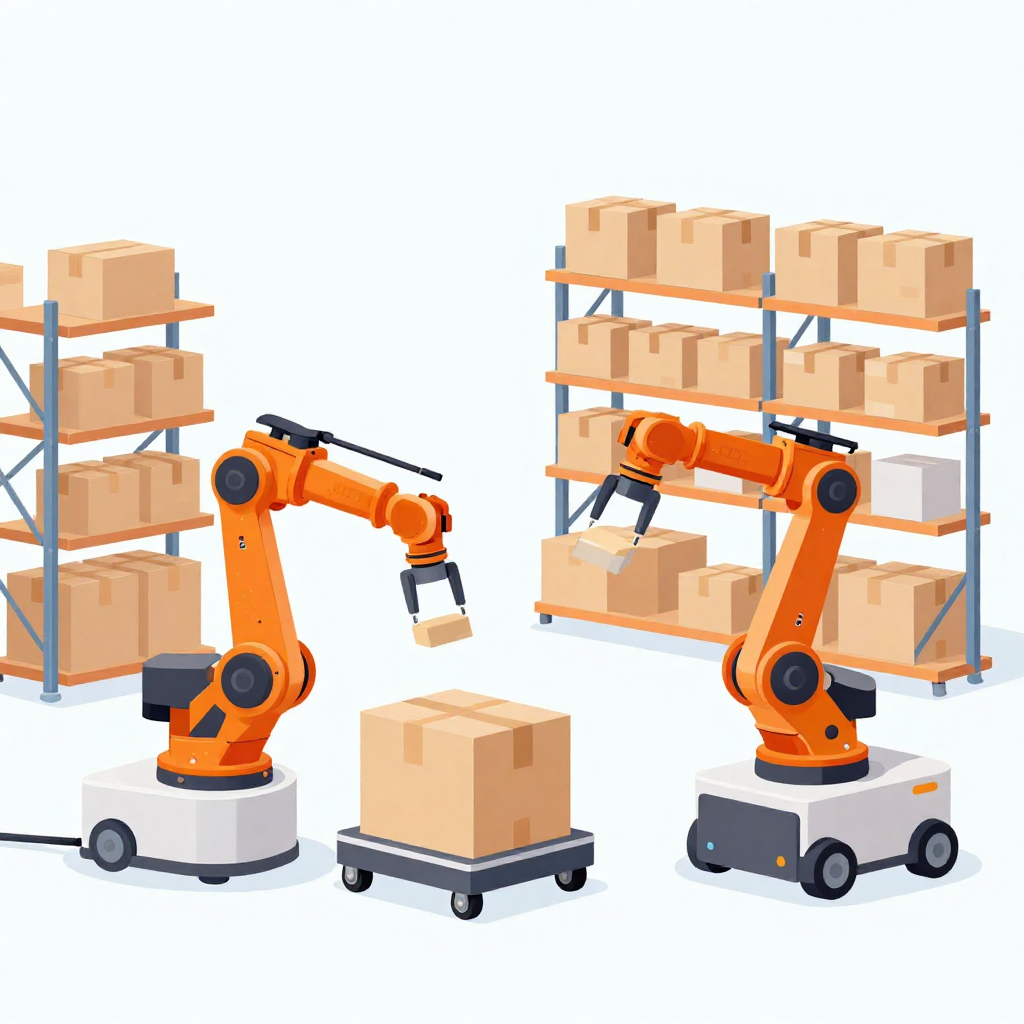
Automation lies at the heart of smart warehousing. Automated Guided Vehicles (AGVs) and robotic arms efficiently transport goods within the warehouse, reducing the need for manual labor while minimizing errors.
- AGVs follow programmed paths to move pallets from storage to packing areas.
- Robotic systems expedite sorting and packing, ensuring orders are processed rapidly.
- Automated conveyors synchronize movement, ensuring smooth dispatch.
This leads to significantly faster order fulfillment and shorter shipping cycles, a crucial factor catering to India’s demanding logistics market.
2. Internet of Things (IoT) Integration
IoT technology enhances warehouse management by enabling real-time environmental and asset monitoring.
- Sensors track temperature and humidity, ensuring safe storage for perishable goods.
- RFID tags and GPS devices give continuous updates on goods’ locations.
- IoT also supports predictive maintenance by monitoring equipment health, reducing unexpected downtime.
By safeguarding product quality and maintaining smooth operations, IoT devices help boost overall shipping efficiency.
3. Advanced Inventory Management with AI
AI-driven inventory management systems provide unparalleled visibility and control.
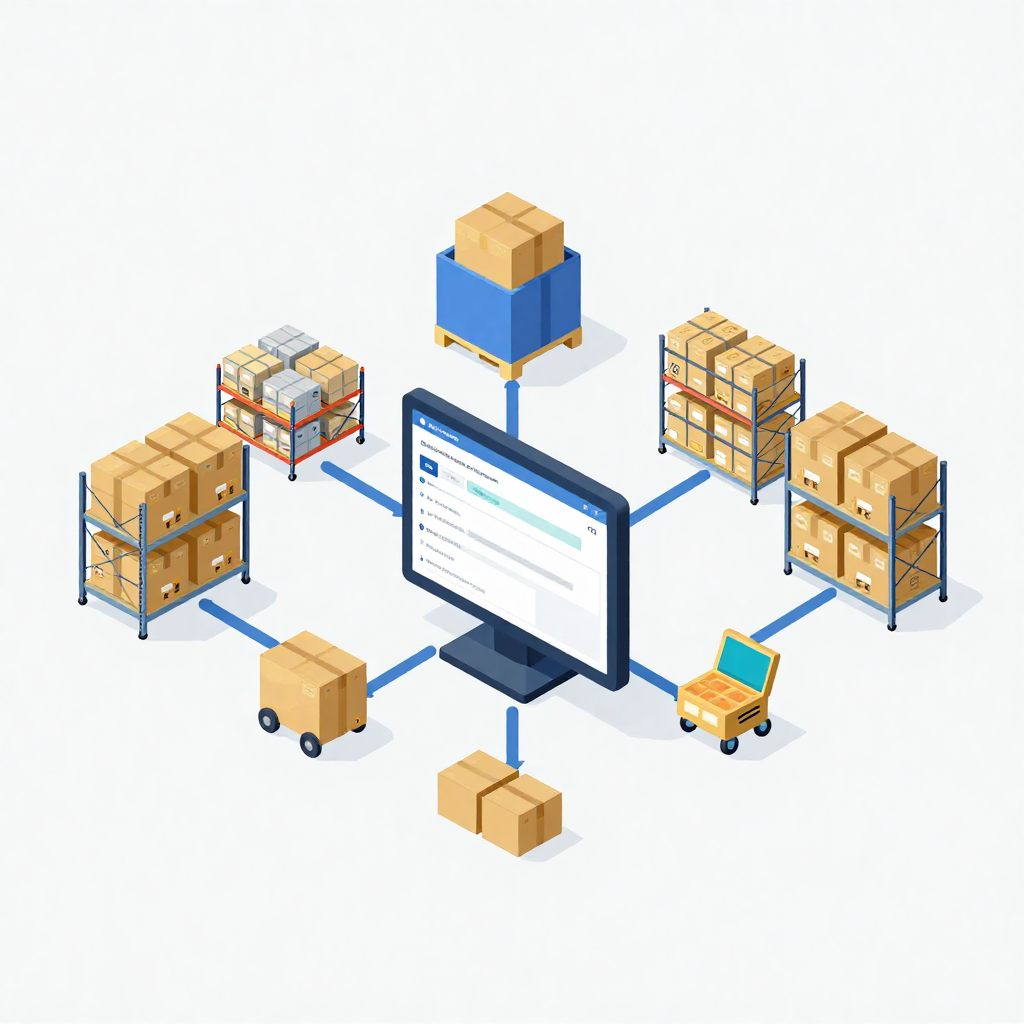
- Real-time dashboards show exact stock levels and locations.
- Algorithms forecast demand, optimizing stock replenishment to prevent overstock or shortages.
- Improved inventory accuracy reduces shipment delays caused by misplaced or missing items.
These systems are crucial in India, where demand can be volatile and seasonal, enabling warehouses to respond swiftly to market changes.
4. Data Analytics and Machine Learning
Data analytics platforms process historical and incoming data to further optimize warehouse workflows.
- Analytics optimize storage layouts and picking routes, minimizing transit within the warehouse.
- Machine learning models predict peak demand periods and advise resource allocation.
- This leads to higher throughput, reduced lead times, and better workforce management.
By harnessing data, Indian warehouses can evolve from reactive to predictive operations, enhancing shipping speeds.
5. Enhanced Supply Chain Integration
Smart warehouses are no longer isolated. Integration with Transportation Management Systems (TMS) and supply chain platforms ensures seamless coordination.
- Real-time shipment tracking improves transparency.
- Better communication between warehouses, carriers, and customers reduces errors.
- Synchronization minimizes transit delays and improves on-time deliveries.
This collaborative approach is essential in India’s complex logistics environment, where multiple stakeholders operate across vast geographic areas.
6. Energy Efficiency and Sustainability
Sustainability is becoming a priority in India’s warehousing sector.
- IoT-driven systems optimize energy use for lighting, HVAC, and machinery.
- Smart scheduling reduces power consumption during off-peak hours.
- Efficient energy use lowers costs and aligns with environmental regulations.
Green warehousing practices contribute to corporate responsibility and appeal to eco-conscious customers.
7. Improved Safety and Compliance
Automation also improves workplace safety by reducing manual handling risks.
- Safety monitoring systems detect hazards and ensure compliance.
- Advanced security protocols protect goods from theft and damage.
This not only safeguards assets but also reduces insurance and liability costs.
Real-World Examples of Smart Warehousing in India
Several Indian companies have embraced smart warehousing to boost shipping efficiency:
- Flipkart utilizes AI-powered warehouses with robotics to handle millions of orders with speed and accuracy.
- DHL Supply Chain India has implemented IoT sensors and automated picking systems, reducing order cycle times by up to 30%.
- A leading FMCG manufacturer in Mumbai relies on machine learning to forecast demand and optimize stock levels, cutting shipping delays.
- Warehousing firms in Bangalore are integrating solar power and smart energy management for sustainable operations.
- E-tailers in Delhi NCR are using AGVs for automated product movement, accelerating dispatch timelines.
These examples show diverse applications across industries, highlighting the broad impact of smart warehousing.
Step-by-Step Guide to Implementing Smart Warehousing
Implementing smart warehousing to improve shipping efficiency in India involves these essential steps:
- Assessment & Strategy: Analyze current operations, identify bottlenecks, and define goals.
- Technology Selection: Choose automation, IoT, and software solutions aligned with business needs.
- Infrastructure Upgrade: Retrofit or build warehouses to accommodate new machinery and sensors.
- Integration: Connect warehouse systems with supply chain and transport management platforms.
- Training: Upskill staff to operate and maintain smart warehouse technologies.
- Pilot Testing: Run controlled trials to identify issues and optimize workflows.
- Full-scale Deployment: Implement across locations with continuous monitoring.
- Data-Driven Improvement: Use analytics for ongoing process refinement and scalability.
Benefits of Smart Warehousing for Indian Shipping
- Faster Delivery Times: Automation reduces processing delays, enabling quicker dispatch.
- Cost Reduction: Optimized inventory and energy use lower operational expenses.
- Scalability: Supports rapid growth and seasonal demand spikes without compromising efficiency.
- Enhanced Accuracy: Fewer errors mean reliable shipments and higher customer satisfaction.
- Improved Safety: Automation minimizes workplace accidents and theft.
- Eco-friendly Operations: Energy-efficient systems align with sustainability goals.
Future Trends in Smart Warehousing in India
Looking ahead, the following trends will shape how smart warehousing continues to impact shipping efficiency:
- Increased Use of AI and Robotics: More warehouses will implement autonomous robots and AI for end-to-end automation.
- Blockchain Integration: For greater transparency and security in supply chains.
- 5G Connectivity: Enabling faster and more reliable IoT communication.
- Augmented Reality (AR): Helping warehouse workers with picking, packing, and training.
- Sustainability Focus: Growing regulations and consumer awareness will drive green logistics solutions.
India’s smart warehousing sector is poised to evolve rapidly, making the shipping process faster, smarter, and more customer-centric.
Conclusion
Understanding how smart warehousing is improving shipping efficiency in India reveals a transformative shift in logistics. Through automation, IoT, AI, data analytics, and integrated supply chain management, warehousing is becoming a competitive advantage.
By adopting smart warehouse solutions, Indian businesses can expect faster deliveries, reduced costs, scalability, and superior customer experiences. The future of shipping is smart, connected, and sustainable.
Are you ready to embrace smart warehousing for your business? Contact us today! Let us help you navigate this exciting journey toward operational excellence.
FAQ
What is smart warehousing?
Smart warehousing uses advanced technologies like automation, IoT, AI, and analytics to improve warehouse operations, enhancing accuracy, speed, and efficiency.
How does smart warehousing affect shipping times in India?
Automation and real-time data reduce manual delays, speeding up order processing and shipment dispatch, crucial for competitive delivery in India.
What industries benefit most from smart warehousing?
E-commerce, retail, FMCG, pharmaceuticals, and manufacturing industries benefit significantly due to their complex inventory and shipping demands.
Is smart warehousing costly to implement?
Initial investments may be high, but long-term savings in operational costs, labor, and better customer retention justify the expense.
How can I start implementing smart warehousing?
Begin with a detailed assessment, select suitable technologies, and gradually integrate systems while training your workforce.
Recent Blog

Top Logistics Trends Every D2C Brand Must Know in 2026
Top Logistics Trends Every D2C Brand Should Know in 2026:…
How Generative AI Cuts Logistics Costs with Smart Automation
How Generative AI Is Reducing Logistics Costs: Unlocking Smart Automation…

Dark Stores vs Warehouses: Who Wins in 2026 Quick Commerce?
Dark Stores vs Warehouses: Which Model Wins in 2026? Estimated…
