 :
:  :
: 

Why AI Agents Are Essential for Your 2026 Logistics Strategy
Moving from Dashboards to Doers: Why Your 2026 Logistics Strategy Needs AI Agents, Not Just Tracking
Estimated reading time: 7 minutes
Key Takeaways

- Dashboards are reactive tools that may hinder real-time decision-making.
- AI agents can transform logistics operational workflows by offering proactive solutions to potential issues.
- The implementation of AI agents requires a structured transition plan involving data management and workforce training.
- Companies utilizing AI agents report improved efficiency, cost savings, and enhanced customer satisfaction.
- Future logistics will see AI agents evolve into more autonomous roles, driving innovative collaborations and efficiencies in supply chains.
Table of Contents
- Introduction
- The Limitations of Relying Solely on Dashboards for Logistics
- How AI Agents Move Logistics from Tracking to Doing
- Real-World Examples Demonstrating AI Agent Impact
- How to Prepare Your Logistics Strategy for AI Agents by 2026
- Benefits of AI Agents for 2026 Logistics Strategies
- Future Trends: What’s Next for AI in Logistics?
- Conclusion
- FAQ
Introduction
The logistics industry has always been at the forefront of technological innovation. From manual paperwork to digital spreadsheets, and now to sophisticated dashboards, each leap has enhanced visibility and control. But as we move toward 2026, moving from dashboards to doers: why your 2026 logistics strategy needs AI agents, not just tracking becomes more than a trend—it’s a necessity for survival.
Dashboards transformed logistics by providing centralized, real-time insights into fleet operations, inventory levels, and delivery statuses. Yet, they remain inherently reactive tools. In today’s fast-paced, data-rich environment, reacting to information is no longer enough. Companies across India and worldwide are realizing that actionable intelligence, powered by AI agents, is the future of supply chain resilience and efficiency.
In this article, we’ll explore why relying solely on traditional dashboards will hinder your 2026 logistics performance, how AI agents can revolutionize operational workflows, and the steps needed to successfully integrate AI-driven solutions into your logistics strategy.
The Limitations of Relying Solely on Dashboards for Logistics
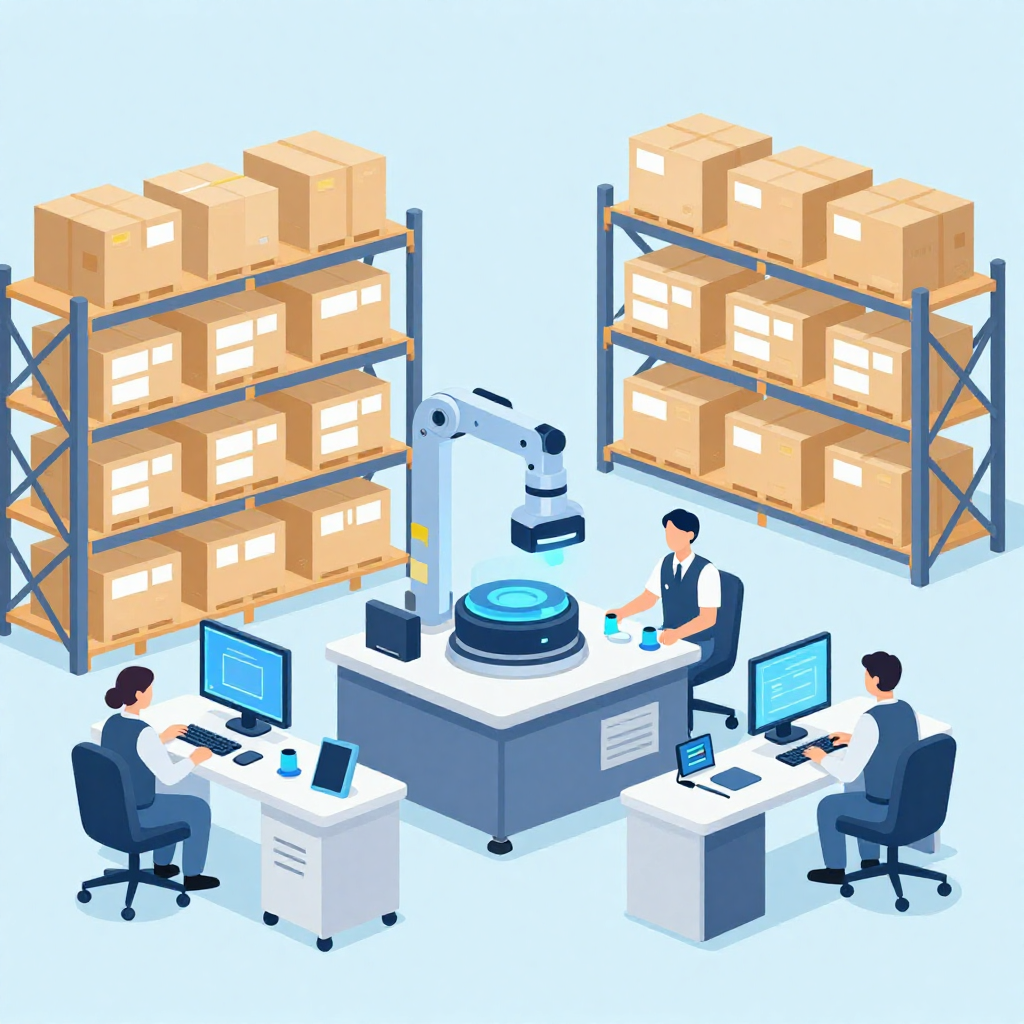
Dashboards have served the industry well by aggregating key performance indicators (KPIs), but several challenges have emerged that limit their value:
- Data Lag: Dashboards display insights after data has been collected and processed, causing inevitable delays between problem occurrence and response.
- Data Overload: With the explosion of IoT devices and sensors, logistics teams struggle to interpret voluminous datasets, often leading to analysis paralysis.
- Manual Intervention: Critical decisions—such as rerouting a shipment or managing inventory shortages—still generally require human input, which is slower and subject to error.
- No Predictive Power: Traditional dashboards focus predominantly on what has happened or is happening, without anticipating what will happen next.
The consequence? Missed opportunities to proactively manage disruptions, optimize resources, and ensure customer satisfaction.
How AI Agents Move Logistics from Tracking to Doing
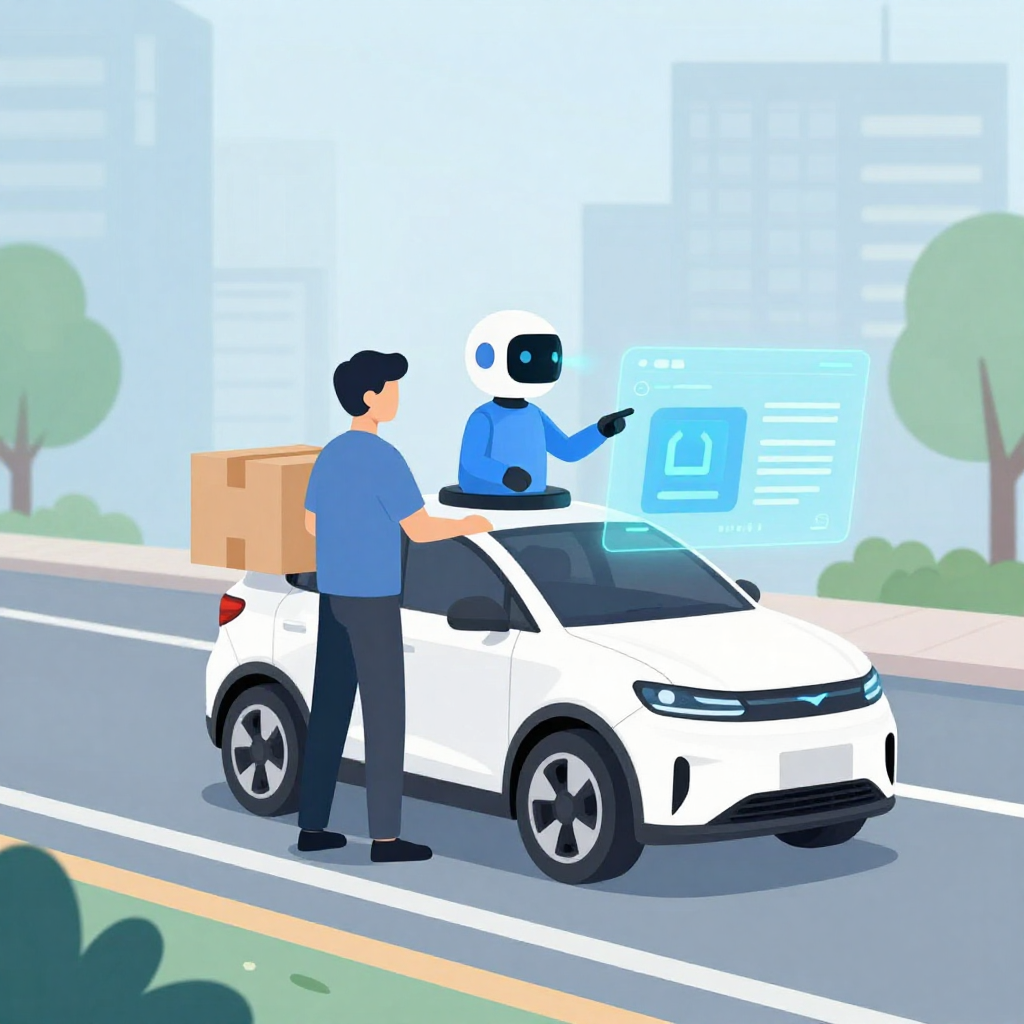
AI agents represent a transformative shift from passive observation to active intervention. These autonomous systems interact dynamically with data and systems to make decisions and execute actions in real-time.
Key Transformations Delivered by AI Agents:
| Traditional Dashboards | AI Agents |
|---|---|
| Reactive monitoring of KPIs | Proactively predict and solve issues |
| Data collection and display | Continuous data analysis and autonomous action |
| Requires manual decision-making | Executes tasks independently with minimal oversight |
| Historical and current insight | Real-time and predictive analytics |
AI agents can analyze multiple data streams from shipments, weather forecasts, vehicle sensors, and communication platforms simultaneously. They anticipate disruptions like supply delays or traffic congestion before they occur, and autonomously adjust routes, schedules, and inventory orders to minimize impact.
Imagine an AI agent that detects a potential vehicle breakdown from sensor data, schedules maintenance without human prompting, and reroutes deliveries to avoid downtime. This truly elevates logistics from passive tracking to proactive management.
Real-World Examples Demonstrating AI Agent Impact
Across sectors, companies deploying AI agents in logistics are witnessing remarkable results:
- Predictive Maintenance: Leading freight firms use AI to analyze data from vehicle IoT devices, identifying early signs of mechanical issues. This preemptive maintenance reduces unexpected breakdowns and costly delivery delays.
- Dynamic Routing: In India’s e-commerce sector, AI-driven dynamic routing enables delivery fleets to circumvent traffic jams or roadblocks instantly, reducing delivery times by up to 20%.
- Inventory Optimization: Global retail chains utilize AI agents to forecast demand patterns accurately, adjust stock levels in real-time, and reduce excess inventory by 15–30%.
- Automated Communication: AI agents serve as communication hubs, seamlessly sharing updates with suppliers, warehouse managers, and customers, reducing manual coordination overhead and enhancing transparency.
These examples highlight how moving from dashboards to doers unlocks new efficiency and responsiveness that traditional systems cannot match.
How to Prepare Your Logistics Strategy for AI Agents by 2026
Transitioning to AI-driven logistics requires a thoughtful, step-by-step approach. Here’s a practical roadmap for logistics leaders:
- Build Robust Data Foundations: Ensure all relevant data sources are cleaned, standardized, and integrated for seamless AI consumption.
- Enhance Talent and Expertise: Recruit or train data scientists, AI specialists, and integration experts equipped to design, deploy, and maintain AI agent solutions.
- Pilot Targeted AI Projects: Start small by implementing AI agents to solve specific challenges like route optimization or predictive maintenance.
- Integrate AI into Workflows: Redesign operational procedures to delegate decision-making authority to AI agents while defining human roles for exception management.
- Monitor and Optimize: Continuously collect feedback from AI system performance and iterate on algorithms to improve accuracy and efficiency.
- Foster Organizational Buy-In: Promote a culture that embraces automation and trust in AI technologies, addressing employee concerns proactively.
By systematically adopting these steps, logistics companies can ensure a smooth, beneficial transition to AI-powered operations.
Benefits of AI Agents for 2026 Logistics Strategies
- Increased Agility: Real-time decision-making enables faster reaction to disruptions.
- Cost Savings: Optimized routes and predictive maintenance reduce fuel and repair expenses.
- Improved Accuracy: AI-powered forecasts decrease stockouts and overstock risks.
- Automation of Routine Tasks: Frees human resources for strategic activities.
- Enhanced Customer Satisfaction: Proactive updates and reliable deliveries build trust.
Future Trends: What’s Next for AI in Logistics?
Looking beyond 2026, AI agents will evolve into even more integrated partners for logistics:
- Greater Autonomy: Self-driving vehicles and drones managed by AI agents will handle more delivery tasks.
- Collaborative AI Ecosystems: Agents from different companies will negotiate with each other for more efficient shared logistics.
- Adaptive Learning: AI agents will dynamically adapt to regulatory changes, environmental conditions, and market demand without manual reprogramming.
- Blockchain Integration: Combined with blockchain, AI agents will increase supply chain transparency and security.
This exciting future will transform logistics into a continuously self-optimizing ecosystem.
Conclusion
The age of dashboards has served logistics well, but today’s complex supply chains demand more than just tracking—they require doers. By adopting AI agents that act with autonomy and intelligence, your 2026 logistics strategy can stay ahead of disruptions, optimize resources, and delight customers in a rapidly changing world.
Don’t wait to move from passive visibility to active management. Contact us today to explore how AI agents can transform your logistics operations starting now.
FAQ
Q1: What are AI agents in logistics?
AI agents are autonomous software systems that analyze data, make decisions, and perform tasks in logistics operations without continuous human intervention.
Q2: How do AI agents improve delivery times?
They use real-time data to predict and avoid delays by dynamically rerouting shipments or rescheduling inventory movements.
Q3: Is AI adoption costly for logistics companies?
While initial investments are required, AI agents often reduce long-term costs through operational efficiencies and better asset utilization.
Q4: Can AI agents integrate with existing logistics systems?
Yes, many AI solutions are designed to integrate with current enterprise resource planning (ERP) and warehouse management systems through APIs.
[Related post: The Future of Supply Chain Automation in 2026]
[Related post: Top AI Tools Revolutionizing Inventory Management]
Recent Blog

Top Logistics Trends Every D2C Brand Must Know in 2026
Top Logistics Trends Every D2C Brand Should Know in 2026:…
How Generative AI Cuts Logistics Costs with Smart Automation
How Generative AI Is Reducing Logistics Costs: Unlocking Smart Automation…
Dark Stores vs Warehouses: Who Wins in 2026 Quick Commerce?
Dark Stores vs Warehouses: Which Model Wins in 2026? Estimated…
