 :
:  :
: 
Circular Logistics Returns for Sustainable Business Growth
Circular Logistics: How to Turn Your Returns Process into a Sustainability Win
Estimated reading time: 10 minutes
Key Takeaways
- Circular logistics integrates sustainability into the returns process.
- Returns represent a significant opportunity for cost savings and environmental impact reduction.
- Implementing robust reverse logistics systems is key to improving efficiency.
- Engaging customers in sustainable practices strengthens brand loyalty.
- Leveraging technology can optimize returns and enhance the customer experience.
Table of Contents
Introduction
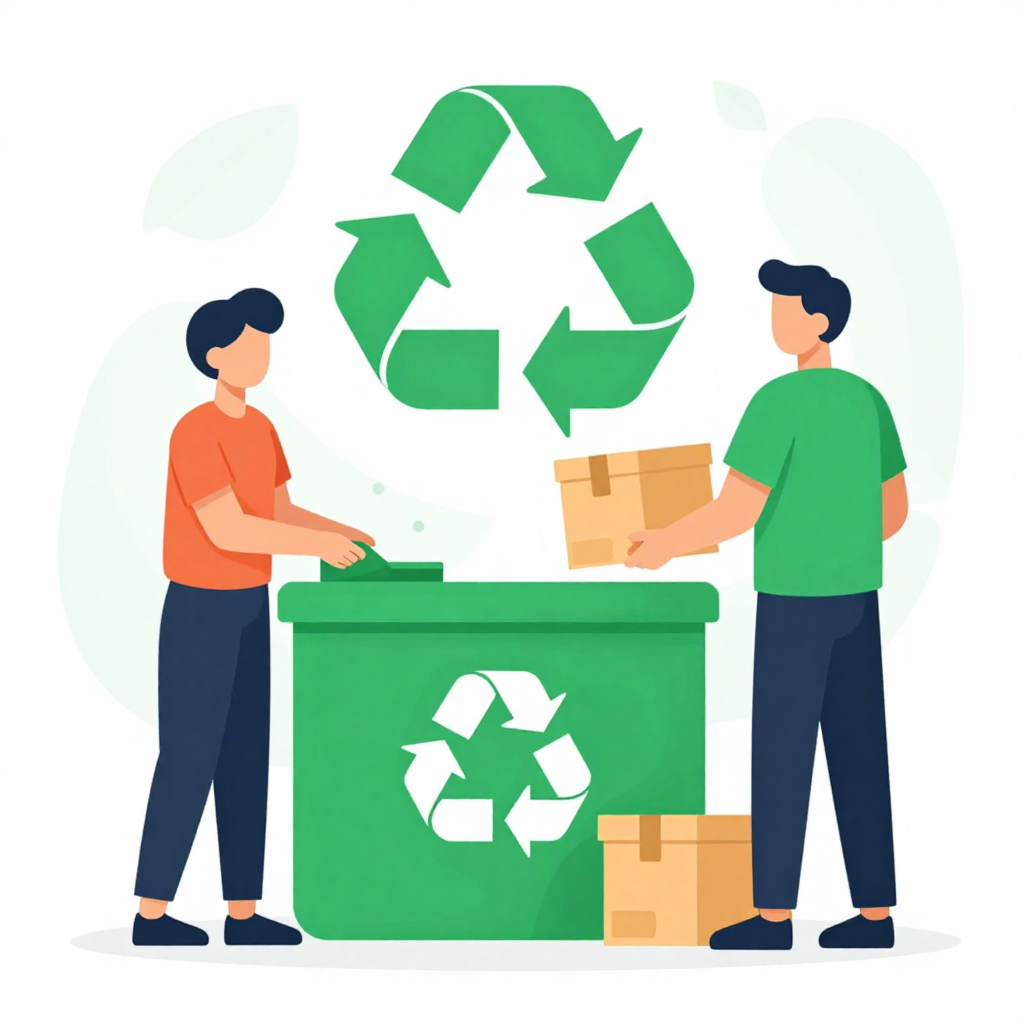
In the rapidly evolving retail and e-commerce landscape, one factor remains constant: returns. Nearly every customer expects the option to return products, yet this part of the customer journey often poses significant challenges for businesses. Circular logistics: how to turn your returns process into a sustainability win is more than just a buzzword—it’s a strategic approach with profound implications for profitability, brand loyalty, and notably, the environment.
Globally, return rates can range from 20% to 30%, and in some sectors like fashion, these figures are even higher. This growing volume leads to increased costs, waste, and carbon emissions unless managed properly. For companies operating in India and worldwide, there is a powerful opportunity to transform returns from costly burdens into sustainability successes by adopting circular logistics principles.
In this article, we’ll unpack what circular logistics really means, why focusing on your returns process is critical, and share actionable steps to implement a circular returns system. This approach not only supports environmental stewardship but helps companies save costs, improve customer experience, and stay competitive in an eco-conscious market.
What is Circular Logistics?

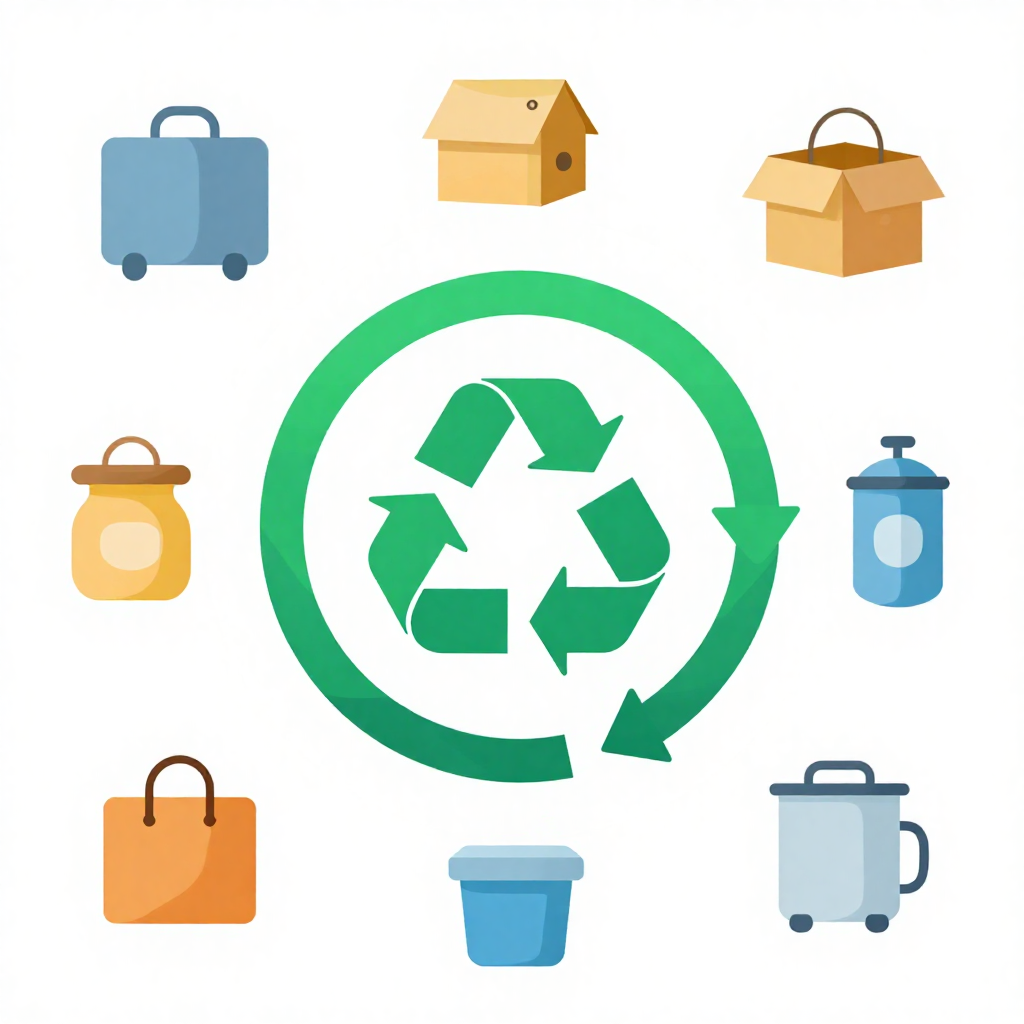
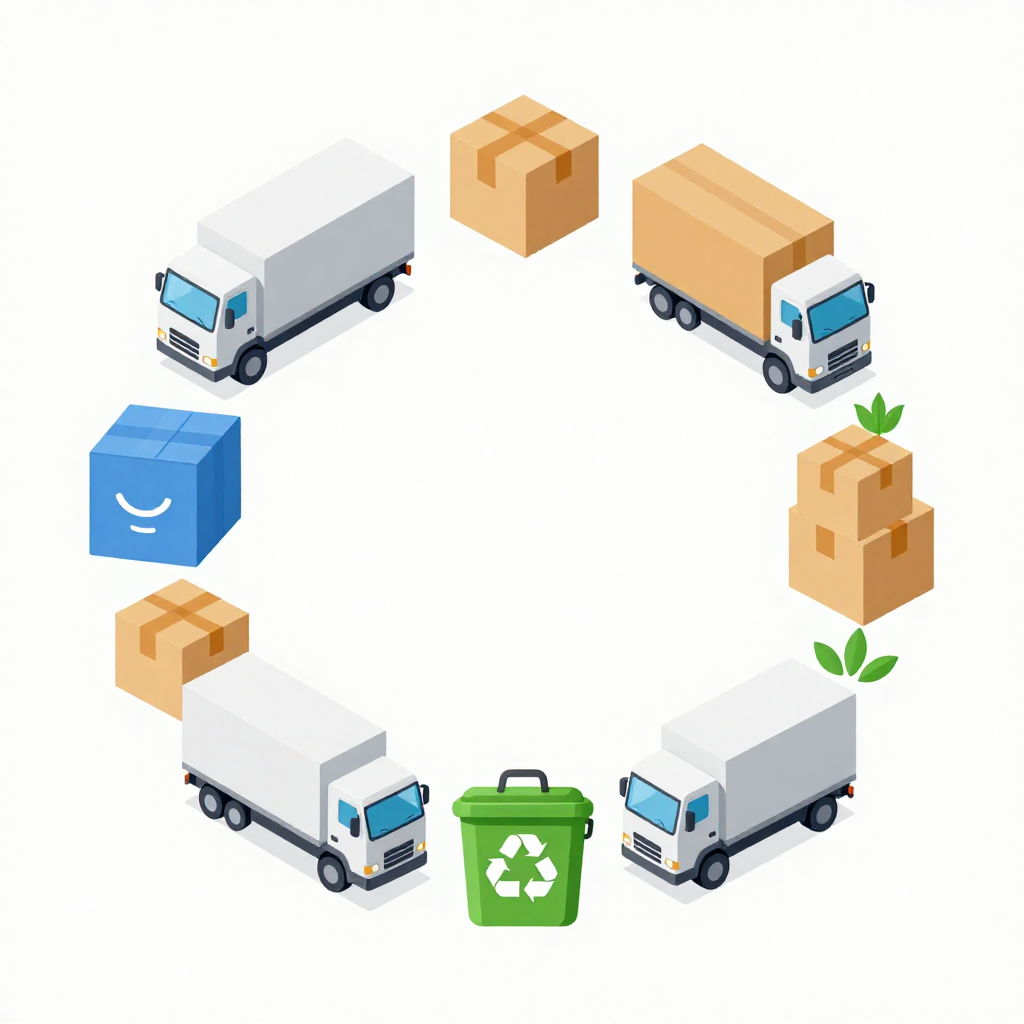
At its core, circular logistics involves managing the supply chain with the goal of creating a closed-loop system. Rather than following the traditional linear model of “make, use, dispose,” circular logistics prioritizes reuse, refurbishing, recycling, and responsible disposal to keep products and materials in use longer.
This concept particularly gains traction in the returns process, often the weak link in supply chains where product value can be lost and waste generated quickly. Circular logistics in returns means that rather than discarding all returned items outright, companies adopt strategies to:
- Extend product life cycles
- Recover asset value through refurbishment or resale
- Minimize landfill waste and reduce emissions from transport and packaging
- Engage consumers in sustainable practices
By doing so, businesses can significantly reduce their environmental footprint and create new revenue streams from returned products.
Why Focus on Returns?
Understanding why returns warrant special focus helps make the case for circular logistics integration:
- High volume and growing: With e-commerce booming worldwide, return rates hover between 20-30%, sometimes reaching 50% in online apparel. Each return represents materials, labor, and transport resources spent, emphasizing the impact of inefficient management.
- Environmental consequences: When returned items are discarded or poorly handled, they often end up in landfill sites or incinerators, contributing to pollution, carbon emissions, and resource depletion.
- Cost implications: The reverse logistics process typically costs 20% to 65% of a product’s original shipping cost, putting a strain on profitability. Efficient circular returns management cuts these costs by recapturing value and reducing waste.
- Customer and brand impact: Today’s consumers increasingly demand brands to demonstrate responsibility. A circular returns process supports a positive brand image by showcasing commitment to sustainability.
Steps to Turn Your Returns Process into a Sustainability Win
Implementing circular logistics into your returns process may seem challenging, but following these concrete steps provides a clear path:
1. Map Your Return Flows
Begin by gathering data to understand the volume, destinations, and reasons for returns. Identify:
- Where returns originate (geographies, sales channels)
- Top categories/products returned
- Causes of returns (quality issues, sizing, product mismatch)
A transparent map helps spotlight bottlenecks and tailor circular strategies appropriately.
2. Implement a Robust Reverse Logistics System
Develop infrastructure to efficiently collect and transport returned goods back to warehouses or refurbishment centers. Leverage technology such as:
- Real-time tracking systems
- Automated sorting
- Inventory management integrated with returns data
This creates visibility, reduces handling errors, and speeds up processing.
3. Categorize Returned Products
Sort returns into specific buckets for optimal handling:
- Resell: Near-new products can be repackaged and restocked quickly.
- Refurbish/Repair: Minor fixes or cleaning enable resale at value-adding price points.
- Repurpose: Salvage usable components or raw materials for new products or packaging.
- Recycle: Products unsuitable for reuse must be safely recycled to recover materials.
- Dispose responsibly: Only if no other option exists; ensure compliance with environmental regulations.
4. Leverage Technology and Data Analytics
Tools like AI and machine learning can predict return volumes, optimize inventory allocation, and enhance product design. Analyze customer feedback to identify common return causes and address quality or description issues preemptively.
5. Engage Customers in Circular Practices
Encourage sustainable behavior by:
- Incentivizing returns with discounts or loyalty rewards
- Educating customers on how to return packaging or products sustainably
- Highlighting circular product lines such as refurbished or upcycled items
Customer participation significantly amplifies impact.
6. Partner with Sustainable Logistics Providers
Work with third-party logistics companies prioritizing sustainability through:
- Green shipping methods (electric vehicles, consolidated shipments)
- Use of eco-friendly, reusable transport packaging
These partnerships enhance circularity and reduce carbon footprints.
7. Innovate Packaging Solutions
Optimize packaging design to support circularity by:
- Minimizing materials used
- Employing recyclable or compostable options
- Designing for easy reuse during returns transit
Smarter packaging supports overall sustainability goals.
8. Measure and Report Sustainability Impact
Track key metrics including:
- Waste diverted from landfill
- Carbon emissions saved
- Cost reduction from product recovery
- Percentage of returns processed circularly
Transparent reporting fosters stakeholder trust and informs ongoing improvements.
Benefits of Circular Returns Logistics
Integrating circular principles into your returns process yields numerous advantages:
- Reduced environmental footprint: Less waste generation and resource consumption, lowering greenhouse gas emissions.
- Cost savings: Recover asset value, cut disposal fees, and optimize reverse logistics spend.
- Stronger customer satisfaction: Meeting consumer demand for sustainable brands builds loyalty.
- Enhanced brand reputation: Demonstrating corporate social responsibility positions businesses as market leaders in sustainability.
- Innovation opportunities: Circular logistics stimulates creative product design and new revenue streams like refurbished sales.
Future Trends in Circular Logistics
The returns and circular logistics space is evolving rapidly, fueled by technology and consumer pressure. Emerging trends include:
- Advanced AI for predictive returns management: Enabling pre-emptive action and inventory adjustments.
- Blockchain for supply chain transparency: Tracking product lifecycle and condition securely.
- Increased emphasis on product-as-a-service: Reducing ownership and enhancing circular usage models.
- Expansion of resale marketplaces integrated with brand websites: Offering refurbished goods directly.
- Zero-waste logistics hubs: Facilities focused entirely on sustainable processing of returns.
Businesses investing in these innovations can maintain leadership in circular returns.
Case Example: Patagonia’s Worn Wear Program
Patagonia exemplifies circular logistics by encouraging customers to return used garments through their Worn Wear initiative. Returned items are carefully repaired, refurbished, and resold at reduced prices, extending the product lifespan and diverting waste from landfills. This program has helped Patagonia reduce its environmental impact while cultivating a loyal customer base passionate about sustainability.
Similarly, other industries—from electronics companies refurbishing devices to furniture brands reselling returned items—adopt circular returns successfully, proving this approach is versatile and scalable.
FAQ
How can small businesses implement circular logistics in returns?
Start by analyzing your return data and categorizing products for reuse or repair. Partner with local recycling centers and educate customers on sustainable returns to gradually build circularity.
What technology solutions support circular returns logistics?
Inventory management systems, AI for returns prediction, real-time tracking software, and blockchain for traceability are among key technologies.
Is circular logistics costlier initially?
There may be upfront investment, but long-term savings, reduced waste fees, and recovered product value usually exceed initial costs.
Conclusion
Circular logistics: how to turn your returns process into a sustainability win is a strategic approach businesses cannot afford to ignore. By taking deliberate action to map, categorize, and process returns sustainably, companies can reduce environmental impact, save costs, and attract eco-conscious customers. The integration of technology, customer engagement, and partnerships further strengthens this circular approach.
In the global race to meet sustainability goals, your returns process is a critical leverage point. Embrace circular logistics today—for a greener planet and better business outcomes.
Contact us today to learn how we can help you implement a circular returns strategy tailored to your business!
Recent Blog
Top Logistics Trends Every D2C Brand Must Know in 2026
Top Logistics Trends Every D2C Brand Should Know in 2026:…
How Generative AI Cuts Logistics Costs with Smart Automation
How Generative AI Is Reducing Logistics Costs: Unlocking Smart Automation…
Dark Stores vs Warehouses: Who Wins in 2026 Quick Commerce?
Dark Stores vs Warehouses: Which Model Wins in 2026? Estimated…
