 :
:  :
: 
How AI Powers 10-Minute Delivery Across the Globe
Beyond the Hub: How AI Agents are Powering the 10-Minute Delivery Revolution in 2026
Estimated reading time: 8 minutes
Key Takeaways
- In 2026, the demand for 10-minute delivery has reshaped logistics globally.
- AI agents drive innovations in decentralized micro-fulfillment and intelligent routing.
- Personalized delivery windows significantly enhance customer satisfaction.
- Integration of edge computing minimizes latency in delivery processes.
- Real-world applications demonstrate effective use of AI in diverse markets.
Table of Contents
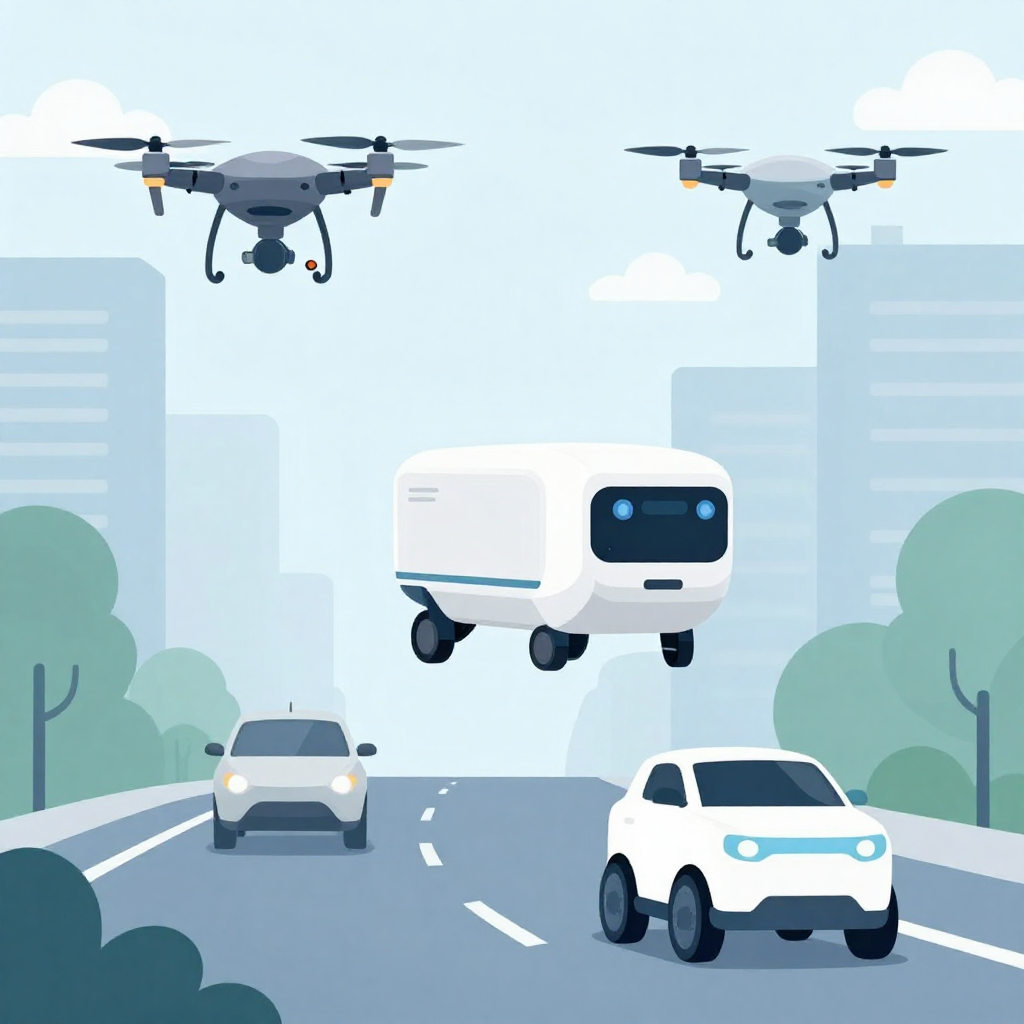
Introduction
In 2026, the delivery landscape has been transformed dramatically—*the 10-minute delivery window* is no longer science fiction but a market expectation globally. From bustling urban centers to emerging suburban markets, customers demand near-instant gratification when it comes to receiving goods. This shift has pushed logistics companies to innovate beyond traditional centralized hubs and embrace *AI agents* as the core drivers behind this ultra-fast delivery ecosystem.
But what exactly is powering this rapid revolution? AI agents are orchestrating everything—from decentralized micro-fulfillment and real-time route optimization to autonomous fleets and personalized customer experiences. These advancements are not just streamlining operations but redefining how logistics ecosystems function on a global scale, including fast-growing markets like India, where the demand for rapid delivery is booming alongside e-commerce growth.
This article explores how AI agents are powering the 10-minute delivery revolution in 2026, diving deep into the decentralized hub model, intelligent routing, autonomous deliveries, and data-driven inventory forecasting that are setting new industry standards worldwide.
Decentralized Micro-Fulfillment Centers: The New Backbone of Speed
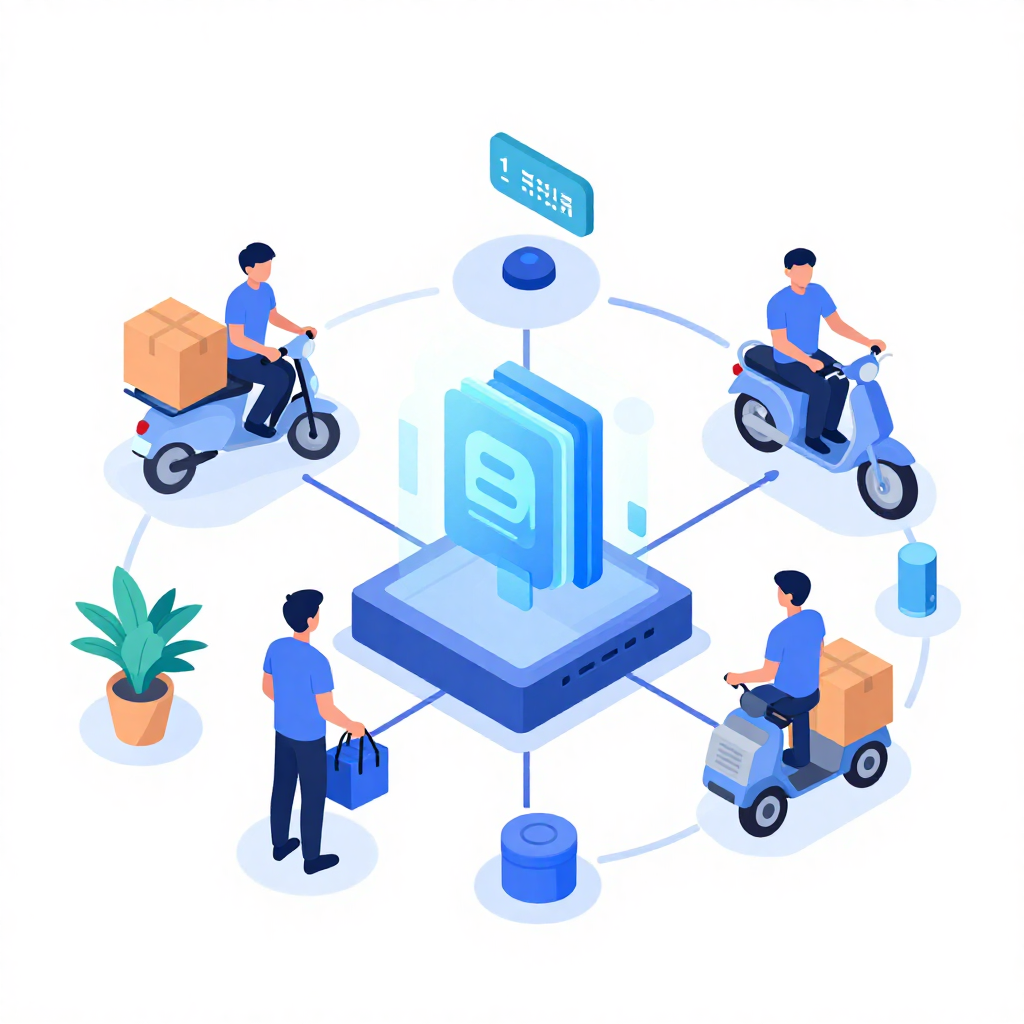
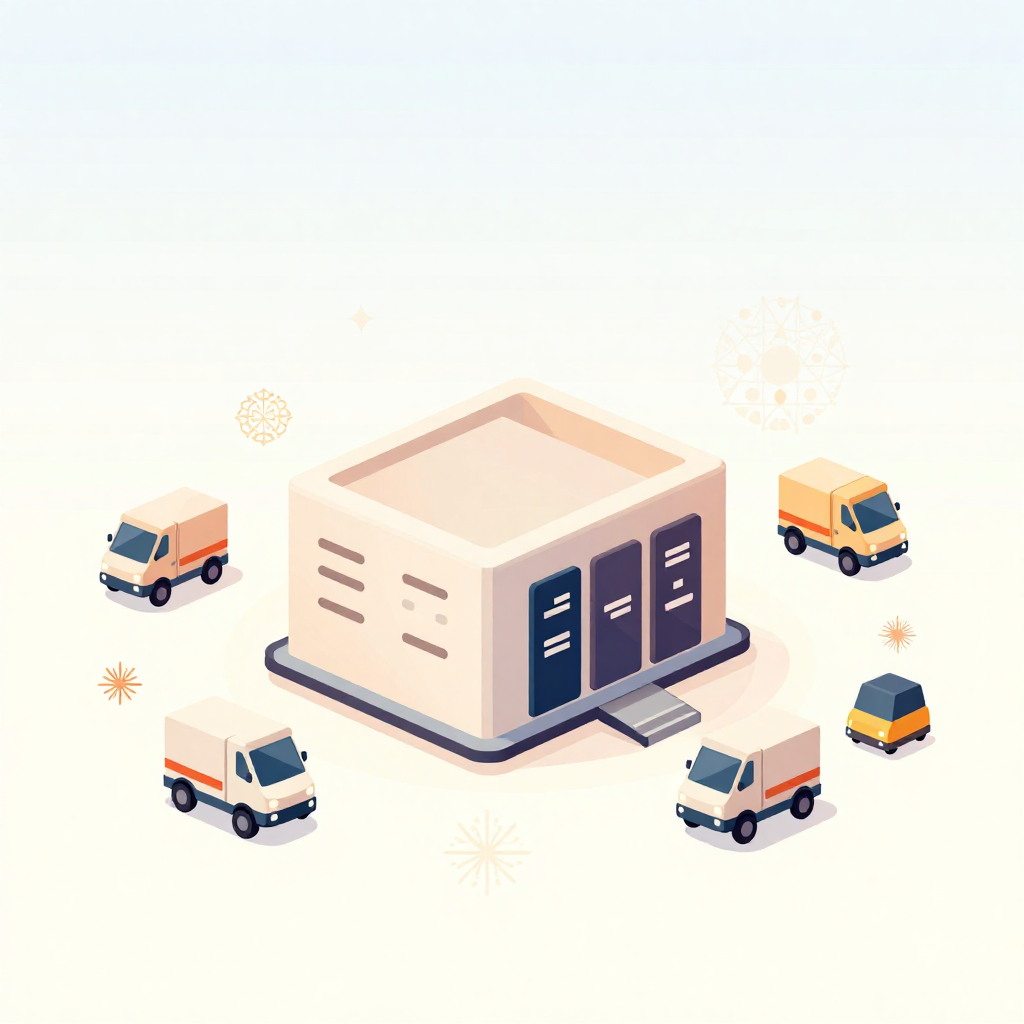
Traditional logistic models focused on massive, centralized warehouses located away from urban centers. However, 10-minute delivery demands proximity to the customer, pushing the rise of decentralized micro-fulfillment centers as a critical game-changer.
How AI Agents Drive Decentralization
- Strategic Placement: AI analyzes demand heatmaps and demographics to strategically position micro-centers within neighborhoods, minimizing delivery distances.
- Dynamic Stock Allocation: Real-time sales and inventory data allow AI agents to shift stock among centers swiftly, ensuring availability close to demand.
- Reduced Congestion: Smaller centers blend into local infrastructure—avoiding the traffic snarls linked to large hubs.
The result? Orders are fulfilled lightning-fast, without congestion delays, by centers embedded in the neighborhoods they serve.
Dynamic Routing & Delivery Optimization: Navigating the Fastest Path
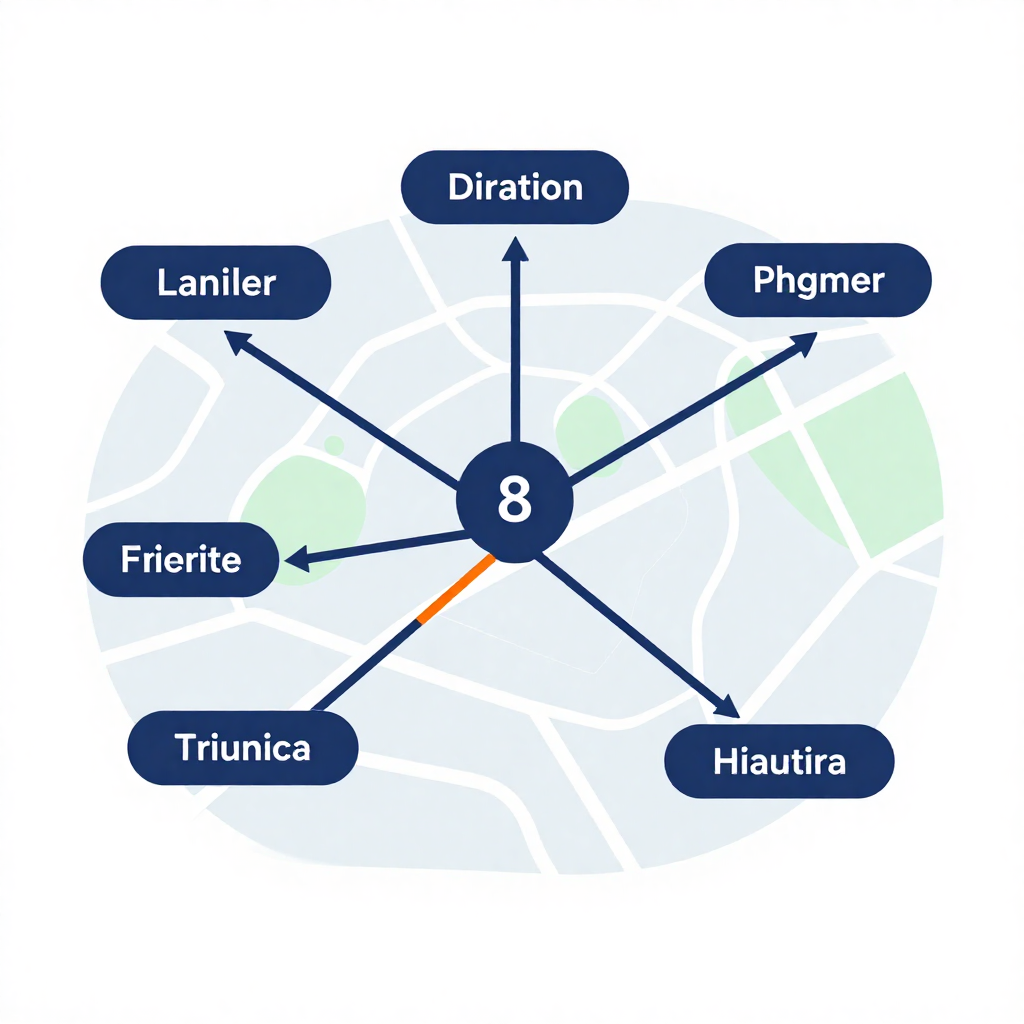
Meeting a 10-minute delivery goal is impossible without smarter route planning. This is where AI agents shine by continuously updating routes based on real-time conditions.
AI-Driven Route Optimization Features
- Traffic & Weather Integration: AI ingests live traffic jams, accidents, and weather disruptions, rerouting deliveries instantly.
- Urgency-Based Prioritization: Packages are prioritized by delivery windows and customer preferences.
- Predictive Modeling: AI anticipates likely delays and adapts routes proactively.
By combining these elements, delivery drivers, drones, and robots are always on the fastest path—crucial when a 10-minute window leaves no room for error.
Autonomous Delivery Fleets: Redefining the Last Mile
AI agents don’t just optimize human delivery—they manage entire autonomous fleets. In 2026, fleets of drones, sidewalk robots, and electric bikes function cohesively under AI supervision.
Fleet Management Powered by AI
- Load Balancing: Distributing delivery workload evenly to prevent bottlenecks and vehicle fatigue.
- Maintenance Scheduling: AI schedules predictive maintenance to reduce downtime.
- Multi-Modal Coordination: Seamless handoffs between drones, robots, and human couriers allow for flexible and efficient deliveries.
This autonomy reduces labor costs, increases delivery speed, and supports scalability, crucial for meeting instant delivery needs.
Personalized Delivery Windows & Customer Preferences
One-size-fits-all no longer works in 10-minute delivery. AI agents tailor delivery experiences by learning customer habits and preferences.
- Behavioral Analysis: AI uses historical purchase and delivery patterns to suggest the best drop-off times.
- Real-Time Interaction: Adjustments based on customer feedback and location updates.
- Reduced Failed Deliveries: Personalized timing leads to fewer missed deliveries and higher satisfaction.
This personalization boosts efficiency and ensures the tight 10-minute window is practical for both providers and recipients.
Inventory Forecasting & Demand Prediction
Anticipating demand spikes and lows is vital. AI leverages vast datasets to predict consumer demand trends accurately.
Data Sources AI Analyzes:
- Consumer purchase history
- Social media trends
- Local events and weather
- Public holidays and promotions
By doing so, AI agents optimize stock levels across micro-fulfillment centers, preventing stockouts and excess inventory—both of which can delay quick deliveries.
Edge Computing & AI Integration: Power at the Delivery Point
The last-mile delivery process demands milliseconds of reaction time. Here, cloud dependence can cause latency issues. Enter edge computing and AI integration.
- AI agents operate on devices located near or inside micro-fulfillment centers and delivery robots.
- Real-time data processing occurs locally, bypassing cloud delays.
- Faster AI decision-making allows robotic fleets to adapt instantly to changes during delivery.
The collaboration of edge AI and cloud systems is essential for the flawless execution of ultra-fast logistics.
Real-World Applications & Case Studies
- Urban E-Grocery Stores in Mumbai: Leveraging AI-managed micro-centers across the city, a startup slashed delivery times from 45 minutes to under 10, gaining rapid market dominance.
- Drone Delivery in Singapore: AI agents optimize drone routes in real time, managing over 2,000 deliveries daily within a strict 10-minute window.
- Autonomous Sidewalk Robots in Berlin: Smart fleet management using AI has enabled robotic deliveries for pharmaceuticals, maintaining cold-chain integrity and 100% on-time delivery.
These examples highlight multi-industry success from groceries to pharmaceuticals—showing the broad applicability of AI-driven 10-minute delivery.
Step-by-Step Guide to Implementing AI-Powered 10-Minute Delivery
- Map Demand Zones: Use AI to identify optimal micro-fulfillment hub locations.
- Deploy Micro-Fulfillment Centers: Set up decentralized centers equipped with smart inventory systems.
- Integrate AI Fleet Management: Automate routing, scheduling, and vehicle maintenance.
- Adopt Autonomous Vehicles: Incorporate drones and robots controlled by AI agents.
- Personalize Delivery Scheduling: Leverage AI customer data for optimal delivery times.
- Implement Edge AI Devices: Ensure low-latency decisions near fulfillment points.
- Continuously Monitor & Optimize: Use AI feedback loops to refine processes.
Benefits & Practical Tips
Benefits:
- Drastically reduced delivery times
- Lower operational costs via automation
- Improved customer satisfaction and repeat business
- Reduced traffic congestion and carbon footprint
Tips for Businesses:
- Invest in scalable AI infrastructure
- Collaborate with technology partners offering autonomous delivery solutions
- Collect and analyze customer data to customize experiences
- Plan for hybrid models combining human and autonomous couriers
Future Trends to Watch
- Integration of 5G and IoT for faster data transfer and better fleet coordination.
- Advanced AI prediction models incorporating psychographic data for personalization.
- Expansion of robot-based indoor delivery within office parks and residential complexes.
- Development of AI ethics frameworks governing autonomous delivery in public spaces.
Conclusion
The 10-minute delivery revolution in 2026 is truly defined by the power of AI agents working beyond traditional logistics hubs. From decentralized fulfillment to autonomous fleets and dynamic routing, AI is transforming supply chains into agile, customer-centric networks. Businesses embracing these advances are poised to meet the ever-growing demand for speed, reliability, and personalization.
Are you ready to harness AI agents and lead the 10-minute delivery revolution? Contact us today!
FAQ
Q1: How do AI agents influence delivery times?
AI agents optimize inventory allocation, routing, and fleet management in real time, ensuring deliveries happen within tight windows like 10 minutes.
Q2: What is a micro-fulfillment center?
A small, decentralized warehouse located close to customers to speed up order preparation and reduce last-mile delivery times.
Q3: Can AI manage autonomous delivery vehicles?
Yes, AI oversees scheduling, load balancing, and maintenance for autonomous fleets, enhancing efficiency and uptime.
Q4: Why is edge computing important?
It minimizes latency by processing data near the delivery point, enabling instant AI decisions required for rapid delivery.
Q5: Is 10-minute delivery viable globally?
While urban and suburban areas with advanced infrastructure lead the way, AI-powered models are expanding rapidly worldwide, including emerging economies.
Recent Blog
End the Hassle of Managing Multiple Courier Logins
Show the Pain of Juggling 5+ Courier Logins and How…
To-Pay vs Prepaid vs COD Explained for B2B Sellers
Understanding To-Pay vs Prepaid vs COD: What Every B2B Seller…
Complete Guide to Export Your Product from India Successfully
Here's the provided markdown converted to WordPress HTML format: I…
