 :
:  :
: 
Beyond Roads and Rails: New Logistics Infrastructure in 2026 Budget
Beyond Roads and Rails: How the 2026 Budget is Reimagining Indian Logistics Infrastructure
Estimated reading time: 8 minutes
Key Takeaways

- The 2026 Budget shifts Indian logistics towards multi-modal connectivity.
- Investment in technology aims to reduce logistics costs significantly.
- Green logistics initiatives are aligned with climate goals.
- Infrastructure upgrades will enhance air and waterway transport.
- Skill development is crucial for future sustainability of the logistics sector.
Table of Contents
Introduction
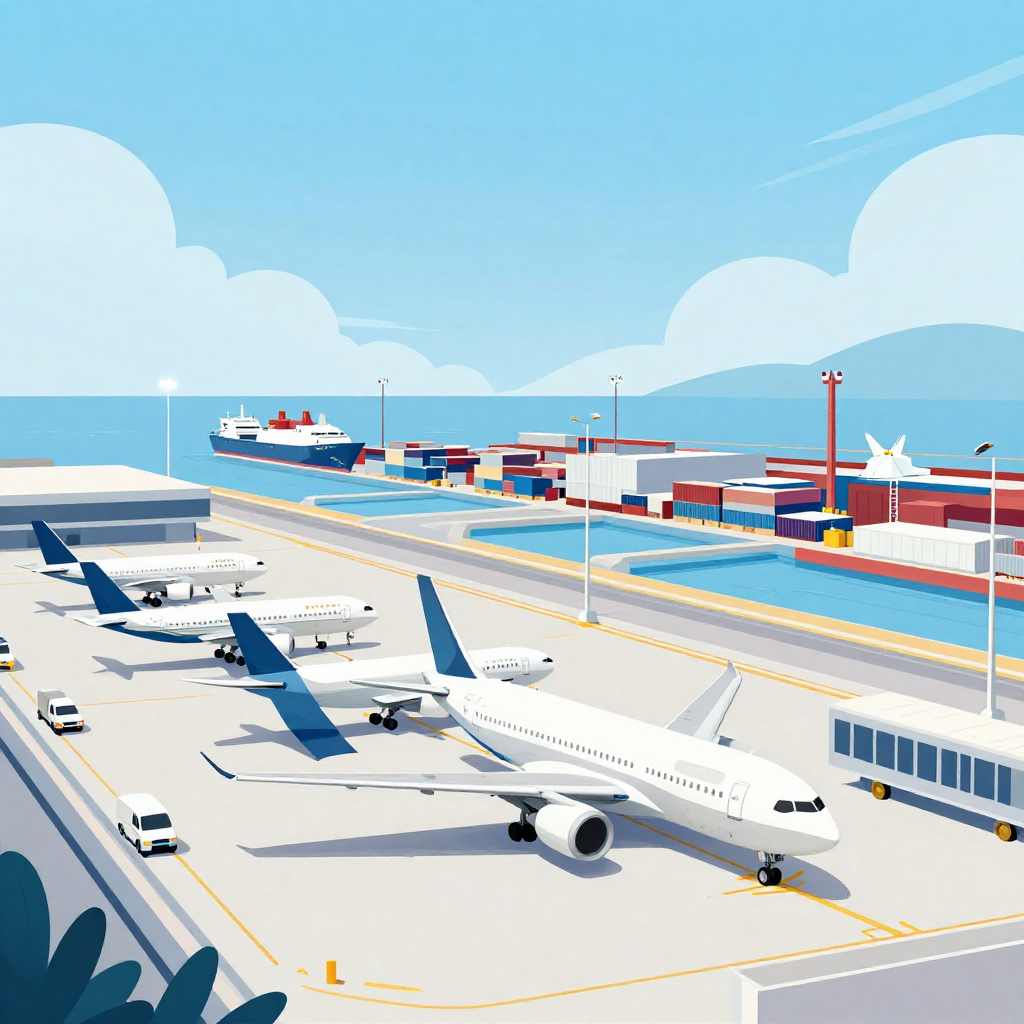
India’s logistics sector has long depended heavily on roads and rails to move goods across its vast geography. However, this traditional approach has its limitations — notably high logistics costs that hover around 13-14% of the country’s GDP, compared to just 8-9% in developed economies. The 2026 Budget is boldly shifting gears by reimagining Indian logistics infrastructure to extend beyond roads and rails. This strategic pivot is designed to unleash efficiencies, bolster exports, and support India’s vision as a global manufacturing powerhouse.
The emerging logistics ecosystem centers around multi-modal connectivity, technology integration, sustainability, and skill development, signaling a holistic transformation. With billions earmarked for innovative infrastructure and digital tools, the government intends to lower congestion, reduce environmental impact, and create jobs in logistics and allied sectors.
This article delves into how the 2026 Budget plans to reshape the logistics landscape in India — what the key initiatives are, why they matter, and the impact they can have on businesses and consumers alike.
The Current Challenge: Why Logistics Costs in India Remain High
India’s logistics challenges have persisted despite ongoing infrastructure investments. Here are some of the core trends:
- Over 60% of freight moves via road, putting immense pressure on highways and creating bottlenecks.
- Railways carry a significant share but often face capacity and last-mile connectivity issues.
- Limited use of inland waterways and air cargo means missed opportunities for faster, cheaper transport.
- Complex and paper-intensive processes at ports and border points cause delays and added costs.
- Environmental impact from predominantly diesel-powered freight vehicles is significant.
Consequently, Indian manufacturing and export sectors face a competitive disadvantage. Reducing logistics costs from 13-14% to nearer global benchmarks is critical for growth.1
[World Bank Logistics Performance Index]
How the 2026 Budget Addresses Beyond Roads and Rails: Key Insights
1. Holistic Multi-Modal Connectivity
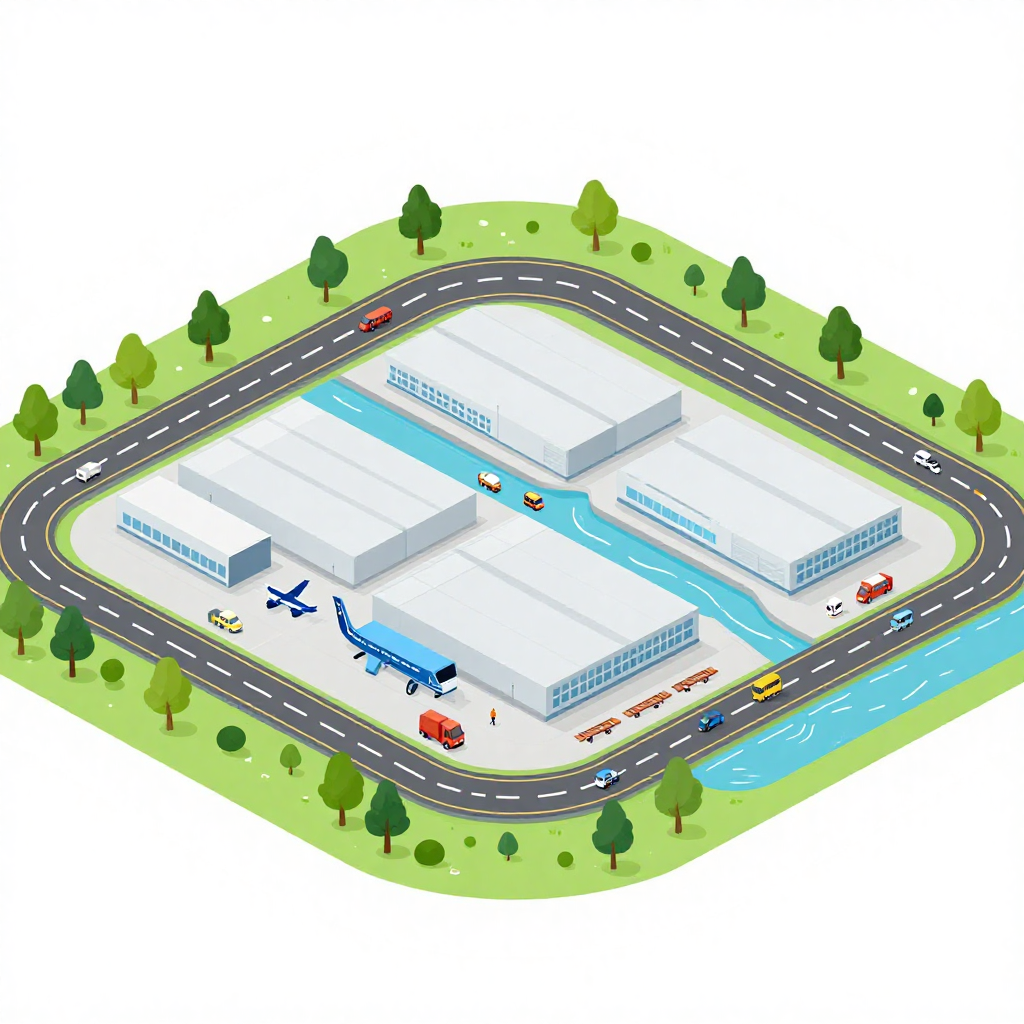
The 2026 Budget elevates Multi-Modal Logistics Parks (MMLPs) as a cornerstone, integrating rail, road, waterways, and air cargo hubs into seamless supply chains. Benefits include:
- Better last-mile connectivity and cargo consolidation.
- Reduced dependency on stressed road networks.
- Reduced transit times and logistical bottlenecks.
These parks will feature warehousing, cold storage, mechanized handling, and customs clearance zones.
2. Embracing Technology and Digitization
Investments will focus on:
- Real-time tracking systems using IoT devices.
- AI-powered supply chain analytics for demand forecasting and route optimization.
- Digital documentation platforms to expedite customs and port operations.
- Blockchain for transparency and fraud reduction.
The result: more efficient, transparent, and reliable logistics operations.
3. Focus on Green Logistics
Aligned with India’s climate goals, the budget accelerates:
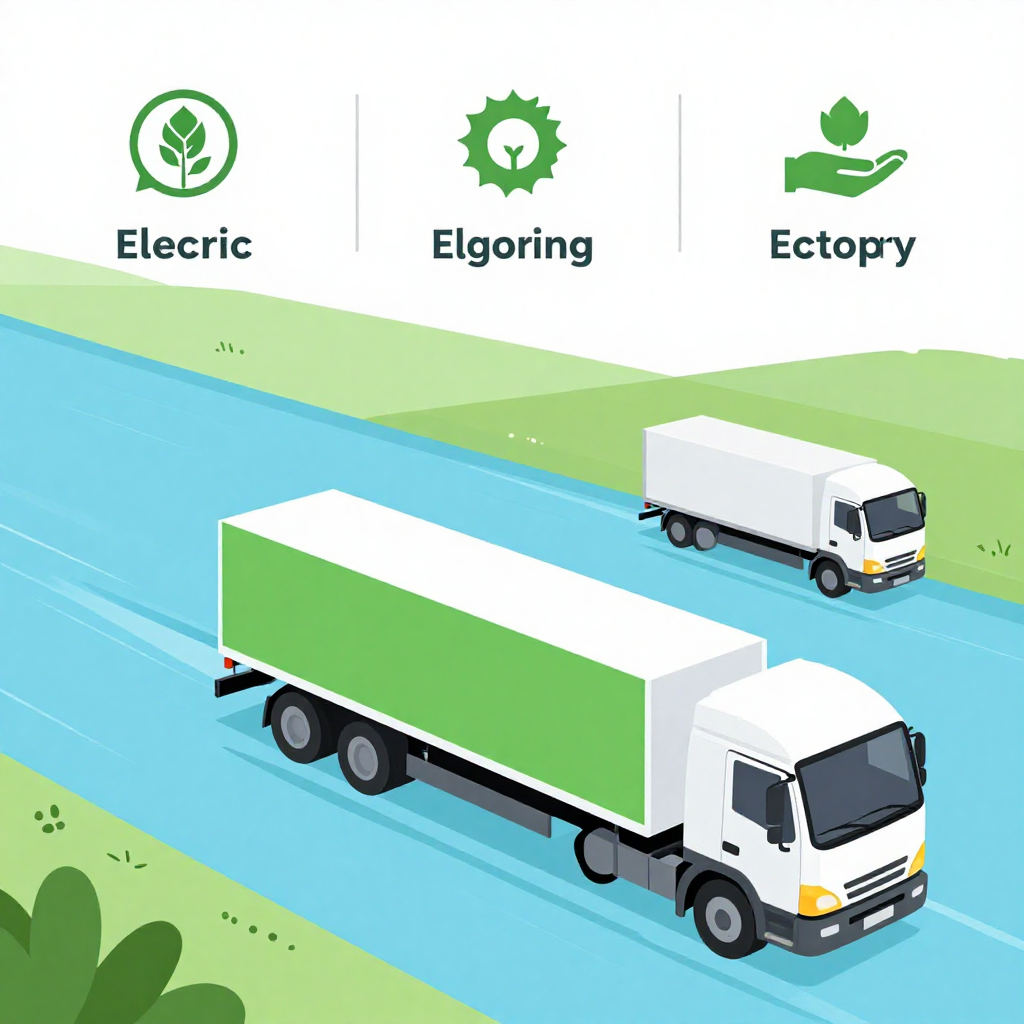
- Electric and hybrid cargo vehicle deployment.
- CNG and hydrogen fueling station infrastructure.
- Promotion of inland waterways as a low-emission freight mode.
These steps anticipate reduced greenhouse gas emissions and urban pollution.
4. Strengthening Air and Waterway Infrastructure
Recognizing the potential of air and maritime logistics:
- Dedicated air cargo terminals are being expanded, targeting perishable goods and fast delivery sectors like pharmaceuticals.
- Ports and inland waterways will be upgraded, unlocking river navigation routes for bulky cargo transport, relieving highways and railroads.
5. Skill Development and Innovation
The budget allocates funds for:
- Training logistics workforce in new technologies like automation and robotics.
- Supporting startups developing innovative logistics solutions.
- Encouraging R&D in supply chain optimization.
This human capital focus ensures long-term sustainability of the sector’s modernization.
Real-World Examples: Success Stories Pointing to a Brighter Future
Multi-Modal Logistics Park at Krishnapatnam Port
The recently inaugurated MMLP here consolidates road, rail, and port operations, enabling faster cargo movement for exports. Early trial runs have reduced transport time by 15%.
Inland Waterways in Assam
Leveraging the Brahmaputra river for freight transport has cut costs for bulk commodities by nearly 20%, easing road congestion in the Northeast.
Digitized Customs Clearance at Mumbai Port
A pilot program using blockchain and AI has reduced clearance time from days to hours, enhancing supply chain visibility. These examples spotlight how infrastructure diversification and digitization yield tangible benefits.
A Step-By-Step Guide to Navigating the New Logistics Landscape
- Identify multi-modal connectivity nodes: Choose warehouses near or within MMLPs to leverage integrated transport options.
- Adopt digital tracking tools: Implement real-time cargo monitoring to improve supply chain transparency.
- Incorporate green logistics practices: Shift to electric vehicles and collaborate with inland waterway operators.
- Engage with air cargo hubs: For perishable or high-value goods, leverage expanded air freight terminals.
- Upskill workforce: Invest in training programs for logistics staff to utilize new technologies.
- Partner with startups: Collaborate with innovators offering automation and robotics solutions.
- Advocate for policy incentives: Align with government schemes to benefit from subsidies and grants.
- Measure and optimize: Use data analytics continuously to streamline operations and reduce costs.
This pragmatic approach allows businesses to capitalize on the budget’s reforms effectively.
Benefits and Practical Tips for Businesses
- Lower logistics costs by reducing reliance on costly road transport.
- Faster delivery times through improved infrastructure and technology.
- Reduced carbon footprint by embracing green logistics.
- Enhanced supply chain visibility with digitized tracking.
- Access to skilled workforce trained in cutting-edge logistics management.
- New market opportunities via export-friendly air and waterway networks.
- Reduced paperwork and delays through streamlined customs clearance.
- Collaboration potential with innovative startups and technology providers.
Tip: Stay updated with government announcements related to MMLPs and make early moves to position your supply chain accordingly.
Looking Ahead: Future Trends Shaping Indian Logistics Post-2026 Budget
- Widespread adoption of autonomous vehicles for freight transport.
- Blockchain becoming integral to supply chain security and transparency.
- Expanded inland waterways network with smart navigation systems.
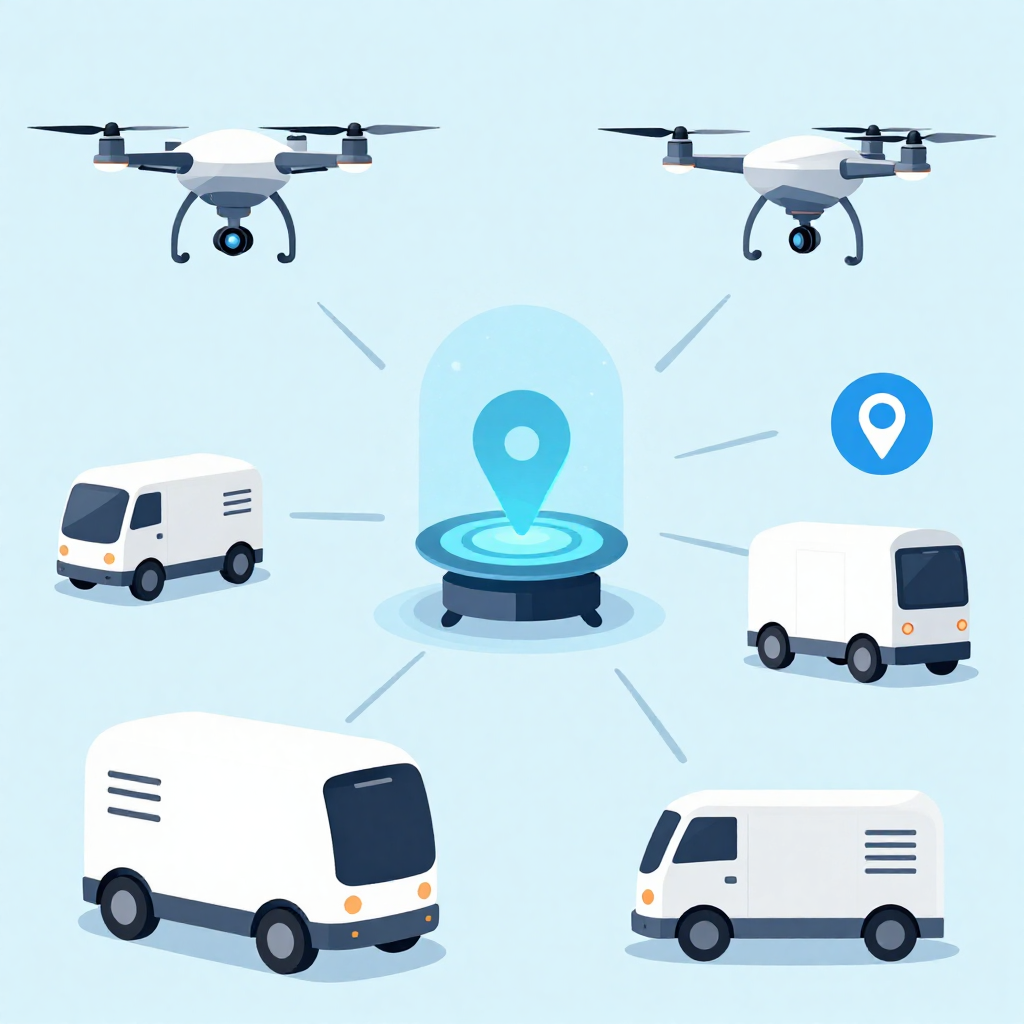
- Increased use of drones for last-mile delivery, especially in rural areas.
- Greater public-private partnerships to fund logistics innovation.
- Integration of 5G and AI for real-time, predictive supply chain management.
- Circular economy logistics promoting reuse and recycling in packaging and warehousing.
The 2026 Budget is a stepping stone toward these futuristic possibilities, positioning India to compete globally.
Conclusion
The 2026 Budget’s vision beyond roads and rails marks a transformative moment for Indian logistics infrastructure. By fostering multi-modal connectivity, embracing technology, pursuing green logistics, and developing human capital, India is laying the foundations for a more efficient, cost-effective, and sustainable supply chain ecosystem.
Businesses that adapt early to these changes stand to gain significant advantages — lower costs, faster deliveries, and compliance with evolving sustainability standards. For the country, the budget’s reforms represent a pivotal leap toward becoming a global manufacturing and export hub.
Want to future-proof your logistics strategy in light of these reforms? Contact us today!
FAQ
Q1: What are Multi-Modal Logistics Parks (MMLPs)?
A: MMLPs are logistics hubs integrating road, rail, air, and waterways, facilitating seamless cargo movement with modern storage, customs, and handling facilities.
Q2: How does digitization improve logistics?
A: Digital tools like IoT, AI, and blockchain enhance real-time tracking, documentation efficiency, transparency, and safety across supply chains.
Q3: How is the 2026 Budget supporting green logistics?
A: The budget promotes electric/hybrid vehicles, infrastructure for clean fuels, and usage of inland waterways to reduce emissions.
Q4: Will air cargo infrastructure upgrades benefit small businesses?
A: Yes, faster and specialized air terminals help small exporters ship perishable and time-sensitive goods competitively.
Q5: How can companies benefit from logistics skill development programs?
A: Training equips employees to use new technology, improving efficiency and reducing operational errors.
Related Posts
Recent Blog
End the Hassle of Managing Multiple Courier Logins
Show the Pain of Juggling 5+ Courier Logins and How…
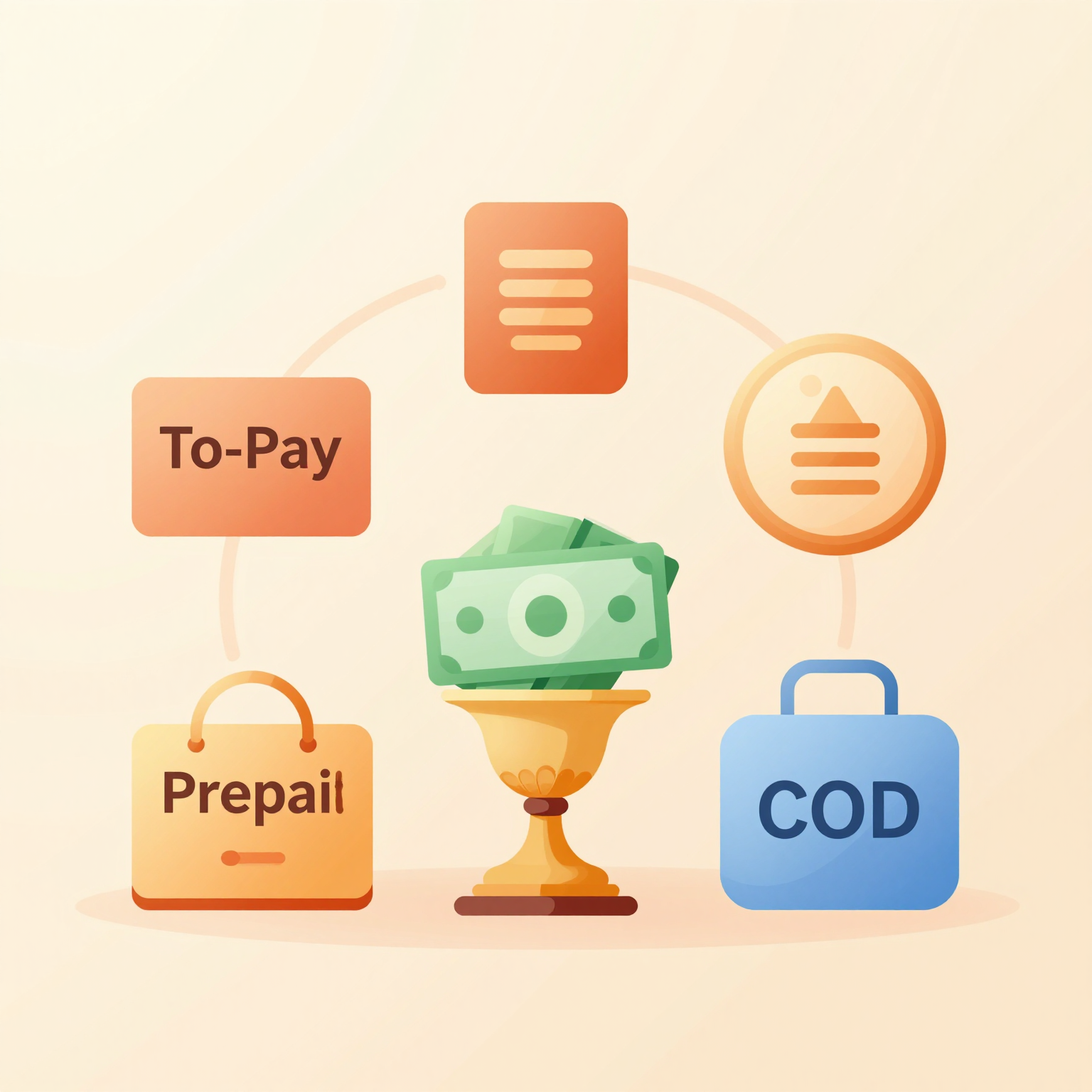
To-Pay vs Prepaid vs COD Explained for B2B Sellers
Understanding To-Pay vs Prepaid vs COD: What Every B2B Seller…
Complete Guide to Export Your Product from India Successfully
Here's the provided markdown converted to WordPress HTML format: I…
