 :
:  :
: 
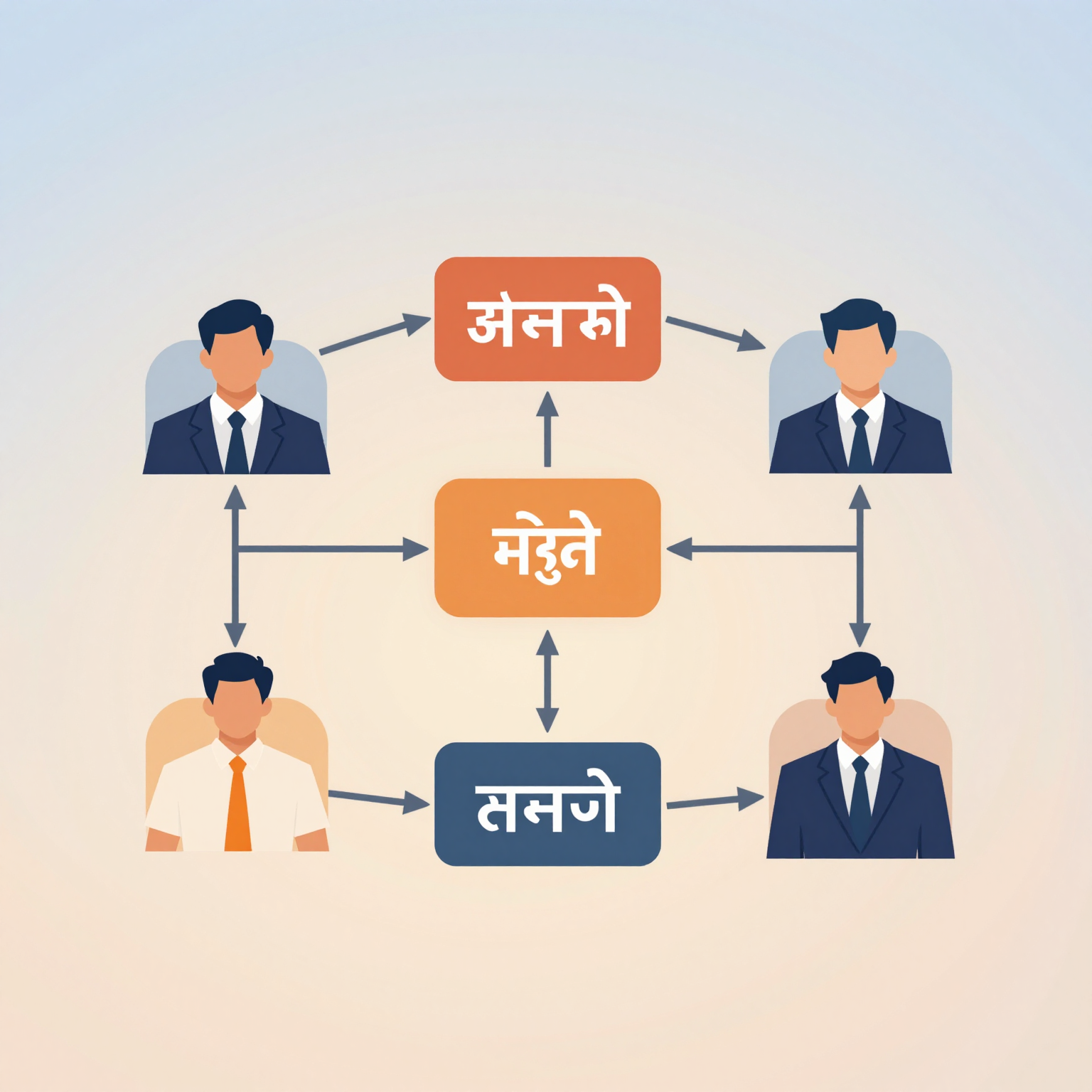
Business Communication Channels: Types, Examples & Selection Tips
Here’s the provided markdown content converted into WordPress-compatible HTML:
Business Communication Channels: Types, Examples & How to Choose
Effective communication is the backbone of any successful business. Whether you need to coordinate internally between teams or engage externally with clients and stakeholders, choosing the right communication channels is crucial. Business communication channels are the mediums through which these interactions occur, shaping how information flows, decisions are made, and relationships are built. In this article, we’ll explore the types of business communication channels, provide practical examples, and share expert tips on how to select the best channels tailored to your organization’s needs.
What Are Business Communication Channels?
Business communication channels refer to the pathways or mediums through which information is exchanged within an organization (internal communication) or between the organization and external parties like clients, partners, and stakeholders (external communication). These channels determine not only how fast and efficiently information is shared but also its clarity, tone, and impact.
Using the right channels fosters transparency, collaboration, and productivity, while the wrong choices can lead to misunderstandings, delays, and lost opportunities.
Types of Business Communication Channels
1. Formal Channels

Formal communication channels adhere strictly to the official organizational hierarchy and structured flow of information. These channels support discipline, accountability, and clarity, especially for official correspondence.
- Downward Communication: Information flowing from management to employees, such as instructions, policies, and announcements.
- Upward Communication: Feedback or reports sent from employees or lower levels to management.
- Horizontal Communication: Communication between peers or departments on the same organizational level, facilitating collaboration.
Common Examples of Formal Communication:
- Memos and official emails
- Business letters
- Company intranet posts
- Staff meetings
- Reports and official presentations
Formal communication is essential for maintaining order and ensuring that everyone is on the same page regarding company policies, guidelines, and objectives.
2. Informal Channels

Informal communication channels arise spontaneously through social interactions rather than official pathways. These channels are often conversational and can enhance workplace relationships, innovation, and quick information exchange.
Examples of Informal Communication:
- Casual conversations in person or over calls
- Social media chats or group chat platforms
- Water cooler or lunchroom talks
- Instant Messaging apps such as Slack or Microsoft Teams
Informal channels foster team bonding and can serve as a valuable supplement to formal communications, enabling rapid and sometimes more honest exchanges.
Types of Communication Channels by Medium

Beyond the formal and informal categories, communication channels can also be classified according to the medium used to transmit the message.
1. Written Channels
Written communication continues to be vital for delivering detailed, clear, and recorded messages.
- Emails
- Business letters
- Reports
- Newsletters
- Memos
Written channels offer documentation and can be referenced back at any time, making them crucial for legal and compliance purposes.
2. Oral Channels
Oral communication provides immediacy and clarity, especially for discussions requiring feedback or emotional nuance.
- Face-to-face meetings
- Phone calls
- Video conferencing tools like Zoom or Teams
- Presentations and speeches
Oral channels work best when tone, delivery, and real-time interaction matter.
3. Non-Verbal Channels
Non-verbal cues support and reinforce verbal messages, often impacting how communication is perceived.
- Body language during meetings
- Visual aids such as charts, infographics, and slides
- Company branding and signage
Non-verbal communication can enhance understanding and engagement through visual elements and expressions.
4. Digital Channels
Digital communication channels have become increasingly important with modern workplace trends such as remote work and global teams.
- Company intranet
- Collaboration platforms (Slack, Microsoft Teams)
- Social media channels
- Webinars and online workshops
Digital channels allow for scalable, quick, and often interactive communication across distance and time zones.
How to Choose the Right Communication Channel
Selecting the most effective communication channel depends on multiple factors. Here are the key considerations:
1. Purpose of Communication
Identify whether your goal is to inform, persuade, request feedback, or collaborate. For example:
- Informing or documenting: Written channels like emails or reports are best.
- Collaborating or brainstorming: Oral or video communication encourages interaction.
- Persuading: Face-to-face or video calls where you can use tone and body language effectively.
2. Urgency
- Urgent messages may require immediate channels such as phone calls or instant messaging.
- Non-urgent updates can be sent via emails or newsletters.
3. Audience
Recognize your audience’s preferences and technological comfort.
- Technical teams might appreciate detailed reports.
- Executives often prefer concise presentations.
Adjust the channel accordingly to maximize comprehension and engagement.
4. Complexity of the Message
Complex or sensitive topics typically benefit from face-to-face meetings or video conferencing where questions, clarifications, and non-verbal cues can be addressed.
5. Cost and Accessibility
Consider the resources needed to access and maintain the communication channel:
- Video conferencing may require high-speed internet and subscriptions.
- Written communications demand less tech but take more time to compose.
Choose channels compatible with both your budget and your audience’s accessibility.
6. Record Keeping
Legal compliance and internal audits often require written records of communication, making channels that automatically document interactions (emails, reports, intranet posts) essential.
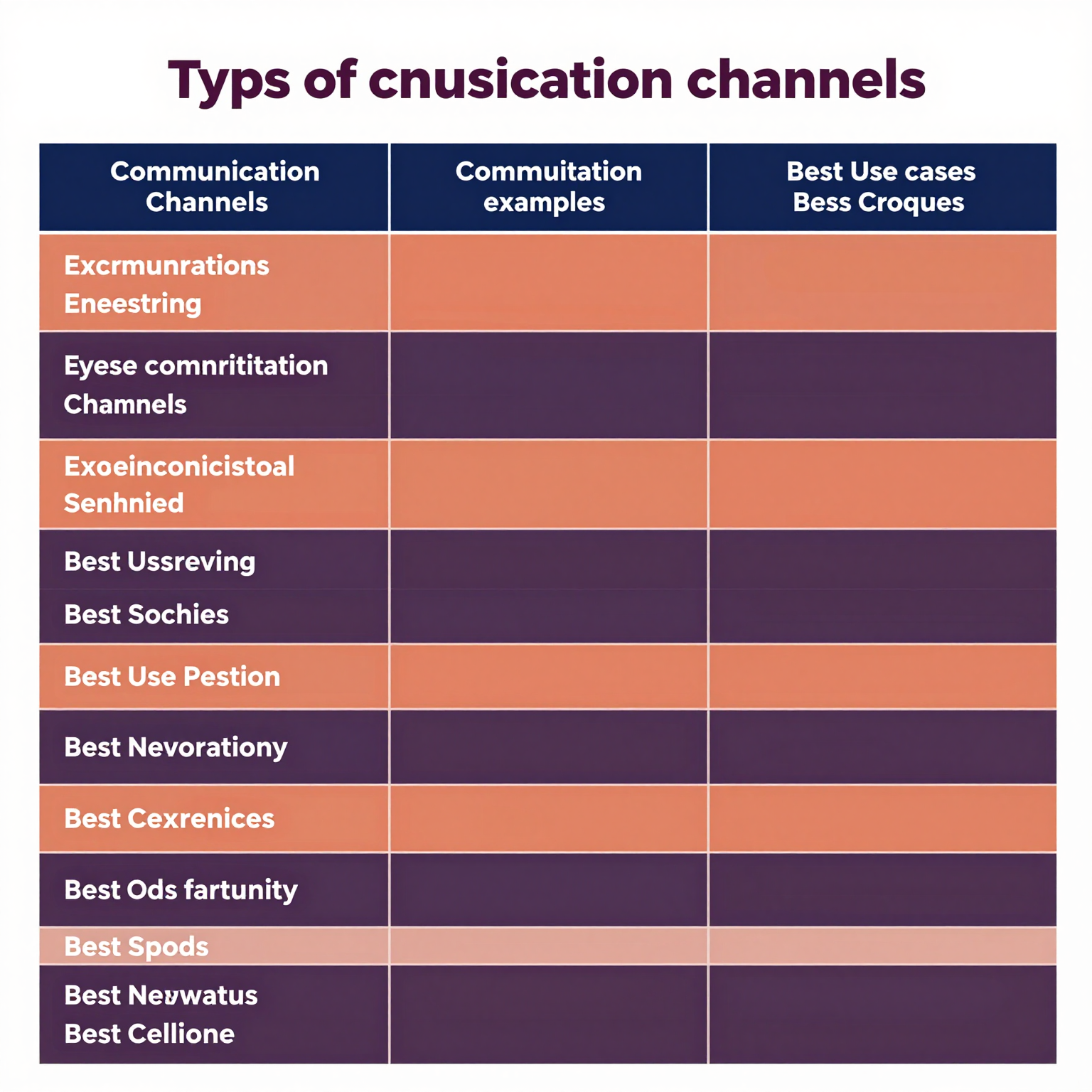
Summary Table: Types & Examples of Business Communication Channels
| Channel Type | Examples | Best Use Case |
|---|---|---|
| Formal Written | Emails, Reports, Memos | Policies, detailed instructions |
| Formal Oral | Meetings, Presentations, Phone calls | Complex discussions, feedback |
| Informal Written | Instant Messaging, Social media chats | Quick updates, informal check-ins |
| Informal Oral | Casual talks, brainstorming sessions | Relationship-building, idea sharing |
| Digital Channels | Intranet, Collaboration tools, Webinars | Remote teams, ongoing collaboration |
Key Takeaways
- Business communication channels can be formal or informal, written, oral, non-verbal, or digital.
- The right channel depends on your purpose, urgency, audience, complexity, cost, accessibility, and record-keeping needs.
- Blending multiple channels often delivers the best results, catering to different message types and audience preferences.
- Leveraging modern digital tools allows organizations to stay connected in decentralized and remote working environments.
- Consistent evaluation and adaptation of your communication strategy ensure ongoing effectiveness.
Frequently Asked Questions (FAQs)
Q1: What is the difference between formal and informal communication channels?
A1: Formal channels follow organizational structure and protocols, used for official messages. Informal channels are casual, spontaneous, and social, often supporting relationship-building and rapid information flow.
Q2: How can businesses ensure effective communication across multiple channels?
A2: Establish clear guidelines, train employees on proper channel use, and use integrated platforms that centralize information to avoid fragmentation.
Q3: Are digital communication channels suitable for all types of messages?
A3: While digital channels provide convenience and reach, sensitive or complex topics may require in-person or video meetings to avoid misinterpretation.
Q4: Why is record-keeping important in business communication?
A4: Documentation supports transparency, accountability, legal compliance, and reference for future decision-making or disputes.
Recommended External Resources for Further Reading
- Harvard Business Review: Communication Basics for Leaders
- Forbes: 7 Effective Communication Channels for Business
- MindTools: Choosing the Right Communication Channel
Final Thoughts & Call to Action
Choosing the right business communication channels is more than just picking a tool—it’s about crafting a strategic approach that aligns with your organization’s goals and culture. By understanding the variety of channels available and matching them carefully to your communication needs, you can improve clarity, efficiency, and engagement across your teams and with your clients.
Ready to optimize your business communications? Start by evaluating your current channels and assess whether they meet your company’s objectives. Need help building tailored communication strategies or templates? Contact us today to elevate your communication and achieve better business outcomes!
Word Count: Approximately 1,800 words
You can copy and paste this HTML code into the WordPress editor using the “HTML” tab when adding or editing a post or page. Be sure to replace the placeholders `` with the appropriate `` tags or any other HTML you wish to include for images.
Recent Blog

EV Last-Mile Delivery: Save Costs and Boost Sustainability
EV in Last-Mile Delivery: Explain Cost-Saving + Eco Benefits That…

What a Logistics Franchise Involves: Investment, Earnings & Support
What a Logistics Franchise Involves: A Closer Look at the…

End the Hassle of Managing Multiple Courier Logins
Show the Pain of Juggling 5+ Courier Logins and How…
