 :
:  :
: 
Complete Guide to Export Your Product from India Successfully
Here’s the provided markdown converted to WordPress HTML format:
I Want to Export My Product from India: Complete Guide
Exporting your product from India can be a rewarding venture, opening doors to international markets and increasing your business revenue. However, the process involves careful planning, compliance with legal requirements, and understanding global trade nuances. This comprehensive guide will walk you through every critical step to successfully export your product from India.
Complete Guide to Exporting Products from India
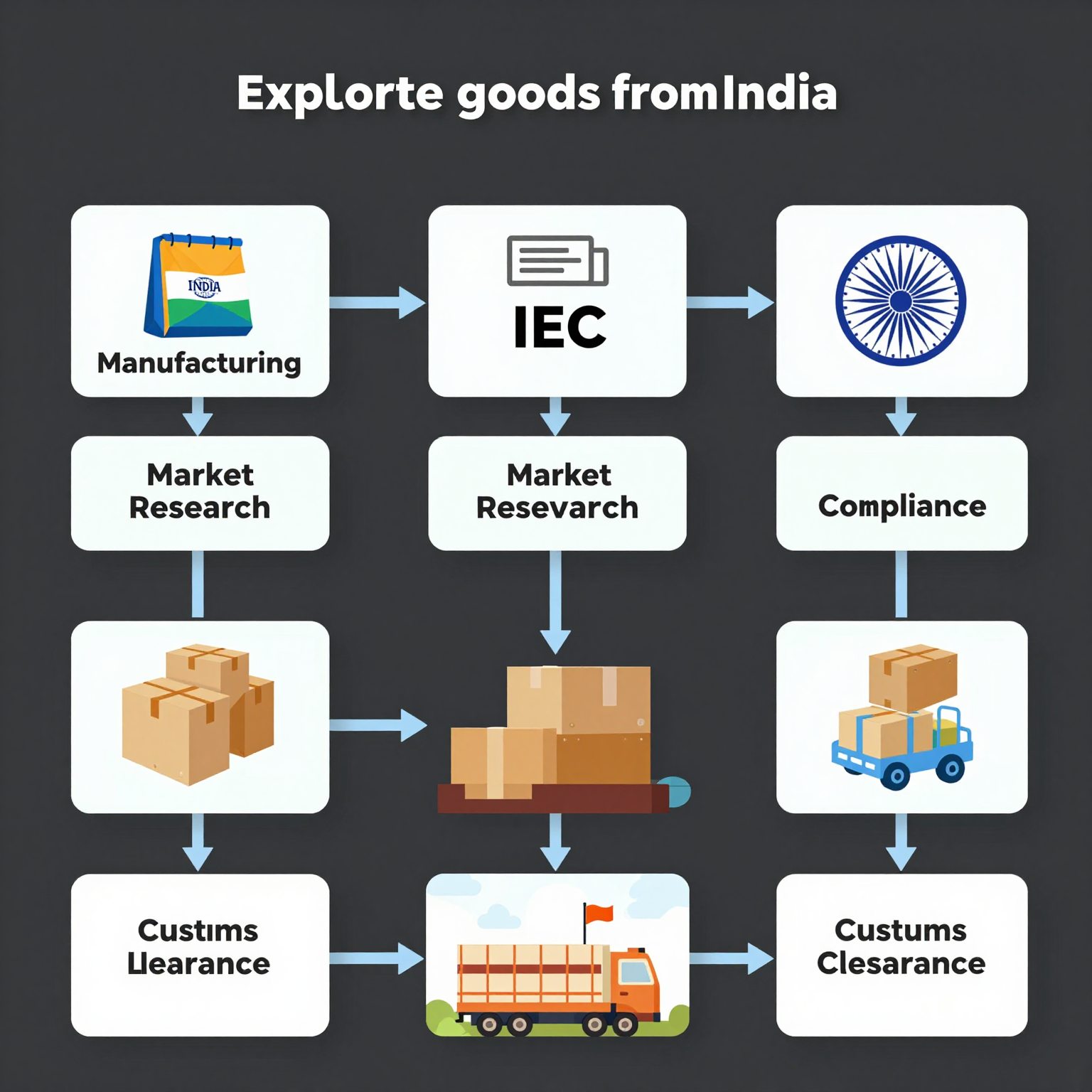
1. Understand the Export Process
Exporting is more than just shipping goods abroad. It starts with manufacturing or procuring quality products in India and ends when the buyer receives them in another country. You must navigate international trade laws, customs regulations, quality standards, and logistics.
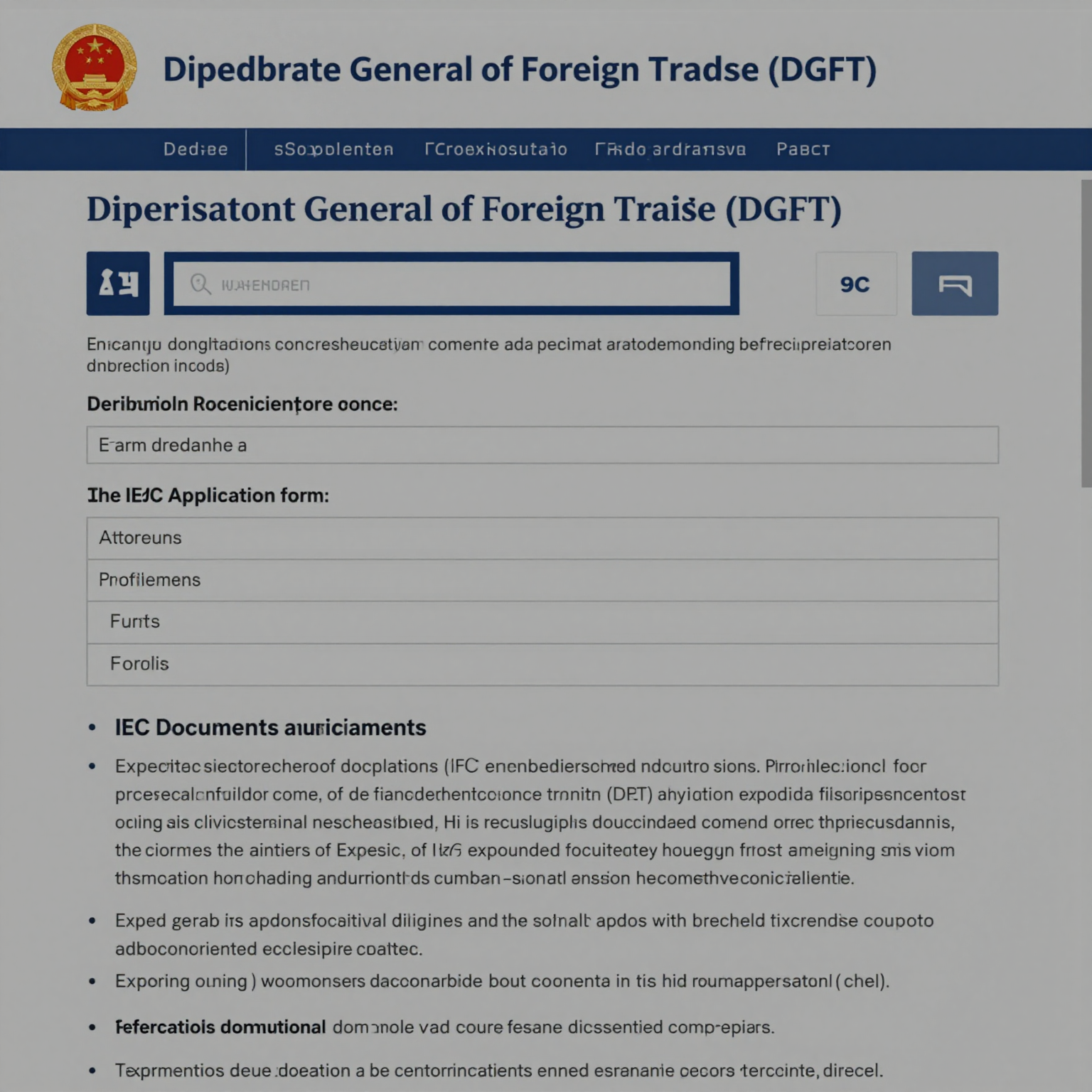
India, being a major exporter, has specific rules in place overseen by the Directorate General of Foreign Trade (DGFT) and Indian Customs. Understanding these basics reduces risks and increases your chances of a smooth export journey.
2. Obtain an Importer Exporter Code (IEC)
What is IEC?
The Importer Exporter Code (IEC) is a mandatory 10-digit code issued by the DGFT. Without this code, you cannot legally export or import goods from India.
How to Apply
The IEC application process is straightforward and completed online:
- Visit the official DGFT website: dgft.gov.in
- Fill out the IEC application form (ANF 2A).
- Upload essential documents such as:
- PAN card of the applicant/entity
- Aadhaar card or Passport for identity proof
- Bank account proof (cancelled cheque or bank certificate)
- Address proof of the business
- Submit the form with the appropriate fees.
- IEC is typically processed within 3-7 working days.
Obtaining your IEC promptly will allow you to proceed with other export activities.
3. Choose Your Product and Market
Before diving into export logistics, research is your best friend.
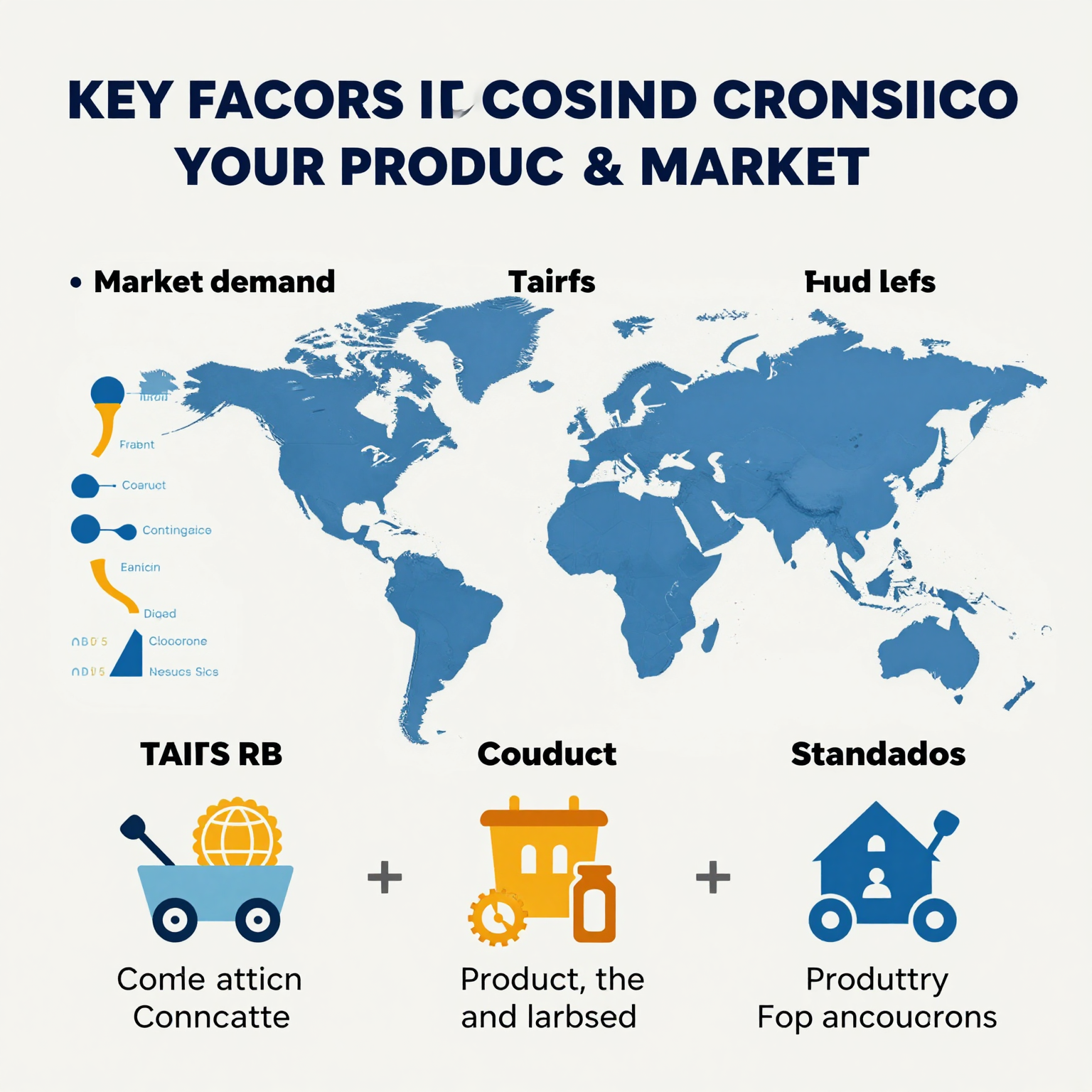
- Identify market demand: Understand which countries have a strong demand for your product. Use trade databases and consult Export Promotion Councils.
- Consider tariffs and trade agreements: Some countries have favorable trade agreements with India, reducing import duties.
- Assess product standards: Different countries have various quality, packaging, and labeling standards. Complying will prevent your consignment from getting rejected.
4. Comply with Export Licensing and Registration
Not every product requires an export license, but it’s crucial to verify.
- Export License: Some agricultural products, chemicals, defense-related items, and endangered species require government permits.
- Registration Cum Membership Certificate (RCMC): Membership with Export Promotion Councils (EPCs) provides advantages like export incentives and market assistance.
- Restricted and Prohibited Items: Keep updated on DGFT notifications about items restricted or banned from export.
Regularly checking the DGFT website will keep you informed.
5. Pricing and Costing
Accurate pricing is key to profitability.
- Calculate the cost of production or procurement.
- Add shipping, insurance, customs duties, and taxes applicable for export.
- Include your profit margin considering global competition.
- Decide on payment terms and currency (USD, Euro, etc.) acceptable to you and the buyer.
Tools like export costing calculators can be useful at this stage.
6. Packaging and Labeling
International standards for packaging ensure your products reach their destination safely.
- Use durable and tamper-proof packaging materials.
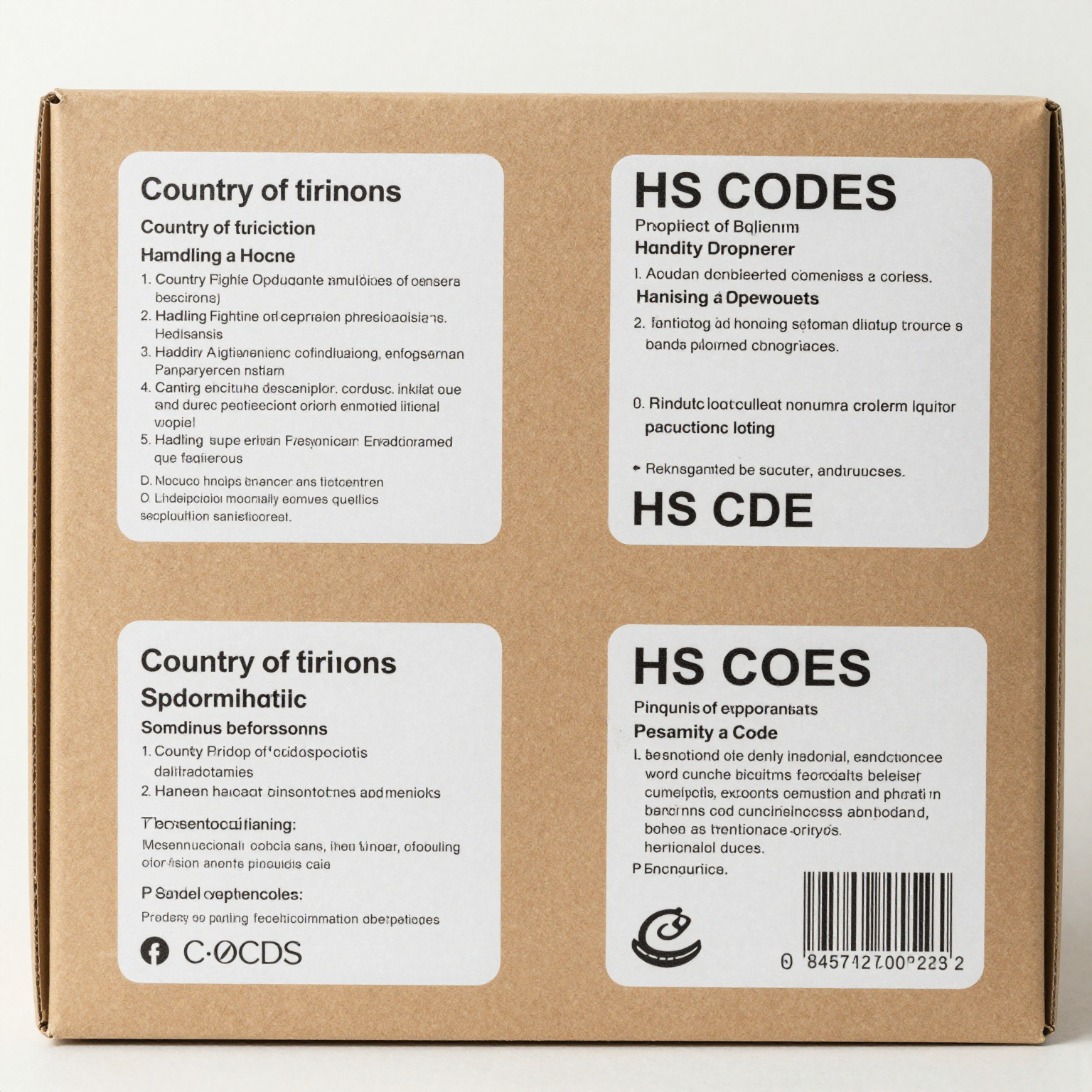
- Include clear labels showing:
- Country of origin
- Weight and dimensions
- Handling instructions (fragile, keep dry, etc.)
- Harmonized System (HS) Codes to identify goods in customs
Correct packaging and labeling reduce damage risk and smoothen customs clearance.
7. Choose the Mode of Transport
Select based on urgency, cost, and infrastructure:
- Sea freight: Cheapest and preferred for bulky shipments but slower.
- Air freight: Faster but more expensive; best for perishable or high-value goods.
- Road and rail: Used for exports to neighboring countries via land borders.
Coordinate with freight forwarders or logistics experts who can advise on the best route and handle documentation.
8. Documentation Required
Proper paperwork ensures hassle-free customs clearance.
| Document | Description |
|---|---|
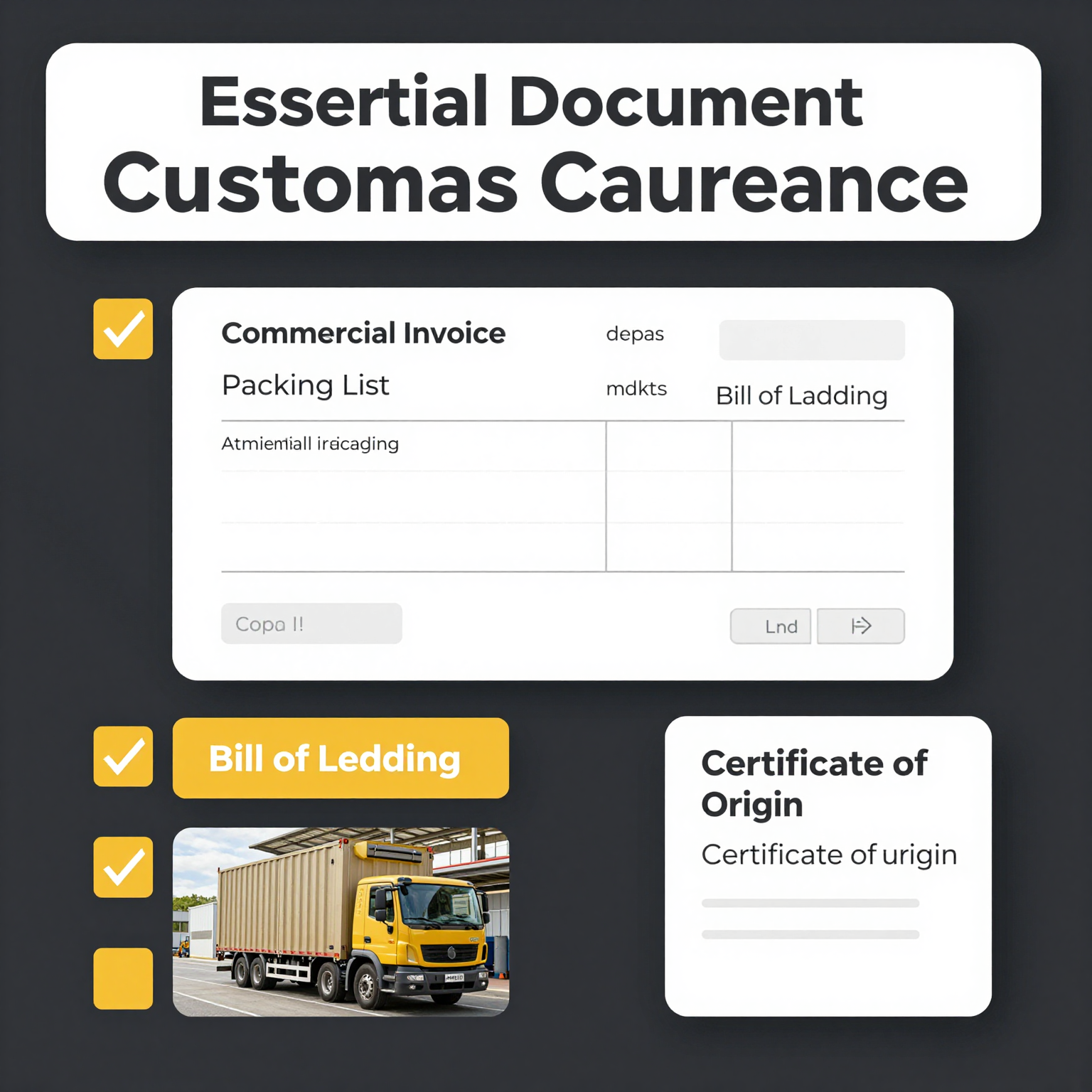
| Commercial Invoice | Details buyer/seller info, product description, quantity, price |
| Packing List | Specifies quantity, weight, and packaging of each shipment |
| Bill of Lading / Airway Bill | Contract between shipper and carrier |
| Certificate of Origin | Verifies where the goods were manufactured |
| Insurance Certificate | Shows goods are insured during transit |
| Export Declaration Form | Submitted to customs to declare goods being exported |
| Letter of Credit (LC) / Payment Terms | Assures payment terms and security |
Consult your freight forwarder to ensure all documentation matches shipment details.
9. Customs Clearance and Shipping
Once your shipment arrives at the port/airport:
- Present all necessary documents for customs clearance.
- Pay any applicable customs duty or export taxes.
- Goods may undergo inspection or sampling by customs.
- Upon clearance, goods are dispatched to the consignee.
Smooth communication with customs officials and freight handlers is essential at this stage.
10. Payment and Finance
Secure payment methods protect both the exporter and importer.
- Letter of Credit (LC): Guarantees payment upon fulfilling shipment conditions.
- Advance Payment: Buyer pays before shipment; less risky for exporters.
- Escrow Services: Third-party holds payment securely during transaction.
India offers several export finance schemes through banks and agencies such as the Export Credit Guarantee Corporation (ECGC) which mitigates export risks. Additionally, government export incentive programs like the Merchandise Exports from India Scheme (MEIS) offer financial rebates to exporters.
Stay updated with your bank about new finance options tailored for exporters.
Additional Tips for Export Success
- Stay Updated: International trade policies evolve, so keep yourself informed.
- Leverage Export Promotion Councils (EPCs): Stay connected to get market insights and logistical support.
- Build Networks: Establish strong relationships with buyers, freight forwarders, and customs officials.
- Quality Control: Ensure your products meet the quality and safety standards requested by the importing country.
Useful Resources
- Directorate General of Foreign Trade (DGFT): https://dgft.gov.in
- Indian Customs EDI Gateway (ICEGATE): https://icegate.gov.in
- Federation of Indian Export Organisations (FIEO): https://fieo.org.in
- Export Credit Guarantee Corporation of India (ECGC): https://ecgc.in
Key Takeaways
- Obtain your Importer Exporter Code (IEC) to legally start exporting.
- Conduct thorough market research before selecting your product and target countries.
- Ensure your shipment complies with licensing, customs, packaging, and documentation requirements.
- Choose the most suitable mode of transport balancing cost and delivery time.
- Use secure payment methods and explore export finance opportunities and incentives.
- Regularly update yourself with trade policies, and build a reliable network for smoother operations.
Frequently Asked Questions (FAQs)
Q1: Is an IEC mandatory for all exporters in India?
Yes, the Importer Exporter Code is compulsory for all exporters and importers conducting international trade.
Q2: How long does it take to get an IEC?
Typically, the IEC is issued within 3-7 working days after submitting a complete application online.
Q3: Can I export products without an export license?
Some products do not require an export license. However, certain items, such as defense goods or hazardous chemicals, need specific permissions.
Q4: What payment methods are safest for exporters?
Letters of Credit (LC) and advance payment are the safest. Always agree on secure payment terms to minimize risks.
Q5: Where can I get help with export procedures?
Export Promotion Councils (EPCs), DGFT regional offices, and freight forwarders provide valuable assistance.
Ready to Export Your Product from India?
Embarking on your export journey is exciting but requires careful preparation. By following this guide, you can navigate the complexities with confidence and tap into global markets effectively. Start by applying for your IEC today, and don’t hesitate to seek expert advice when needed.
Let us help you draft your IEC application, prepare export documents, or understand customs classification—reach out now and take your first step towards successful international trade!
Word Count: Approximately 1850 words
This HTML will render correctly in WordPress and maintain the formatting from your original markdown. Just make sure to replace the placeholders like `` with actual images or appropriate media blocks in your WordPress editor.
Recent Blog

End the Hassle of Managing Multiple Courier Logins
Show the Pain of Juggling 5+ Courier Logins and How…
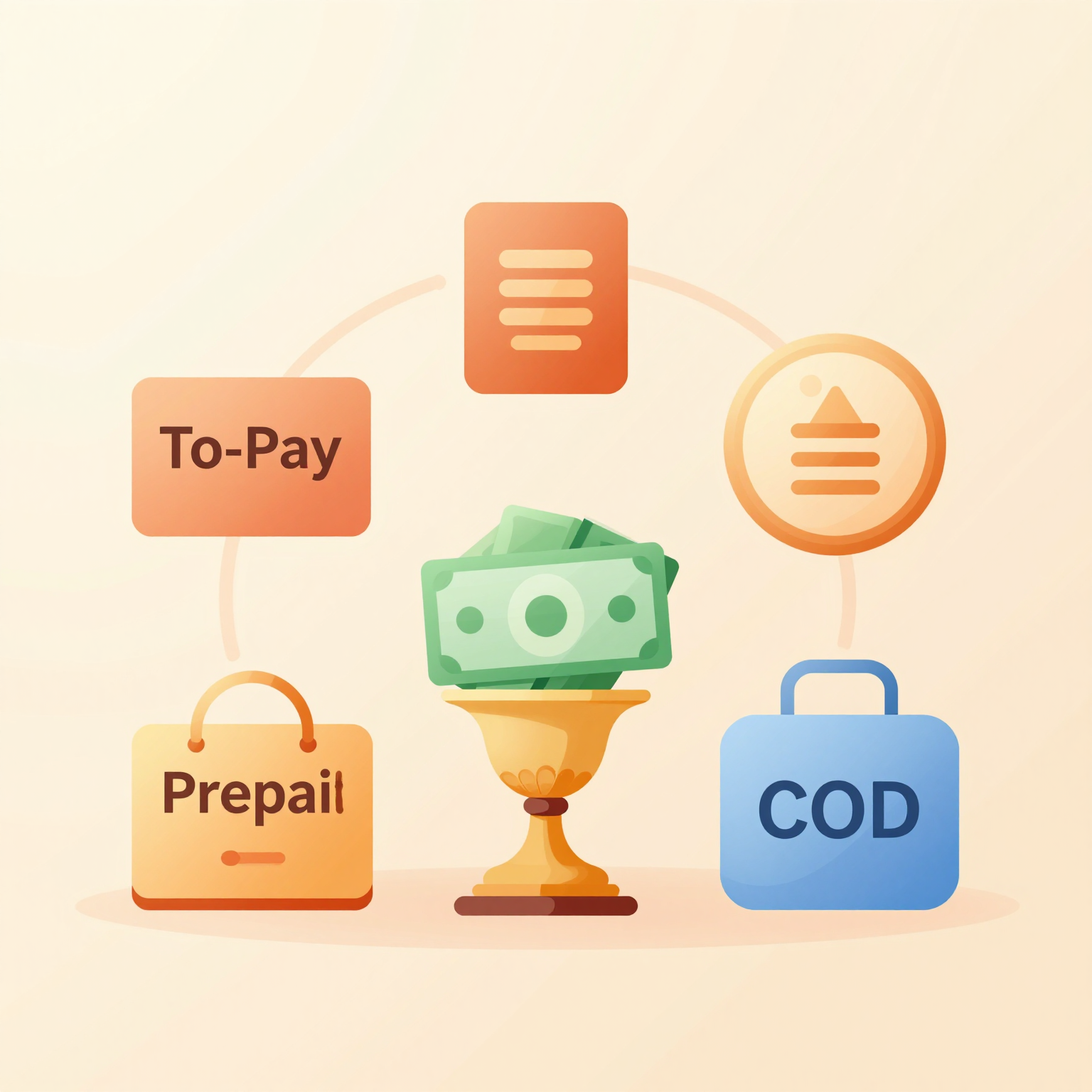
To-Pay vs Prepaid vs COD Explained for B2B Sellers
Understanding To-Pay vs Prepaid vs COD: What Every B2B Seller…
Shipping Ease Comparison Across Top E-commerce Platforms
Compare 5 Platforms on Shipping Ease: Explore EcomLogisticsPark Integration with…
