 :
:  :
: 

Courier API Automation for Faster Shipping and Efficiency
Courier API Integration for Automation: A Simple Technical Guide for Businesses Moving Towards Automation
Estimated reading time: 8 minutes
Key Takeaways
- Courier API integration can significantly streamline logistics and shipping operations.
- Automation helps reduce manual errors and improves customer satisfaction.
- Real-time tracking and shipping features are essential for modern logistics.
- Choosing the right API provider simplifies integration and enhances efficiency.
- Future trends include AI, IoT, and eco-friendly shipping solutions.
Table of Contents

Introduction
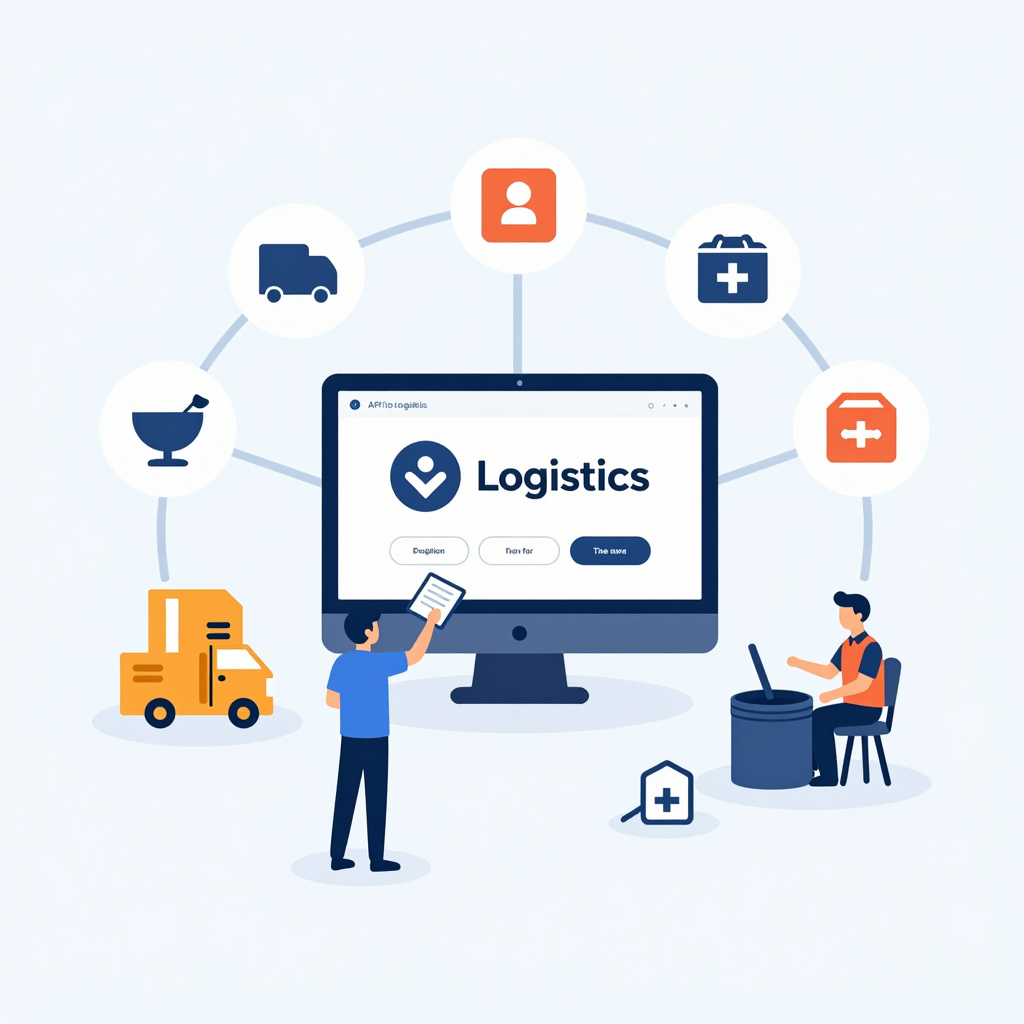
In today’s fast-paced, digital-first world, courier API integration for automation has become a crucial enabler for businesses looking to streamline their logistics and shipping operations. Whether you run an e-commerce store in India or a global manufacturing line, automating courier services reduces manual effort, errors, and delays — all while enhancing customer satisfaction.
Businesses moving towards automation now demand seamless, real-time shipping solutions that integrate directly with their order management, inventory systems, and customer portals. This is where tech-enabled logistics platforms come in, offering consolidated APIs that connect you with multiple courier services such as FedEx, DHL, UPS, and more, via just a single integration.
This article provides a technical yet simple guide to help businesses of all sizes understand the benefits, process, and best practices for integrating courier APIs — enabling faster order fulfillment, tracking transparency, and cost-effective logistics management.
Why Automate Courier Services? The Rising Trend

The logistics industry is rapidly evolving, driven by growing e-commerce volumes and customer expectations for faster delivery. According to Statista, global parcel shipments topped 103 billion in 2022 and are expected to keep rising. Businesses face pressure to deliver packages quickly while keeping operational costs manageable.
Manually managing shipments creates bottlenecks — from creating labels and booking pickups to updating customers about delivery status. This often results in:
- Delays and failed deliveries
- Increased operational costs
- Customer dissatisfaction
Automation through courier APIs helps businesses overcome these challenges by integrating essential shipping functions directly into their software stack. Now, shipping labels can be generated instantly, orders tracked in real-time, and notifications sent automatically, all without human intervention.
Whether you’re a small retailer or an enterprise, embracing these technologies is no longer optional — it’s a competitive necessity.
Key Benefits of Courier API Integration
Automating courier operations delivers multiple tangible benefits that boost both efficiency and customer experience:
- Faster Order Processing: Automate label creation and shipping request submissions to reduce lead times.
- Real-time Tracking: Instantly update customers with accurate shipment status, reducing support queries.
- Cost Reduction: Minimize manual errors, optimize courier selection, and avoid costly delays.
- Scalability: Manage high order volumes during peak seasons effortlessly.
- Improved Customer Experience: Provide full transparency on shipment progress, boosting loyalty.
Many businesses also gain data-driven insights that allow further optimization — such as identifying the fastest couriers, peak shipping times, or routes prone to delays.
Step-by-Step Guide to Integrate a Courier API
Integrating a courier API might seem overwhelming, but following these straightforward steps can ease your journey:
1. Choose the Right Courier API Provider
Look for a platform that offers:
- Multi-courier support (FedEx, DHL, UPS, USPS, others)
- Real-time tracking APIs
- Shipping label generation capabilities
- Rate calculation and comparison APIs
- Booking and cancellation features
- Webhook support for receiving automatic updates
A tech-enabled logistics platform that consolidates courier services into one API simplifies integration and maintenance.
2. Obtain API Credentials
Register with the courier or logistics platform to access sandbox and production environments. Retrieve:
- API key(s)
- Secrets or OAuth tokens for secure authentication
Keep these credentials confidential.
3. Review API Documentation Thoroughly
Common endpoints include:
Create ShipmentGenerate Shipping LabelTrack ShipmentCancel ShipmentGet Shipping Rates
Understanding request/response formats and error codes is essential for smooth implementation.
4. Develop Integration Logic
A typical workflow:
- Upon order confirmation, call
Create ShipmentAPI with customer and parcel details. - Receive a shipment ID and request the shipping label (
Generate Shipping Label) for printing/attachment. - Track the shipment using the
Track ShipmentAPI for status updates. - Implement webhooks to get instant event notifications such as delivery, exceptions, or delays.
5. Test in Sandbox Environment
Before going live:
- Validate label formats and print quality.
- Ensure tracking updates are accurate and timely.
- Handle common errors gracefully (invalid addresses, courier unavailability).
6. Deploy and Continuously Monitor
Once live:
- Monitor API uptime and shipment statuses regularly.
- Utilize analytics dashboards offered by the platform for performance insights.
- Keep your system updated with any API version changes.
Sample Python Code to Create a Shipment
Below is a simplified Python example demonstrating shipment creation via an API:
import requests

API_URL = "https://api.examplelogistics.com/v1/shipments"
API_KEY = "your_api_key_here"

shipment_data = {
    "recipient_name": "John Doe",
    "address": "123 Main St, City, ZIP",
    "weight": 2.5,
    "service_type": "express"
}

headers = {
    "Authorization": f"Bearer {API_KEY}",
    "Content-Type": "application/json"
}

response = requests.post(API_URL, json=shipment_data, headers=headers)
if response.status_code == 201:
    shipment_info = response.json()
    print("Shipment Created:", shipment_info["shipment_id"])
else:
    print("Error:", response.json())
This straightforward code can be easily adapted to suit your business needs and integrated with your order processing system.
Why Choose a Tech-Enabled Logistics Platform?
Instead of handling separate integrations with each courier, leveraging a tech-enabled logistics platform offers significant advantages:
- One API, Multiple Couriers: Save development time and manage shipments through a single interface.
- Smart Routing & Cost Optimization: Automatically choose the best courier based on price, speed, and reliability.
- Bulk Shipping & Analytics: Process large order volumes efficiently and track shipment KPIs via dashboards.
- Reliable Support & Updates: Access expert assistance and stay current with courier service changes.
For businesses moving towards automation, these platforms empower scalable, cost-effective, and streamlined logistics operations.
Future Trends in Courier Automation
Looking ahead, the courier industry is expected to embrace:
- Artificial Intelligence: For predictive delivery ETAs and optimized routing.
- Internet of Things (IoT): Smart sensors providing live parcel conditions and geo-fencing.
- Blockchain: Enhancing transparency and security of shipments.
- Eco-friendly Shipping: APIs integrating green delivery options and carbon footprint tracking.
Staying ahead with these emerging trends ensures your logistics remain competitive and sustainable.
FAQ
Q1: What is a courier API?
A courier API is an interface that allows software systems to communicate automatically with courier services for creating shipments, tracking, and more.
Q2: Can I integrate multiple courier services via one API?
Yes, many tech-enabled logistics platforms provide consolidated API access to multiple couriers.
Q3: Is courier API integration suitable for small businesses?
Absolutely. API-driven automation scales with your needs and improves shipping efficiency at any size.
Q4: How secure is courier API integration?
Most APIs use OAuth or API keys and encrypt data to ensure secure communication.
Q5: Do I need technical expertise to integrate the API?
Basic programming skills are needed; however, many platforms provide extensive documentation and SDKs.
Conclusion
Efficient logistics is the backbone of modern commerce. With courier API integration for automation, businesses can drastically reduce manual errors, speed up shipping, and provide unparalleled customer experience. Utilizing a tech-enabled logistics platform not only consolidates multiple courier services but also empowers you with advanced tools and analytics for smarter shipping.
Ready to take your logistics to the next level? Contact us today to learn how our integrated solutions can automate your courier operations seamlessly.
FAQ
A courier API is an interface that allows software systems to communicate automatically with courier services for creating shipments, tracking, and more.
Can I integrate multiple courier services via one API?
Yes, many tech-enabled logistics platforms provide consolidated API access to multiple couriers.
Is courier API integration suitable for small businesses?
Absolutely. API-driven automation scales with your needs and improves shipping efficiency at any size.
How secure is courier API integration?
Most APIs use OAuth or API keys and encrypt data to ensure secure communication.
Do I need technical expertise to integrate the API?
Basic programming skills are needed; however, many platforms provide extensive documentation and SDKs.
Recent Blog

Top Logistics Trends Every D2C Brand Must Know in 2026
Top Logistics Trends Every D2C Brand Should Know in 2026:…
How Generative AI Cuts Logistics Costs with Smart Automation
How Generative AI Is Reducing Logistics Costs: Unlocking Smart Automation…

Dark Stores vs Warehouses: Who Wins in 2026 Quick Commerce?
Dark Stores vs Warehouses: Which Model Wins in 2026? Estimated…
