 :
:  :
: 

Ecom Logistics Parks: Advancing E-commerce Shipping Efficiency
Ecom Logistics Park: Navigating the Future of Shipping and Logistics
Estimated reading time: 7 minutes
Key Takeaways
- Ecom Logistics Parks are essential for meeting the rising demands of e-commerce delivery services.
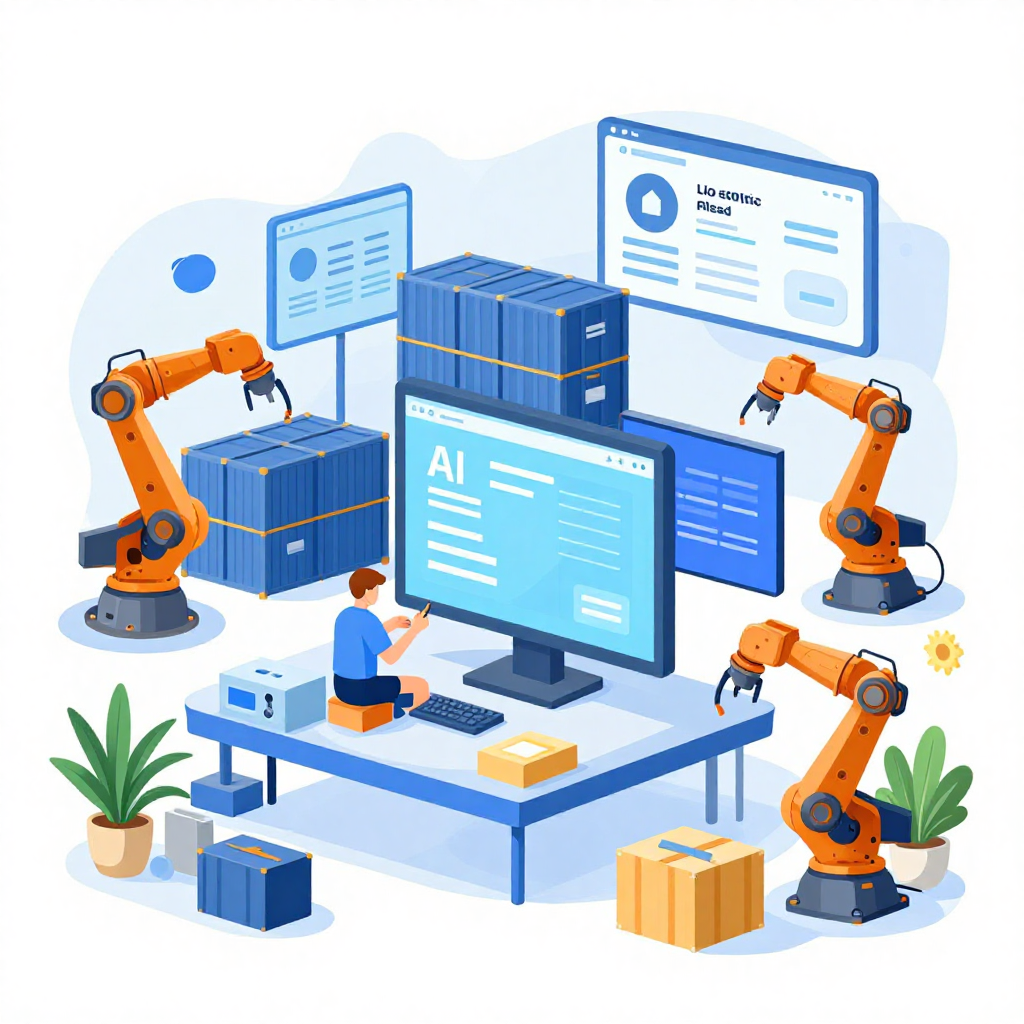
- Technological advancements like automation and AI are critical in optimizing logistics operations.
- Real-world examples demonstrate how leading companies leverage logistics parks for operational efficiency.
- Sustainability initiatives are becoming integral in logistics park operations to minimize environmental impact.
- Understanding potential challenges and trends can help businesses better engage with logistics solutions.
Table of Contents
- Introduction
- The Rising Demand for Ecom Logistics Parks: Industry Trends and Challenges
- How Ecom Logistics Parks Work: Key Insights and Technologies
- Real Examples: How Leading Companies Utilize Logistics Parks
- Step-by-Step Guide: Starting Your Own Ecom Logistics Park
- Benefits & Tips for E-commerce Sellers Using Ecom Logistics Parks
- Future Trends in Ecom Logistics Parks
- Conclusion
- FAQ
Introduction
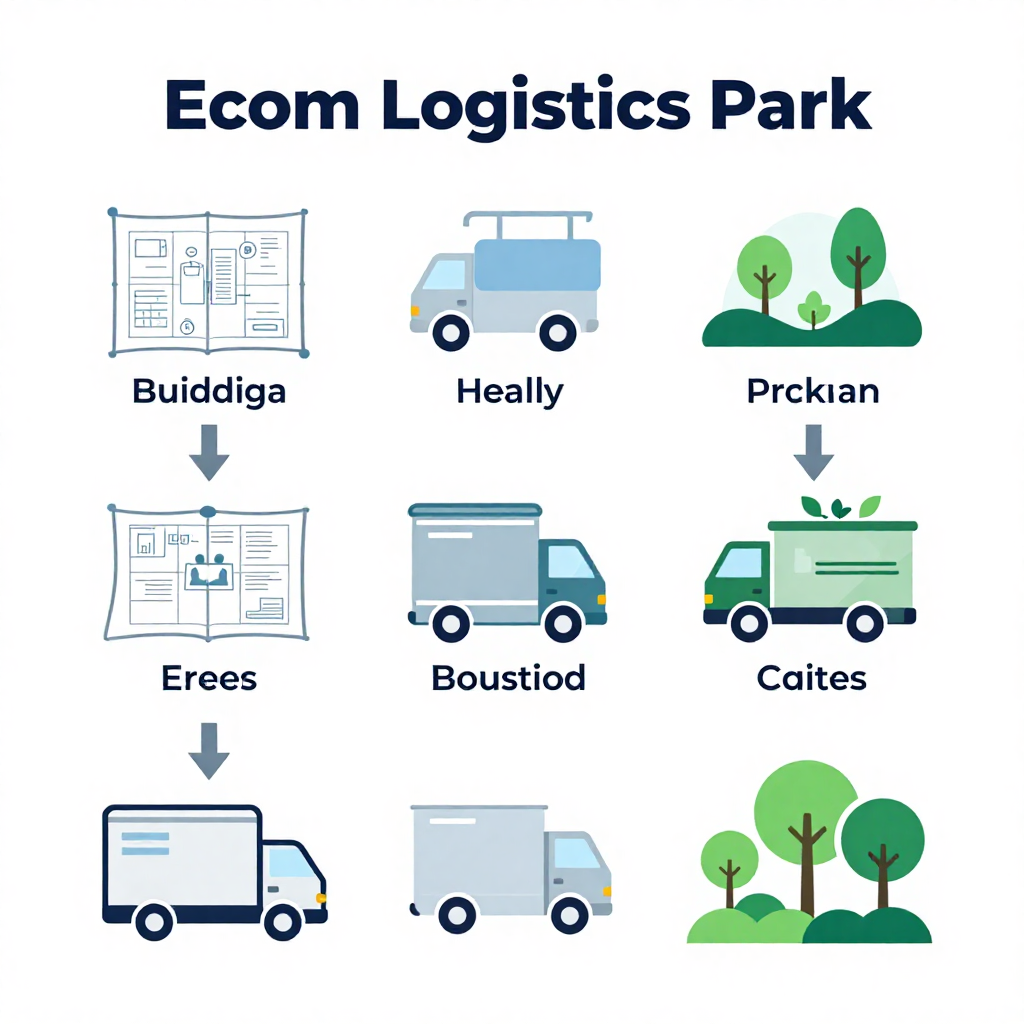
In the rapidly evolving world of e-commerce, Ecom Logistics Parks have emerged as critical hubs that redefine shipping and logistics operations. These parks are strategically designed to streamline the supply chain, reduce delivery times, and enhance customer satisfaction—factors that businesses like Ekart Elite, XpressBees, and Delhivery continue to leverage with great success. The growing demand for fast, reliable, and cost-efficient delivery services in India and globally has made logistics parks a cornerstone for achieving operational excellence in e-commerce.
This post explores how Ecom Logistics Parks are shaping the future of shipping, underscoring innovations inspired by leading companies in the industry. We’ll delve into emerging trends, technology-driven solutions, challenges, and real-world examples of how these parks optimize supply chain efficiency. If you want to stay ahead in the competitive e-commerce logistics space, understanding the dynamics of Ecom Logistics Parks is essential.
The Rising Demand for Ecom Logistics Parks: Industry Trends and Challenges
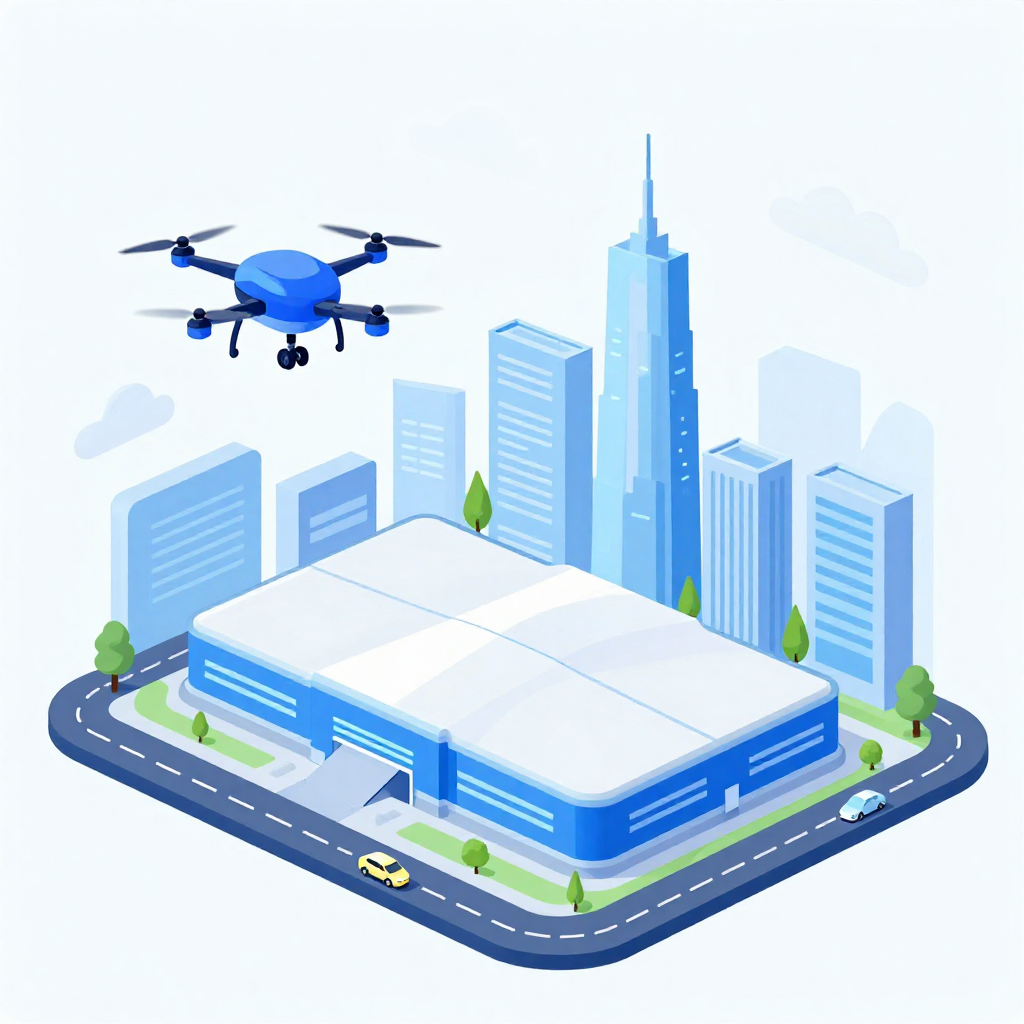
The e-commerce sector in India is expected to surpass $200 billion by 2026, fueled by increased internet penetration and mobile usage. This boom has exerted unprecedented pressure on logistics networks, especially around last-mile delivery and warehouse management. Ecom Logistics Parks provide centralized infrastructure that supports multi-modal transportation, inventory storage, and order fulfillment—all designed to address these challenges.
Some key logistics challenges influencing the rise of these parks include:
- Handling peak season volumes: Festivals and sales events cause sudden surges in demand.
- Last-mile delivery complexities: Addressing delays, especially in tier 2 and 3 cities, or rural areas.
- Returns management: Efficient reverse logistics for defective or unwanted items.
- Sustainability: Reducing carbon footprints while managing increasing shipment volumes.
Companies like Delhivery and XpressBees have integrated park-based operations to tackle these issues, optimizing vehicle routes and automating sorting processes to maintain high delivery accuracy.
How Ecom Logistics Parks Work: Key Insights and Technologies
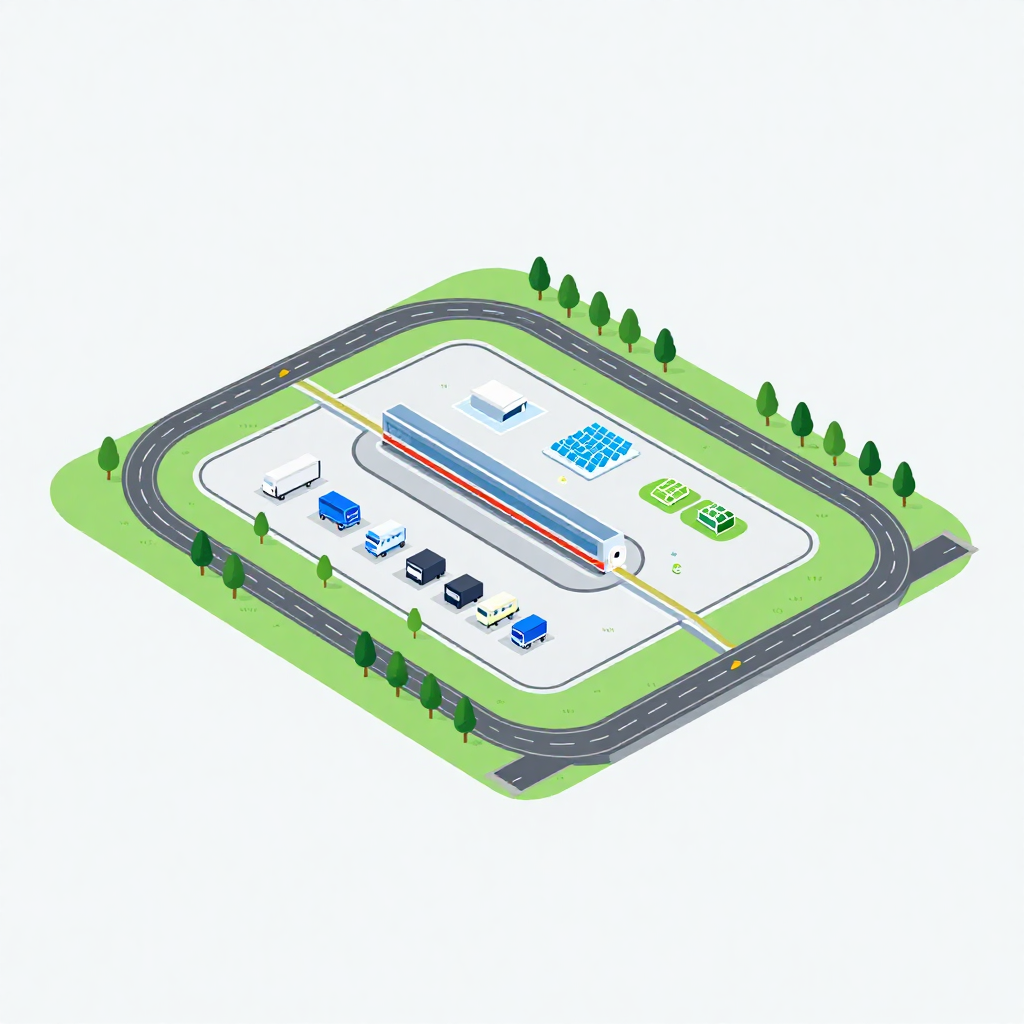
An Ecom Logistics Park is more than a large warehouse — it is a nodal hub that leverages technology and strategically located infrastructure to enable seamless movement of goods from sellers to end consumers. Here’s what sets these parks apart:
- Centralized Warehousing: Large-scale storage that consolidates inventory from multiple sellers, improving stock visibility.
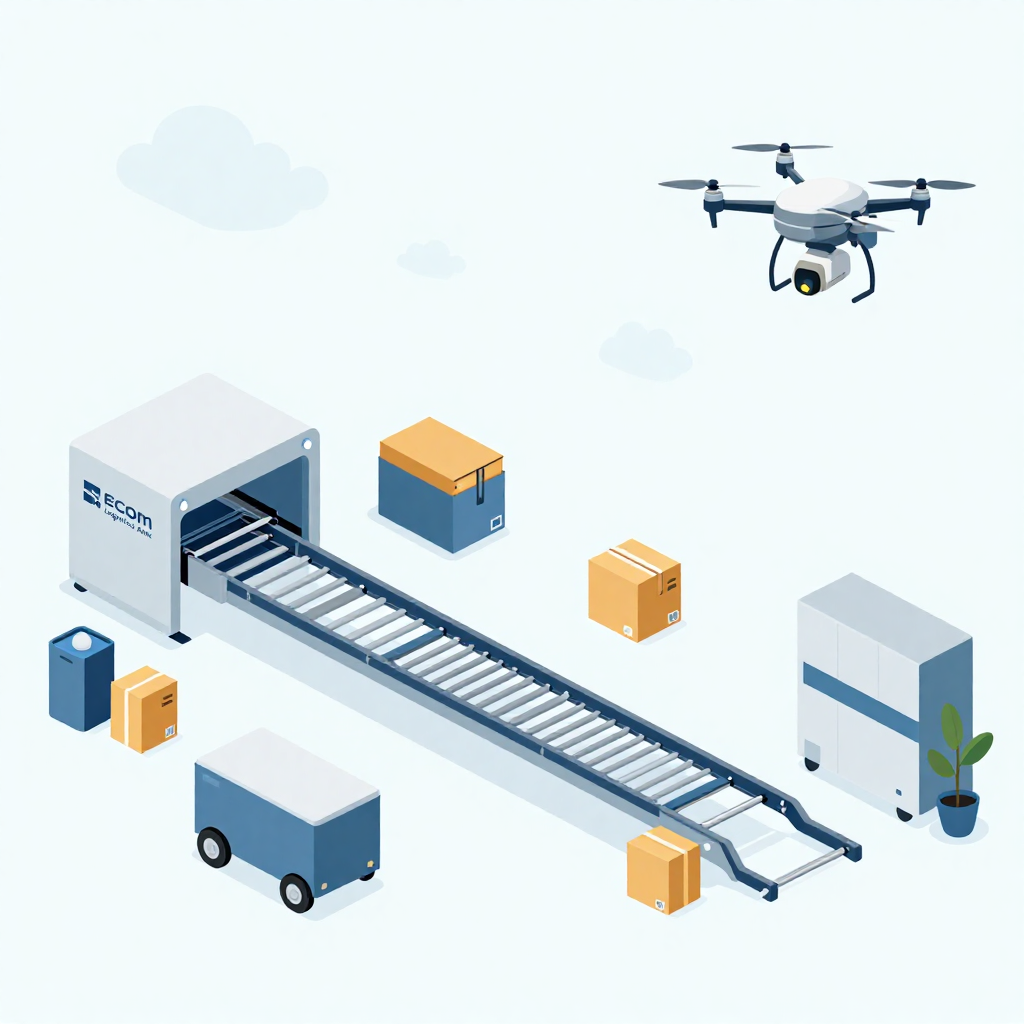
- Automated Sorting & Packaging: Use of robotics and AI technology to quickly sort packages and prepare shipments.
- Integrated Transportation Hubs: Facilities close to major highways, airports, and rail links to enable multi-modal transport.
- Advanced IT Systems: Real-time tracking, predictive analytics, and route optimization powered by AI and ML.
- Sustainable Practices: Use of electric vehicles and eco-friendly packaging within the park premises.
| Feature | Benefit | Example Company |
|---|---|---|
| Robotics-assisted sorting | Faster package handling | Ekart Elite |
| AI-powered route planning | Optimized last-mile delivery times | Delhivery |
| Multi-modal transport hub | Reduced transit times | XpressBees |
| Green energy usage | Lower carbon footprint | Third-party initiatives |
These parks serve as nerve centers where goods transition smoothly through supply chains with minimized errors and delays.
Real Examples: How Leading Companies Utilize Logistics Parks
Several logistics companies have set benchmarks with their Ecom Logistics Parks:
- Ekart Elite: Ekart’s logistics park in Bangalore serves as a flagship example of innovation, equipped with automation for faster sorting and loading. Their park uses AI-driven demand forecasting and integrates a fleet of electric vehicles for sustainable deliveries.
- XpressBees: Known for their extensive network, XpressBees has developed parks near metro cities that serve as consolidation points, optimizing last-mile routes and reducing total delivery time. Their peak season strategies—employing temporary labor and automated conveyor belts—ensure timely shipments during high volumes.
- Delhivery: Delhivery’s logistics parks combine smart warehousing with blockchain technology to enhance supply chain transparency, enabling clients and customers to verify shipment status and provenance in real-time.
These implementations showcase how deeply logistics parks impact operational efficiency and customer satisfaction.
Step-by-Step Guide: Starting Your Own Ecom Logistics Park
If you’re an entrepreneur or logistics provider interested in establishing an Ecom Logistics Park, here’s a streamlined process to consider:
- Conduct Market Analysis: Identify demand density, competitor locations, and potential client base.
- Choose Strategic Location: Proximity to airports, highways, and urban centers is crucial.
- Design Park Layout: Optimize space for warehousing, docking, parking, and future expansion.
- Integrate Technology: Implement warehouse management systems (WMS), robotics, and AI-driven analytics.
- Develop Green Initiatives: Incorporate solar power, EV charging stations, and sustainable packaging solutions.
- Partner with Local Authorities: Ensure compliance with regulations and secure permits.
- Hire Skilled Workforce: Train employees in automation technology and efficient process management.
- Launch Pilot Operations: Start small scale, monitor KPIs, and iterate based on insights.
Following these steps can minimize risks and maximize efficiency from day one.
Benefits & Tips for E-commerce Sellers Using Ecom Logistics Parks
E-commerce businesses stand to gain spectacularly from leveraging logistics parks. Here are some benefits and actionable tips:
- Faster Delivery: Proximity to hubs means orders reach customers quicker.
- Cost Efficiency: Bulk storage and consolidated shipments reduce overall shipping costs.
- Better Inventory Management: Centralized tracking reduces stock-outs and overstock scenarios.
- Return Handling: Reverse logistics becomes streamlined, improving customer trust.
- Sustainability: Partnering with parks focused on green logistics aligns with corporate responsibility.
Tips for Sellers:
- Choose logistics parks aligned with your market geography.
- Negotiate transparent pricing models that balance cost and service levels.
- Invest in packaging standards compatible with automated sorting.
- Communicate frequently with logistics partners to anticipate peak volumes.
- Leverage tracking technology to keep customers informed.
Future Trends in Ecom Logistics Parks
The future of Ecom Logistics Parks is tightly woven with technological breakthroughs and sustainability priorities:
- Drone Delivery & Autonomous Vehicles: Companies like Amazon and startups are piloting drones for last-mile delivery, which may become integrated into park logistics.
- AI & Machine Learning: Advanced analytics will predict demand spikes and optimize workflows dynamically.
- Blockchain for Transparency: Increasing adoption to enhance trust and reduce fraud.
- Green Infrastructure: Solar-powered warehouses, electric fleets, and zero-waste packaging will become standard.
- Smart Cities Integration: Logistics parks embedded with IoT-enabled smart city technology for real-time traffic and delivery optimization.
Embracing these trends will position logistics parks and their users at the forefront of industry transformation.
Conclusion
Ecom Logistics Parks have revolutionized how goods move through the complex e-commerce ecosystem. Inspired by pioneers like Ekart Elite, XpressBees, and Delhivery, these parks integrate technology, sustainability, and strategic planning to overcome logistics challenges and meet growing consumer expectations. Whether you are a shipping provider or an e-commerce seller, understanding and engaging with this evolving infrastructure offers tremendous competitive advantage.
Are you ready to elevate your shipping and supply chain operations? Contact us today to learn how partnering with or developing an Ecom Logistics Park can transform your business logistics.
FAQ
What is an Ecom Logistics Park?
An Ecom Logistics Park is a centralized facility designed to streamline the storage, sorting, and distribution of goods specifically for e-commerce companies.
How do Ecom Logistics Parks reduce delivery times?
By strategically locating near transport hubs and automating package handling, these parks enable faster processing and optimized last-mile delivery routes.
Are Ecom Logistics Parks environmentally friendly?
Many parks now incorporate sustainable practices such as electric vehicles, solar energy, and eco-friendly packaging to minimize environmental impact.
Can small e-commerce sellers benefit from logistics parks?
Yes, by partnering with logistics parks, even small businesses can access efficient shipping infrastructure without heavy upfront investments.
What role does technology play in these parks?
Technologies like AI, ML, robotics, and blockchain enhance accuracy, speed, transparency, and predictive capabilities within logistics operations.
Recent Blog
End the Hassle of Managing Multiple Courier Logins
Show the Pain of Juggling 5+ Courier Logins and How…

To-Pay vs Prepaid vs COD Explained for B2B Sellers
Understanding To-Pay vs Prepaid vs COD: What Every B2B Seller…
Complete Guide to Export Your Product from India Successfully
Here's the provided markdown converted to WordPress HTML format: I…
