 :
:  :
: 
9 Best Practices for Efficient B2B Delivery Solutions
9 Best Practices for Leveraging Efficient B2B Delivery Solutions
Estimated reading time: 8 minutes
Key Takeaways
- Understanding customer needs is crucial for effective delivery solutions.
- Optimized route planning can significantly reduce costs.
- Real-time tracking enhances transparency and customer trust.
- Technology and automation streamline operations and minimize errors.
- Establishing strong partnerships and clear SLAs fosters reliability.
Table of Contents
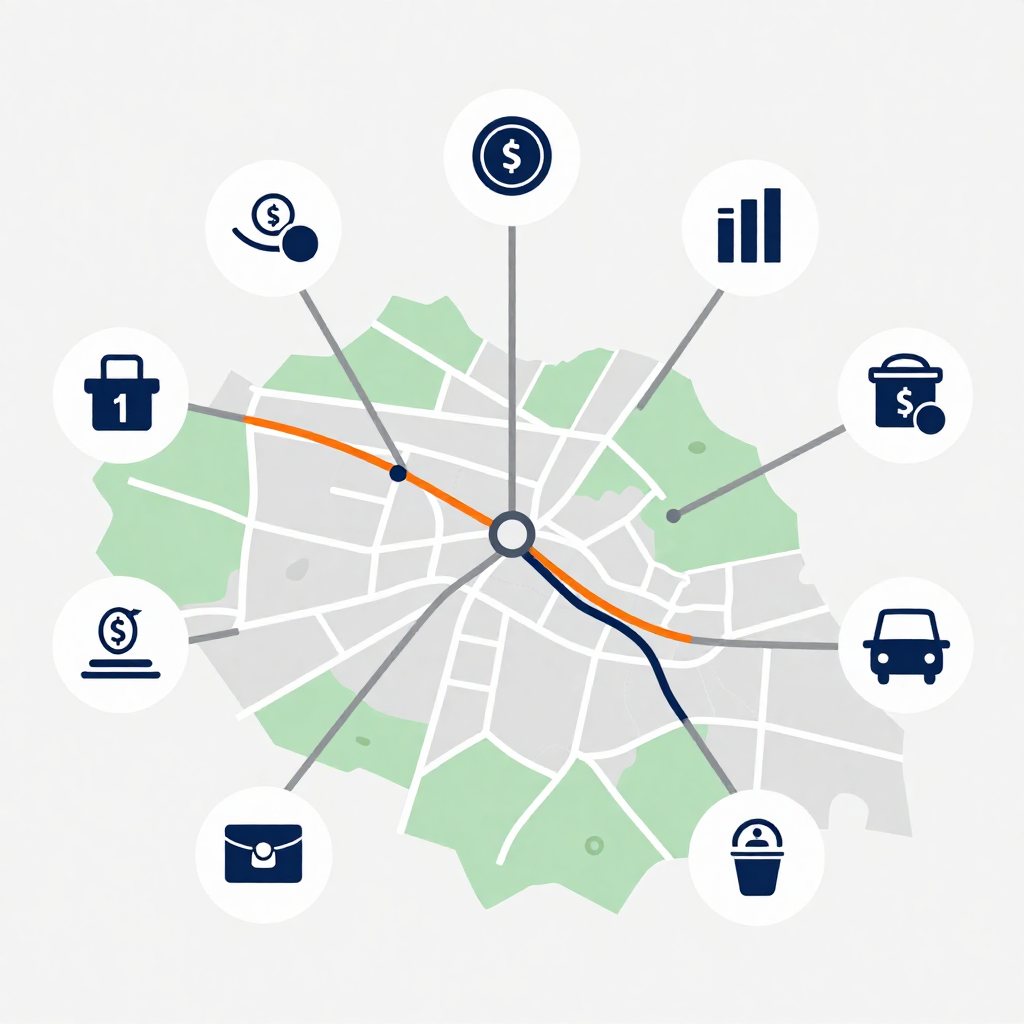
Introduction
In the fast-paced world of business-to-business (B2B) commerce, efficient delivery solutions are not just a convenience—they are a critical driver of success. With rising customer expectations and increasing competition, companies must prioritize optimizing their delivery processes to maintain strong client relationships and scale effectively. Whether you’re operating locally across India’s growing industrial hubs or managing global supply chains, 9 Best Practices for Leveraging Efficient B2B Delivery Solutions provide a roadmap to streamline logistics, reduce costs, and enhance customer satisfaction.
From understanding unique B2B customer needs to harnessing the latest technology and sustainable practices, this comprehensive guide offers actionable insights designed to enhance your delivery system’s efficiency. By implementing these strategies, you can improve operational transparency, guarantee timely delivery, and foster long-term partnerships with clients and carriers alike. Let’s explore how adopting these best practices shapes the future of B2B delivery excellence.
Understanding the Growing Demand for Efficient B2B Delivery Solutions
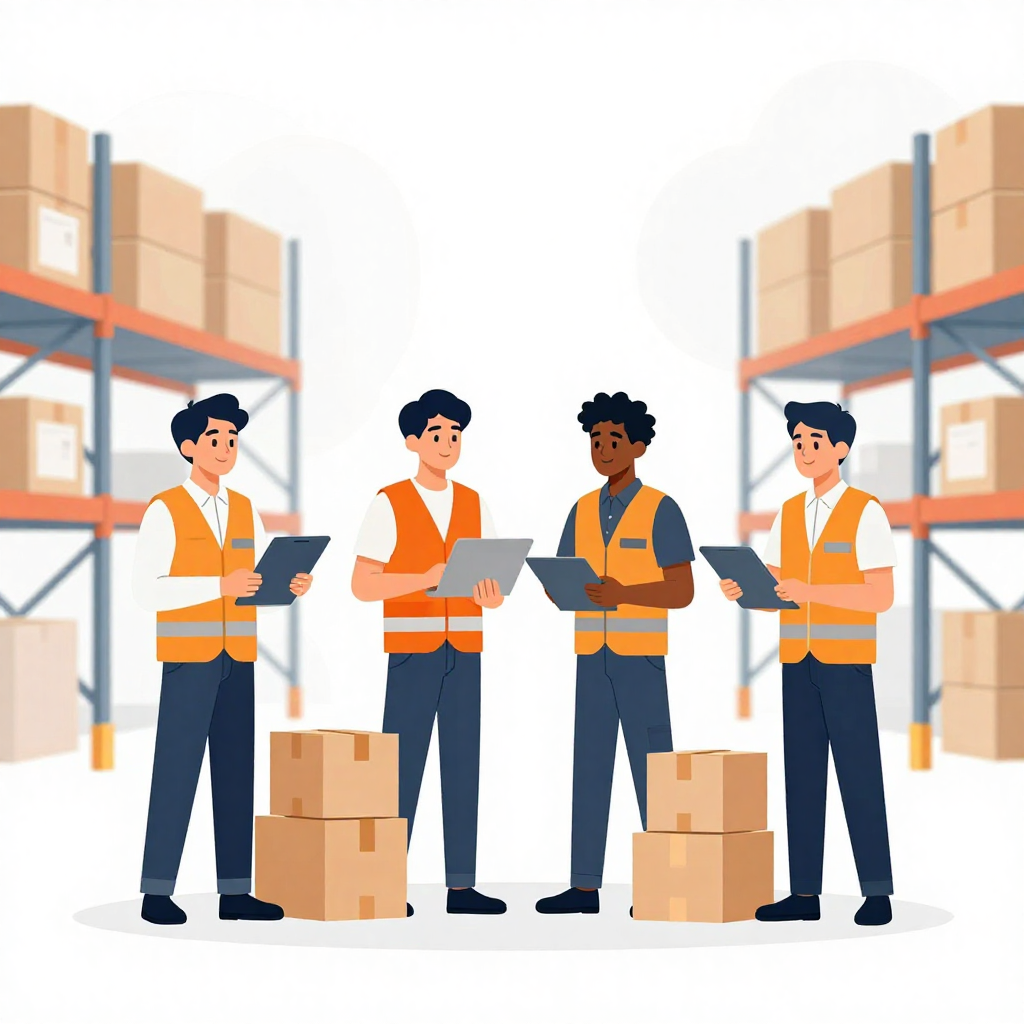
B2B delivery is fundamentally different from B2C, primarily due to larger order volumes, stricter compliance requirements, and complex service level agreements (SLAs). According to a 2023 report by Gartner, 75% of B2B buyers expect the same delivery speed and transparency they experience in consumer environments. This shift is pushing enterprises worldwide, including India’s burgeoning manufacturing and export sectors, to innovate their supply chain operations.
Moreover, inefficient delivery solutions can lead to costly delays, damaged relationships, and missed revenue opportunities. A study by McKinsey highlights that companies with optimized delivery networks reduce logistics costs by up to 15%, while improving customer retention and satisfaction by 20%. Embracing efficient delivery practices unlocks numerous benefits, from reduced carbon footprint to increased employee productivity, essential in the era of sustainability and digital transformation.
The 9 Best Practices for Leveraging Efficient B2B Delivery Solutions
1. Understand Customer Needs and Expectations
Every B2B client has unique requirements around delivery timelines, packaging specifications, and order handling. Begin by conducting in-depth discussions with customers and categorize these needs clearly. For instance:
- Some clients require exact delivery time-windows for just-in-time inventory.
- Others prioritize eco-friendly packaging.
- Certain industries like pharmaceuticals may demand temperature-controlled logistics.
Customizing your delivery approach significantly boosts satisfaction rates and reduces recurring issues caused by misaligned expectations.
2. Optimize Route Planning and Scheduling
Smart route planning isn’t just about speed—it’s about balance. Utilize advanced routing software to factor in traffic patterns, vehicle capacity, and priority customer zones to minimize mileage and fuel consumption. Key benefits include:
- Lower delivery costs
- Improved on-time performance
- Enhanced resource utilization
This is especially critical for regions with complex geographical challenges or expanding urban centers.
3. Implement Real-Time Tracking and Communication
Transparency builds trust. Offering real-time delivery tracking empowers both operations teams and customers to stay informed. Features to integrate:
- GPS tracking dashboards for live vehicle locations
- Automated status alerts via SMS/email
- Instant communication channels during exceptions (delays, route changes)
Real-time visibility reduces uncertainty, enhances planning accuracy, and elevates user experience.
4. Leverage Technology and Automation
The digital age demands automation. Incorporate tools such as Warehouse Management Systems (WMS), Transportation Management Systems (TMS), and automated order processing to:
- Minimize manual errors
- Accelerate order fulfillment
- Integrate inventory, delivery, and payment workflows seamlessly
Technology adoption is a proven way to scale efficiently across diverse product lines and geographies.
5. Focus on Reliable Partnerships
Selecting dependable logistics providers and carriers who specialize in B2B requirements is vital for scalability. Partner criteria should include:
- Proven track record with complex deliveries
- Flexibility to handle fluctuating volumes
- Commitment to compliance and risk management
Strong partnerships mitigate risks and offer agility during market volatilities.
6. Establish Clear Service Level Agreements (SLAs)
Formalize expectations by creating SLAs that cover delivery timelines, penalties for non-compliance, and performance metrics. SLAs ensure:
- Accountability on all sides
- Consistent service quality
- Clear benchmarks for continuous improvement
Well-drafted SLAs align your team and partners to meet your customers’ critical needs.
7. Invest in Sustainable Practices
Sustainability is rapidly becoming a critical purchase criterion. Adopt eco-friendly delivery solutions including:
- Electric or hybrid delivery vehicles
- Biodegradable packaging materials
- Optimized deliveries to reduce carbon emissions
This enhances your brand image and meets regulatory requirements, especially as global and Indian markets intensify environmental scrutiny.
8. Regularly Analyze and Improve Delivery Performance
Tracking key performance indicators (KPIs) like on-time delivery rate, cost per delivery, and customer satisfaction scores allows you to identify bottlenecks. A continuous improvement approach should include:
- Monthly performance reviews
- Root cause analysis on failures
- Employee feedback loops
Data-driven decisions will elevate your delivery operations and drive profitability.
9. Train Staff and Encourage Cross-Functional Collaboration
Efficient delivery is a team sport. Invest in comprehensive training programs for sales, logistics, and warehouse teams that align everyone’s understanding of delivery goals. Encourage regular interdepartmental communication to:
- Share insights and challenges
- Coordinate deliveries and inventory
- Foster innovation in problem-solving
Well-trained and collaborative teams handle complexity more effectively, resulting in better customer outcomes.
Conclusion
Mastering the 9 Best Practices for Leveraging Efficient B2B Delivery Solutions is essential for any business seeking to optimize its supply chain and foster stronger client relationships. By understanding customer needs, embracing technology, and building strong partnerships under clear agreements, companies can deliver exceptional service consistently. Adding sustainable practices and promoting collaboration solidifies a future-ready delivery system.
Ready to transform your B2B delivery process? Contact us today to explore customized solutions designed to boost your operational efficiency and customer satisfaction.
FAQ
Q1: Why is B2B delivery efficiency more complex than B2C?
B2B delivery involves larger, often bulk orders with specific handling, timing, and compliance needs, making logistics more complex compared to typical consumer deliveries.
Q2: What technologies are most effective for B2B delivery optimization?
Warehouse Management Systems (WMS), Transportation Management Systems (TMS), real-time GPS tracking, and automated order processing are key technologies.
Q3: How can businesses measure delivery performance effectively?
Tracking KPIs such as on-time delivery rate, fulfillment accuracy, cost per delivery, and customer satisfaction provides a clear efficiency snapshot.
Q4: What role do Service Level Agreements play in B2B deliveries?
SLAs set clear, measurable delivery standards and penalties, fostering accountability and consistent service quality between businesses and logistics partners.
Q5: How important is sustainability in B2B delivery?
Sustainability is increasingly critical as clients prefer eco-conscious partners and regulatory frameworks tighten, impacting packaging and transportation practices.
Recent Blog
End the Hassle of Managing Multiple Courier Logins
Show the Pain of Juggling 5+ Courier Logins and How…
To-Pay vs Prepaid vs COD Explained for B2B Sellers
Understanding To-Pay vs Prepaid vs COD: What Every B2B Seller…
Complete Guide to Export Your Product from India Successfully
Here's the provided markdown converted to WordPress HTML format: I…
