 :
:  :
: 
EV Last-Mile Delivery: Save Costs and Boost Sustainability
EV in Last-Mile Delivery: Explain Cost-Saving + Eco Benefits That Matter Now
Estimated reading time: 8 minutes
Key Takeaways
- EVs significantly reduce operational expenses through lower fuel and maintenance costs.
- Electric vehicles produce zero tailpipe emissions, contributing to cleaner urban environments.
- Government incentives can help offset the initial cost of electric vehicles.
- Real-world examples demonstrate the successful adoption of EVs by major companies like Amazon and UPS.
- Future trends include advancements in battery technology and integration with autonomous systems.
Table of Contents
- Introduction
- The Last-Mile Delivery Challenge: Why Change Is Urgent
- How EVs in Last-Mile Delivery Work: Key Cost and Eco Insights
- Real-World Examples of EV Adoption in Last-Mile Delivery
- Step-by-Step Guide to Implement EVs in Last-Mile Delivery
- Benefits and Tips for Maximizing EV Impact in Last-Mile Delivery
- Future Trends in EVs for Last-Mile Delivery
- Conclusion
- FAQ
Introduction
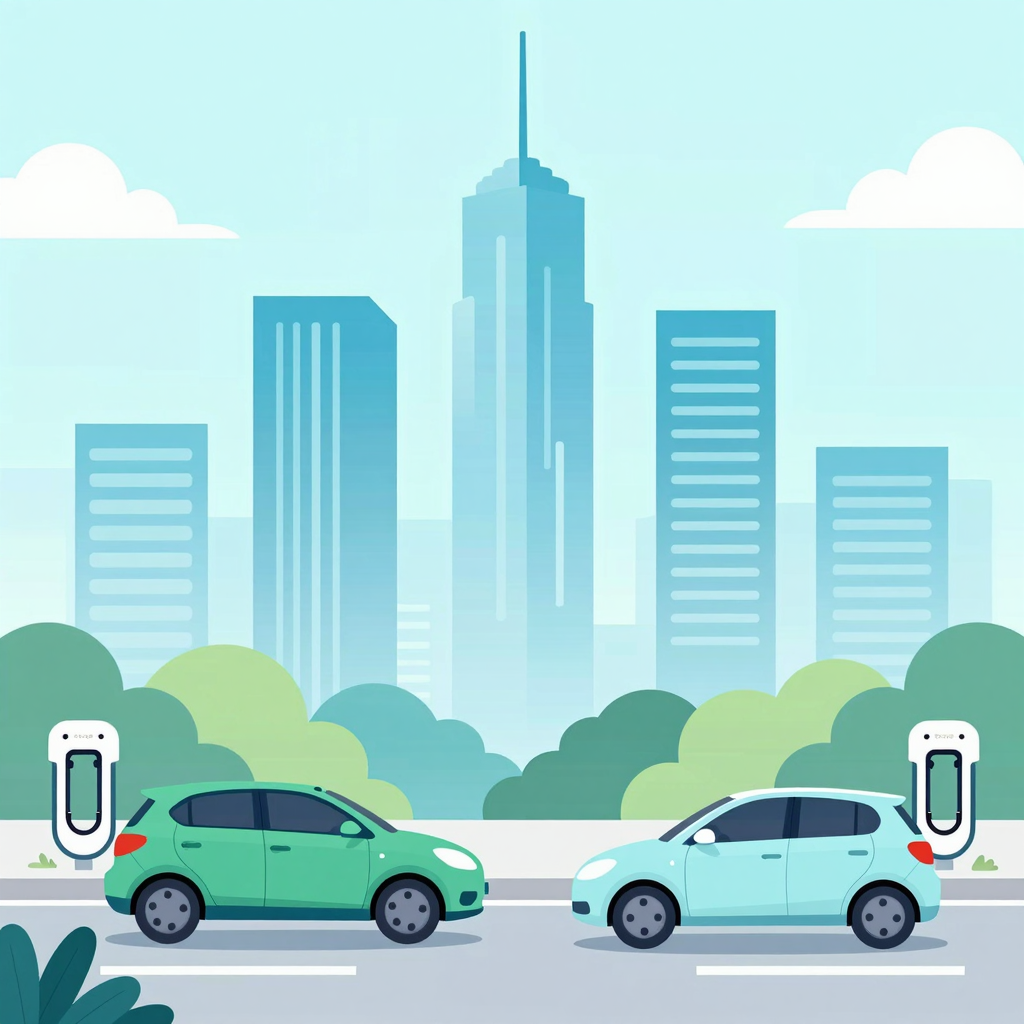
The rapid growth of e-commerce has made last-mile delivery an essential component of urban logistics, presenting both challenges and opportunities. One of the most transformative solutions gaining momentum worldwide is the integration of EV in last-mile delivery: explain cost-saving + eco benefits. As congestion, fuel prices, and environmental concerns escalate, delivery companies are increasingly turning to electric vehicles (EVs) to optimize operations and achieve sustainability goals.
In India and globally, last-mile delivery accounts for a significant part of urban emissions and transportation costs. EVs present a compelling alternative, promising to reduce operational expenses and shrink carbon footprints. This article dives deep into how EVs deliver compelling cost-saving advantages while contributing to a cleaner urban environment. Whether you’re a logistics manager, business owner, or sustainability advocate, understanding the financial and ecological benefits of EVs in last-mile delivery is crucial to shaping the future of transportation.
We will explore the core benefits, real-world examples, and practical steps to adopt EVs, along with expert insights into evolving trends shaping this market.
The Last-Mile Delivery Challenge: Why Change Is Urgent
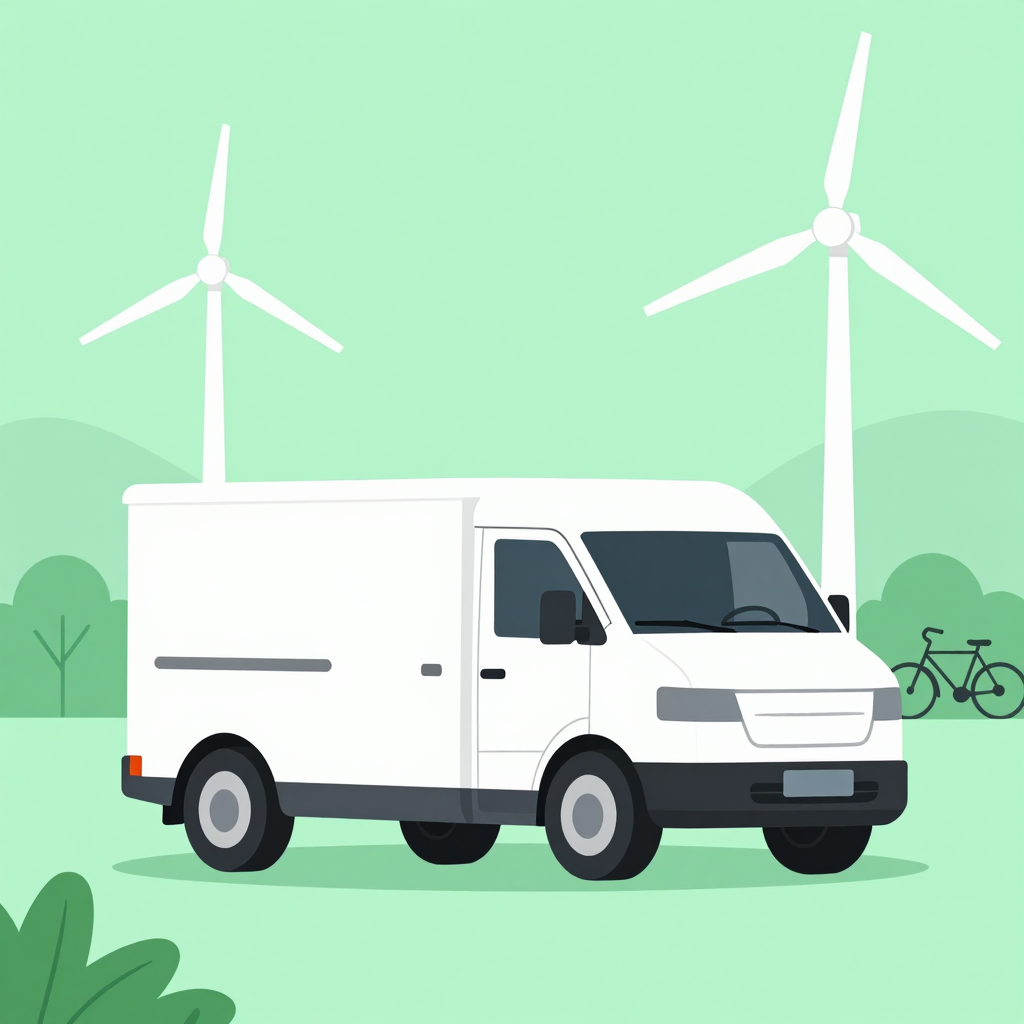
Last-mile delivery—the final step of a product’s journey to the customer—can represent up to 53% of total delivery costs and a significant portion of urban congestion and pollution. In growing economies like India, urban areas face increasing vehicle emissions and noise pollution, impacting public health and quality of life.
Studies show logistics vehicles often run on diesel or gasoline, leading to high fuel expenses and elevated greenhouse gas emissions. The challenge is twofold:
- Increasing fuel and maintenance costs impacting profit margins.
- Environmental regulations and urban policies pressuring fleet operators to reduce emissions.
An effective solution must address both economics and environmental responsibility. This is where EVs shine, combining financial savings with sustainability.
How EVs in Last-Mile Delivery Work: Key Cost and Eco Insights
Cost-Saving Benefits of EVs
- Lower Fuel Costs:
Electricity typically costs significantly less per mile than gasoline or diesel. This can reduce energy expenses for delivery fleets by up to 70% compared to combustion engines. - Reduced Maintenance Costs:
Electric motors have fewer moving components, resulting in less wear and tear and fewer repairs. Fleets save on oil changes, transmission repairs, and exhaust systems. - Government Incentives:
Many countries offer tax rebates, grants, and subsidies that lower upfront purchase costs and encourage EV adoption. - Energy Efficiency:
EVs convert approximately 77% of electrical energy into vehicle movement versus about 12%-30% for combustion engines, resulting in better overall energy use. - Longer Vehicle Lifespan:
EVs generally experience fewer mechanical failures, extending vehicle life and lowering total capital expenditures.
Environmental (Eco) Benefits of EVs
- Zero Tailpipe Emissions:
EVs produce no exhaust emissions at the point of use, reducing harmful pollutants like nitrogen oxides and particulates in dense urban areas. - Lower Greenhouse Gas Emissions:
Even accounting for electricity generation, EVs emit fewer greenhouse gases, especially when charged with renewable energy sources. - Noise Pollution Reduction:
The quiet operation of electric motors drastically lowers noise, improving life quality in residential neighborhoods. - Support for Sustainable Urban Mobility:
Incorporating EVs aligns with smart city initiatives aiming at cleaner, healthier, and more efficient urban transport systems.
Real-World Examples of EV Adoption in Last-Mile Delivery
Many logistics and delivery companies across various industries have successfully integrated EVs to reap the benefits:
- Amazon’s Electric Delivery Vans:
Amazon has committed to deploying 100,000 electric vans by 2030 to cut costs and emissions across its last-mile network. - UPS and Electric Fleet Expansion:
UPS operates a growing fleet of EVs globally, reporting significant reductions in fuel and maintenance costs. - Dunzo in India:
Dunzo, a hyperlocal delivery startup, uses electric scooters extensively in select cities to reduce noise and pollution while saving on fuel. - FedEx’s E-Transit Program:
FedEx introduced electric cargo vans with advanced energy efficiency and lower emissions targeting high-density urban deliveries. - Starbucks India:
For last-mile delivery of fresh products, Starbucks adopted EVs in major metros to align with sustainability goals and lower logistics spending.
These examples demonstrate wide applicability across sectors—from e-commerce to food delivery and courier services—highlighting the scalable benefits of EV adoption.
Step-by-Step Guide to Implement EVs in Last-Mile Delivery
Switching to an electric delivery fleet might seem daunting, but breaking it down simplifies adoption:
- Evaluate Current Fleet Costs and Emissions:
Analyze fuel expenses, maintenance, and the carbon footprint of your existing delivery vehicles. - Identify Suitable EV Models:
Research electric vehicles optimized for your delivery needs (cargo volume, range, charging logistics). - Review Government Incentives:
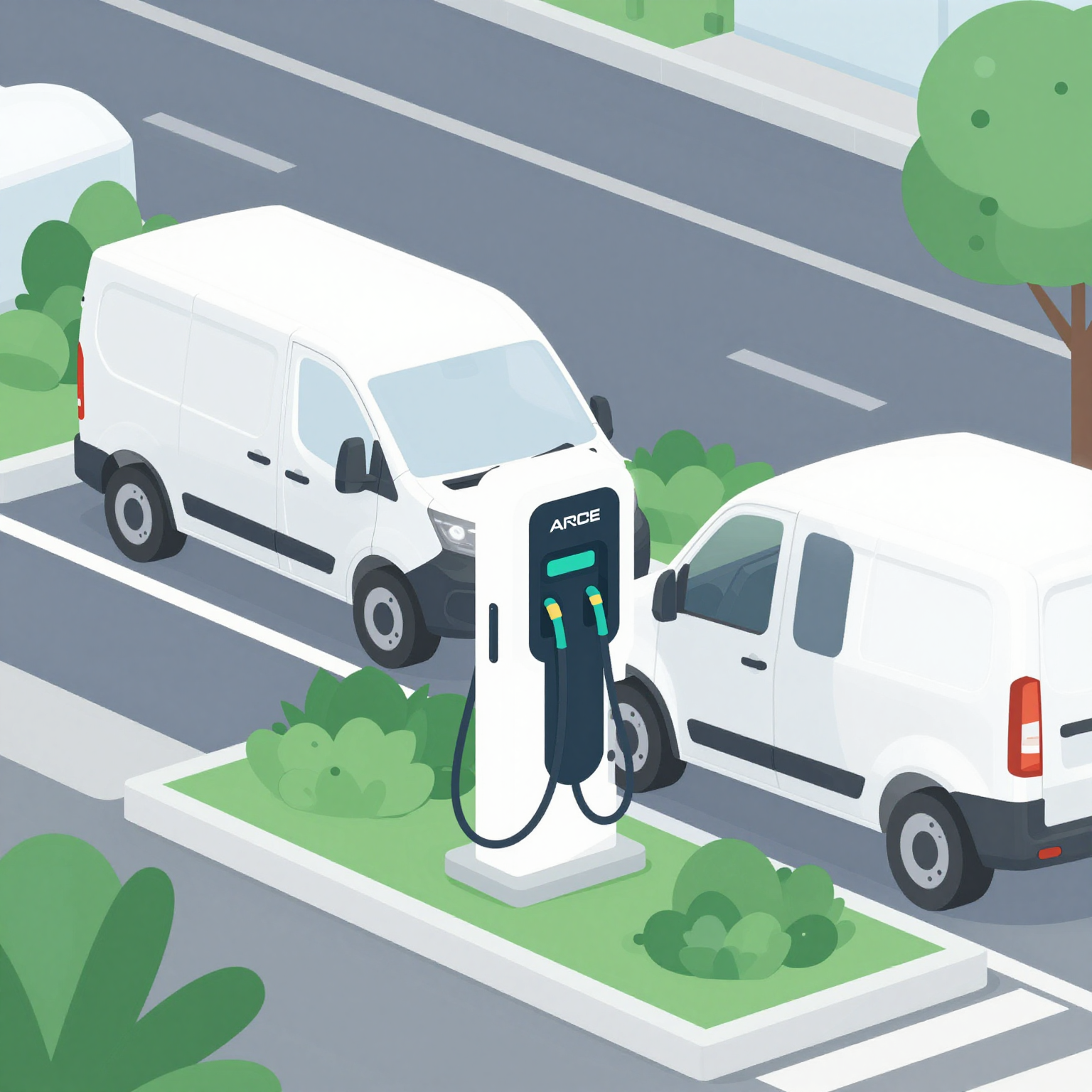
Check for available grants, tax credits, and subsidies for purchasing EVs or setting up charging infrastructure. - Plan Charging Infrastructure:
Design a charging schedule and install necessary infrastructure at hubs or depots considering energy availability. - Train Drivers and Fleet Managers:
Educate your team on EV operation, energy conservation techniques, and maintenance. - Monitor Performance and Costs:
Track fuel savings, maintenance costs, and emission reductions to measure ROI. - Adjust and Scale:
Gradually increase EV fleet size based on performance data and operational feedback.
Implementing this structured roadmap helps businesses maximize benefits and minimize operational disruptions.
Benefits and Tips for Maximizing EV Impact in Last-Mile Delivery
- Bulk Charging during Off-Peak Hours:
Save on electricity costs by charging vehicles during lower tariff periods. - Leverage Telematics and Route Optimization:
Extend vehicle range and reduce energy consumption with smart scheduling and navigation tools. - Regular Battery Health Checks:
Maintaining battery performance extends lifespan and reliability. - Partner with Renewable Energy Providers:
For cleaner power supply, reducing carbon footprint further. - Communicate Sustainability Efforts:
Promote your green initiatives to customers, boosting brand loyalty.
Future Trends in EVs for Last-Mile Delivery
The future of EVs in urban logistics looks promising:
- Advancements in Battery Technology:
Higher capacity and faster charging will increase range and reduce downtime. - Integration with Autonomous Systems:
Self-driving EVs could further reduce labor and operational costs. - Increased Government Mandates:
Policy shifts toward zero-emission zones will accelerate EV adoption. - Development of Urban Micro-Mobility Solutions:
E-bikes and electric cargo bikes complement vans for last-mile deliveries in congested areas. - Digital Platforms for Fleet Management:
AI-powered analytics will optimize energy use and route planning effectively.
Conclusion
Adopting EV in last-mile delivery: explain cost-saving + eco benefits is no longer just a trend—it’s a strategic imperative. By leveraging the lower fuel and maintenance costs, along with government incentives, businesses can significantly reduce operational expenses while aligning with global sustainability goals. Moreover, the ecological advantages of zero tailpipe emissions, noise reduction, and support for green urban mobility contribute not only to environmental health but also to improved community relations.
Whether you manage a startup or a large logistics operation, transitioning to electric vehicles offers a win-win—enhanced profitability coupled with a cleaner planet. Ready to make the switch and future-proof your delivery fleet? Contact us today!
FAQ
What are the main cost savings when using EVs in last-mile delivery?
EVs save money primarily through lower energy (electricity) costs compared to fuel, reduced maintenance due to simpler mechanics, government incentives, and longer vehicle lifespans.
Do electric vehicles really reduce pollution in cities?
Yes. EVs produce zero tailpipe emissions, lowering local air pollution. Their overall greenhouse gas emissions are also lower, especially when charged using renewable energy.
How long does it take for EVs to pay off their higher initial cost?
Depending on energy prices and government incentives, many fleets see ROI within 2-4 years through fuel and maintenance savings.
Are there enough charging stations for delivery fleets?
Charging infrastructure is rapidly growing globally. Many businesses install private chargers at depots while public networks expand in urban centers.
Can EVs handle the demands of last-mile delivery?
Modern EVs offer sufficient range and cargo capacity for typical urban delivery routes, with ongoing improvements making them even more capable.
Related posts:
- Sustainable Logistics: Greener Strategies for Transportation
- How Telematics Improves Delivery Fleet Efficiency
- Top EV Models Ideal for Commercial Use
Sources:
Recent Blog

Business Communication Channels: Types, Examples & Selection Tips
Here’s the provided markdown content converted into WordPress-compatible HTML: Business…

What a Logistics Franchise Involves: Investment, Earnings & Support
What a Logistics Franchise Involves: A Closer Look at the…
End the Hassle of Managing Multiple Courier Logins
Show the Pain of Juggling 5+ Courier Logins and How…
