 :
:  :
: 

Hyperlocal Q-Commerce Inventory for Under-60-Minute Delivery
Hyperlocal is the New Standard: Moving from “Next-Day” to “Under 60 Minutes”—How to Set Up Your Inventory for Q-Commerce
Estimated reading time: 8 minutes
Key Takeaways
- Hyperlocal delivery is becoming essential as consumer expectations shift towards faster service.
- Q-Commerce involves strategies to deliver products under 60 minutes.
- Localized micro-fulfillment centers improve delivery efficiency.
- Real-time inventory management is critical for preventing stockouts.
- Emerging technologies are key to optimizing inventory and logistics.
Table of Contents
- Introduction
- Why Hyperlocal is Revolutionizing Delivery Speed
- Setting Up Localized Micro Fulfillment Centers
- Optimizing SKU Selection for Q-Commerce
- Real-Time Inventory Management & Replenishment
- Harnessing Technology & Automation
- Efficient Inventory Layout
- Flexible & Scalable Strategies for Peak Times
- Integrating Inventory with Hyperlocal Delivery
- Future Trends in Hyperlocal & Q-Commerce
- Benefits of Transitioning to Hyperlocal Q-Commerce Inventory
- Conclusion
- FAQ
Introduction

In today’s fast-paced digital economy, hyperlocal is the new standard for delivery expectations. Gone are the days when customers were satisfied waiting “next-day” for their orders. Now, with the surge of Q-Commerce (Quick Commerce), businesses must shift their focus towards delivering products under 60 minutes. This ultra-speed model requires a complete transformation of inventory strategy, logistics, and technological integration—especially in densely populated regions like India’s metro cities and urban centers globally.
Q-Commerce revolves around convenience, speed, and razor-sharp inventory management. Brands and retailers must rethink how they stock items, where they store inventory, and how they use data to predict demand dynamically. With consumer loyalty hinging on rapid delivery times, adopting hyperlocal micro-fulfillment centers near customers is no longer optional—it’s imperative.
This detailed guide explores practical, actionable steps on how to set up your inventory for Q-Commerce. From understanding the hyperlocal model to implementing state-of-the-art technology and optimizing warehouse layouts, we’ll cover every aspect needed to move from traditional “next-day” deliveries to the competitive edge of “under 60 minutes”.
Why Hyperlocal is Revolutionizing Delivery Speed
Before diving into inventory setup, it’s important to understand the forces behind this shift:
- Demand for Speed: Studies show that 65% of consumers are willing to pay extra for faster delivery, making Q-Commerce a priority.
- Urban Density: Urban areas with high population densities enable feasible hyperlocal distribution hubs.
- Mobile Ordering: The proliferation of mobile commerce and super-apps boosts impulses for quick purchases.
- Reduced Last-Mile Distance: Shorter delivery routes reduce costs and improve speed.
A recent survey from McKinsey highlights that quick commerce sales in India alone are projected to grow by over 20% annually, emphasizing the urgency for retailers there to adopt hyperlocal logistics now.
Setting Up Localized Micro Fulfillment Centers
The first step towards enabling sub-60 minute delivery is placing inventory closer to customers.
- Choose Strategic Locations: Analyze neighborhoods with the highest order volumes using GIS data to identify prime micro-fulfillment center locations.
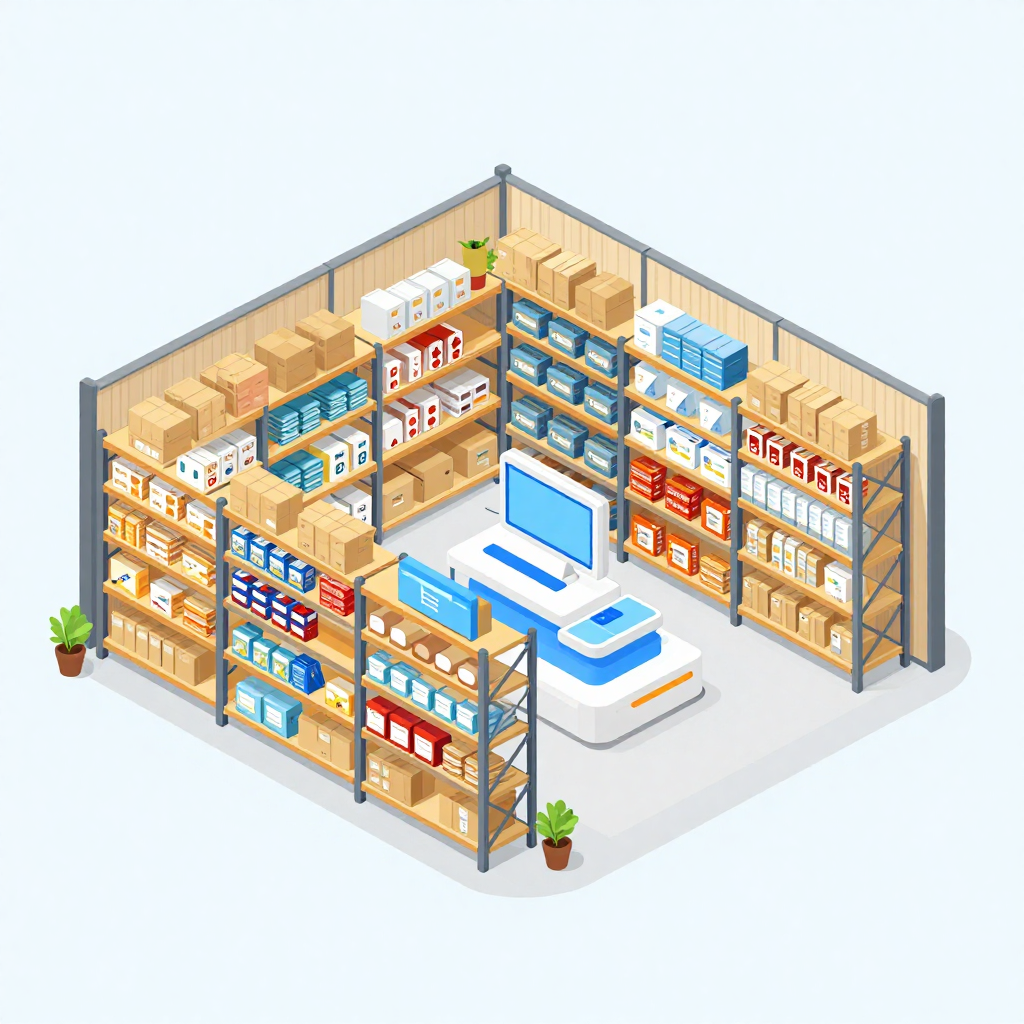
- Use Small Format Warehouses or Dark Stores: These compact fulfillment hubs fit into urban spaces and are tailored for rapid picking.
- Align Inventory Mix Locally: Each hub’s product range should reflect the preferences of the immediate neighborhood.
For example, a micro-hub in Mumbai’s Bandra West may stock more seafood and beverages suited to local tastes, while a Gurgaon outlet focuses on packaged groceries and personal care items.
Optimizing SKU Selection for Q-Commerce
One key to rapid delivery is having the right products on hand:
- Core Assortment of Essentials: Groceries, snacks, personal care, and beverages make up the backbone of quick delivery.
- High-Velocity SKUs: Prioritize items that move fast locally, using historical sales and trend data.
- Seasonal & Trend Products: Regularly update inventory to reflect festivals, events, and trending products using AI-driven prediction tools.
- Supplier Collaboration: Establish quick replenishment cycles with suppliers to maintain inventory freshness without overstocking.
A retailer in Delhi, for instance, might increase inventory of cold-pressed juices and energy bars during summer months, while ramping up festive sweets during Diwali.
Real-Time Inventory Management & Replenishment
To fulfill orders in under an hour, stockouts or delays are not an option.
- Automated Stock Tracking: Implement Warehouse Management Systems (WMS) capable of real-time updates.
- Frequent, Small Batch Restocking: Instead of infrequent bulk orders, replenish stock multiple times daily.
- Safety Stock & Buffer Inventory: Maintain a buffer for peak periods like weekends or local festivals to prevent missed sales.
Leveraging cloud-based inventory tools allows for seamless synchronization between stock levels and order volumes—essential in a Q-Commerce setup.
Harnessing Technology & Automation
Technology is the backbone of hyperlocal quick delivery:
- Warehouse Management System (WMS): Choose one tailored for small fulfillment centers with real-time reporting.
- Automated Picking Solutions: Robots, conveyor belts, and voice-picking systems dramatically reduce preparation time.
- AI-Powered Demand Forecasting: Use machine learning algorithms to anticipate daily and seasonal fluctuations.
Studies show that warehouses using automation reduce order picking time by up to 50%, proving invaluable for maintaining the Q-Commerce promise.
Efficient Inventory Layout
The physical setup of your micro-fulfillment center impacts speed:
- Front-Load Fast Movers: Place high-demand SKUs near packing areas to minimize picker travel time.
- Logical Categorization: Group products by category and delivery route efficiency.
- Clear Labeling System: Use barcodes and QR codes to accelerate scanning and minimize human errors.
A well-organized layout ensures each order goes out faster, improving both delivery times and customer satisfaction.
Flexible & Scalable Strategies for Peak Times
Demand spikes require adaptive inventory methods:
- Cross-Docking: For ultra-fast turnover items, integrate cross-docking to bypass long storage.
- Pop-Up Fulfillment Centers: Temporarily launch additional hubs during holiday sales or specific campaigns.
- Dynamic SKU Adjustments: Continuously refine your product mix based on local demand signals.
Brands that have embraced pop-up dark stores during holiday rushes report up to 40% improvement in delivery speed and customer feedback.
Integrating Inventory with Hyperlocal Delivery
Synchronization between inventory and fulfillment teams is critical:
- Live Inventory Visibility: Delivery personnel must access accurate, up-to-the-minute item availability on their devices.
- Seamless Order Management Integration: Ensure inventory deducts as orders are packed, avoiding overselling.
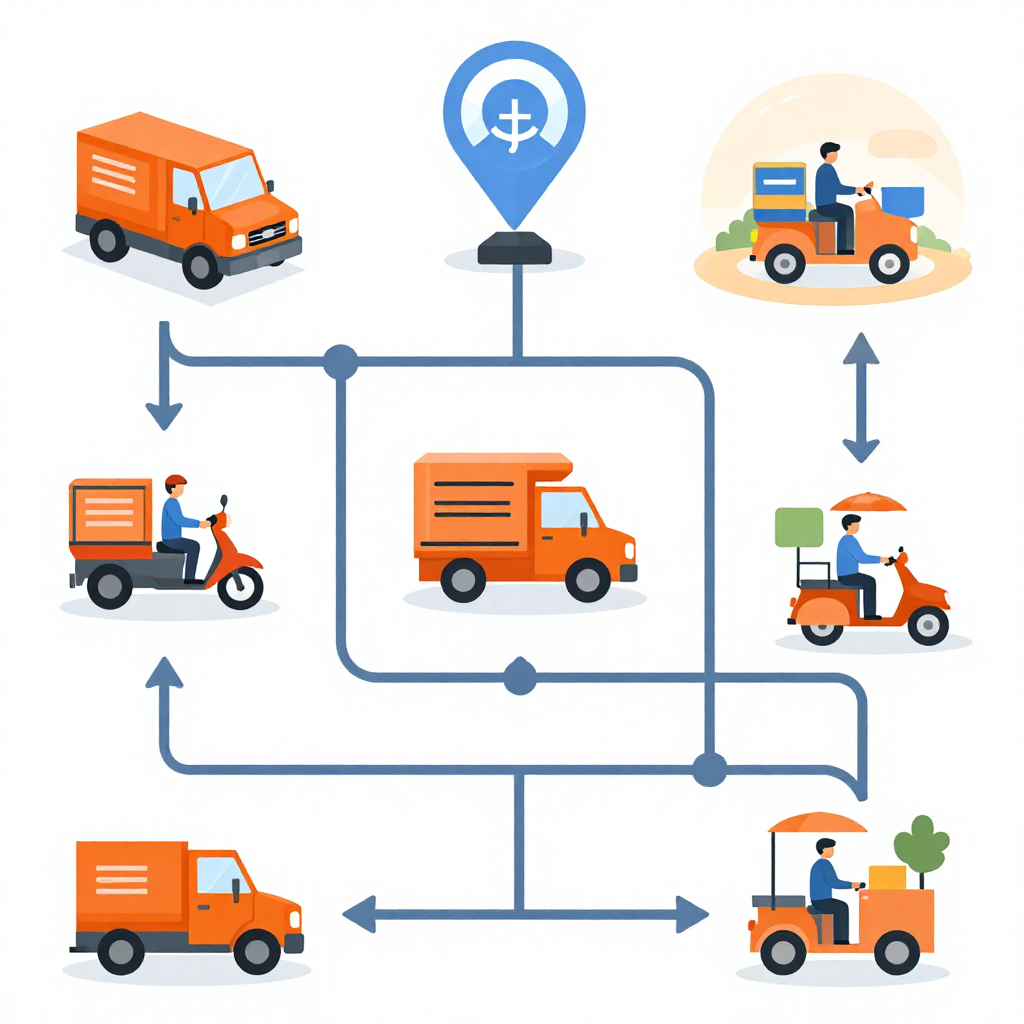
- Fleet Coordination: Align stock availability data with route optimization tools for efficient dispatch.
This integration reduces wasted trips and incomplete orders, making the 60-minute delivery target achievable.
Future Trends in Hyperlocal & Q-Commerce
As consumer expectations escalate, the future of Q-Commerce will likely involve:
- Hyper-Personalized Inventory: AI models tailoring inventory to hyperlocal demographics more precisely.
- Green & Sustainable Micro-Fulfillment: Environmentally conscious packaging and delivery methods.
- Autonomous Delivery Vehicles: Drones and robots for last-mile delivery speeding up timelines further.
- Blockchain for Inventory Transparency: Enhancing trust in supply chain and stock data.
Keeping an eye on these trends will ensure your inventory and fulfillment strategies remain competitive in the years to come.
Benefits of Transitioning to Hyperlocal Q-Commerce Inventory
- Improved Customer Satisfaction: Faster deliveries increase loyalty and repeat purchases.
- Reduced Last-Mile Costs: Local inventory hubs cut down expensive last-mile distances.
- Agility in Demand Response: Smaller, local warehouses enable quicker adaptation to market changes.
- Competitive Advantage: Early adopters of hyperlocal Q-Commerce capture market share in the fast-growing segment.
Conclusion
Shifting your inventory strategy from traditional “next-day” fulfillment to under 60 minutes delivery via Q-Commerce is no longer a futuristic concept but a present-day necessity. By establishing localized micro-fulfillment centers, optimizing SKU selection, leveraging technology, and streamlining both inventory and delivery integration, businesses can meet and exceed evolving customer expectations. Embracing this hyperlocal model not only promises superior service but also positions retailers to thrive in the dynamic landscape of rapid delivery commerce.
Ready to transform your inventory for the Q-Commerce revolution? Contact us today to get started!
FAQ
What is the primary difference between Q-Commerce and traditional eCommerce?
Q-Commerce focuses on delivery within 60 minutes, requiring hyperlocal inventory and rapid fulfillment, whereas traditional eCommerce often operates on next-day or longer delivery windows.
How do micro-fulfillment centers improve delivery speed?
They position inventory closer to customer clusters, minimizing the last-mile distance and time needed for delivery.
What role does technology play in Q-Commerce?
Technology enables real-time inventory tracking, automated picking, AI demand forecasting, and seamless integration with delivery fleets, all crucial for fast fulfillment.
Can small businesses implement hyperlocal Q-Commerce?
Yes, by starting with focused SKUs and partnering with delivery platforms, even small businesses can create effective local fulfillment hubs.
How often should inventory be replenished in Q-Commerce?
Ideally, inventory should be replenished multiple times per day to maintain freshness and stock availability.
Recent Blog
End the Hassle of Managing Multiple Courier Logins
Show the Pain of Juggling 5+ Courier Logins and How…
To-Pay vs Prepaid vs COD Explained for B2B Sellers
Understanding To-Pay vs Prepaid vs COD: What Every B2B Seller…

Complete Guide to Export Your Product from India Successfully
Here's the provided markdown converted to WordPress HTML format: I…
