 :
:  :
: 

What a Logistics Franchise Involves: Investment, Earnings & Support
What a Logistics Franchise Involves: A Closer Look at the EcomLogisticsPark Franchise Program
Estimated reading time: 5 minutes
Key Takeaways
- Understanding logistics franchises opens up profitable business opportunities.
- The logistics market in India is projected to reach $380 billion by 2025.
- Investments for logistics franchises can range from ₹5 lakhs to ₹30 lakhs.
- Exclusive territory rights help franchisees retain competitive advantages.
- EcomLogisticsPark offers comprehensive support and scalable plans for Tier-2/3 cities.
Table of Contents

- Introduction
- Understanding the Logistics Franchise Model
- Investment in a Logistics Franchise
- Earnings Potential and Profitability
- Territory Rights: Why Exclusive Areas Matter
- Comprehensive Support from the Franchisor
- Highlighting the EcomLogisticsPark Franchise Program
- Summary for Tier-2/3 City Entrepreneurs
- FAQ
Introduction
Are you an entrepreneur based in a Tier-2 or Tier-3 city looking for promising business opportunities in India’s booming logistics sector? Understanding what a logistics franchise involves can open doors to a scalable, profitable venture backed by trusted brands and advanced technology. Logistics franchises allow business owners to leverage an established company’s systems, technology, and brand reputation to deliver crucial services like transportation, warehousing, and courier operations.
The logistics industry in India is projected to reach $380 billion by 2025, driven in part by the rapid expansion of e-commerce into smaller cities and towns. This growth is creating an urgent demand for reliable logistics services beyond metropolitan areas, making Tier-2 and Tier-3 cities ripe for franchise expansion. If you want to enter this competitive yet rewarding field, learning about the investment, earnings potential, territory benefits, and franchisor support associated with logistics franchises is essential.
In this detailed guide, we explore these critical aspects and highlight the EcomLogisticsPark franchise program, a tailored opportunity designed specifically for entrepreneurs in emerging urban markets.
Understanding the Logistics Franchise Model
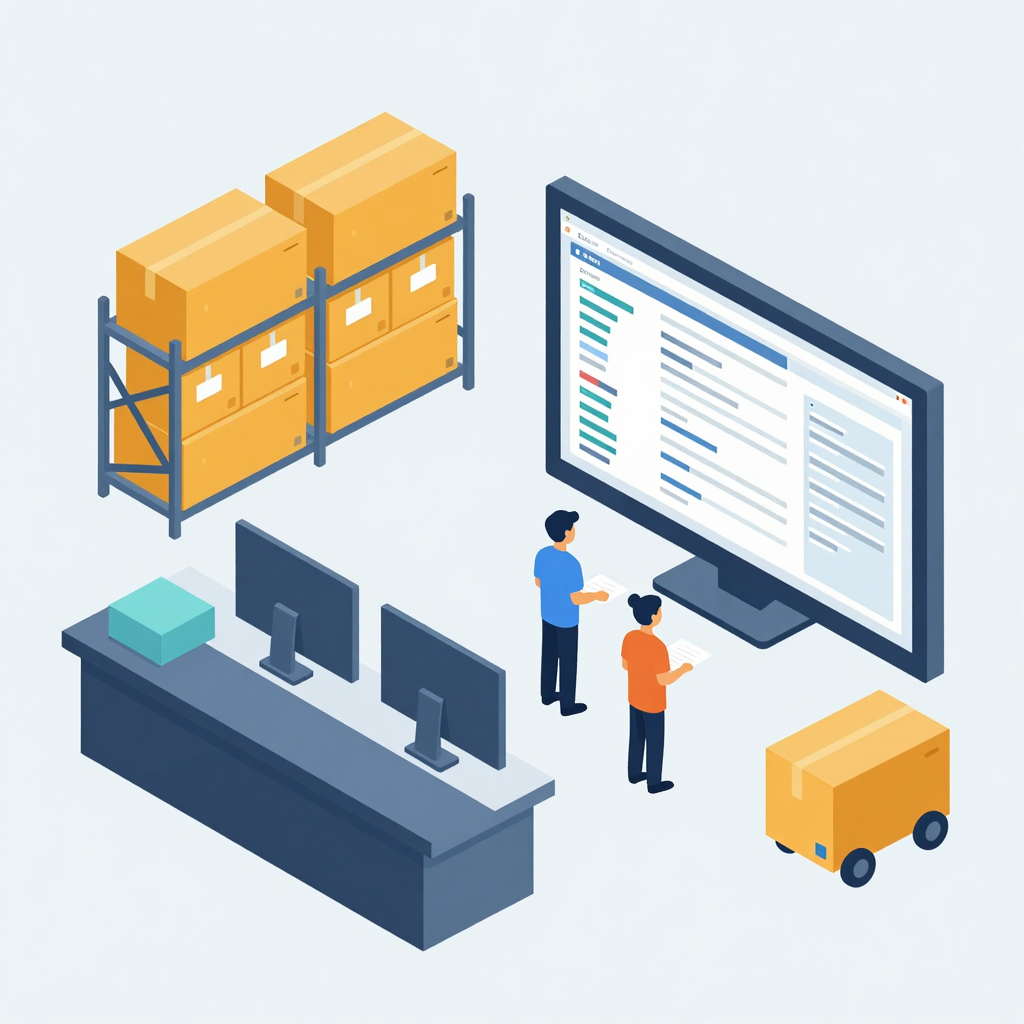
Before discussing investments and earnings, it’s crucial to know how a logistics franchise functions. This model involves buying the rights to operate under an established brand that provides comprehensive logistics solutions, including warehousing, freight forwarding, last-mile delivery, and inventory management. The franchisee operates locally while benefiting from the franchisor’s technology, expert training, vendor network, and marketing efforts.
Key Logistics Franchise Elements
| Aspect | Description |
|---|---|
| Franchise Rights | Permission to use brand name, operational systems, and business model |
| Technology | Software for warehouse management, tracking, billing, and communication |
| Support | Training, marketing assistance, and continuous operational guidance |
| Territory | Exclusive rights usually granted for specific cities or regions to minimize intra-brand competition |
| Investment | Franchise fee, setup costs, and working capital requirements |
| Revenue Streams | Deliveries, freight charges, warehouse rentals, value-added services, and more |
Investment in a Logistics Franchise
Investment requirements vary widely based on the franchisor’s brand reputation, operational scale, and territory size. Typically, initial franchise fees can range from ₹5 lakhs to ₹30 lakhs. Here’s what your investment includes:
- Franchise Fee: A one-time payment granting brand usage rights and operational license.
- Setup Costs: Capital expenditure on warehouse space (purchase or lease), delivery vehicles, IT infrastructure, and office setup.
- Working Capital: Operational costs like employee salaries, fuel, utilities, marketing campaigns, and day-to-day expenses.
- Tiered Packages: Recognizing the potential of Tier-2/3 cities, many franchisors—including EcomLogisticsPark—offer scalable investment plans that suit moderate budgets.
Investors should budget carefully and plan financial resources to ensure smooth business scaling from the outset.
Earnings Potential and Profitability
How much can a logistics franchise earn? Revenues primarily come from parcel delivery, freight forwarding, warehousing fees, and value-added services such as packaging or reverse logistics. Profitability depends on several factors:
- Operational Efficiency: Lower costs and faster turnaround times increase margins.
- Volume Handled: Cities with higher e-commerce activity generate more consistent parcel flows.
- Service Quality: Retaining clients through reliable service boosts revenue.
- ROI: Many franchises report breaking even in 12 to 24 months.
- Royalty Fees: Ongoing payments to franchisors, generally a percentage of monthly turnover, need to be factored into profit calculations.
The expansion of e-commerce in Tier-2/3 cities is creating multiple revenue channels, increasing franchise attractiveness.
Territory Rights: Why Exclusive Areas Matter
An exclusive operating territory protects franchisees by limiting competition under the same brand in their region. Territory allocation depends on:
- Population Density: More customers usually justify larger territories.
- Logistics Demand: Areas with growing industrial or e-commerce activity need comprehensive logistics coverage.
- Regional Development: Emerging cities are priority zones for logistics expansion.
For entrepreneurs in Tier-2 and Tier-3 cities, territories are often less crowded but present huge growth potential. Securing an exclusive zone means building lasting local brand loyalty.
Comprehensive Support from the Franchisor
The franchisor’s role is pivotal in enabling franchisees to succeed. Support typically includes:
- Training: Operational processes, sales techniques, customer service, and software usage.
- Technology: Access to advanced warehouse management systems, delivery tracking apps, and business analytics.
- Marketing Support: Nationwide brand campaigns complemented by regional initiatives, marketing collateral, and lead generation assistance.
- Supply Chain Access: Partnerships with transporters, warehouses, and e-commerce platforms to ensure smooth service delivery.
- Ongoing Operations: Troubleshooting, strategy advice, and performance monitoring by experts.
Such backing reduces risks and accelerates business establishment.
Highlighting the EcomLogisticsPark Franchise Program
For Tier-2/3 entrepreneurs, the EcomLogisticsPark franchise stands out as an ideal partner offering customized solutions that align with e-commerce logistics demands in emerging urban markets.
Why Choose EcomLogisticsPark?
- Investment: Starts at ₹10 lakhs with scalable plans to fit different capital capacities.
- Earnings: Multiple income streams such as warehousing, last-mile deliveries, reverse logistics, packaging; estimated ROI between 18 and 24 months.
- Territory: Exclusive regional rights focus on underserved Tier-2 and Tier-3 areas, ensuring minimal brand overlap.
- Support System: Advanced technology platform for real-time order and inventory control, comprehensive training, dedicated marketing campaigns, strong e-commerce tie-ups, and continual mentoring.
EcomLogisticsPark’s franchise model is designed to maximize efficiency while promoting local entrepreneurship.
Summary for Tier-2/3 City Entrepreneurs
What a logistics franchise involves—from initial investment to operational support—is a key consideration for entrepreneurs aiming to tap into India’s rapidly growing logistics sector. With moderate capital, protected territories, and extensive franchisor support, logistics franchises offer a low-risk opportunity to serve maturing markets outside metropolises.
The EcomLogisticsPark franchise program specifically caters to these Tier-2 and Tier-3 city entrepreneurs, combining the benefits of a trusted brand, cutting-edge technology, and localized market strategies. By joining such a franchise, you’re not only investing in a profitable future but also contributing to strengthening regional supply chains and creating jobs.
Ready to launch your logistics franchise journey? Contact us today to learn how EcomLogisticsPark can help you succeed.
FAQ
What is the typical initial investment for a logistics franchise?
Investment usually ranges from ₹5 lakhs up to ₹30 lakhs, depending on scale and brand.
Can a logistics franchise be run successfully in a Tier-3 city?
Absolutely. Growing e-commerce penetration and demand make Tier-3 cities a strategic location for logistics operations.
What kind of training support do franchisors provide?
Training covers all operational aspects, technology platforms, customer service, and marketing strategies.
How long does it take to attain ROI in logistics franchises?
Most franchises report ROI within 12 to 24 months with consistent operations.
Does the franchisor provide technology tools?
Yes, modern logistics franchises, including EcomLogisticsPark, provide software for order tracking, warehouse management, and delivery coordination.
Recent Blog
EV Last-Mile Delivery: Save Costs and Boost Sustainability
EV in Last-Mile Delivery: Explain Cost-Saving + Eco Benefits That…
Business Communication Channels: Types, Examples & Selection Tips
Here’s the provided markdown content converted into WordPress-compatible HTML: Business…

End the Hassle of Managing Multiple Courier Logins
Show the Pain of Juggling 5+ Courier Logins and How…
