 :
:  :
: 
Building Resilient Supply Chains with Route Diversification
Discuss Route Diversification and Risk Management: Building Resilient Supply Chains for Today and Tomorrow
Estimated reading time: 8 minutes
Key Takeaways

- Route diversification strengthens supply chains by developing multiple transportation paths.
- Effective risk management reduces the negative impacts of disruptions on operations.
- Combining route diversification with risk management enhances operational resilience.
- Real-time data and technology improve decision-making in logistics management.
- Adapting to future trends is crucial for maintaining efficient and agile supply chains.
Table of Contents
- Introduction
- Understanding Route Diversification: More Than Just Multiple Paths
- Risk Management in Logistics: Controlling the Unknown
- The Nexus: How Route Diversification Enhances Risk Management
- Real-World Examples: Route Diversification and Risk Management in Action
- Step-By-Step: Implementing Route Diversification and Risk Management
- Benefits and Tips for Businesses
- Future Trends in Route Diversification and Risk Management
- Conclusion
- FAQ
Introduction
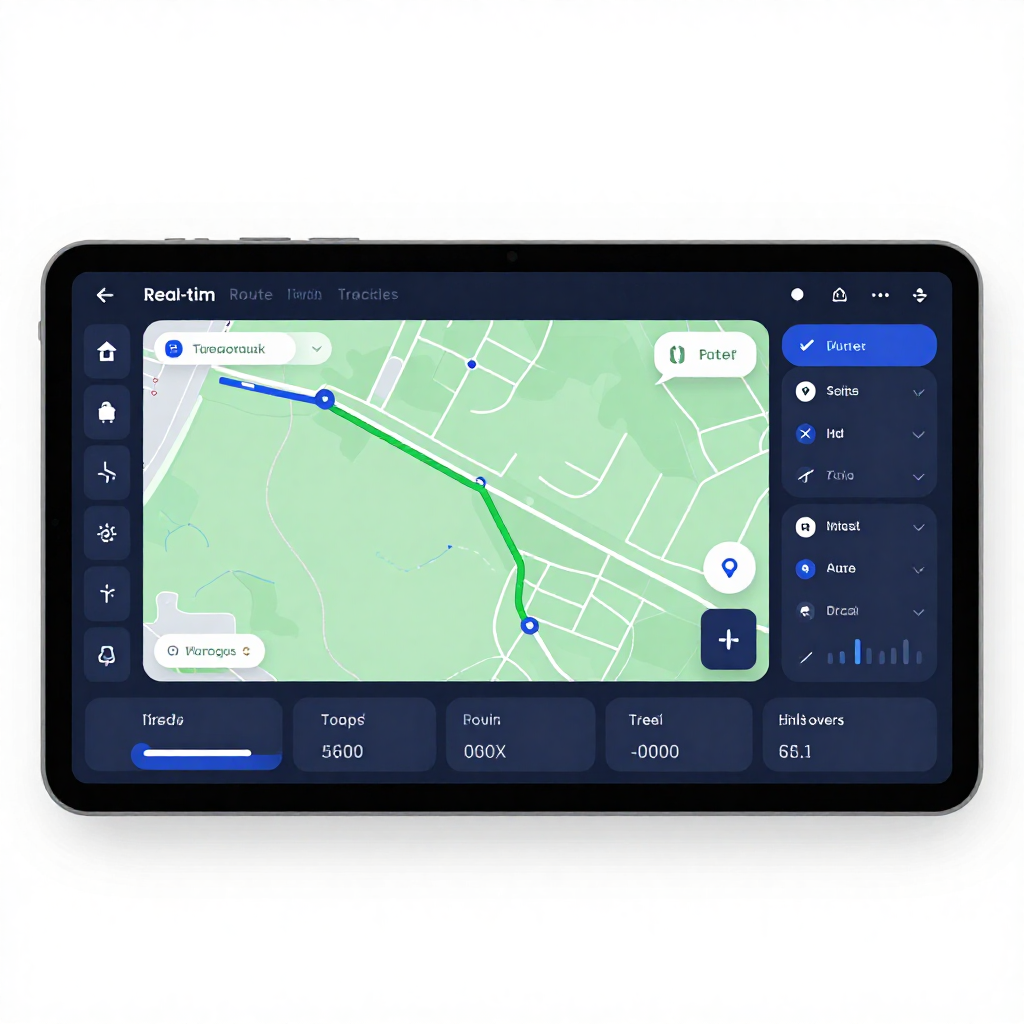
In today’s fast-paced global economy, disruptions in logistics can ripple across entire supply chains, causing delays, increased costs, and lost customer trust. This makes it imperative for companies to discuss route diversification and risk management as core strategies in their operational planning. Whether in India, the US, Europe, or emerging markets, supply chains face numerous risks—ranging from natural disasters and geopolitical tensions to infrastructure bottlenecks and cyber threats.
Route diversification and risk management are not just buzzwords; they represent vital approaches to ensure that goods and services move smoothly, even when unexpected challenges arise. By leveraging multiple transportation routes and systematically managing risks, organizations can enhance flexibility, reliability, and cost-efficiency.
In this article, we will explore what route diversification means, dive into risk management processes, show how these concepts intertwine, and offer actionable insights to help businesses future-proof their logistics networks.
Understanding Route Diversification: More Than Just Multiple Paths

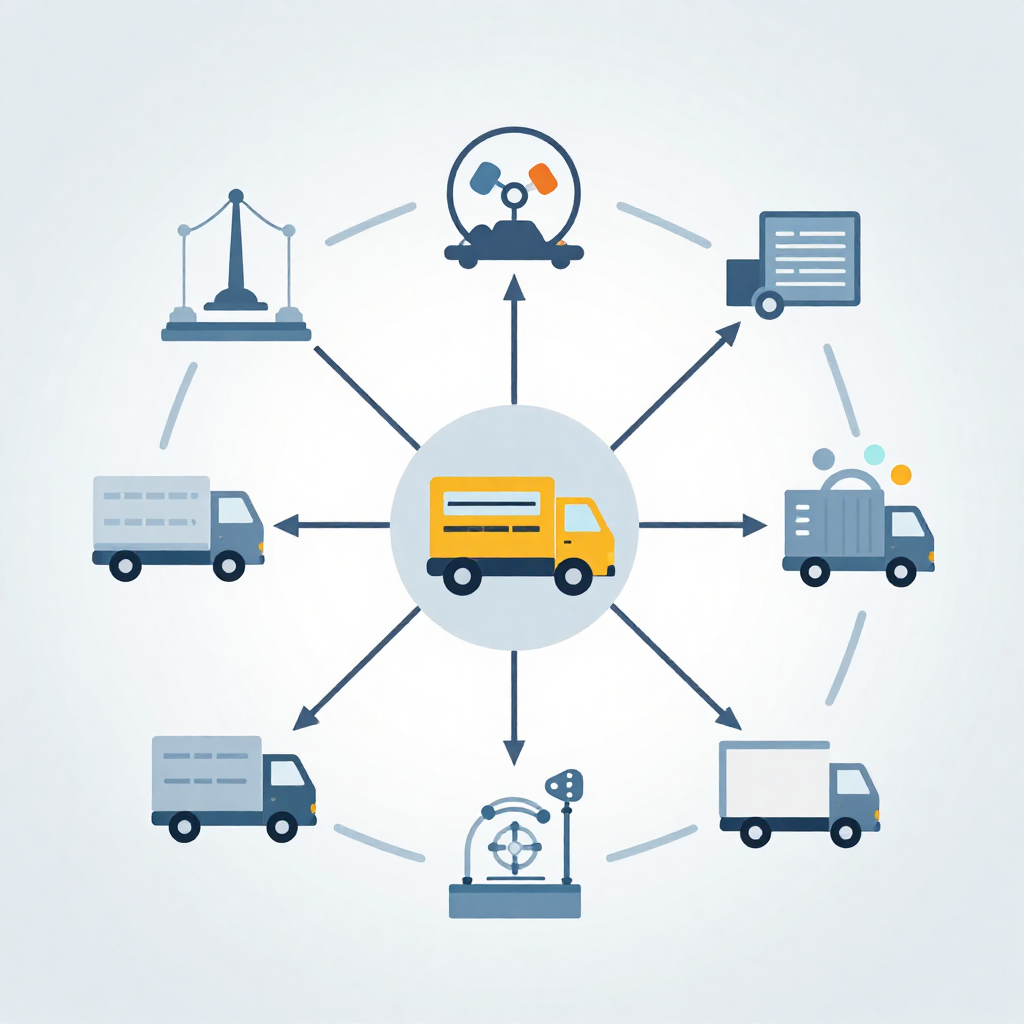
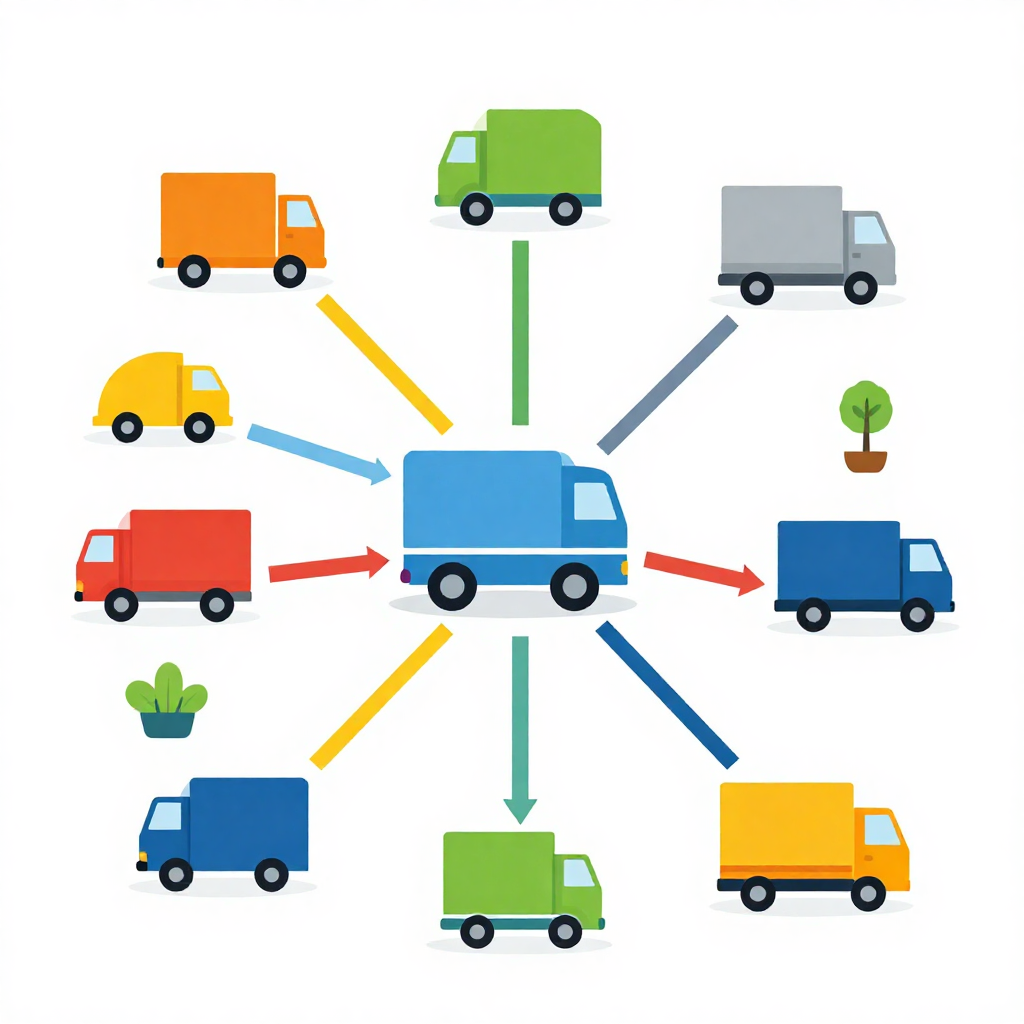
Route diversification refers to the strategic use of multiple transportation routes to move goods, services, or information instead of relying on a single, fixed path. This approach significantly strengthens system resilience in industries like logistics, shipping, and supply chain management.
Why Route Diversification Matters
- Multiple routes: Instead of using one route, companies develop alternative paths between origins and destinations.
- Flexibility: For example, if traffic congestion or road closures occur, shipments can be redirected seamlessly.
- Capacity balance: Distributing shipments prevents overloading any single route, improving overall efficiency.
- Redundancy: Backup paths ensure business continuity when usual routes are unavailable.
Benefits of Route Diversification
- Improved reliability: Companies minimize delays by switching routes when problems occur.
- Reduced delays: Natural disasters or accidents won’t halt operations entirely.
- Cost optimization: Routes can be chosen based on tolls, fuel use, and traffic conditions.
- Scalability: As business grows, multiple routes accommodate increased volume.
By adopting route diversification, businesses from small retailers to global e-commerce giants can keep their promises to customers even in uncertain times.
Risk Management in Logistics: Controlling the Unknown
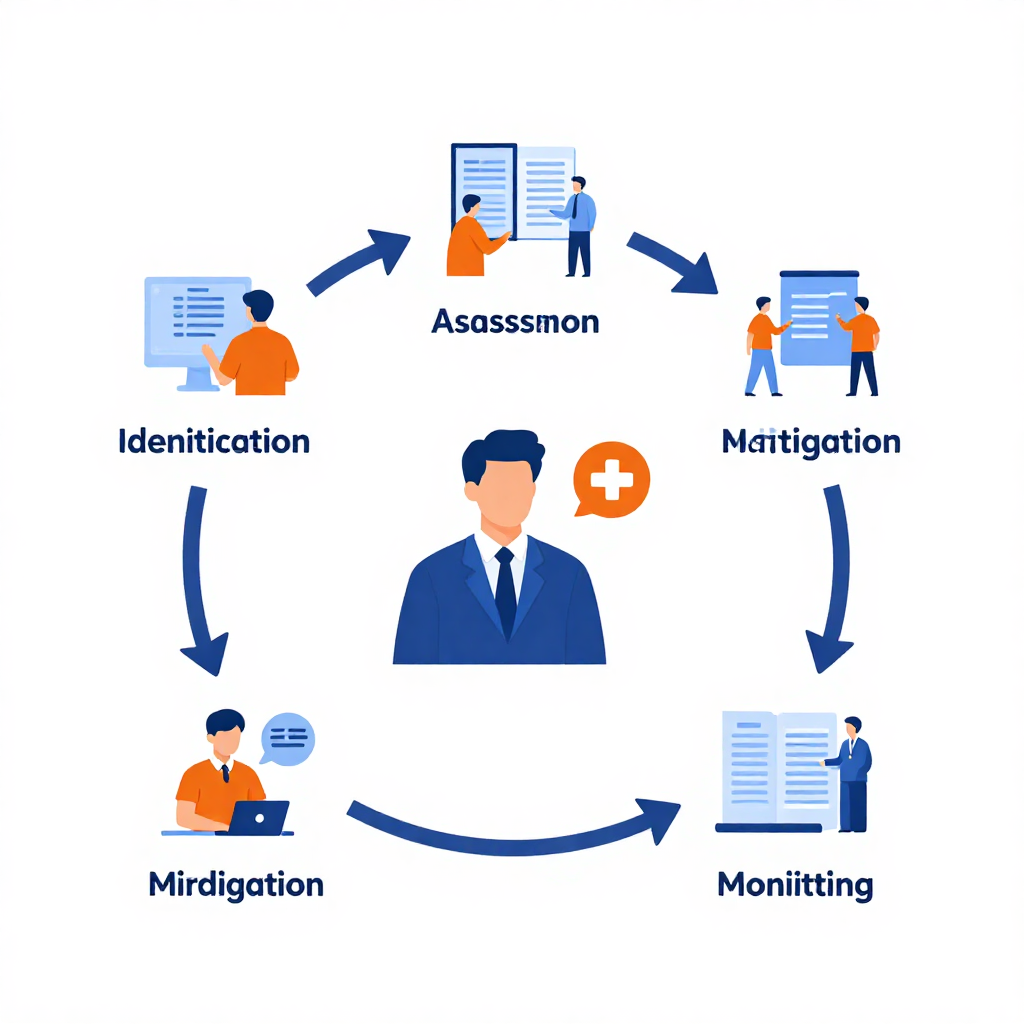
Risk management involves identifying, assessing, and mitigating risks to reduce their negative impact on operations. Within logistics and transportation, this means proactively preventing or lessening interruptions that could stop goods or services from flowing.
The Risk Management Process
- Risk Identification: Spot potential threats such as extreme weather, infrastructure failures, or supplier insolvency.
- Risk Assessment: Determine how likely each risk is and the severity of its impact.
- Risk Mitigation: Develop strategies like contingency plans, insurance policies, or diversification tactics.
- Monitoring: Continuously watch for risk indicators and evaluate the effectiveness of chosen measures.
- Response: Quickly implement corrective actions if risks occur.
Common Risks in Route Planning
- Road closures and port strikes
- Severe weather events like storms and floods
- Security threats including theft or piracy
- Regulatory changes such as customs tariffs or embargoes
- Failures within the supplier or transportation network
Teaming route diversification with risk management means companies don’t just react—they anticipate challenges and build adaptability into their systems.
The Nexus: How Route Diversification Enhances Risk Management
Route diversification is an invaluable component of effective risk management. Here’s how these two strategies reinforce each other:
- Mitigate Dependency Risk: Avoid putting “all eggs in one basket” by relying on a single route.
- Enhance Resilience: Quickly pivot to alternative routes when problems arise.
- Maintain Service Levels: Timely deliveries remain possible during disruptions.
- Optimize Decision-Making: Leverage real-time data to select routes best suited for current risks.
Logistics companies often integrate GPS tracking, traffic analytics, and AI-powered decision tools into their route selection process to strengthen this connection further.
Real-World Examples: Route Diversification and Risk Management in Action
- E-Commerce Giant Amazon: Amazon continuously optimizes delivery by using multiple transportation pathways—air, road, and sea—to reduce delays and maintain customer satisfaction during peak seasons or disruptions such as strikes or bad weather.
- Automotive Industry Supply Chains: Car manufacturers, heavily reliant on timely delivery of parts, diversify shipping routes and suppliers to manage geopolitical risks, such as tariff changes or border shutdowns.
- Food and Beverage Distribution: Perishable goods companies adopt route diversification alongside cold storage risk mitigation to avoid spoilage chances during weather-related road closures or truck breakdowns.
- Pharmaceutical Logistics: Companies transporting sensitive medical products map several transportation corridors and engage in thorough risk assessments to avoid delays that might jeopardize health outcomes.
- Global Shipping and Ports: Ports often develop secondary offloading facilities or bypass routes to handle congestion or strikes swiftly, minimizing disruption to international trade.
These examples demonstrate the practical benefits companies gain by intertwining route diversification with comprehensive risk management.
Step-By-Step: Implementing Route Diversification and Risk Management
For businesses looking to adopt or improve these strategies, here’s a practical guide:
- Assess Current Routes: Map out existing transportation pathways and dependencies.
- Identify Risks: Conduct a thorough risk audit—natural, political, infrastructural, and operational.
- Develop Alternative Routes: Research, test, and validate secondary pathways.
- Integrate Monitoring Tools: Invest in GPS, traffic, weather, and risk management software.
- Create Contingency Plans: Prepare step-by-step responses for different scenarios.
- Train Staff and Partners: Ensure everyone understands diversification plans and risk protocols.
- Continuously Evaluate: Regularly test routes, assess new risks, and update plans.
- Leverage Data Analytics: Use AI and big data to optimize route selection and anticipate issues.
This structured approach maximizes robustness and operational agility for any scale of logistics operation.
Benefits and Tips for Businesses
To capitalize on route diversification and risk management, keep these in mind:
- Prioritize flexibility: Build adaptable teams and systems.
- Collaborate with partners: Suppliers and carriers play key roles in implementing alternate routes.
- Invest in technology: Real-time data is crucial for proactive decisions.
- Balance cost and resilience: Not all diversification is cost-effective—prioritize critical routes.
- Regularly review risk landscape: Stay attuned to emerging vulnerabilities like cyber threats or climate change.
- Document and communicate: Keep all stakeholders informed of plans and responsibilities.
By doing so, companies can transform potential threats into opportunities for operational excellence.
Future Trends in Route Diversification and Risk Management
Looking ahead, several trends will shape these fields:
- AI and Machine Learning: Enhanced predictive analytics for route and risk optimization.
- IoT Sensors: Increased real-time monitoring of cargo, vehicles, and infrastructure.
- Sustainability Focus: Route choices incorporating carbon footprint and regulatory compliance.
- Blockchain: Transparent and secure tracking bolstering risk awareness.
- Collaborative Logistics: Shared route networks between companies to improve resilience.
- Climate Adaptation: Designing routes resilient to extreme weather and environmental changes.
Embracing these innovations will keep organizations ahead in the increasingly complex logistics landscape.
Conclusion
Discussing route diversification and risk management is essential for building agile, reliable supply chains capable of weathering uncertainties. Route diversification provides multiple pathways, reducing vulnerability, while risk management identifies and mitigates potential threats systematically. Together, they form a powerful strategy that enhances operational performance, reduces costs, and improves customer satisfaction across industries.
Are you ready to strengthen your logistics operations with these proven practices? Contact us today! Our experts can help tailor strategies suited to your unique business needs.
FAQ
What is the primary difference between route diversification and risk management?
Route diversification focuses on creating multiple transportation paths, while risk management encompasses the broader process of identifying, assessing, and mitigating risks including those related to routes.
How often should companies review their route diversification strategies?
Ideally, companies should review their routes at least quarterly or whenever significant disruptions or market changes occur.
Can technology improve route diversification?
Yes, technologies like GPS, AI, and real-time traffic data greatly enhance the ability to select and switch between optimal routes efficiently.
Is route diversification cost-effective?
While it may involve upfront investment, diversification often reduces costly delays and damages, resulting in net savings over time.
Can route diversification help during extreme weather events?
Absolutely. Multiple routes provide alternatives when certain paths become impassable due to storms, floods, or other weather-related hazards.
*Suggested Images:*
– Image 1: Logistics network showing multiple transport routes
– Image 2: Delivery trucks on alternative highways
– Image 3: Risk management workflow diagram
– Image 4: Real-time route tracking dashboard
– Image 5: Diverse transportation methods including air, sea, and land
[Related post: How to Leverage AI for Smarter Supply Chains]
Recent Blog

End the Hassle of Managing Multiple Courier Logins
Show the Pain of Juggling 5+ Courier Logins and How…

To-Pay vs Prepaid vs COD Explained for B2B Sellers
Understanding To-Pay vs Prepaid vs COD: What Every B2B Seller…
Complete Guide to Export Your Product from India Successfully
Here's the provided markdown converted to WordPress HTML format: I…
