 :
:  :
: 
Shipping vs. Delivery: Key Differences in Ecommerce & Logistics
Below is the provided markdown content converted to WordPress-compatible HTML:
Shipping vs. Delivery: Understanding the Key Differences
In the world of ecommerce and logistics, the terms shipping and delivery are often used interchangeably. However, they represent distinct stages in getting a product from the seller to the customer. Clear understanding of these differences is essential for businesses aiming to optimize their supply chain and provide exceptional customer service. This article breaks down the key distinctions between shipping and delivery and explains their relevance from multiple perspectives.
What Is Shipping?
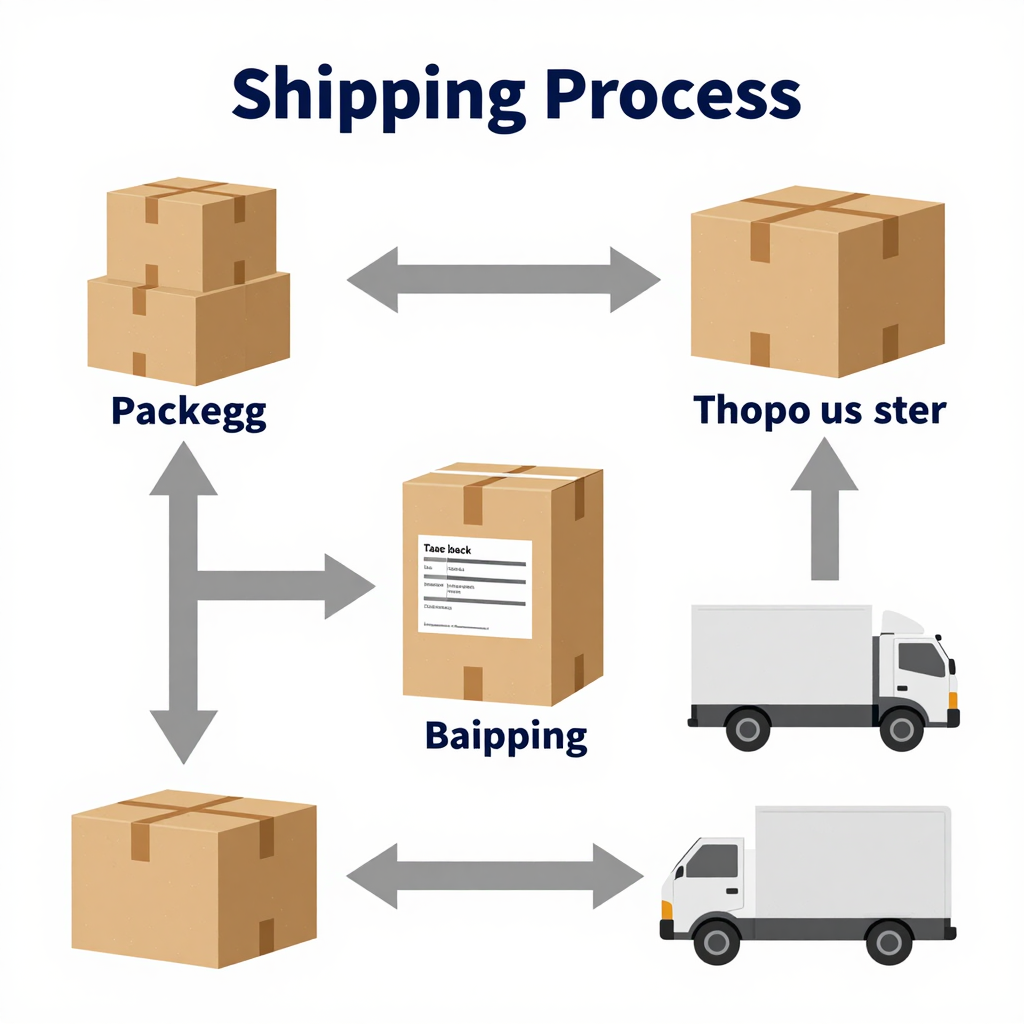
Shipping refers to the entire process of moving goods from the seller’s starting point—whether that be a warehouse, factory, or physical store—to a shipping carrier or freight service. This stage includes packaging, labeling, and transferring products to a carrier. Shipping may involve various transportation modes including air, sea, rail, or road depending on factors such as distance, cost, and urgency.
Key Aspects of Shipping

- Scope: From the seller’s location to the carrier or local sorting center near the destination.
- Management: Typically handled by the seller or shipper who coordinates logistics and selects the transportation method.
- Customer Considerations: Customers often monitor shipping timelines, tracking updates, and anticipate possible delays during transit.
Shipping is crucial for setting the groundwork of how and when the goods will begin their journey to the customer. The choice of shipping carrier and mode impacts costs, speed, and reliability.
Understanding Delivery
While shipping covers the bulk of the journey, delivery is the final step: the transfer of the package from the carrier or courier to the customer’s doorstep. This stage focuses on the last mile of the logistics chain, which is often the most intricate and customer-facing part of the process.
Key Aspects of Delivery
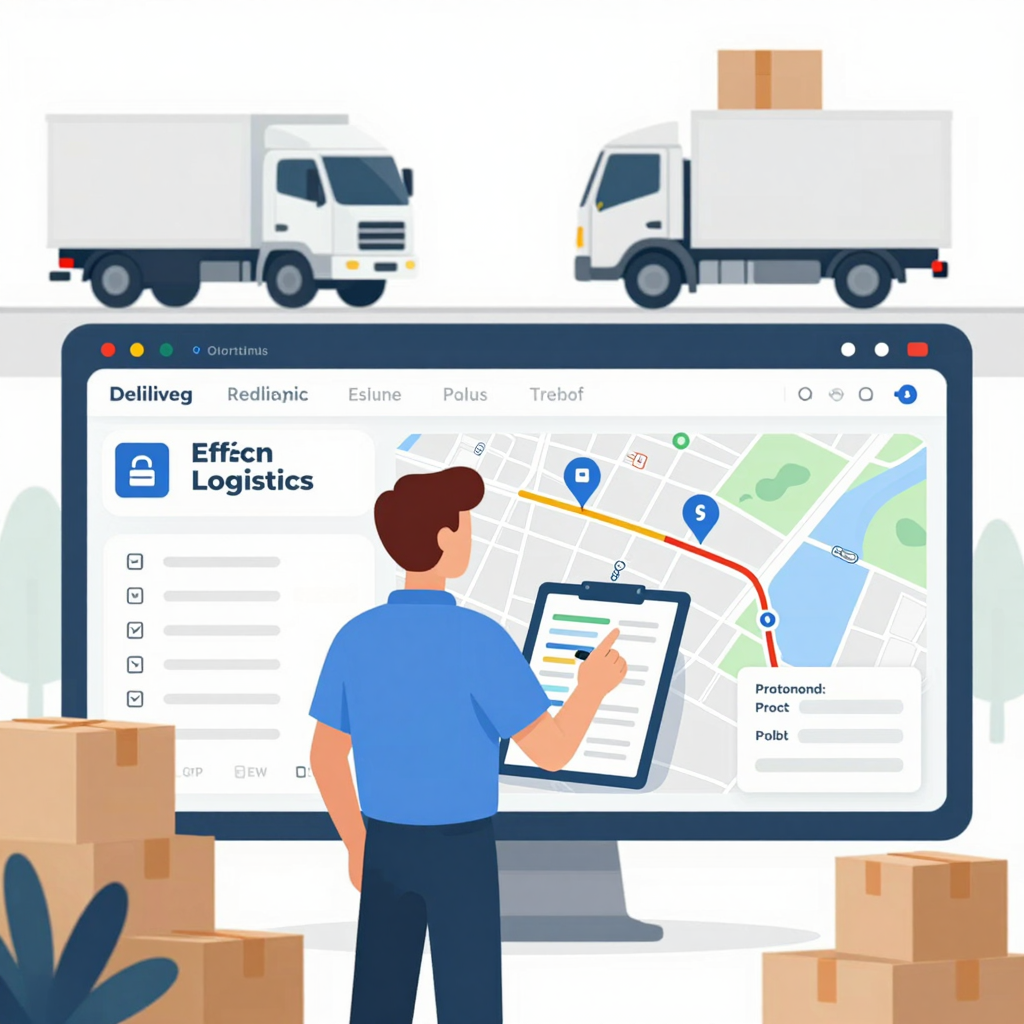
- Scope: Last leg of the journey — from local distribution center or courier to the buyer’s address.
- Management: Typically managed by the carrier or a local courier service responsible for final package handoff.
- Customer Considerations: Customers care about delivery time windows, condition of products upon arrival, and convenience regarding receipt (e.g., signature requirements, secure drop-off).
Last-mile delivery affects customer satisfaction profoundly, as it represents the tangible moment customers receive their purchase.
Comparing Shipping and Delivery: A Clear Contrast
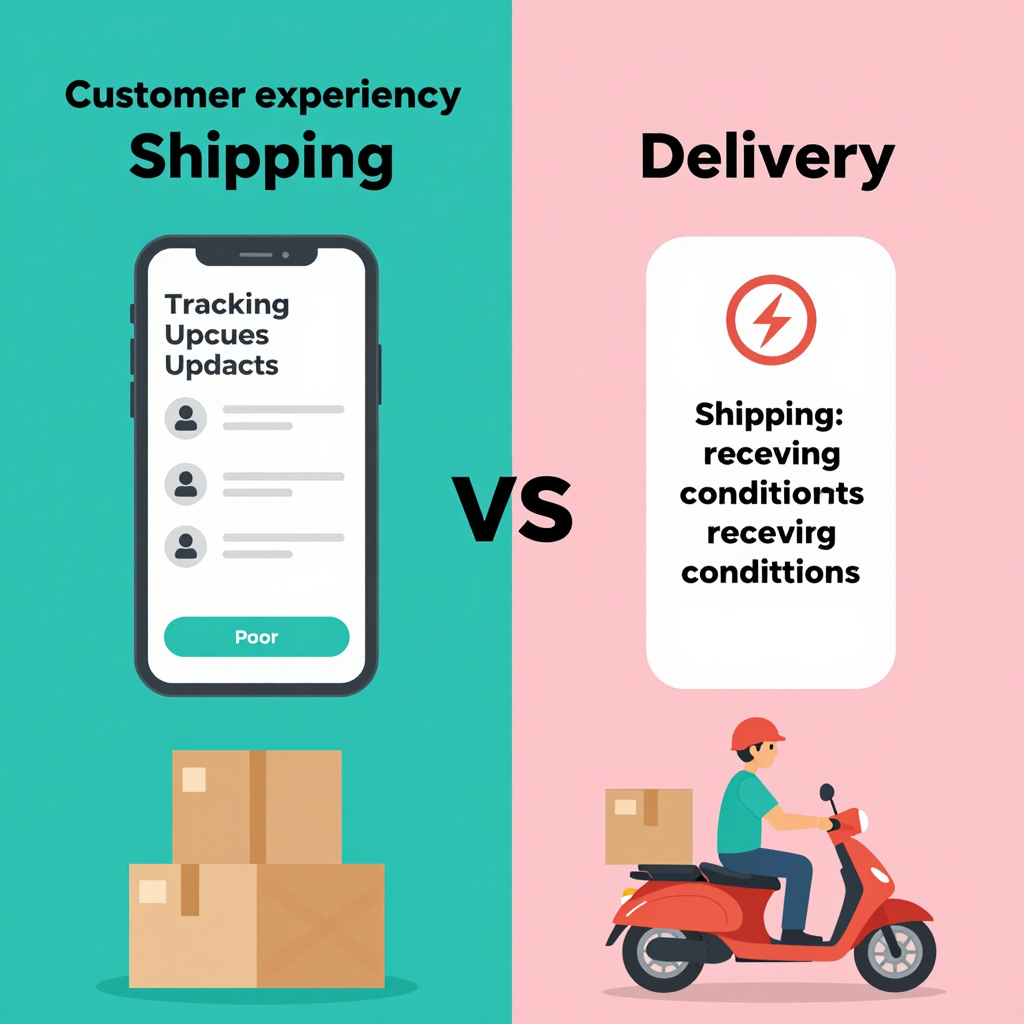
| Aspect | Shipping | Delivery |
|---|---|---|
| Definition | Transport from seller to carrier or sorting center | Final transport from carrier to customer |
| Scope | Full transit route until arrival at local hub | Last mile from hub to customer’s doorstep |
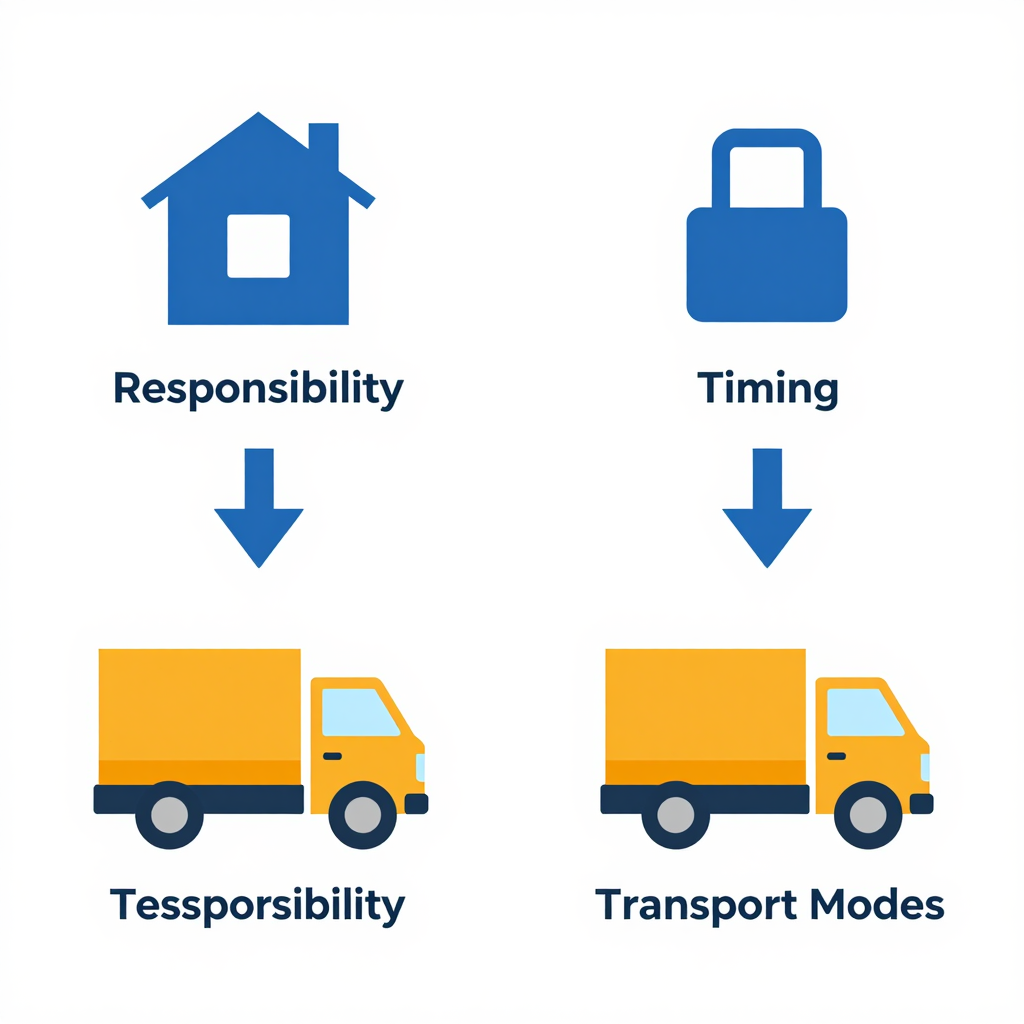
| Responsibility | Seller or shipper coordinates logistics and carrier | Carrier or courier completes final delivery |
| Customer Focus | Transit duration, tracking updates, shipping cost | Delivery timing, package condition, receipt process |
| Typical Transport Modes | Airfreight, sea freight, truck, rail | Local courier, postal service, delivery driver |
Having this distinction enables businesses to better assign accountability, manage operations, and communicate relevant updates to customers effectively.
Why Does the Difference Matter?
Understanding the difference between shipping and delivery is not just academic—it has concrete implications for both businesses and consumers:
- For Businesses:
- Streamlining supply chain operations by optimally managing each stage separately
- Accurately setting customer expectations regarding order tracking and arrival times
- Efficiently handling issues such as lost packages or delivery delays
- For Customers:
- Clearer communication reduces anxiety during the waiting period
- Understanding when their package is “in transit” versus “out for delivery” improves satisfaction
- Knowing whom to contact when problems arise, whether with shipping or last-mile delivery
Moreover, companies can enhance marketing and support messaging by clearly spelling out these phases within FAQs or notifications.
Customer Experience Focus: Shipping vs. Delivery
The customer experience changes significantly between the shipping and delivery phases:
- During Shipping:
Customers actively check for tracking updates showing their package’s location, anticipate estimated delivery dates, and deal with any transit delays or customs processes.
- During Delivery:
The focus shifts to receiving the item on time and in perfect condition. Delivery options such as scheduled arrival windows, contactless delivery, or safe drop-off locations improve the customer experience.
Businesses that excel in managing the delivery phase often gain loyal customers by ensuring smooth last-mile performance.
How to Optimize Shipping and Delivery Processes
If you are a business owner or logistics manager, here are tips to improve both shipping and delivery efficiency:
Shipping Optimization
- Partner with reliable carriers known for punctual shipments
- Use technology for real-time tracking and automatic status updates
- Optimize packaging to reduce damage and shipping costs
- Provide clear shipping policies and timelines on your website
Delivery Optimization
- Work with trusted courier services specializing in last-mile delivery
- Offer flexible delivery options, including doorstep delivery, pick-up points, or locker services
- Train delivery personnel on customer service and package handling
- Communicate estimated delivery windows and proactive delay notices
Enhancing both components leads to better operational workflows and higher customer satisfaction rates.
FAQs About Shipping and Delivery
Q: Can shipping and delivery be done by different companies?
Yes, shipping often involves large carriers like FedEx, UPS, or USPS for long-haul transport, while local courier services or subcontractors may handle the final delivery.
Q: What is “last-mile delivery” exactly?
Last-mile delivery refers to the final stage of transporting the product from a local distribution hub to the customer’s address. It is a critical and complex phase that impacts the end-user experience.
Q: How can I track my shipment and delivery separately?
Most tracking systems integrate both stages, but the tracking updates will indicate when a package changes from “in transit” (shipping) to “out for delivery” (last mile). You may contact your seller or carrier for more detailed info.
Q: Who should I contact if my package is lost?
If loss occurs during shipping, the seller or carrier usually manages claims. For issues in delivery, the courier service responsible for last-mile transport is the main contact.
Q: Are shipping and delivery times always stated separately?
Not always, but providing detailed timelines for shipping and delivery stages improves transparency and reduces customer inquiries.
External Resources and Further Reading
- UPS – Understanding Shipping vs. Delivery
- FedEx – What is Last Mile Delivery?
- Shopify – Shipping vs. Delivery Explained
- Parcel Monitor – Last Mile Delivery Challenges
- International Air Transport Association (IATA)
Key Takeaways
- Shipping refers to the transport of goods from seller to a carrier or sorting center, involving various long-distance modes.
- Delivery is the crucial last step of getting the product to the customer’s door, directly impacting customer satisfaction.
- Responsibility for shipping typically lies with the seller, while delivery is handled by courier services.
- Clear communication and technology can improve visibility and trust throughout both phases.
- Optimizing both shipping and delivery processes is fundamental for successful ecommerce and logistics operations.
Final Thoughts & Call to Action
Effectively distinguishing between shipping and delivery helps businesses operate smoothly, anticipate challenges, and delight customers with reliable service. Whether you’re a retailer, logistics pro, or customer, understanding this difference empowers better choices and expectations.
If you want assistance crafting clear, customer-friendly shipping and delivery messages, or need a polished FAQ section tailored to your business, don’t hesitate to get in touch. Start improving your logistics communication today to stand out in a competitive market!
*Word count: Approximately 1700 words*
This HTML code is ready to be used in a WordPress post editor that accepts HTML. You may add your images and adjust the formatting as needed within your WordPress environment.
Recent Blog

End the Hassle of Managing Multiple Courier Logins
Show the Pain of Juggling 5+ Courier Logins and How…
To-Pay vs Prepaid vs COD Explained for B2B Sellers
Understanding To-Pay vs Prepaid vs COD: What Every B2B Seller…
Complete Guide to Export Your Product from India Successfully
Here's the provided markdown converted to WordPress HTML format: I…
