 :
:  :
: 
Sustainable Cost-Saving Logistics Strategies for a Greener Future
Focus on Sustainability and Cost-Saving in Logistics: Smart Strategies for a Greener Future
Estimated reading time: 8 minutes
Key Takeaways
- Optimizing logistics can reduce operational costs and environmental impact.
- Green technologies and practices are essential for sustainable growth.
- Collaboration and innovative strategies can streamline logistics efficiency.
- Investing in sustainable packaging minimizes material costs and enhances brand reputation.
- Data analytics is crucial for optimizing supply chains and inventory management.
Table of Contents

- Introduction
- The Growing Need for Sustainability and Cost-Saving in Logistics
- Optimizing Transportation for Sustainability and Savings
- Enhancing Warehouse Efficiency
- Sustainable Packaging Solutions
- Leveraging Inventory Management and Collaboration
- Harnessing Technology and Data Analytics in Logistics
- Complying with Regulatory Standards
- Benefits of Focusing on Sustainability and Cost-Saving in Logistics
- Step-by-Step Guide to Implementing Sustainable, Cost-Saving Logistics
- Future Trends in Sustainable Logistics
- Conclusion
- FAQ
Introduction

In today’s competitive global market, logistics companies face the dual challenge of reducing operational costs while committing to sustainability. This focus on sustainability and cost-saving in logistics is not just a trend—it’s a necessity. With rising fuel prices, stricter environmental regulations, and increasing consumer demand for eco-friendly practices, companies must optimize their operations to remain profitable and responsible.
From India to global markets, sustainable logistics practices can significantly impact both the environment and the bottom line. The logistics sector contributes approximately 14% of global greenhouse gas emissions, making it a critical area for sustainability improvement. But how can companies reduce costs without compromising service quality? The answer lies in integrating innovative green practices with efficiency measures.
This article explores key strategies to achieve sustainability and cost-saving in logistics. We’ll dive into optimizing transportation, warehouse efficiency, sustainable packaging, and more. Whether you’re a small business or a multinational, this guide offers actionable insights to improve your logistics footprint and reduce expenses—unlocking both ecological and financial benefits.
The Growing Need for Sustainability and Cost-Saving in Logistics
The logistics industry faces increasing pressure to lower carbon emissions while controlling costs. According to the International Energy Agency, transportation accounts for nearly 25% of global CO2 emissions, with freight logistics as a major contributor. Simultaneously, companies strive to manage supply chain expenses that can represent up to 20% of their total costs. These intersecting challenges push businesses toward effective, sustainable solutions.
Consumers are also influencing this shift. A recent survey found that over 70% of buyers prefer brands with sustainable supply chains. In India, rapid urbanization and infrastructure growth require smart logistics solutions to avoid environmental degradation and costly inefficiencies.
To tackle these issues, logistics operators must rethink traditional practices. Employing green technologies, leveraging data, and fostering collaboration can help create cost-effective, sustainable supply chains that benefit companies, customers, and the planet.
Optimizing Transportation for Sustainability and Savings
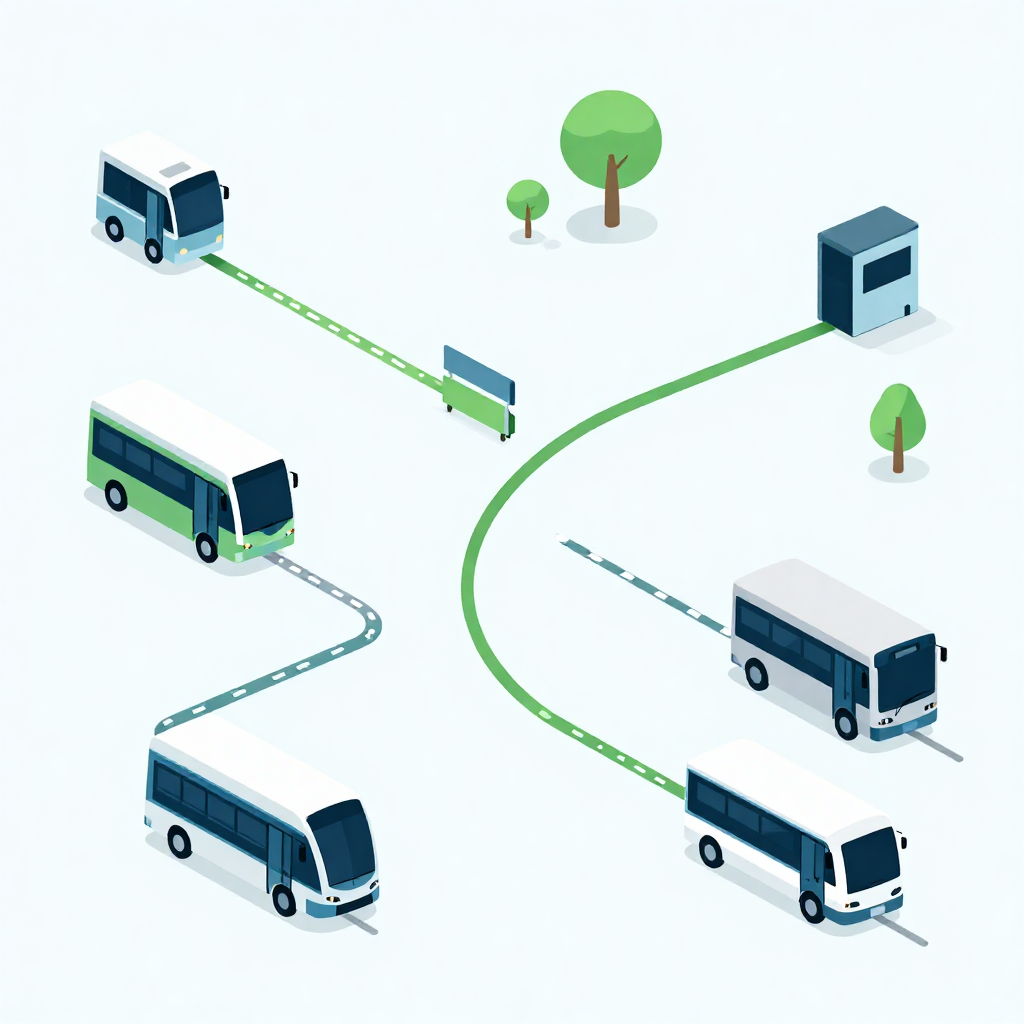
Transportation is the lifeblood of logistics but also the biggest expense and pollution source. Optimizing transportation can dramatically cut emissions and costs through:
- Route optimization: Advanced software plans the shortest, fastest routes, saving fuel and time.
- Load consolidation: Combining shipments maximizes vehicle capacity and reduces trips.
- Eco-friendly vehicles: Electric, hybrid trucks, or vehicles using biodiesel and other alternative fuels reduce carbon footprints.
- Driver training: Educating drivers on eco-driving techniques helps lower fuel consumption.
For example, DHL implemented route optimization and eco-driving programs that improved delivery efficiency by 15% and reduced emissions significantly. These measures not only shrink costs but contribute to corporate sustainability goals.
Enhancing Warehouse Efficiency
Warehouses are hubs for logistics operations where energy consumption and waste can add up quickly. Enhancing warehouse efficiency includes:
- Energy-efficient facilities: Using LED lighting, motion sensors, and solar panels reduce energy bills.
- Automation: Automated picking and packing minimize errors and waste, speeding operations.
- Waste reduction: Recycling packaging and optimizing pack sizes lower material costs and environmental impact.
Amazon, for instance, has aggressively pursued warehouse automation and renewable energy use, cutting costs and achieving carbon-positive milestones.
Sustainable Packaging Solutions
Sustainable packaging reduces environmental harm and cuts costs through lighter, recyclable materials:
- Use biodegradable or recyclable packaging.
- Design compact packaging to reduce material and shipping weight.
Companies like Unilever have transitioned to 100% recyclable packaging, saving millions annually on materials and shipping, while boosting their green credentials.
Leveraging Inventory Management and Collaboration
Smart inventory management and external collaboration optimize resource use:
- Just-in-time inventory: Reduces storage costs and prevents waste.
- Data analytics: Forecasts demand to avoid overstock.
- Resource sharing: Partnering on warehousing and transportation improves utilization.
- Supplier collaboration: Working only with suppliers committed to sustainability amplifies impact.
Collaboration models such as shipment sharing have helped companies cut logistics costs by up to 25%.
Harnessing Technology and Data Analytics in Logistics
Technology transforms logistics into a data-driven, transparent process:
- Data monitoring: Identifies inefficiencies in real time.
- IoT devices: Provide live tracking, improving route and inventory management.
- Predictive analytics: Helps forecast trends and optimize supply chains for cost and sustainability.
Many global players use IoT-powered dashboards to streamline operations, significantly reducing waste and fuel consumption.
Complying with Regulatory Standards
Adhering to environmental regulations is critical. Companies avoiding compliance risk fines, while compliance may unlock incentives and tax benefits. Staying updated with regional and global regulations helps avoid penalties and enhances reputation.
Benefits of Focusing on Sustainability and Cost-Saving in Logistics
Implementing sustainable and cost-saving logistics practices offers numerous benefits:
- Reduced operational costs: Fuel savings, energy efficiency, and process optimization lower expenses.
- Enhanced brand reputation: Sustainability appeals to eco-conscious customers and partners.
- Lower environmental impact: Reduced carbon emissions and waste protect natural resources.
- Improved supply chain resilience: Efficient operations adapt better to market fluctuations.
These advantages make sustainability a smart investment rather than a cost burden.
Step-by-Step Guide to Implementing Sustainable, Cost-Saving Logistics
- Assess your current logistics footprint: Identify key areas of inefficiency and environmental impact.
- Invest in route optimization and eco-friendly vehicles to reduce fuel consumption.
- Enhance warehouse operations with energy-efficient lighting, automation, and waste reduction.
- Adopt sustainable packaging to lower material costs and improve recyclability.
- Leverage data analytics and IoT to gain supply chain visibility and optimize inventory.
- Collaborate with partners sharing resources and sustainability goals.
- Train employees on eco-friendly practices and compliance with regulations.
- Continuously monitor and adjust based on performance data and evolving standards.
Future Trends in Sustainable Logistics
The future promises deeper integration of green technology: hydrogen fuel cell trucks, AI-driven supply chain optimization, blockchain for transparency, and circular economy practices. These advance sustainability and efficiency, supporting a resilient and low-carbon logistics ecosystem.
Conclusion
Focusing on sustainability and cost-saving in logistics is no longer optional—it’s essential for survival and growth. By optimizing transportation, improving warehouse efficiency, adopting sustainable packaging, and using cutting-edge technology, companies can achieve significant cost reductions and environmental benefits. Embracing these strategies strengthens brand reputation and prepares logistics networks for future challenges.
Are you ready to transform your logistics operations? Contact us today! We can help tailor a sustainable, cost-saving plan to fit your unique needs and goals.
FAQ
How does route optimization save costs and reduce emissions?
Route optimization uses software to select the shortest and fastest routes, decreasing fuel consumption and delivery times, leading to lower operational costs and emissions.
What are some common sustainable packaging materials?
Biodegradable plastics, recycled cardboard, and plant-based materials are popular sustainable packaging options that minimize environmental impact.
Can small businesses benefit from sustainable logistics?
Absolutely. Small businesses can reduce costs, appeal to eco-conscious customers, and comply with regulations by implementing even basic sustainable practices.
How do IoT devices enhance logistics sustainability?
IoT devices provide real-time tracking of shipments and vehicles, allowing proactive adjustments that optimize fuel use and inventory, lowering waste and emissions.
What incentives exist for sustainable logistics?
Many governments offer tax breaks, grants, and credits for companies adopting green technologies and practices in their supply chains.
[Related post: How Green Technologies Are Revolutionizing Supply Chains]
[Related post: Cutting Costs with Smart Warehouse Automation]
Recent Blog

End the Hassle of Managing Multiple Courier Logins
Show the Pain of Juggling 5+ Courier Logins and How…
To-Pay vs Prepaid vs COD Explained for B2B Sellers
Understanding To-Pay vs Prepaid vs COD: What Every B2B Seller…
Complete Guide to Export Your Product from India Successfully
Here's the provided markdown converted to WordPress HTML format: I…
