 :
:  :
: 
Top Warehouse Management Trends in India for 2026
Here’s the provided markdown converted to WordPress HTML format:
Top Warehouse Management Trends in India for 2026: What to Expect
The landscape of warehouse management in India is undergoing a rapid transformation. As the country’s logistics and supply chain sectors evolve, warehouses too are becoming smarter, more efficient, and more sustainable. By 2026, warehouses across India are expected to adopt cutting-edge technologies and innovative practices that will redefine how goods are stored, processed, and shipped. In this article, we explore the top warehouse management trends projected for India in 2026, highlighting how these trends will shape the future of warehousing and logistics.
1. Automation and Robotics: The Future of Operational Efficiency
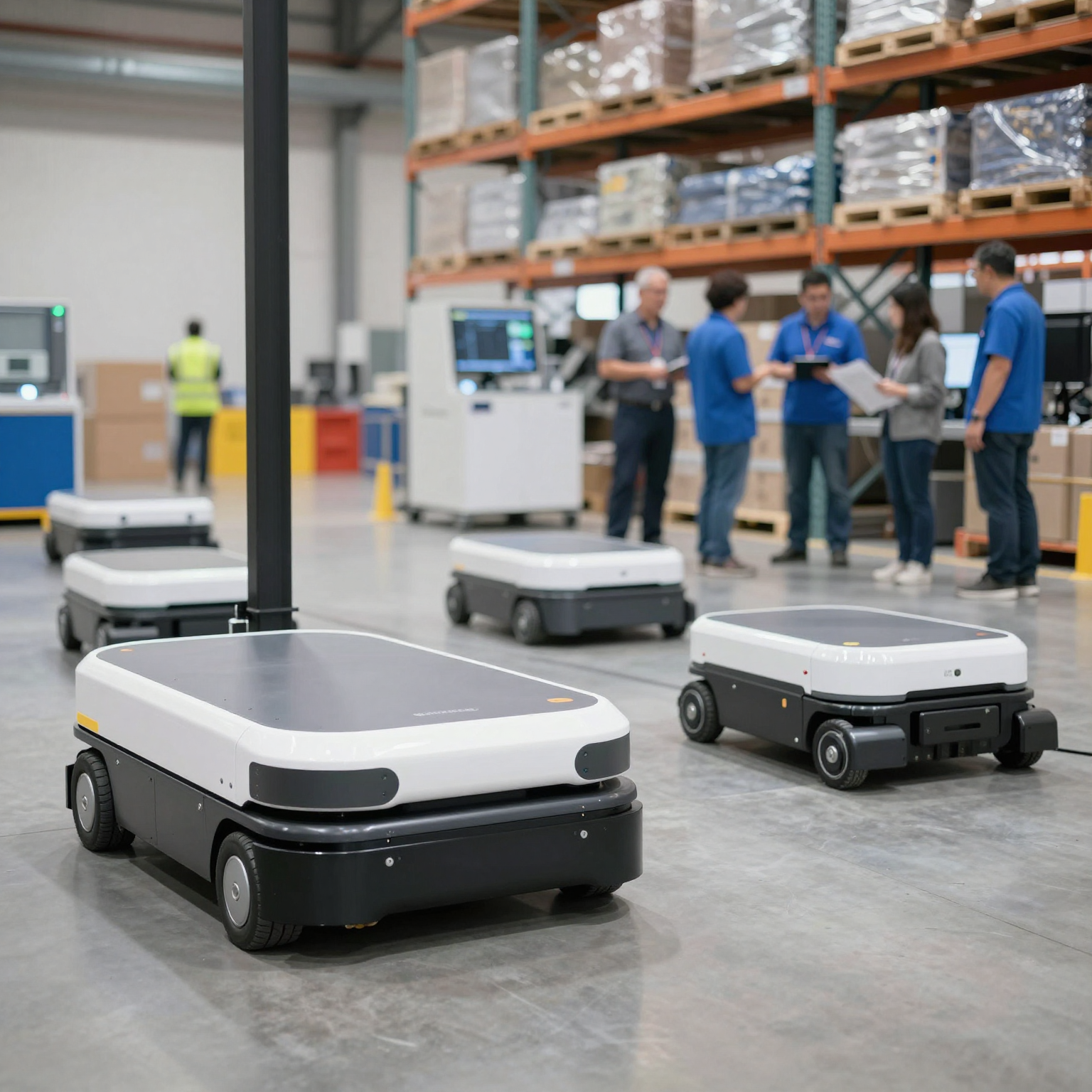
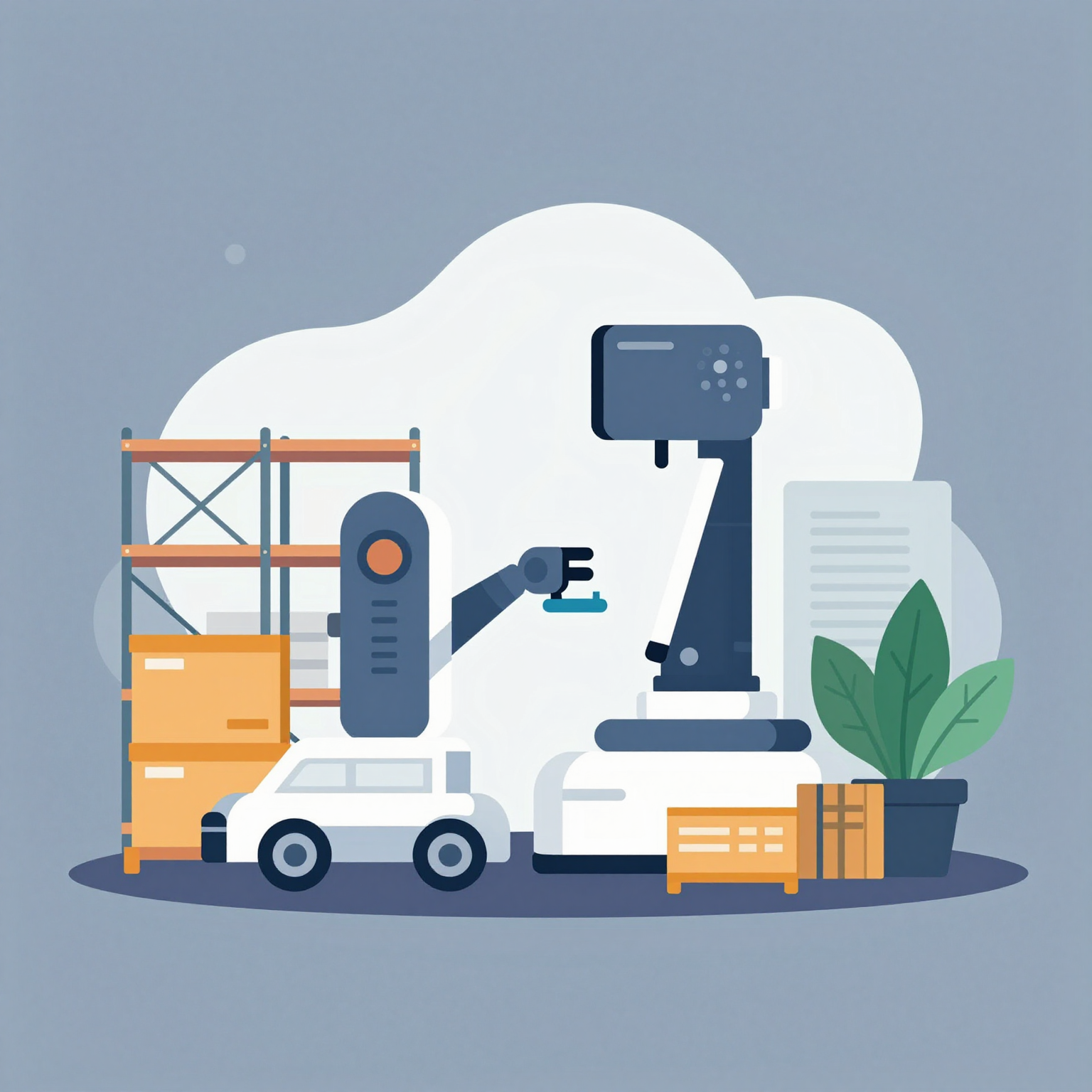
One of the most prominent trends in warehouse management is the increasing adoption of automation and robotics. Automated guided vehicles (AGVs), autonomous mobile robots (AMRs), and robotic arms are being deployed for tasks such as picking, packing, and sorting. These technologies not only enhance operational efficiency but also minimize human error, reduce labor costs, and speed up fulfillment.
Indian warehouses are rapidly integrating these automation tools to keep pace with growing e-commerce demands and complex supply chains. The result is higher throughput, better accuracy, and a competitive edge in the market.
2. AI and Machine Learning Integration for Smarter Warehousing
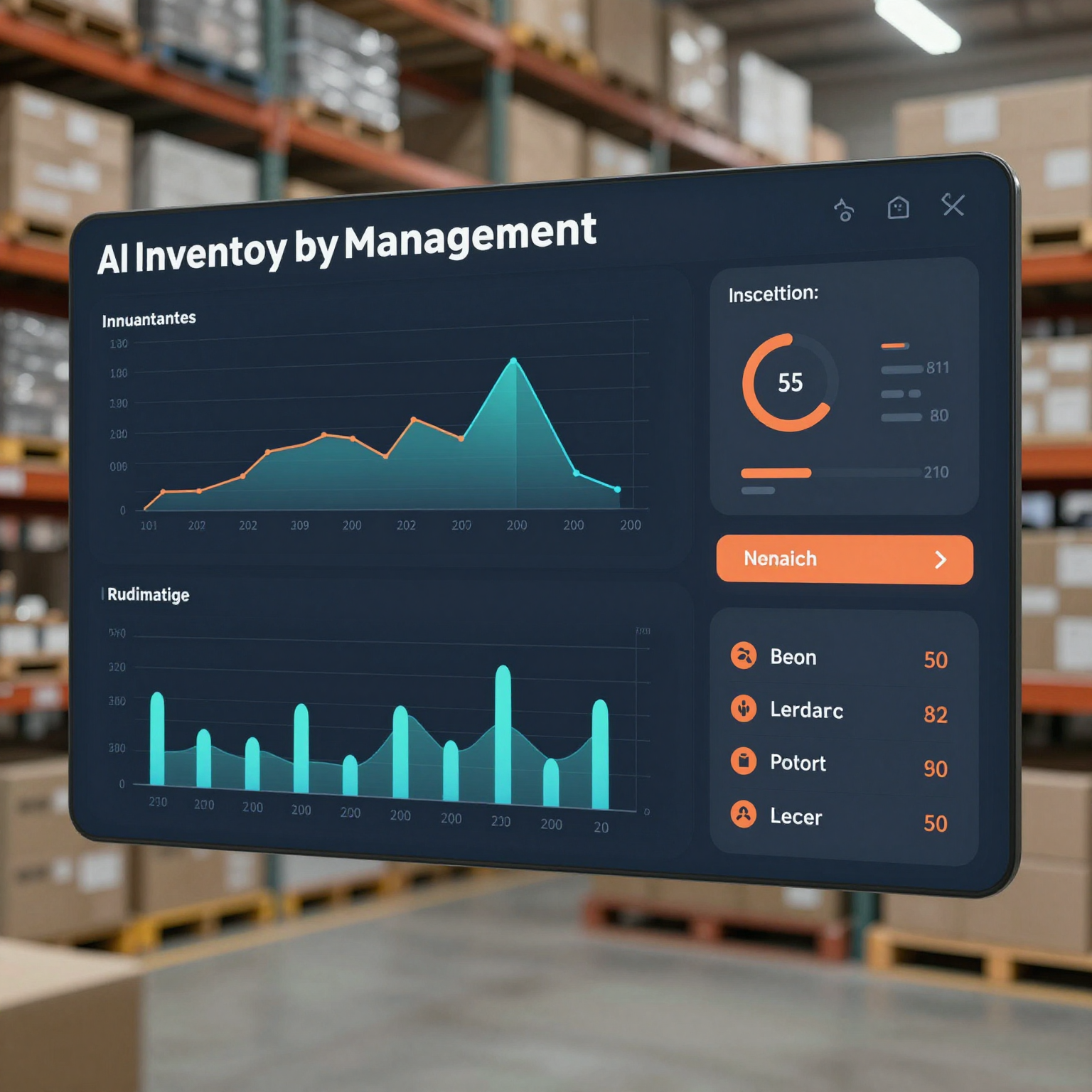
Artificial Intelligence (AI) and Machine Learning (ML) are revolutionizing warehouse operations by providing predictive and prescriptive insights. AI-driven analytics help warehouse managers forecast demand accurately, optimize inventory levels, and schedule maintenance proactively.
Predictive maintenance powered by ML algorithms can foresee equipment failures before they happen, reducing downtime and repair costs. The adoption of AI in warehousing also aids in dynamic slotting and labor management, ensuring resources are allocated efficiently.
3. IoT and Real-Time Tracking: Enhancing Visibility and Accuracy

The Internet of Things (IoT) has emerged as a game-changer in warehouse management. Deployment of IoT sensors and RFID tags enables real-time tracking of inventory and assets. This level of visibility minimizes inventory losses, prevents stockouts, and enhances accuracy in order fulfillment.
Moreover, IoT devices can monitor warehouse environmental conditions like temperature and humidity, crucial for industries dealing with perishable goods or sensitive products. Such data-driven monitoring ensures quality control and compliance with regulatory standards.
4. Sustainability and Green Warehousing: Going Eco-Friendly
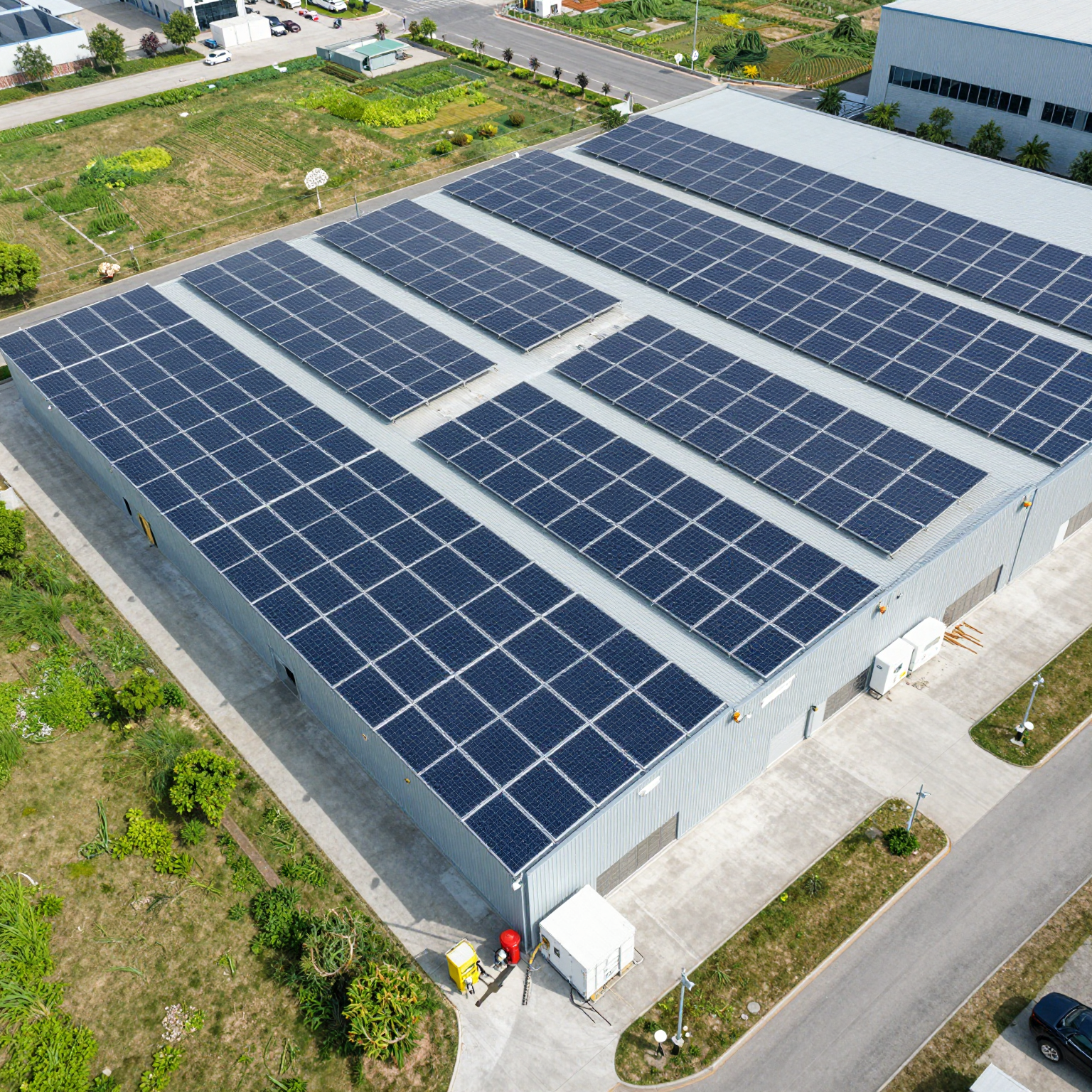
With growing awareness about climate change, sustainability is becoming a core focus area in warehouse management. Energy-efficient building designs, solar panels, LED lighting, and smart HVAC systems are increasingly being integrated into warehouse infrastructure to reduce energy consumption.
Furthermore, Indian warehouses are embracing sustainable packaging materials and waste reduction practices to minimize their carbon footprint. This green warehousing approach not only aligns with global environmental goals but also appeals to eco-conscious customers and business partners.
5. Cloud-Based Warehouse Management Systems (WMS): Flexibility and Integration
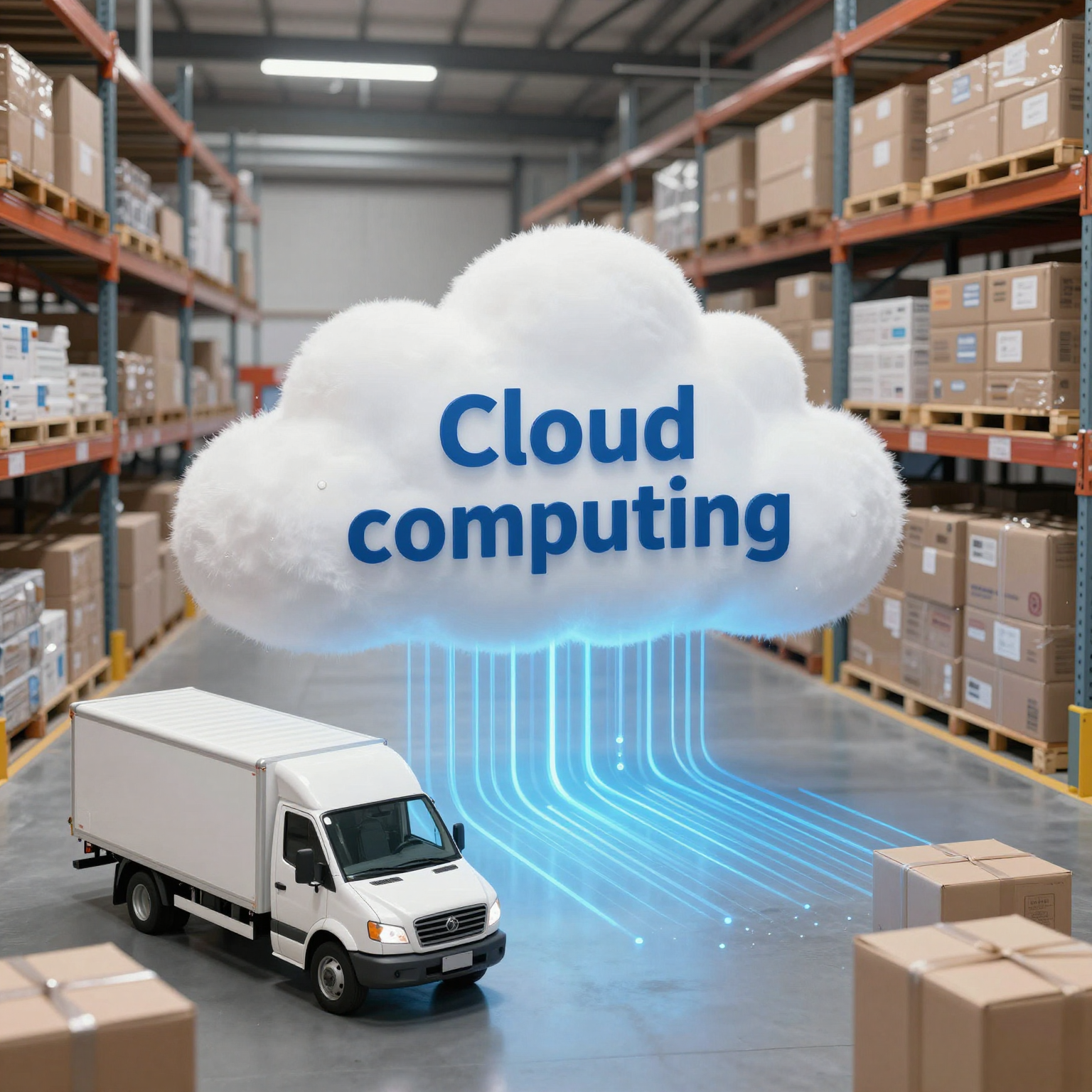
The migration to cloud-native Warehouse Management Systems (WMS) is another significant trend. Cloud-based solutions offer scalability, remote accessibility, and easier integration with other supply chain management tools.
For Indian warehouses, cloud WMS platforms provide the flexibility to adapt quickly to market changes and customer demands. Data is centralized, accessible in real-time, and more secure, allowing better collaboration across stakeholders in the supply chain.
6. Leveraging Advanced Data Analytics for Optimal Operations
Big data analytics is proving invaluable for warehouse managers who want to gain actionable insights from vast volumes of operational data. Analytics can uncover patterns related to inventory turnover, workforce productivity, and supply chain bottlenecks.
By harnessing advanced analytics, warehouses can optimize their processes, reduce costs, and improve overall performance. Data visualization tools also help communicate insights effectively, empowering decision-makers to act swiftly.
7. Last-Mile Delivery Optimization: Meeting E-commerce Demands
The e-commerce boom in India has put last-mile delivery at the forefront of warehouse management strategies. Integrating warehouse operations with last-mile logistics solutions ensures faster deliveries at lower costs—a critical factor for customer satisfaction and retention.
Technologies such as route optimization algorithms, real-time delivery tracking, and dynamic scheduling are streamlining last-mile operations. Warehouses near urban centers are evolving into micro-fulfillment centers to reduce delivery distances and timeframes.
8. Workforce Augmentation and Safety Tech: Enhancing Human Potential
Despite automation, human workers remain essential to warehouse operations. To assist them, warehouses are adopting wearable devices and augmented reality (AR) tools that facilitate navigation, training, and safety monitoring on the floor.
Wearables can track worker fatigue levels and environmental hazards, improving workplace safety. AR glasses help workers identify items quickly and learn procedures interactively, reducing errors and enhancing productivity.
9. Blockchain for Transparency and Trust
Blockchain technology is increasingly being explored to bring transparency and traceability to warehouse transactions and supply chains. By creating immutable records, blockchain enhances security, prevents fraud, and builds trust among stakeholders.
In India, pilot projects using blockchain for inventory tracking and contract management are underway, signaling a future where warehouse data integrity is guaranteed and supply chain disputes minimized.
10. Omnichannel Fulfillment: Adapting to Multichannel Retail
As retail shifts towards omnichannel models, warehouses are evolving to support diverse fulfillment needs—be it online orders, brick-and-mortar replenishments, or hybrid deliveries. Omnichannel fulfillment requires flexible warehouse layouts, real-time inventory synchronization, and efficient reverse logistics.
Warehouse management systems are being upgraded to handle different order types and prioritize shipments based on customer preferences, ensuring a seamless shopping experience across channels.
Key Takeaways
- Automation and robotics will dominate warehouse operations for enhanced efficiency.
- AI and machine learning will support better forecasting and maintenance.
- IoT devices will provide real-time tracking and environmental monitoring.
- Sustainability efforts will make warehousing greener and more energy-efficient.
- Cloud-based WMS will bring scalability and improved system integration.
- Advanced data analytics will enable data-driven decision-making.
- Last-mile delivery solutions will optimize customer order fulfillment.
- Workforce augmentation tools will boost worker safety and productivity.
- Blockchain will enhance transparency and trust in supply chains.
- Warehouses will evolve to support omnichannel retail fulfillment requirements.
For those in the Indian logistics and warehousing sectors, staying abreast of these trends will be crucial to staying competitive and responsive to market demands.
Frequently Asked Questions (FAQs)
Q1: How will automation impact job roles in warehouses?
Automation will shift routine and repetitive tasks to machines, allowing workers to focus on supervisory, maintenance, and highly skilled activities. Workforce augmentation technologies will help reskill employees and improve their safety and productivity.
Q2: Is cloud-based warehouse management secure?
Yes, reputable cloud WMS providers implement robust security protocols such as encryption, multi-factor authentication, and regular audits to safeguard data integrity and privacy.
Q3: How does AI help with inventory optimization?
AI analyzes historical sales data, demand patterns, and market trends to predict future inventory needs accurately, reducing overstock and stockouts.
Q4: What role does sustainability play in warehousing?
Sustainability reduces operating costs through energy savings, minimizes environmental impact, and aligns business practices with regulatory and consumer expectations.
Q5: How can small warehouses adopt these technologies affordably?
Cloud-based and modular solutions, as well as government initiatives promoting digitization and green logistics, make advanced warehouse technologies increasingly accessible to businesses of all sizes.
Conclusion: Embrace the Future of Warehousing Today
The evolution of warehouse management in India points toward a highly automated, connected, and sustainable future. Businesses that invest in these emerging technologies and practices early will realize significant efficiency gains, improved customer experiences, and stronger resilience against supply chain disruptions.
Ready to transform your warehouse operations and stay ahead in the competitive Indian logistics landscape? Explore innovative warehouse management solutions and partner with technology providers who can guide your digital transformation journey.
Recommended Resources
- Logistics Insider: Future of Warehousing in India
- Supply Chain Digital: Warehouse Automation Trends
- IoT For All: IoT in Warehouse Management
- Sustainability in Supply Chain – Green Logistics
- AI and Machine Learning in Supply Chain Management
*Word Count: 1750*
This HTML formatting is compatible with WordPress, where you can simply paste it into the HTML editor of your post or page.
Recent Blog

End the Hassle of Managing Multiple Courier Logins
Show the Pain of Juggling 5+ Courier Logins and How…

To-Pay vs Prepaid vs COD Explained for B2B Sellers
Understanding To-Pay vs Prepaid vs COD: What Every B2B Seller…
Complete Guide to Export Your Product from India Successfully
Here's the provided markdown converted to WordPress HTML format: I…
