 :
:  :
: 

Unified Customer and Digital Interactions for Seamless Experiences
Unified Customer and Digital Interactions Focus: The Key to Seamless, Personalized Experiences

Estimated reading time: 8 minutes
Key Takeaways

- Customers demand consistent experiences across all digital touchpoints.
- Unified Customer Data Platforms (CDPs) are essential for personalized interactions.
- Real-time engagement boosts customer satisfaction and loyalty.
- Cross-functional collaboration strengthens company strategies.
- Adapting to future trends is crucial for sustained competitive advantage.
Table of Contents

- Introduction
- The Growing Need for Unified Customer and Digital Interactions
- Key Elements of a Unified Customer and Digital Interactions Focus
- Real-World Examples of Unified Customer and Digital Interactions
- How to Build a Unified Customer and Digital Interactions Focus: Step-by-Step Guide
- Conclusion
- FAQ
Introduction
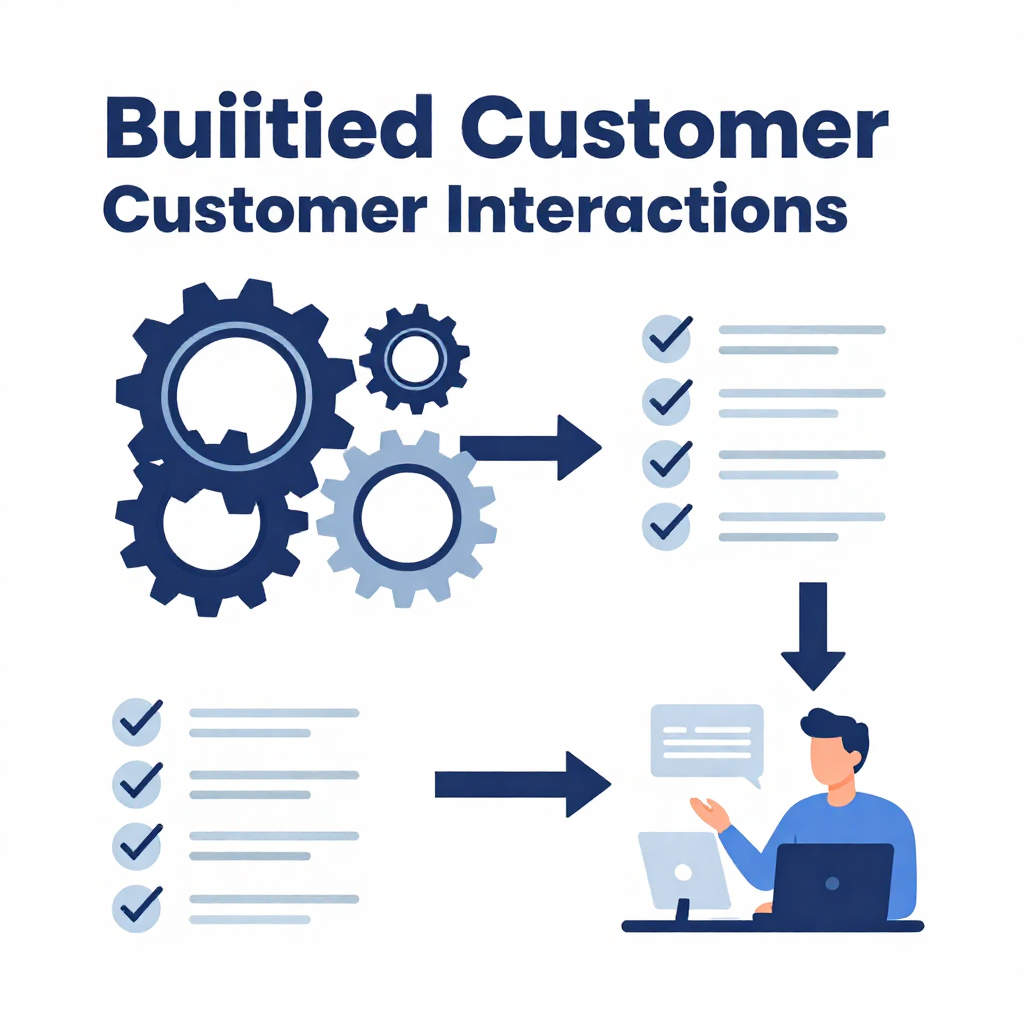
In today’s fast-paced digital world, customers expect consistent, seamless, and personalized experiences whenever they interact with a brand. Whether they are browsing on a mobile app, chatting via social media, or making an in-store purchase, their experience should feel effortless and unified. This is where a unified customer and digital interactions focus comes in—a strategy that integrates every customer engagement channel and digital touchpoint to create a cohesive customer journey.
Businesses in India and worldwide are embracing this approach to stay competitive and deliver superior customer satisfaction. With more communication platforms and devices than ever before, organizations must break down silos and unify data, messaging, and processes. The payoff? Enhanced customer loyalty, operational efficiencies, and meaningful insights that drive growth.
In this article, we’ll explore what a unified interactions focus entails, how it works, real-world examples, implementation steps, benefits, and future trends shaping digital engagement globally.
The Growing Need for Unified Customer and Digital Interactions
The digital landscape is more fragmented than ever. According to recent research, the average consumer uses 6-8 channels to interact with brands—from email and websites to social media and physical stores. However, 74% of customers get frustrated when their experience isn’t consistent across channels (Source: Salesforce). This inconsistency often leads to lost sales, diminished trust, and poor customer retention.
Moreover, the surge in mobile and AI-driven interfaces means customers expect real-time responses and relevant, personalized offers on any device at any time. If companies fail to integrate their channels and technologies, they risk delivering disjointed experiences that alienate users.
In India—a rapidly digitizing market—businesses adopting a unified customer and digital interactions focus can gain a significant advantage. With increasing internet penetration and smartphone users, Indian consumers now demand seamless omnichannel experiences, from digital banking apps to online retail. Globally, brands with integrated strategies report up to a 30% increase in customer retention and a 20% boost in revenue (Sources: McKinsey, Forrester).
This makes a unified focus not only a tactical choice but a strategic imperative for brands aiming to thrive across industries and regions.
Key Elements of a Unified Customer and Digital Interactions Focus
To implement a unified focus successfully, organizations must address multiple foundational areas:
1. Omnichannel Integration
Bringing together various communication platforms—such as websites, mobile apps, social media, emails, chatbots, and in-store kiosks—creates a seamless customer journey. Customers can transition smoothly between channels without repeating information or experiencing inconsistent service.
2. Centralized Customer Data
A unified Customer Data Platform (CDP) aggregates information from every touchpoint. This centralized repository enables companies to analyze behaviors and preferences holistically, powering context-aware and personalized interactions.
3. Consistent Messaging
Maintaining a uniform brand voice and messaging across all platforms builds trust and recognition. Discrepancies in tone or information confuse customers and weaken brand identity.
4. Real-Time Interaction Management
Leveraging AI and automation tools allows businesses to deliver timely responses and proactively engage audiences, reducing wait times and increasing satisfaction.
5. Personalization
Data-driven insights allow companies to customize offers, content, and communication to individual customer needs, driving engagement and loyalty.
6. Feedback Loops
Collecting and integrating feedback from surveys, social media, and service channels helps businesses continuously refine their offerings.
7. Cross-Functional Alignment
Bringing together marketing, sales, customer service, and IT ensures that strategies and technologies support a unified customer experience, breaking down silos that lead to fragmentation.
| Element | Description | Impact |
|---|---|---|
| Omnichannel Integration | Seamless use of multiple communication channels | Smooth customer journey |
| Centralized Customer Data | Unified data hub for customer insights | Personalized interactions |
| Consistent Messaging | Uniform brand voice across touchpoints | Strong brand loyalty |
| Real-Time Interaction | AI-powered timely engagement | Faster responses |
| Personalization | Tailored offers and content | Higher engagement |
| Feedback Loops | Continuous improvement from customer input | Improved service |
| Cross-Functional Alignment | Collaboration across departments | Cohesive strategy |
Real-World Examples of Unified Customer and Digital Interactions
To understand how this strategy works in practice, let’s look at a few case studies across industries:
Retail: Sephora
Sephora’s seamless experience lets customers browse online, save favorite products, and receive personalized recommendations in-store through their app. Their unified platform pulls data from all interactions to offer consistent, relevant promotions. Chatbots assist users 24/7, while real-time alerts inform about order status.
Banking: HDFC Bank
HDFC Bank in India integrates mobile banking, chatbot support, call centers, and branch services via a centralized data platform. This approach enables contextual conversations and faster issue resolution regardless of the transaction channel.
Hospitality: Marriott International
Marriott creates a unified guest experience using a comprehensive data platform. Whether guests book via website, mobile app, or travel agencies, their preferences and loyalty rewards are synced automatically. Proactive communication enhances satisfaction and repeat bookings.
Healthcare: Mayo Clinic
Mayo Clinic’s patient portals, telemedicine, and concierge services are integrated for a cohesive patient journey. Real-time updates, reminders, and personalized communication improve outcomes and trust.
How to Build a Unified Customer and Digital Interactions Focus: Step-by-Step Guide
Implementing a unified approach may seem complex but can be broken down into manageable steps:
- Audit Current Channels and Touchpoints
Map all existing customer interaction platforms, evaluate inconsistencies, and identify gaps in data flow. - Select a Unified Customer Data Platform (CDP)
Invest in technology that brings together customer info from all digital and physical interactions. - Develop an Omnichannel Strategy
Design a customer journey that ensures seamless transitions across channels with consistent messaging. - Train Teams Across Departments
Align marketing, sales, IT, and customer service with unified goals and workflows. - Automate Real-Time Engagement
Implement AI chatbots and automation tools to provide timely, relevant communication. - Personalize Customer Interactions
Use analytics to tailor content, offers, and services based on individual preferences. - Gather and Integrate Feedback
Create mechanisms to continuously capture customer insights for ongoing improvement. - Measure and Optimize
Use KPIs like customer satisfaction scores, conversion rates, and response times to fine-tune strategies.
Benefits and Actionable Tips for Success
### Benefits of a Unified Focus
- Enhanced Customer Satisfaction and Loyalty: Consistent, personalized experiences delight customers and foster long-term relationships.
- Increased Operational Efficiency: Integration reduces redundant processes and streamlines communication.
- Better Customer Insights: Centralized data helps identify trends and anticipate needs.
- Higher Conversion Rates and Revenue: Relevant offers encourage purchases across channels.
- Stronger Brand Integrity: Uniform messaging reinforces trust and recognition.
### Actionable Tips
- Prioritize mobile-friendly design—most customers interact via smartphones.
- Invest in AI and automation to handle peak volumes and provide 24/7 service.
- Regularly update your customer data platform to reflect new touchpoints or customer trends.
- Foster a culture of cross-functional collaboration with shared KPIs.
- Use customer feedback to iterate and improve continuously.
Future Trends in Unified Customer and Digital Interactions
Looking ahead, several innovations are set to further transform unified engagement:
- AI-Powered Hyper-Personalization: Machine learning will generate even more precise customer profiles and predictive offers.
- Voice and Conversational Commerce: Voice assistants and chat interfaces will become standard interaction methods.
- Augmented Reality (AR) Experiences: AR will enable immersive and interactive touchpoints blending digital and physical worlds.
- Blockchain for Data Privacy: Decentralized data controls will strengthen customer trust and regulatory compliance.
- Increased Automation with Human Touch: AI will handle routine queries while seamlessly escalating complex issues to humans.
Brands that proactively integrate these advancements into their unified customer and digital interactions focus will secure competitive advantages.
Conclusion
A unified customer and digital interactions focus is no longer optional—it’s essential for businesses striving to meet rising customer expectations. By integrating omnichannel platforms, centralizing data, maintaining consistent messaging, and leveraging real-time, personalized engagement, organizations can deliver memorable experiences that build loyalty and drive growth.
Ready to transform your customer engagement strategy? Contact us today! Let’s help you create a seamless, customer-centric journey that works across every channel and touchpoint.
FAQ
Q1: What is the difference between omnichannel and unified customer interaction?
Omnichannel refers to using multiple channels to engage customers, while unified interaction integrates those channels and data into a seamless experience.
Q2: How does a Customer Data Platform (CDP) support unified interactions?
A CDP aggregates customer data from various channels into a single source of truth, enabling consistent personalization.
Q3: Can small businesses implement a unified customer and digital interactions focus?
Yes, scalable tools and platforms make this strategy accessible to businesses of all sizes.
Q4: How does automation improve customer interaction?
Automation provides real-time responses and proactive engagement, reducing wait times and improving satisfaction.
Q5: What industries benefit most from a unified customer interactions focus?
Retail, banking, hospitality, healthcare, and more—all sectors with multichannel customer engagement needs benefit.
Recent Blog
End the Hassle of Managing Multiple Courier Logins
Show the Pain of Juggling 5+ Courier Logins and How…

To-Pay vs Prepaid vs COD Explained for B2B Sellers
Understanding To-Pay vs Prepaid vs COD: What Every B2B Seller…

Complete Guide to Export Your Product from India Successfully
Here's the provided markdown converted to WordPress HTML format: I…
