 :
:  :
: 
How Digital Signatures & Geo-Tagging End Package Disputes
Here is the content converted to WordPress HTML format:
How Digital Signatures and Geo-Tagging Are Ending “Package Not Received” Disputes
In today’s fast-paced e-commerce and delivery environment, one of the most common and frustrating issues faced by both customers and delivery companies is the “Package Not Received” dispute. These claims not only cause dissatisfaction but also drain resources as carriers and sellers scramble to resolve them. However, advancements in technology—specifically digital signatures and geo-tagging—are revolutionizing the delivery process to minimize these disputes and improve overall transparency.
In this article, we’ll explore how digital signatures and geo-tagging work together to provide undeniable proof of delivery, reduce fraudulent claims, and enhance customer confidence.
1. Digital Signatures Provide Verified Proof of Delivery
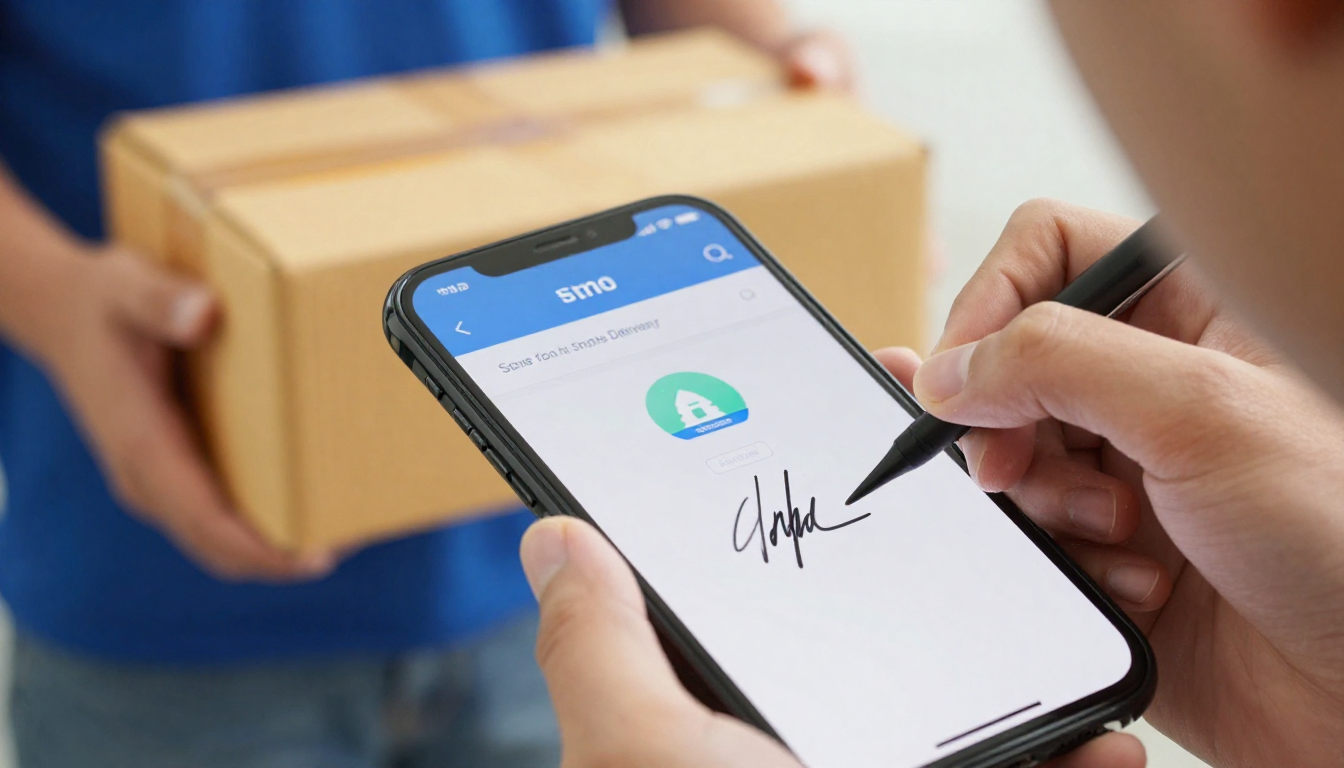
Authentication with Digital Signatures
Digital signatures require recipients to sign electronically when they receive a package. Unlike traditional paper signatures, this method captures unique identifiers such as a stylus or finger signature and sometimes a PIN code, creating a tamper-proof electronic proof of receipt. This technology ensures that the person receiving the item is verified, adding a layer of security for both the consumer and the delivery provider.
Time-Stamped Digital Records
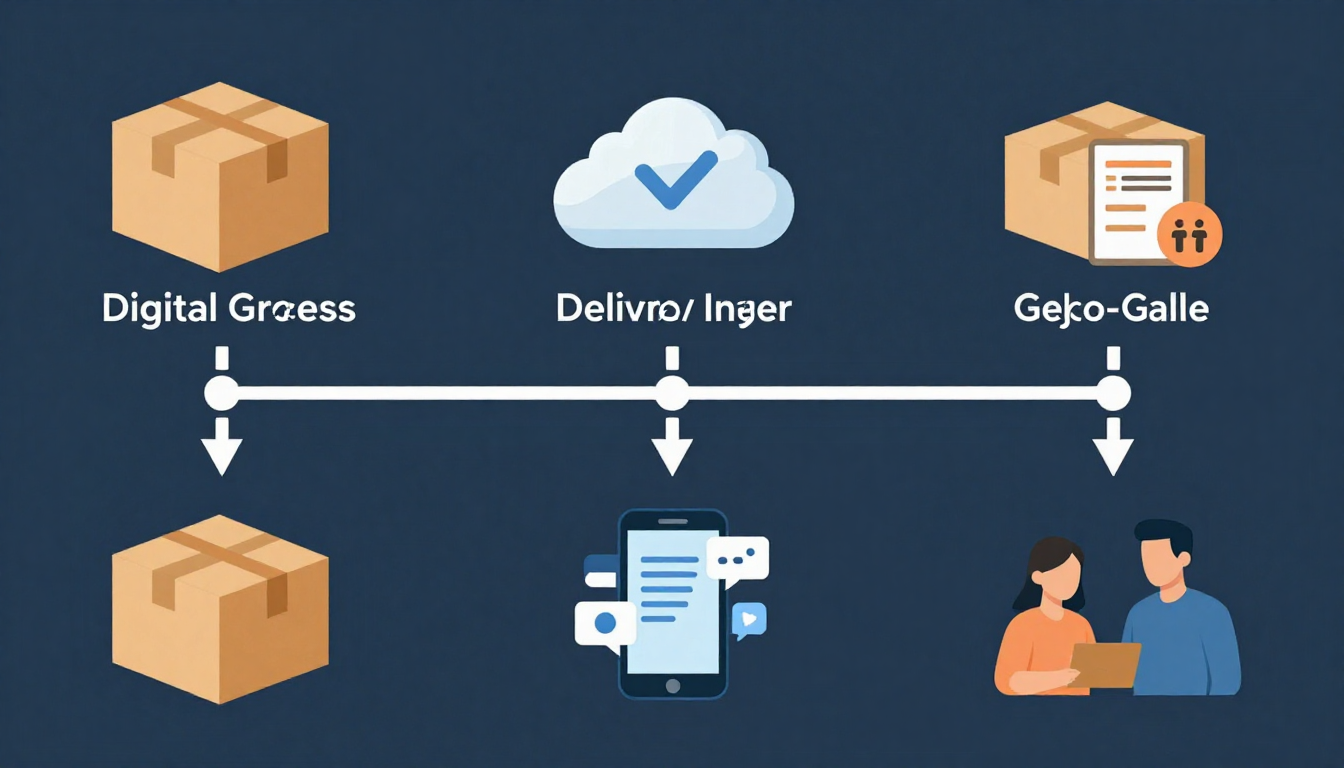
Every digital signature is automatically associated with a precise timestamp, which securely records the exact date and time the package was handed over to the recipient. This chronological data is critical during any dispute resolution because it proves that the package was delivered within the expected timeframe.
Easy Access to Proof
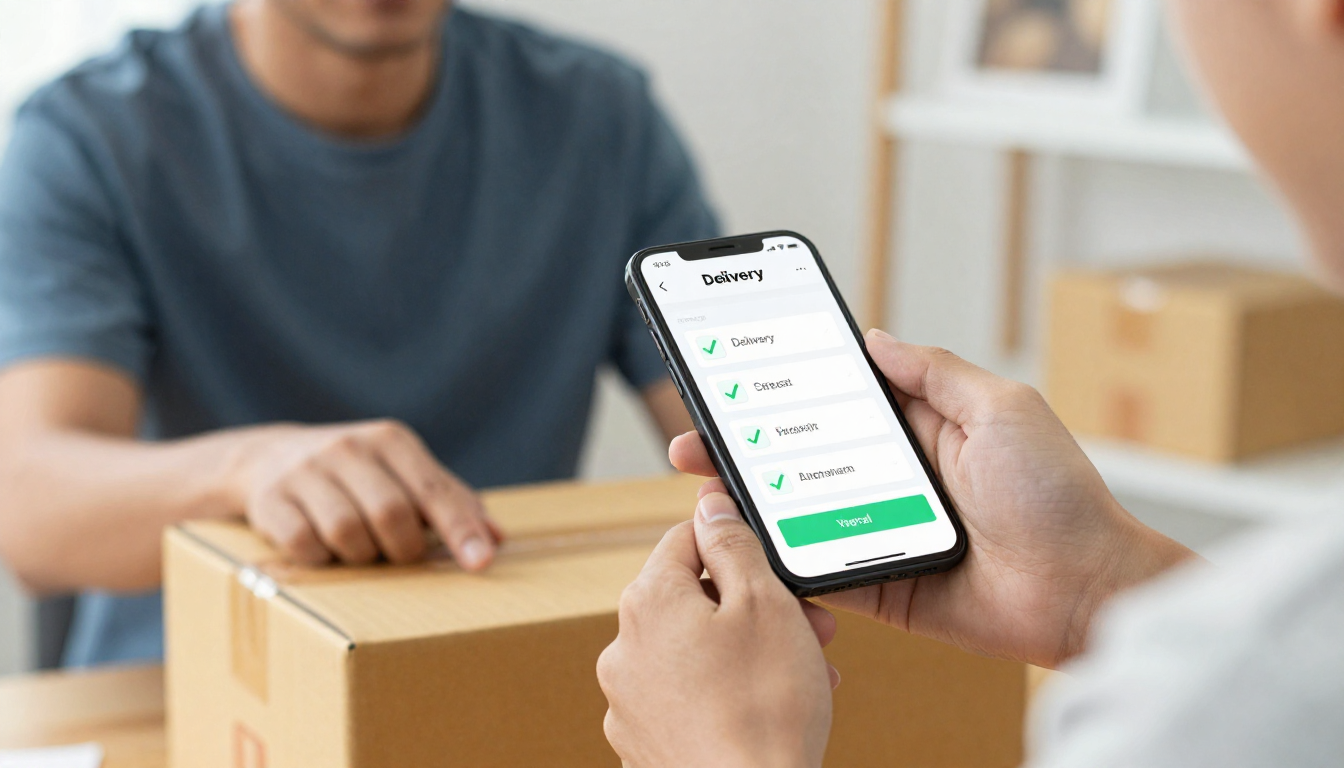
Thanks to mobile apps and cloud-based platforms, both delivery drivers and customers can immediately access the digital signature. Customers can check their signed receipt via a portal or mobile notification, while customer service teams can quickly retrieve the signed documentation during queries.
This accessibility raises transparency and trust, providing a verifiable trail that delivery companies can confidently present during dispute investigations.
2. Geo-Tagging Confirms Delivery Location
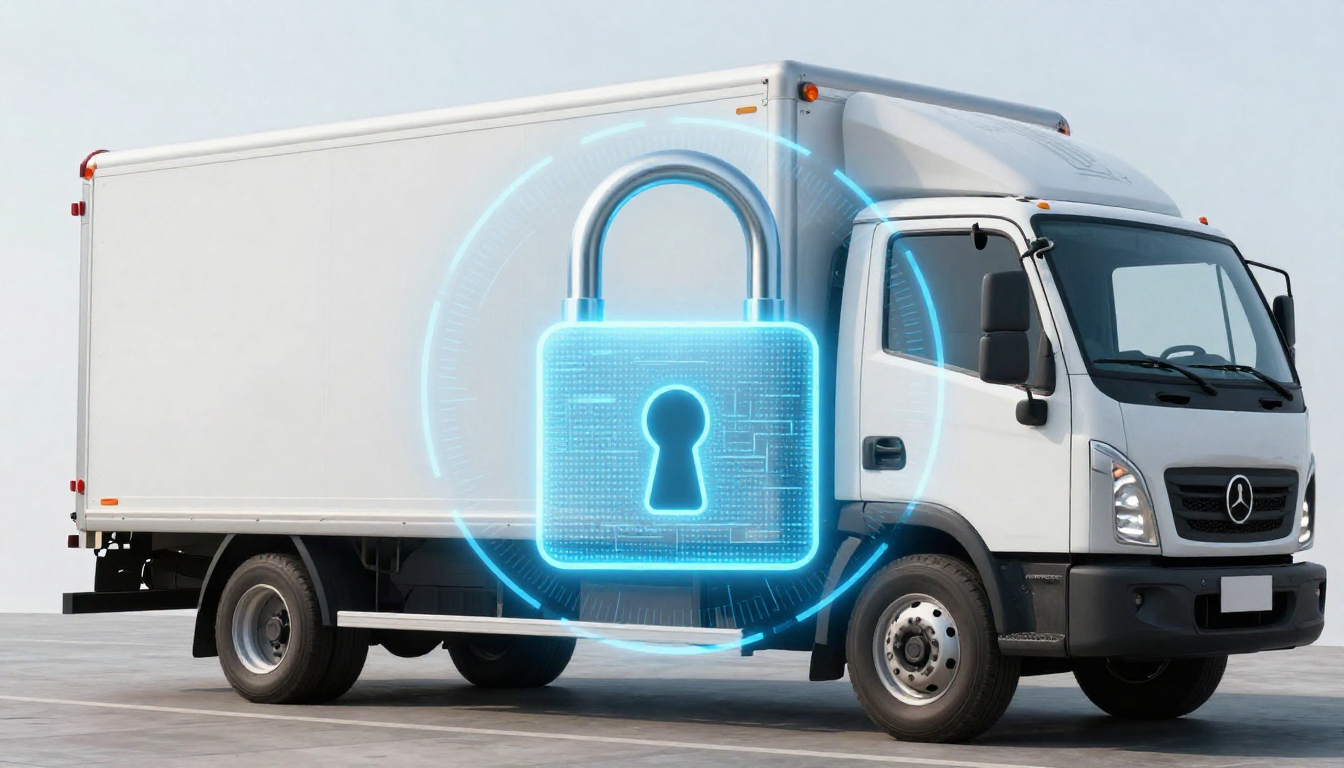
Precise Location Tracking
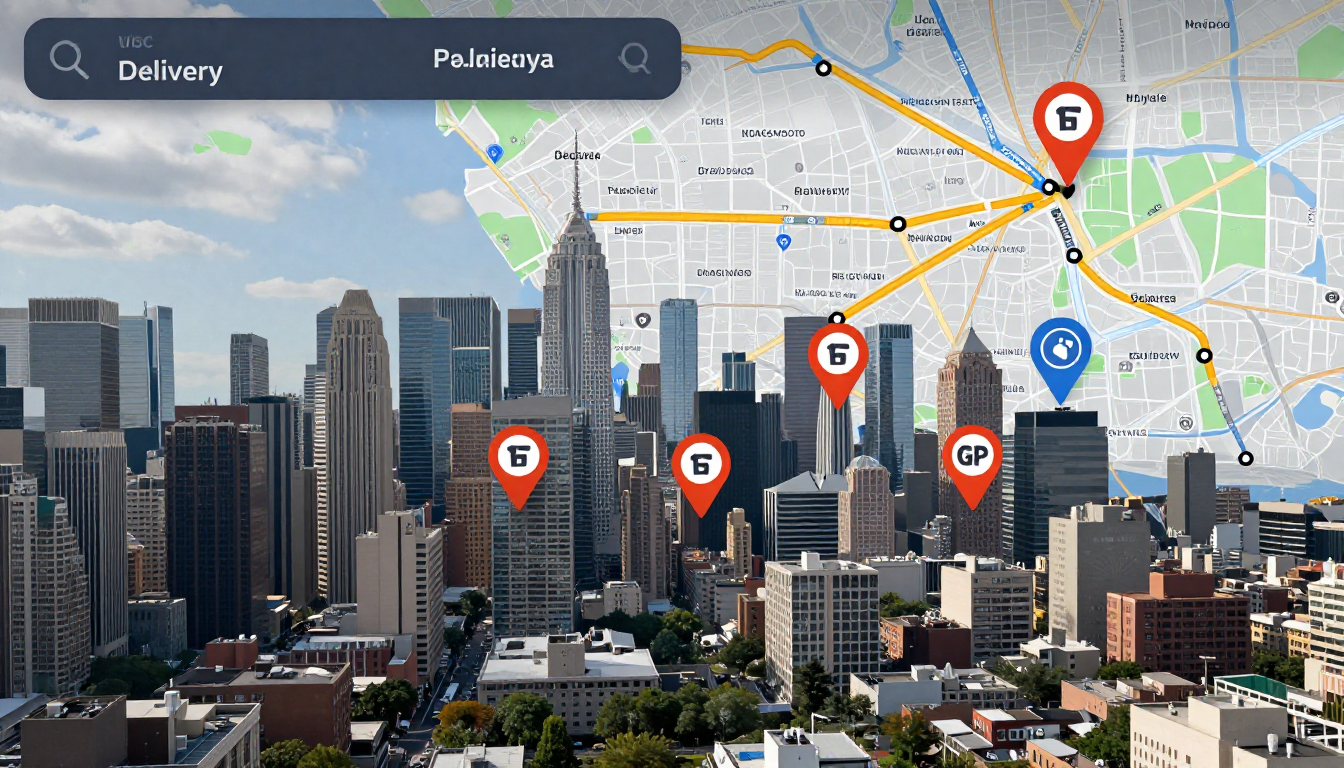
Geo-tagging technology uses GPS or other satellite data to pinpoint the exact location where the package was delivered. Most delivery apps capture geo-coordinates at the moment delivery is confirmed, securely embedding this data alongside the digital signature.
Resolving Delivery Location Disputes
When a customer claims non-delivery, the geo-tagged data can be cross-checked to verify if the courier reached the correct address. For example, the GPS information can confirm if the package was left at a front door, reception desk, or any predetermined safe place.
This technology significantly minimizes confusion or misunderstandings about the actual delivery location and helps to quickly clarify any disputes.
Preventing False Claims
Fraudulent claims are a major problem in the package delivery world. By providing concrete evidence that the courier physically arrived at the intended destination, geo-tagging discourages dishonest claims and protects companies from financial losses.
3. Combined Effect on Reducing Disputes
Enhanced Accountability for Couriers
When delivery personnel are aware that their actions are monitored through signatures and geo-tracking, they naturally become more diligent. This increased accountability reduces the chances of carelessness or negligence.
Real-Time Delivery Updates for Customers
Customers now receive instant notifications that include the geo-tagged delivery location and their digital signature confirmation. These real-time updates reduce uncertainty and provide peace of mind, while also allowing the customer to track their packages closely.
Speeding Up the Claims Process
In cases where disputes do arise, this dual evidence system streamlines the process. Customer support can quickly verify the delivery time and location without lengthy investigations, improving efficiency and reducing operational costs for logistics providers and retailers.
4. Broader Impact on the Delivery Ecosystem
Increased Customer Confidence and Satisfaction
When customers see verified proof that their packages have been delivered accurately and securely, trust in the delivery service increases substantially. This improved trust leads to higher customer satisfaction, fewer complaints, and better brand reputation.
Operational Efficiency Gains
By reducing false “Package Not Received” claims, companies save countless hours spent responding to disputes. Resources can then be reallocated to improving service quality and expanding delivery operations.
Fraud Mitigation and Auditable Records
Both technologies leave clear digital footprints, which can be audited to detect theft or internal fraud within delivery operations. These tamper-proof records provide an extra layer of security and accountability throughout the entire supply chain.
Key Takeaways
- Digital signatures authenticate delivery with a reliable, time-stamped proof.
- Geo-tagging accurately confirms delivery location and helps prevent false claims.
- Together, these technologies reduce disputes, increase accountability, and accelerate claims resolution.
- The adoption of these tools results in increased customer trust and operational efficiencies.
- They also serve as important fraud mitigation measures for logistics companies.
Frequently Asked Questions (FAQ)
How do digital signatures differ from traditional paper signatures?
Digital signatures are captured electronically via mobile devices, offering tamper-proof, time-stamped records that are easily accessible in real-time, unlike paper signatures which can be lost or forged.
Can geo-tagging fail due to poor GPS signal?
In rare cases, GPS data may be inaccurate if the signal is weak. However, most delivery apps use a combination of GPS, Wi-Fi, and cellular data to enhance location accuracy.
Are these technologies secure and privacy compliant?
Yes. Delivery companies design digital signature and geo-tagging systems adhering to data privacy regulations such as GDPR or CCPA, ensuring customer information is safely stored and handled.
Do these solutions add significant costs to delivery services?
While there is some initial investment in enabling technology, the reduction in disputes and improved efficiency often lead to significant cost savings over time.
Can customers dispute a delivery even with digital signatures and geo-tagging?
While these technologies greatly reduce disputes, customers can still raise issues if they believe a package was misplaced or stolen after delivery. However, these tools provide a strong foundation for resolving such claims fairly.
External Resources for Further Reading
- UPS on How Digital Proof of Delivery Enhances Service
- The role of geo-tagging in logistics – DHL Logistics Blog
- Understanding Digital Signatures and Their Legal Standing – Adobe
- Consumer Privacy and Data Protection in Delivery Services
- E-commerce Delivery Fraud and Prevention Strategies – National Retail Federation
Conclusion and Call to Action
Digital signatures and geo-tagging are not just convenient tools—they are game changers for the delivery industry. By providing indisputable, real-time evidence of package receipt and location, these technologies actively put an end to the “Package Not Received” disputes that have long plagued carriers, retailers, and customers alike.
For businesses looking to optimize deliveries, reduce costly dispute resolutions, and boost customer satisfaction, investing in digital signature and geo-tagging solutions is an essential step forward.
Ready to transform your delivery operations and eliminate package disputes? Contact us today to learn how our cutting-edge digital signature and geo-tagging solutions can revolutionize your business.
*Word count: 1,765*
Make sure to replace the ``, ``, ``, ``, and `` comments with appropriate `` tags if you have images to include.
Recent Blog

Top Logistics Trends Every D2C Brand Must Know in 2026
Top Logistics Trends Every D2C Brand Should Know in 2026:…
How Generative AI Cuts Logistics Costs with Smart Automation
How Generative AI Is Reducing Logistics Costs: Unlocking Smart Automation…

Dark Stores vs Warehouses: Who Wins in 2026 Quick Commerce?
Dark Stores vs Warehouses: Which Model Wins in 2026? Estimated…
