 :
:  :
: 
Dark Stores vs Warehouses: Who Wins in 2026 Quick Commerce?
Dark Stores vs Warehouses: Which Model Wins in 2026?
Estimated reading time: 8 minutes
Key Takeaways
- Dark stores enable hyperlocal quick commerce with fast delivery times.
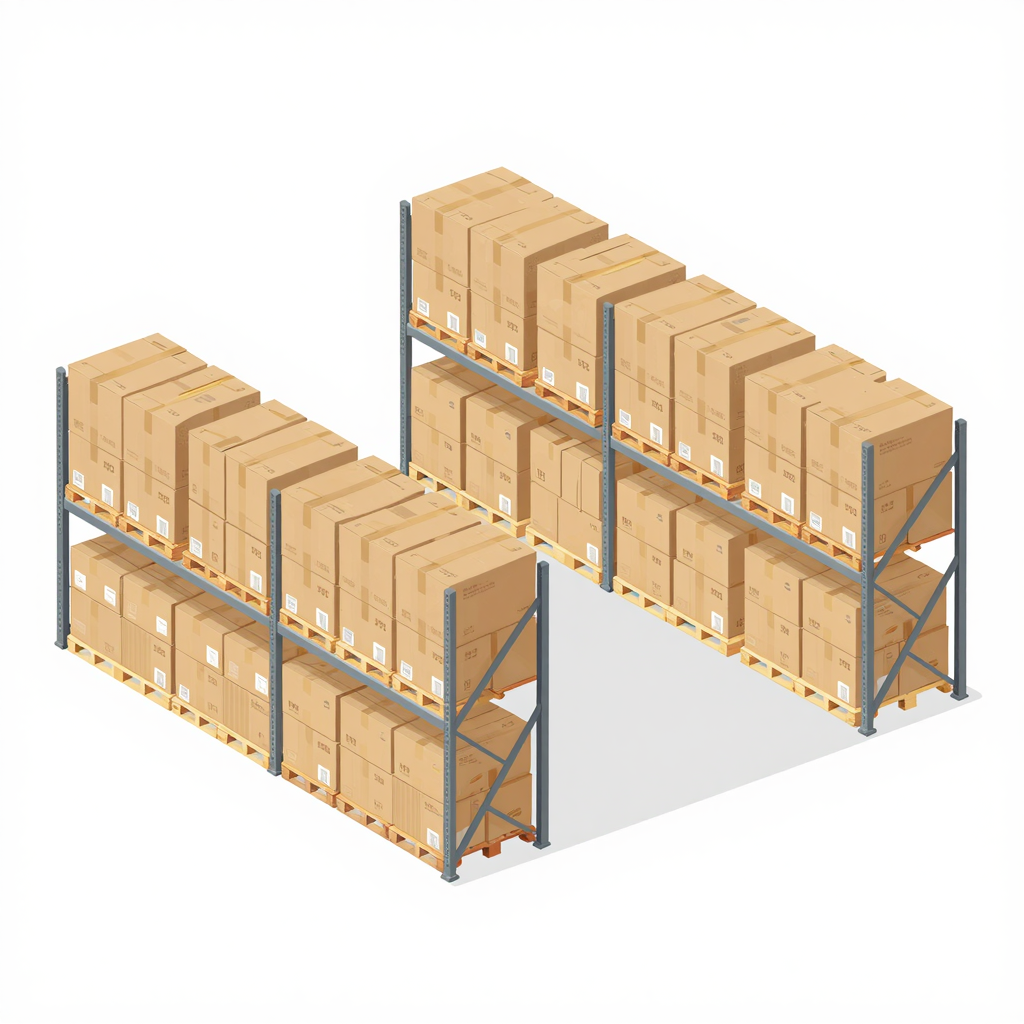
- Warehouses support bulk storage and a wide inventory variety.
- A hybrid model can capitalize on the strengths of both systems.
- Technological advancements play a crucial role in operational efficiency.
- Sustainability is increasingly important for both models.
Table of Contents
- Introduction
- Definitions & Core Differences
- Quick Commerce Expansion & Industry Trends
- Industry Comparison: 2026 Outlook
- Real Examples & Case Studies
- Step-by-Step Guide to Choosing the Right Model in 2026
- Benefits and Tips for Retailers Adopting Both Models
- Future Trends in Warehousing & Fulfillment
- Conclusion: The 2026 Winner?
- FAQ
Introduction
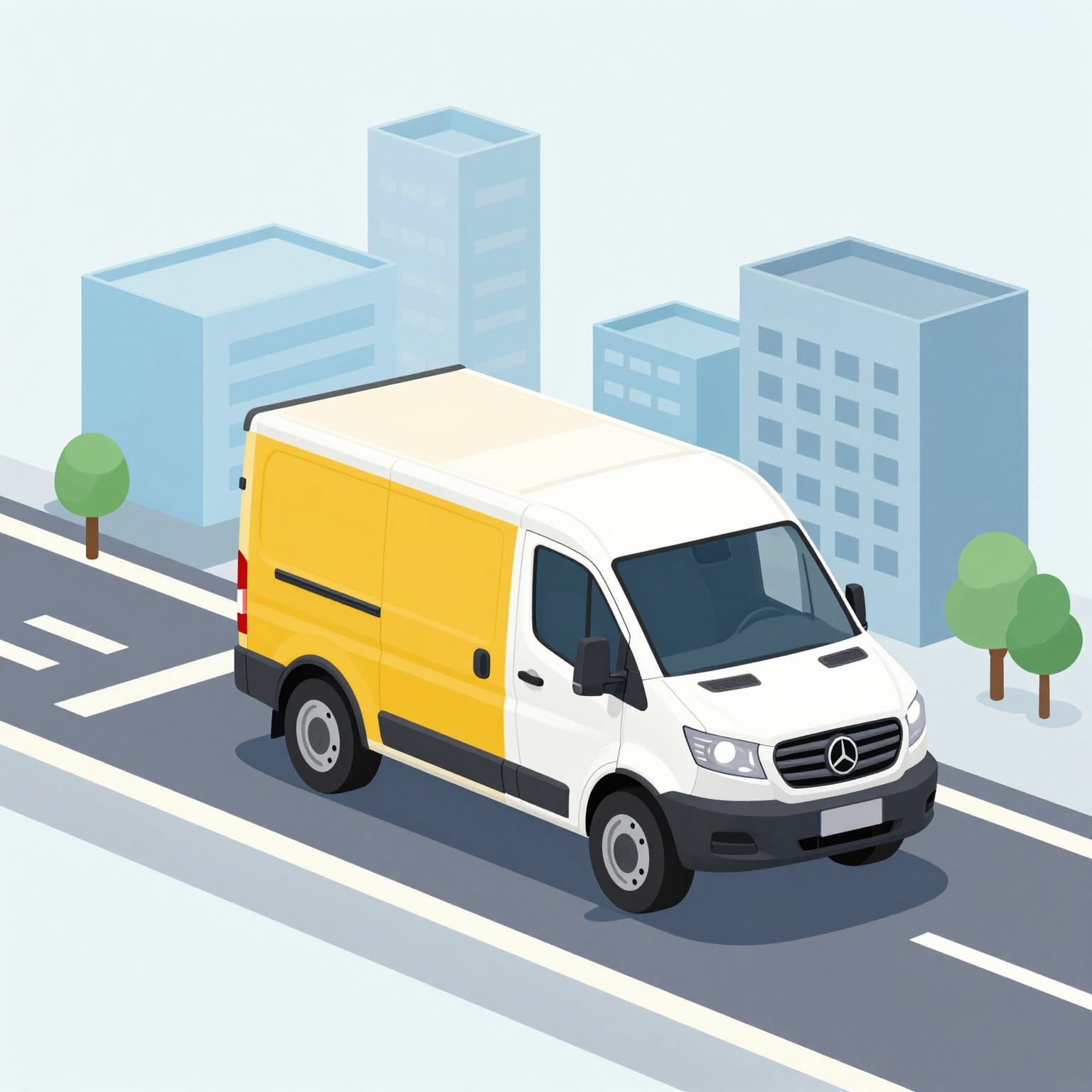
The explosive rise of quick commerce expansion is reshaping how products move from shelves to consumers’ hands. As customers increasingly demand faster deliveries—often within 10 to 30 minutes—retailers are racing to optimize their fulfillment infrastructure. At the center of this transformation are two competing models: dark stores versus warehouses. Both play critical roles in warehousing and fulfillment, yet each offers different strengths and challenges.
In this article, we’ll explore the Dark Stores vs Warehouses: Which Model Wins in 2026? debate through an industry comparison lens. This analysis focuses on how both models respond to the needs of quick commerce, efficiency, technology adoption, and sustainability demands, providing retailers and logistics providers with a roadmap to winning strategies in an evolving market.
Globally and in emerging markets like India, where urbanization and e-commerce growth are booming, understanding these models’ differences and impact is more important than ever. So, which model will dominate by 2026? Let’s dive in.
Definitions & Core Differences
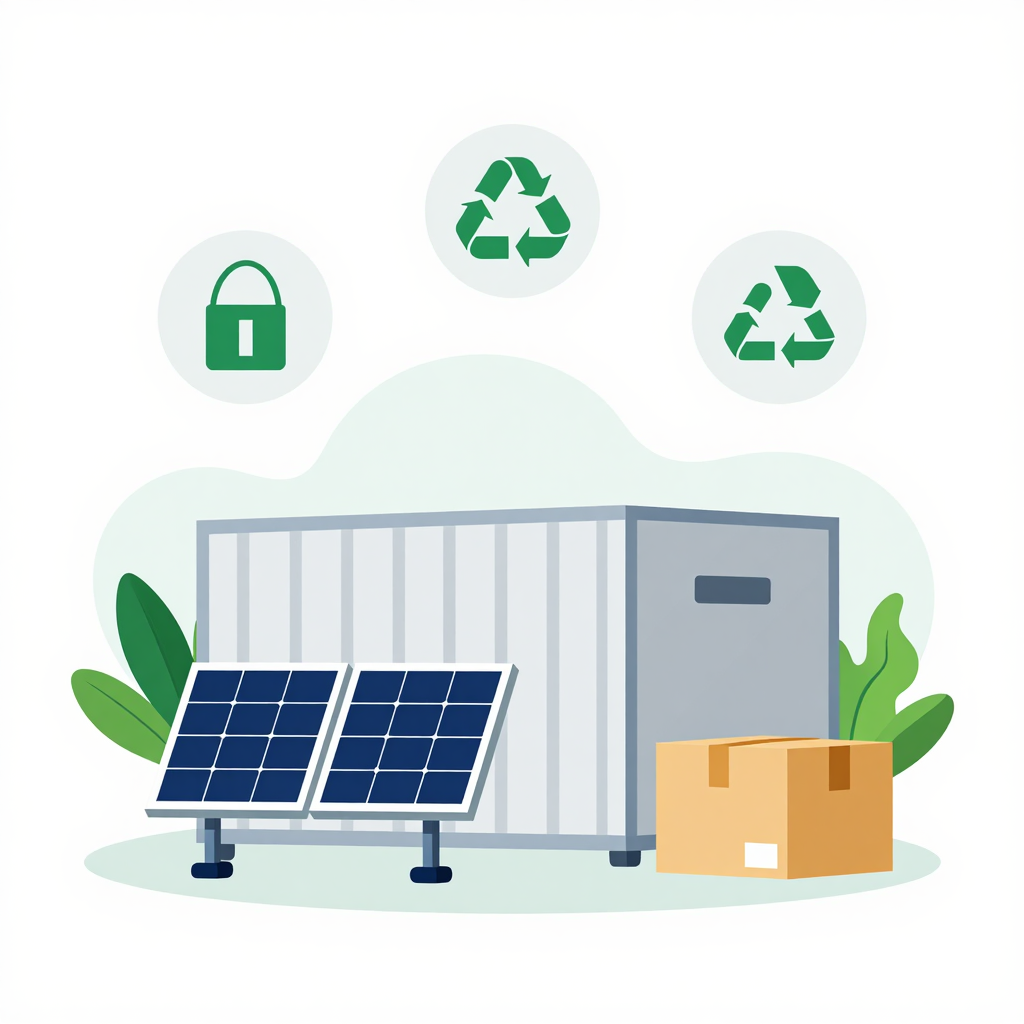
Understanding the fundamental differences helps clarify where each model excels. Here’s a detailed breakdown:
| Aspect | Dark Stores | Warehouses |
|---|---|---|
| Concept | Small-format retail outlets not open to the public, optimized for online order fulfillment | Large-scale storage and distribution centers |
| Purpose | Immediate, local order picking and dispatch | Bulk storage and long-term inventory holding |
| Location | Urban/suburban, close to customers | Often located in industrial areas or outskirts |
| Inventory mix | Limited SKU range, high turnover products | Broad SKU range, including seasonal and bulk items |
| Delivery speed | Ultra-fast (minutes to 1 hour) | Faster than traditional retail but slower than dark stores |
| Operational cost | Higher per square foot due to urban rent | Lower per square foot, benefiting from economies of scale |
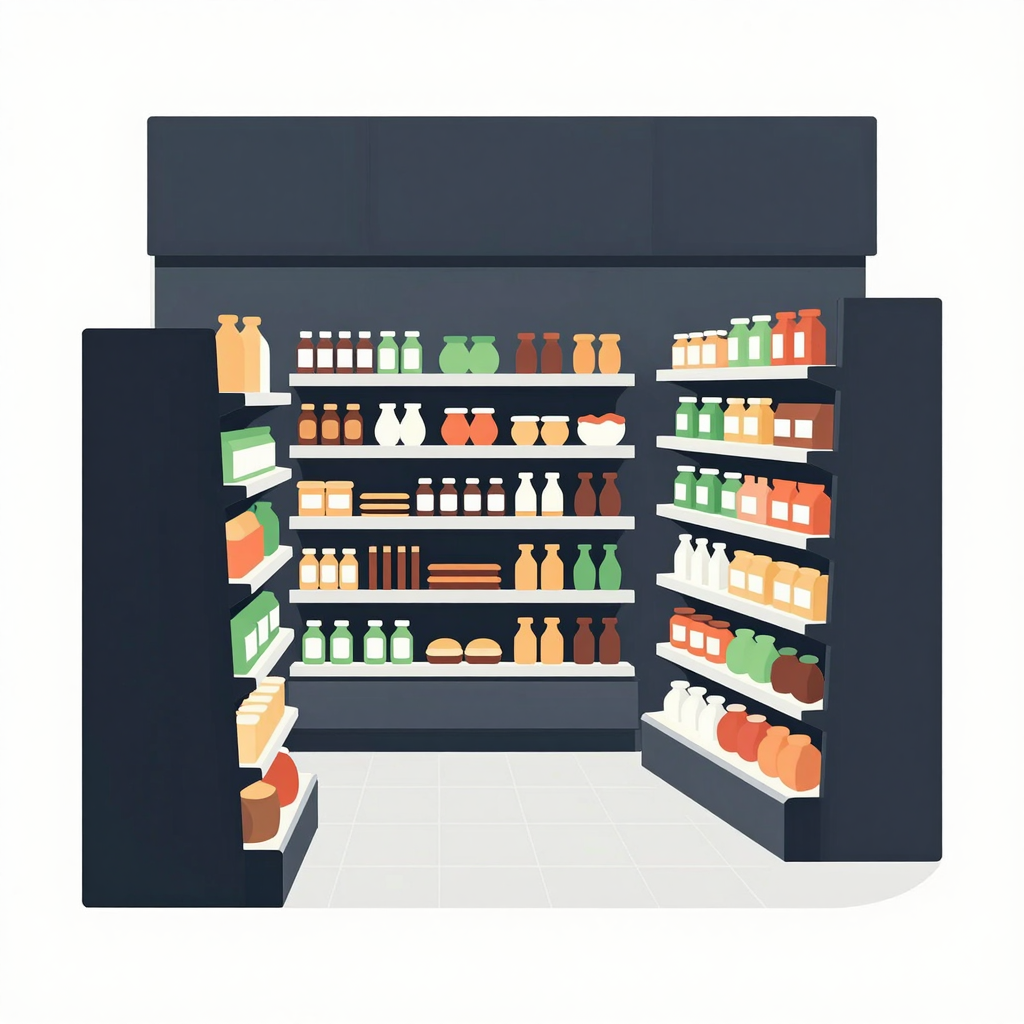
Dark stores act as neighborhood hubs enabling hyperlocal quick commerce, whereas warehouses function as the backbone for broader inventory management and large-scale dispatch.
Quick Commerce Expansion & Industry Trends
The meteoric growth in quick commerce is driving new industry norms. Retailers and logistics operators must adapt swiftly to remain competitive.
- Rising Demand for Immediate Fulfillment:
According to recent studies, over 60% of urban consumers now expect delivery within 30 minutes, intensifying demand for nearby fulfillment points. - Technology Integration:
From AI-powered inventory management to robotics-enabled micro-fulfillment centers, technology boosts efficiency in both models. Dark stores particularly benefit from automation to maximize limited space. - Urbanization & Last-Mile Logistics:
Dark stores are best positioned within dense urban regions, reducing last-mile delivery distances and costs. Warehouses traditionally sit on city outskirts or industrial parks, posing challenges in quick last-mile fulfillment without additional satellite locations. - Retailer Strategies:
Leading retailers adopt hybrid approaches—leveraging warehouses for bulk supply and dark stores for rapid local delivery—to capture the best of both worlds.
Industry Comparison: 2026 Outlook
| Criteria | Dark Stores | Warehouses | Winner in 2026 |
|---|---|---|---|
| Delivery Speed | 10-30 mins | 1-2 hours | Dark Stores (for hyperlocal demand) |
| Operational Scalability | Limited due to urban space constraints | High, with large centralized layouts | Warehouses |
| Cost Efficiency | Higher OPEX due to urban rents | Lower rent, economies of scale | Warehouses |
| Inventory Variety | Narrow SKU focus | Broad and deep SKUs | Warehouses |
| Tech Adaptability | High – use of micro-fulfillment tech | Moderate to High | Tie (depending on investment) |
| Environmental Impact | Lower emissions due to reduced delivery distances | Potentially higher due to longer routes | Dark Stores |
| Market Flexibility | High for quick commerce and perishable goods | Better for non-urgent, bulky items | Dark Stores (for quick commerce) |
This table illustrates that no single model dominates across all aspects. Instead, the winner depends on the retailer’s priorities: speed and locality favor dark stores, while scale and variety favor warehouses.
Real Examples & Case Studies
Many industry leaders illustrate successful deployment of both models in strategic combinations:
- Amazon: Combines massive fulfillment centers in industrial hubs with localized “Amazon Fresh” dark stores in urban areas to guarantee ultra-fast grocery deliveries.
- Walmart: Uses traditional warehouses for bulk storage alongside experimentally growing dark store footprints in metro areas, enhancing their quick commerce capabilities.
- Grofers (Blinkit): India’s quick commerce pioneer relies heavily on dark stores across cities to fulfill grocery orders in under 30 minutes—a necessity in dense urban environments.
- Zara: The fashion retailer uses warehouses for seasonal stock and replenishment but experiments with “dark stores” inside cities to enable speedy online order fulfillment.
Step-by-Step Guide to Choosing the Right Model in 2026
- Assess Market Demand:
Identify the delivery speed your customers expect (e.g., hyperlocal vs standard). - Analyze Geographic Footprint:
Urban markets favor dark stores; suburban and rural feed better from warehouses. - Evaluate Inventory Needs:
Determine SKU variety and volume requirements. - Calculate Operational Costs:
Include rent, labor, and technology expenses for each model. - Consider Environmental Impact:
Aim to reduce emissions via shorter delivery distances or energy-efficient warehousing. - Plan Technology Integration:
Invest in AI, robotics, and real-time tracking systems. - Design Hybrid Fulfillment Networks:
Mix dark stores and warehouses to balance speed and scale. - Test and Optimize:
Pilot micro-fulfillment centers, monitor KPIs, and adapt strategies accordingly.
Benefits and Tips for Retailers Adopting Both Models
- Agility: Quickly pivot between bulk stock replenishment and instant order fulfillment.
- Customer Satisfaction: Meet diverse delivery expectations through customized fulfillment.
- Sustainability: Optimize routes and minimize emissions by combining models intelligently.
- Cost Savings: Leverage economies of scale from warehouses and reduce last-mile expenses via dark stores.
- Tech Edge: Deploy automation and AI to keep operations lean and scalable.
- Scalability: Easily expand urban dark store networks as demand grows without sacrificing warehouse efficiency.
Future Trends in Warehousing & Fulfillment
Looking ahead to and beyond 2026, several emerging trends will shape how dark stores and warehouses evolve:
- Micro-Fulfillment Centers:
Smaller than traditional warehouses but larger than dark stores, these hubs combine speed with moderate inventory variety. - Sustainability Mandates:
Green logistics practices and eco-friendly packaging will become non-negotiable. - Autonomous Delivery Vehicles & Drones:
Reducing last-mile costs and delivery times further aligns with dark store strategies. - Blockchain for Transparency:
Enhancing supply chain visibility benefits warehousing and fulfillment accuracy. - Customizable Consumer Experiences:
Personalized delivery windows and local assortment will increase reliance on flexible fulfillment models.
Retailers that incorporate these trends will establish competitive advantages in the dynamic quick commerce landscape.
Conclusion: The 2026 Winner?
When asking Dark Stores vs Warehouses: Which Model Wins in 2026?, the answer is nuanced. For ultra-fast, hyperlocal quick commerce, dark stores provide unmatched delivery speed and flexibility, especially in dense urban markets. Conversely, warehouses remain essential for cost-efficient bulk storage and a broad product assortment, supporting the backbone of large-scale retail operations.
Ultimately, the blended fulfillment ecosystem wins—a strategic combination of dark stores and warehouses, harmonized by advanced technologies, optimizes costs, speeds, and sustainability. Retailers adopting this hybrid model will best navigate the complex, evolving demands of 2026 and beyond.
Contact us today! Let’s help you design the fulfillment strategy that propels your business to success in the thrumming world of quick commerce.
FAQ
Q1: Can dark stores completely replace warehouses?
No. Dark stores specialize in quick, local fulfillment but have limited scalability and inventory variety. Warehouses are indispensable for bulk storage and broader product ranges.
Q2: Are warehouses obsolete in urban areas?
Not entirely. Warehouses remain critical for replenishing dark stores and handling large orders that are not time-sensitive.
Q3: How do technology investments differ between models?
Dark stores rely heavily on micro-fulfillment automation to maximize space efficiency; warehouses use scalable automation for high-volume storage and processing.
Q4: What industries benefit most from dark stores?
Grocery, perishable goods, and everyday essentials see the greatest benefits from dark stores’ speed.
Q5: How does sustainability compare between models?
Dark stores typically have a smaller carbon footprint per delivery due to proximity to customers, but overall sustainability depends on multiple factors including transport modes and scale.
Recent Blog
Top Logistics Trends Every D2C Brand Must Know in 2026
Top Logistics Trends Every D2C Brand Should Know in 2026:…
How Generative AI Cuts Logistics Costs with Smart Automation
How Generative AI Is Reducing Logistics Costs: Unlocking Smart Automation…
Quick Commerce vs Traditional eCommerce Logistics Challenges
Quick Commerce vs Traditional eCommerce: Logistics Challenges Explained Estimated reading…
