 :
:  :
: 
Managing Delivery Timelines in eCommerce for Faster Shipping
Here’s the provided markdown content converted into WordPress HTML:
Managing Delivery Timelines Effectively in eCommerce to Achieve Faster Shipping
In the fast-paced world of eCommerce, delivering products quickly and reliably is essential to customer satisfaction and business success. Managing delivery timelines effectively requires strategic planning, technology optimization, and operational efficiency at every step of your supply chain. From inventory management to last-mile delivery, each element impacts your ability to ship faster and keep customers happy.
In this comprehensive guide, we’ll explore proven strategies you can implement to reduce delivery delays and boost your eCommerce shipping speed — helping you stay competitive in an ever-evolving market.
1. Optimize Inventory Management
A well-optimized inventory is the foundation of speedy order fulfillment. Without the right products in the right locations, delays become inevitable.
Use Real-Time Inventory Tracking
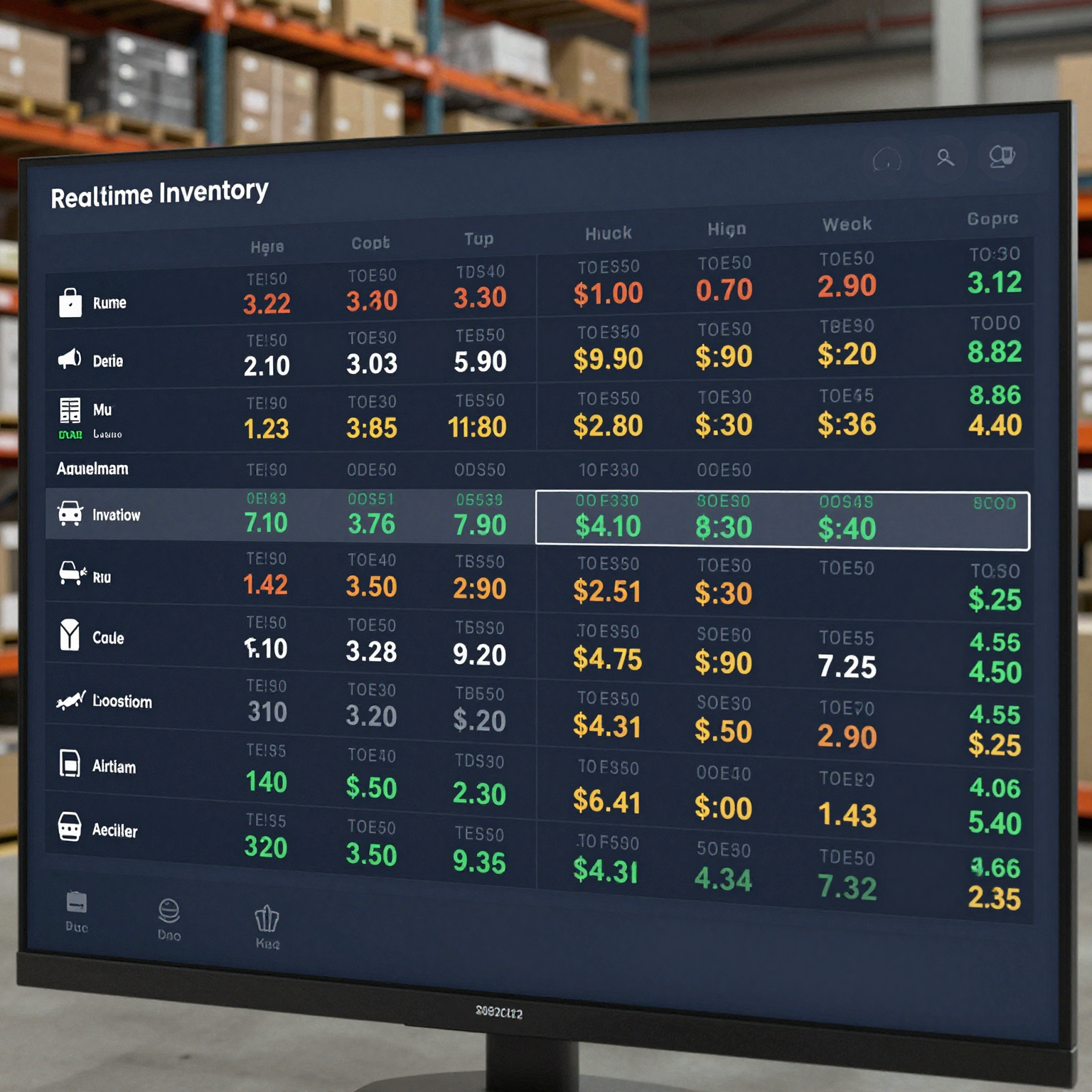
Implement inventory management software that provides real-time tracking of stock levels across warehouses. This technology prevents overselling and stockouts by keeping your system updated instantly as orders come in.
Distribute Inventory Across Multiple Locations
Instead of storing all your products in a single warehouse, spread inventory across multiple distribution centers closer to your customers. This reduces shipping distances and transit times, enabling faster deliveries.
Implement Demand Forecasting
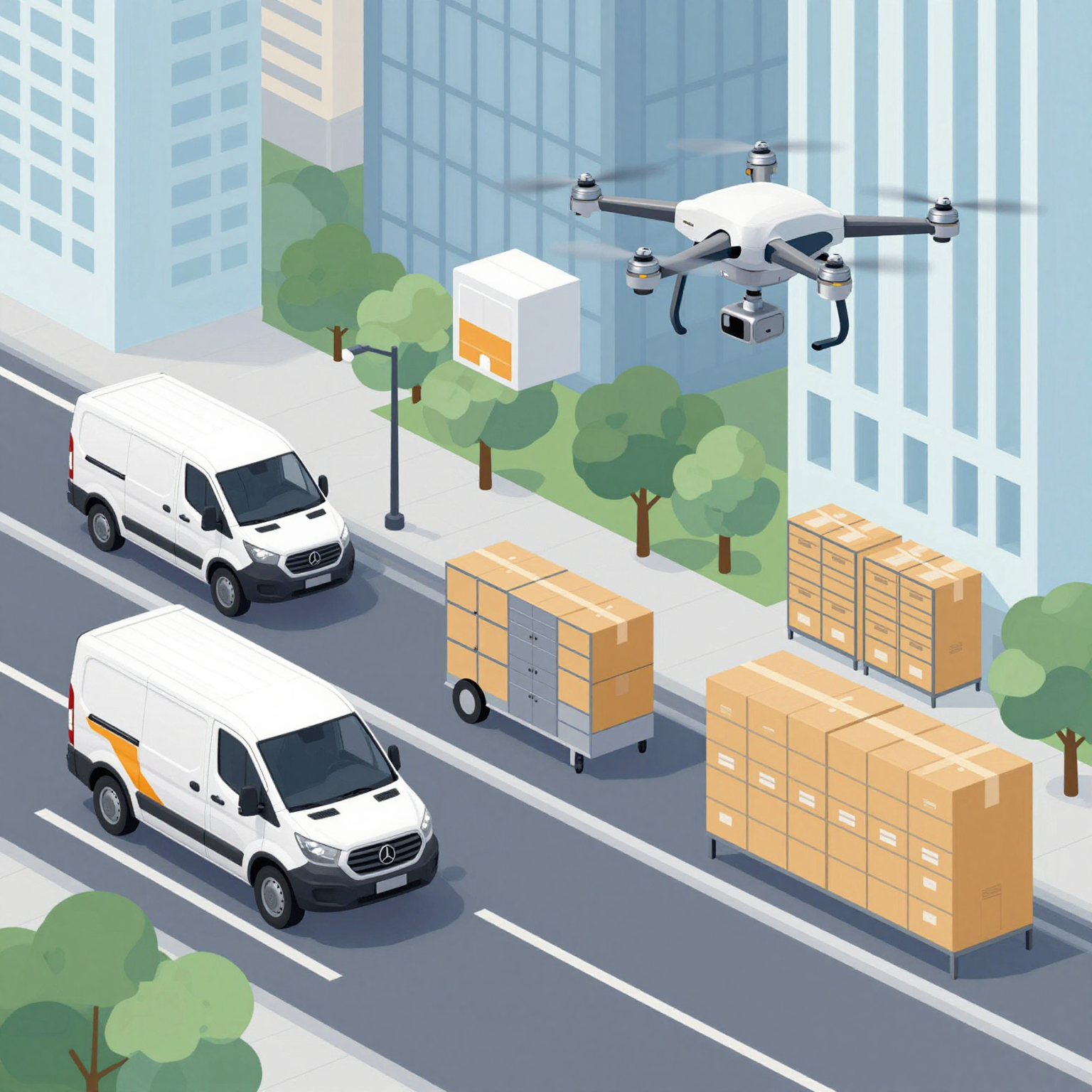
Leverage data analytics to forecast product demand more accurately. This allows you to stock the right quantities ahead of time, avoiding both overstocking and shortages during peak periods.
2. Automate Order Processing
Automation accelerates the fulfillment process by reducing manual steps and errors.
Integrate Order Management Systems (OMS)
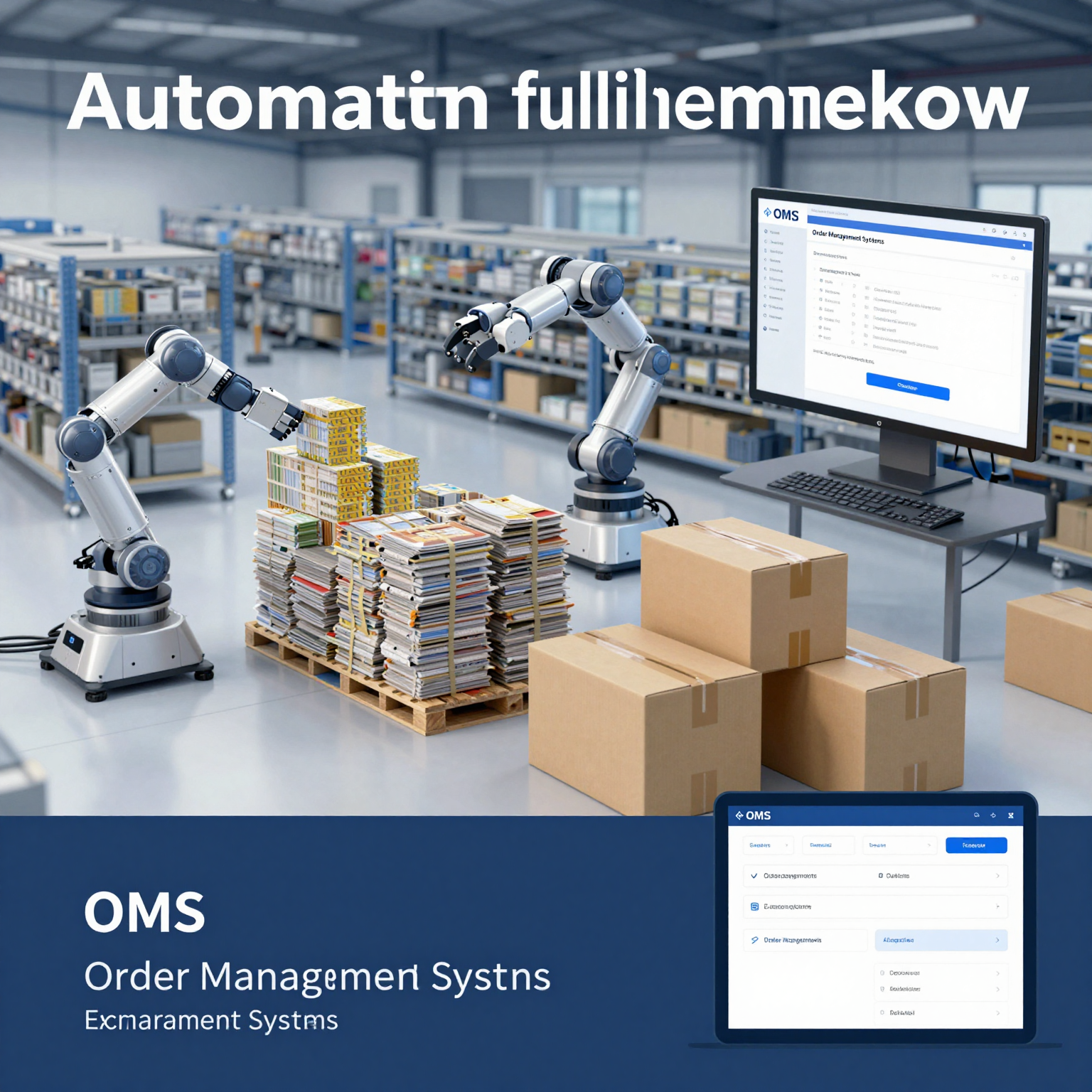
Use an OMS to automatically route orders to the nearest or most appropriate fulfillment center. This speeds up processing and minimizes shipping delays.
Streamline Workflows
Automate tasks such as order picking, packing, and labeling through warehouse management systems and robotics. This reduces the time from order receipt to shipment and increases operational accuracy.
3. Choose the Right Shipping Partners
Selecting and managing the right shipping partners is crucial for consistent delivery speed.
Partner with Reliable Carriers
Work with carriers known for their on-time performance and quality service. Reliable shipping partners ensure your packages reach customers within the promised timeframe.
Utilize Multiple Shipping Options
Offer customers various shipping speeds — standard, expedited, or same-day delivery — letting them choose based on urgency and budget.
Negotiate Service Level Agreements (SLAs)
Establish contractual agreements defining delivery timelines, penalties for delays, and performance expectations with your carriers. SLAs hold partners accountable and protect your reputation.
4. Use Technology to Enhance Visibility and Communication
Transparency and real-time updates build trust and enable proactive management of delivery issues.
Implement Shipment Tracking
Provide customers with live tracking information from dispatch to doorstep. This reduces incoming queries and improves customer experience.
Use Predictive Analytics
Employ analytics tools to anticipate potential supply chain disruptions or delays before they occur. This allows you to act quickly and mitigate issues.
Communicate Proactively
Notify customers immediately if there are any delays or changes to their order status. Proactive communication keeps them informed and reduces dissatisfaction.
5. Simplify Packaging and Labeling
Packaging efficiency directly impacts fulfillment speed.
Standardize Packaging
Use uniform packaging sizes and procedures to speed up packing and minimize errors during shipment preparation.
Use Automation Tools
Automated packaging systems reduce manual labor, accelerate handling, and keep the process consistent.
6. Optimize Last-Mile Delivery
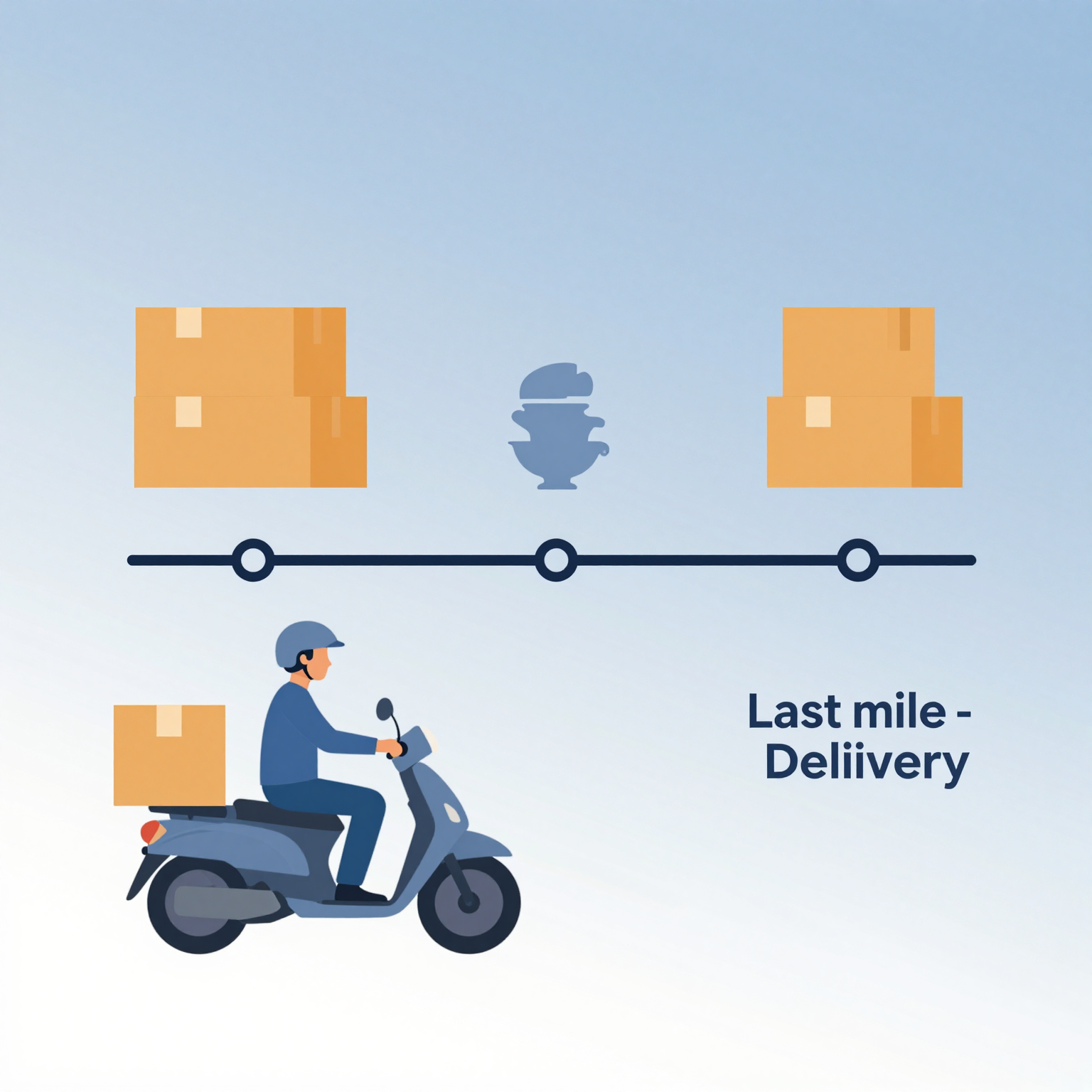
Last-mile delivery is often the most complex and costly part of the shipping process but is critical for fast service.
Leverage Local Fulfillment Centers
Utilize micro-fulfillment centers or local retail stores to serve nearby customers. This significantly cuts down delivery time for last-mile shipments.
Use Delivery Optimization Software
Route optimization tools help delivery drivers find the fastest routes and manage schedules efficiently, reducing delivery times.
Consider Alternative Delivery Methods
Offer customers options such as parcel lockers, pickup points, or curbside pickup to minimize waiting times and enhance convenience.
7. Monitor and Analyze Delivery Performance
Continuous monitoring allows you to identify bottlenecks and improve operations.
Track Key Metrics
Measure on-time delivery rates, average delivery times, and customer satisfaction regularly.
Continuously Improve Processes
Use insights from your data analytics to optimize every step in your fulfillment and shipping workflows, turning challenges into improvements.
8. Manage Customer Expectations
Setting transparent, realistic expectations enhances customer trust and satisfaction.
Set Realistic Delivery Times
Display delivery windows on your website and checkout pages that reflect your true shipping capabilities, factoring in possible delays.
Offer Transparency
Be upfront about any potential shipping delays and share how you are actively resolving them to keep customers informed.
Key Takeaways
- Efficient inventory management with multi-location distribution reduces shipping time.
- Automating order processing speeds fulfillment and minimizes errors.
- Partner strategically with trusted carriers and negotiate clear SLAs.
- Use technology for visibility, predictive insights, and customer communication.
- Streamline packaging and leverage automation tools.
- Optimize last-mile delivery using local fulfillment and advanced routing software.
- Continuously monitor performance metrics to drive improvements.
- Manage expectations by setting realistic delivery times and offering transparency.
Frequently Asked Questions (FAQs)
Q1: How can I improve inventory forecasting for faster shipping?
A: Use historical sales data, seasonality trends, and market analysis combined with AI-powered forecasting tools to predict demand accurately and stock inventory accordingly.
Q2: What order management systems are recommended for eCommerce businesses?
A: Popular OMS solutions include Shopify Plus, Oracle NetSuite, and TradeGecko (now QuickBooks Commerce), which offer automated order routing and integration with multiple sales channels.
Q3: How important is last-mile delivery optimization?
A: Last-mile delivery greatly influences customer experience and shipping speed. Optimizing routes and using local fulfillment centers can significantly reduce delivery times and logistical costs.
Q4: What are some good alternatives to traditional home delivery?
A: Alternatives include parcel lockers, in-store pickups, curbside pickups, and third-party pickup points. These methods can enhance convenience and reduce last-mile complexity.
Q5: How do service level agreements (SLAs) benefit eCommerce shipping?
A: SLAs define performance standards and accountability with carriers, ensuring consistent delivery times and protecting your brand’s reputation.
Additional Resources
- Shopify: Inventory Management Guide
- Oracle: Order Management Solutions
- Supply Chain Dive: Last-Mile Delivery Innovations
- Forbes: How AI Is Transforming Demand Forecasting
- HubSpot: Customer Communication Best Practices
Conclusion: Take Control of Your Delivery Timelines Today
The ability to manage delivery timelines effectively and achieve faster shipping is a game-changer in eCommerce. By optimizing inventory, automating processes, choosing the right partners, leveraging technology, simplifying packaging, and focusing on last-mile delivery, you create a seamless fulfillment experience that delights customers and fuels growth.
Don’t let shipping delays cost you sales and customer trust. Start implementing these strategies today to reduce delivery times, enhance satisfaction, and gain a competitive edge in the market.
Ready to speed up your eCommerce shipping? Begin by assessing your current delivery process and identify areas for improvement. Utilize the technologies and partnerships discussed here, and watch your business thrive with faster, reliable delivery.
Word count: 1820
This HTML is structured to maintain the original formatting and content from the markdown, suitable for WordPress.
Recent Blog

Top Logistics Trends Every D2C Brand Must Know in 2026
Top Logistics Trends Every D2C Brand Should Know in 2026:…
How Generative AI Cuts Logistics Costs with Smart Automation
How Generative AI Is Reducing Logistics Costs: Unlocking Smart Automation…

Dark Stores vs Warehouses: Who Wins in 2026 Quick Commerce?
Dark Stores vs Warehouses: Which Model Wins in 2026? Estimated…
