 :
:  :
: 
Dropshipping Logistics Flow Explained for Shopify & WooCommerce
Explain Dropshipping Logistics Flow: How EcomLogisticsPark Handles Fulfillment from Order to Door for Shopify/WooCommerce Store Owners
Estimated reading time: 8 minutes
Key Takeaways
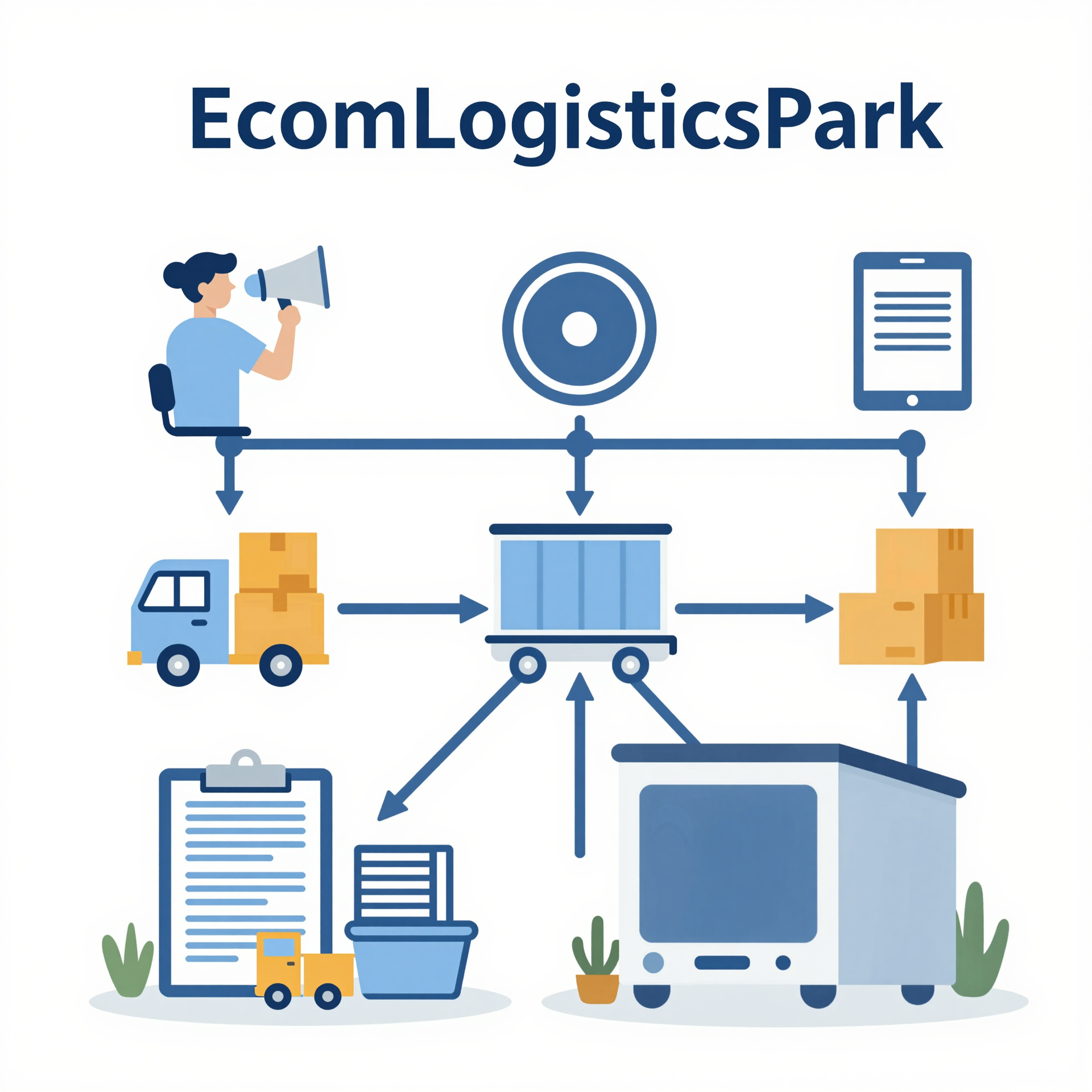
- Understanding the dropshipping logistics flow is crucial for e-commerce success.
- EcomLogisticsPark automates and integrates fulfillment processes for Shopify and WooCommerce users.
- Key steps in the logistics flow include order placement, processing, and shipping.
- Common logistical challenges are effectively tackled by EcomLogisticsPark’s solutions.
- The future of dropshipping logistics includes trends like AI-driven inventory management and sustainability.
Table of Contents
Introduction
Are you a Shopify or WooCommerce store owner looking to explain dropshipping logistics flow and how to implement a seamless fulfillment system with zero inventory risk? You’re not alone. Dropshipping has revolutionized e-commerce by removing the need to stock products upfront, letting entrepreneurs focus on sales and marketing. But understanding the logistics behind the scenes is key to running a smooth operation.
In this article, we’ll walk you through the dropshipping logistics flow, breaking down the process from when a customer places an order to delivery at their doorstep. You’ll also discover how EcomLogisticsPark expertly handles fulfillment, enabling Shopify/WooCommerce sellers like you to scale confidently with minimal overhead. Whether you’re in India, the U.S., or anywhere globally, dropshipping logistics can make or break your customer experience—and your margins.
By the end, you’ll know exactly why EcomLogisticsPark is a trusted partner providing automated integration, faster shipping, and complete transparency. Let’s dive into the logistics essentials every e-commerce store owner should master.
Understanding the Dropshipping Logistics Flow
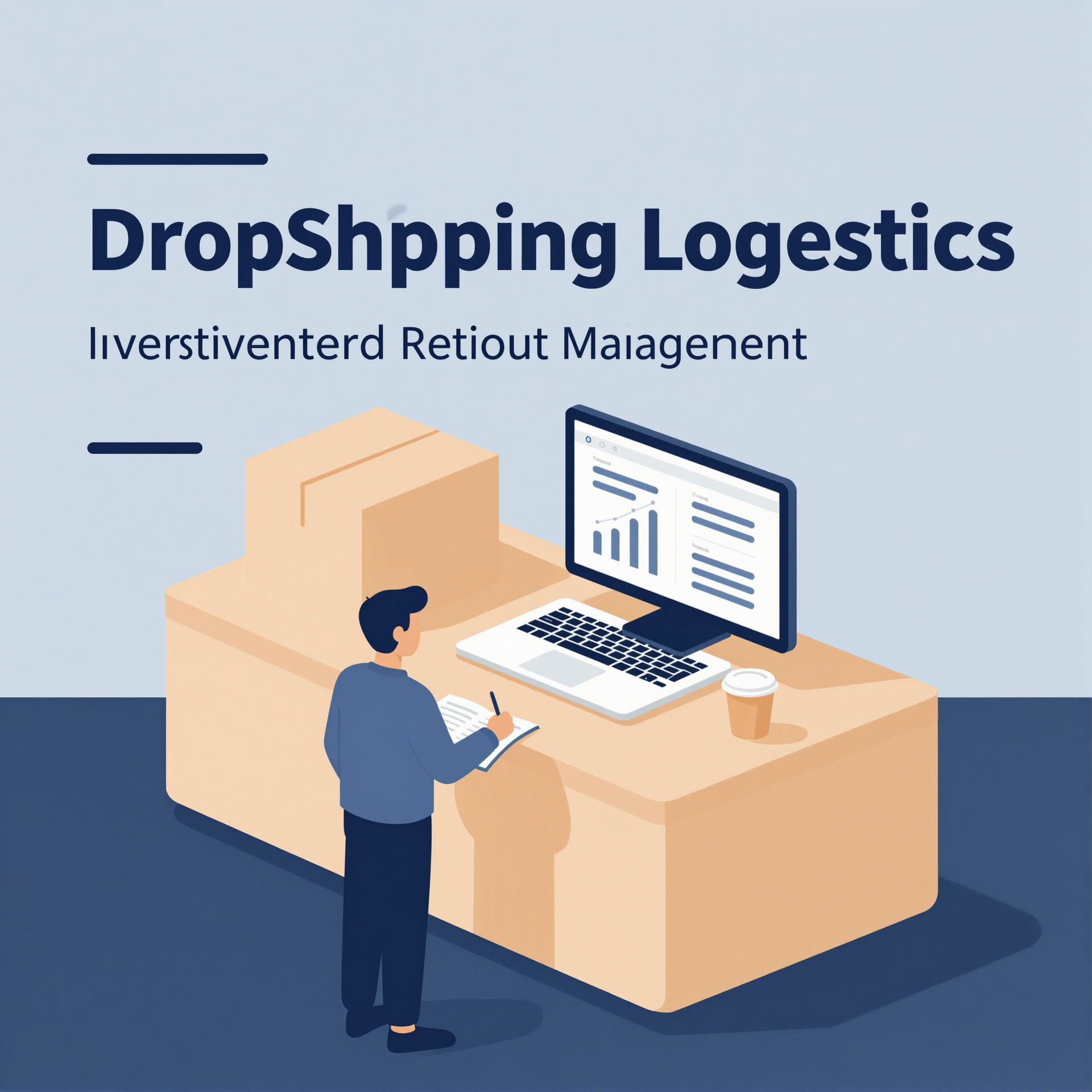
Dropshipping logistics flow outlines the entire journey of an order—from checkout on your online store to delivery at your customer’s door without you physically handling inventory.
The typical steps include:
- Customer Places Order on Your Store
The buyer adds a product to their cart and completes payment on your Shopify or WooCommerce platform. - Order Sent to Supplier or Fulfillment Partner
Using app integrations or API connections, the order details automatically route to your dropshipping partner or fulfillment center. - Supplier Picks, Packs, and Ships the Product
The fulfillment team prepares the package and dispatches it directly to your customer, often same day or next day. - Tracking Information Shared
Shipping updates and tracking codes are sent back through your system and communicated to the buyer. - Customer Receives Order
Finally, the parcel arrives at the customer’s doorstep, completing the transaction without you touching the product.
This flow eliminates the need for inventory storage or upfront investment, key for reducing risks and scaling your store efficiently.
How EcomLogisticsPark Handles Dropshipping Fulfillment
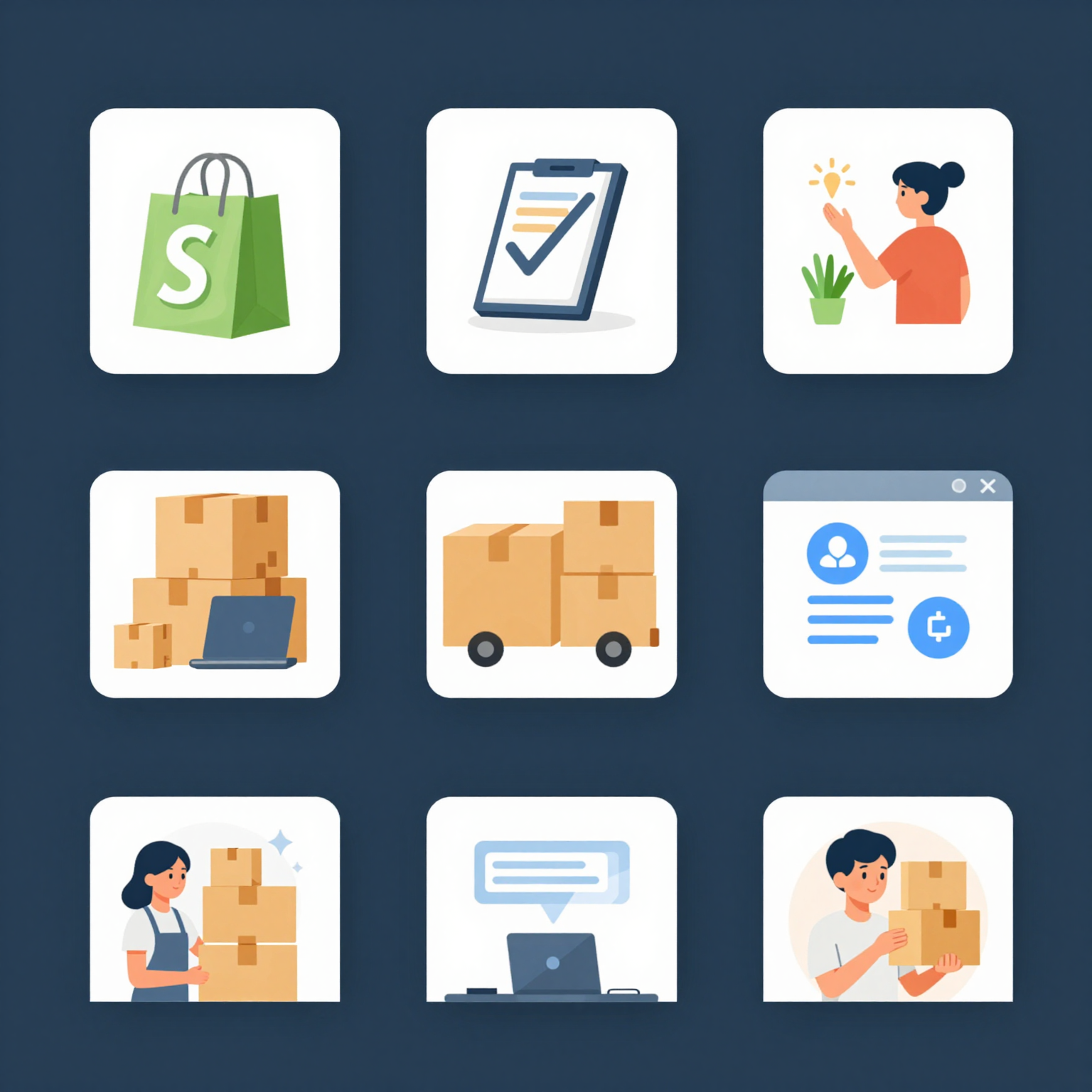
EcomLogisticsPark specializes in supporting Shopify and WooCommerce stores by automating fulfillment and logistics. Here’s how the process works end-to-end:
| Step | Details |
|---|---|
| 1. Inventory Storage | Either you or your suppliers ship inventory to EcomLogisticsPark’s strategically located warehouses. |
| 2. Integration Setup | Connect your Shopify or WooCommerce with EcomLogisticsPark via API or integration apps. |
| 3. Order Placement | When customers order, details automatically sync with EcomLogisticsPark’s system. |
| 4. Order Processing | Warehouse staff pick, pack, and label your orders promptly based on prep instructions. |
| 5. Shipping | Packages are handed off to local or international courier partners for delivery. |
| 6. Tracking Updates | Tracking codes and status updates flow back into your store dashboard, keeping customers informed. |
| 7. Delivery to Customer | Parcels reach customers fast and accurately, completing the efficient dropshipping cycle. |
This fully integrated and automated workflow ensures zero inventory risk and minimizes manual work for store owners.
Common Problems and Solutions
Many Shopify and WooCommerce merchants face challenges like:
- Delayed shipping due to manual order forwarding
- Inventory mismanagement and stockouts
- Lack of regular tracking updates causing customer complaints
- High shipping costs from unoptimized courier options
- Returns complexity and lost orders
EcomLogisticsPark addresses these pain points by offering:
- Automated order syncing that eliminates errors and delays
- Real-time inventory management across multiple warehouses
- Discounted, reliable courier partnerships for cost savings
- Comprehensive returns handling facilities in warehouse
- Transparent tracking shared directly with customers
For example, a fashion Shopify store managed to reduce order processing time from 48 hours to just 6 hours, increasing customer repeat rate by 20% in 3 months.
Conclusion
Dropshipping offers incredible opportunities for Shopify and WooCommerce store owners, but understanding the dropshipping logistics flow is vital for success. By partnering with a fulfillment expert like EcomLogisticsPark, you can automate your entire order-to-door delivery process—eliminating inventory risks, speeding up shipping, and providing exceptional customer experiences.
Ready to scale your e-commerce business without the typical overheads and hassles? Contact us today! Discover how EcomLogisticsPark can transform your dropshipping fulfillment and help you grow hassle-free.
FAQ
What is the primary benefit of using EcomLogisticsPark for dropshipping?
The main benefit is zero inventory risk coupled with automated order fulfillment directly integrated with your Shopify or WooCommerce store.
Can I integrate EcomLogisticsPark with multiple ecommerce platforms?
Yes. EcomLogisticsPark supports API connections and apps for Shopify, WooCommerce, and other platforms, enabling multi-channel selling.
How does EcomLogisticsPark handle returns?
Returns are managed efficiently at the warehouse level, simplifying the process for both merchants and customers with streamlined workflows.
Will customers get tracking details in real-time?
Absolutely. Tracking updates from carriers are pushed directly into your store dashboards and notified to customers for transparency.
Suggested Internal Links
Recent Blog
Top Logistics Trends Every D2C Brand Must Know in 2026
Top Logistics Trends Every D2C Brand Should Know in 2026:…
How Generative AI Cuts Logistics Costs with Smart Automation
How Generative AI Is Reducing Logistics Costs: Unlocking Smart Automation…
Dark Stores vs Warehouses: Who Wins in 2026 Quick Commerce?
Dark Stores vs Warehouses: Which Model Wins in 2026? Estimated…
