 :
:  :
: 
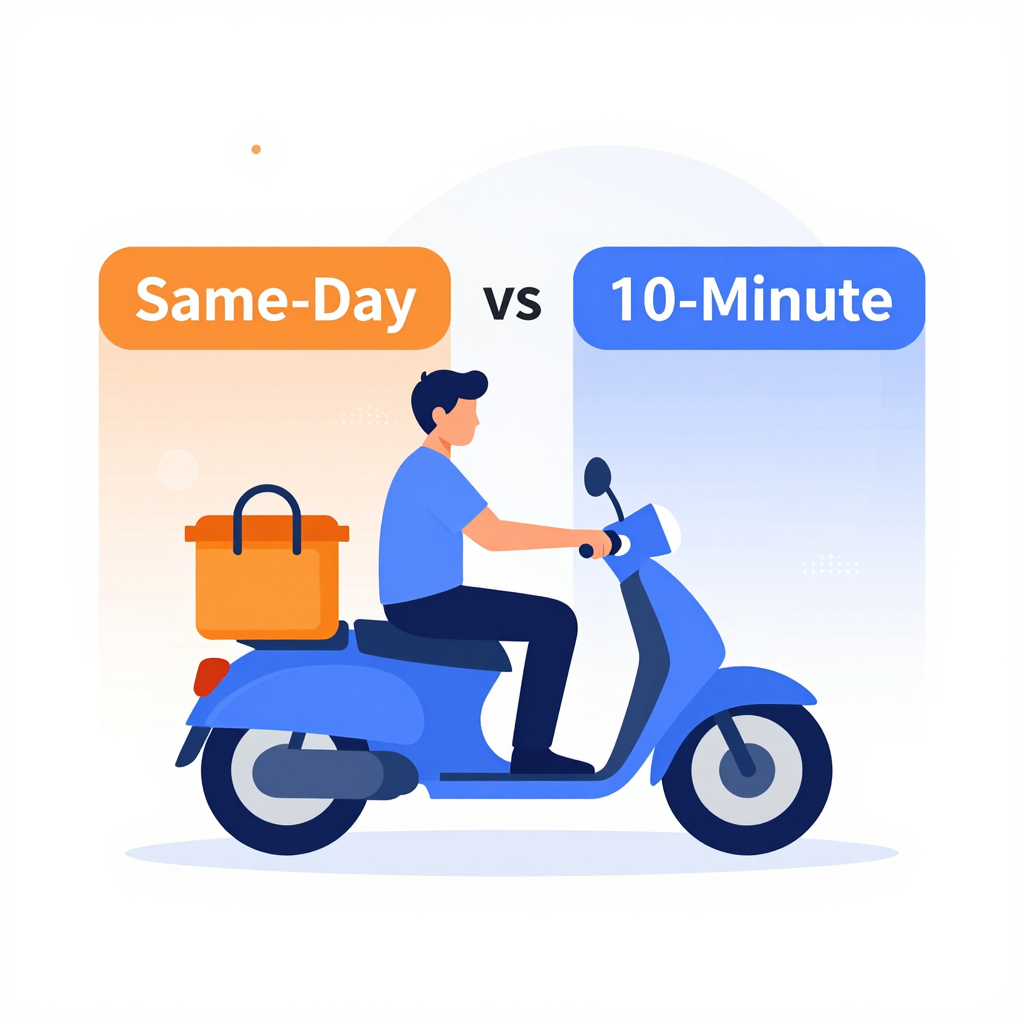
Same-Day vs 10-Minute Delivery: Best Choices for eCommerce
Same-Day Delivery vs 10-Minute Delivery: What Actually Works for eCommerce Brands?
Estimated reading time: 7 minutes
Key Takeaways
- Both Same-Day and 10-Minute deliveries cater to growing consumer demand for speed.
- Cost implications significantly differ: Same-Day is moderate to high, while 10-Minute is very high.
- 10-Minute Delivery thrives in densely populated urban areas, while Same-Day Delivery suits larger cities.
- Emerging tech like AI and drones may reshape fast delivery methods in the future.
- A hybrid delivery model may serve as the best solution for many brands.
Table of Contents
- Introduction
- The Growing Trend of Fast Delivery
- How Same-Day and 10-Minute Delivery Actually Work
- Real-World Examples: Where Each Delivery Model Shines
- Step-by-Step Guide to Selecting the Best Delivery Model for Your eCommerce Brand
- Key Benefits and Tips for Each Delivery Model
- Future Trends in Fast Delivery
- Conclusion
- FAQ
Introduction
In today’s ultra-competitive eCommerce world, delivery speed often defines the customer experience. Two popular delivery models—Same-Day Delivery vs 10-Minute Delivery—promise impressive speed, but which one truly works best for eCommerce brands? Understanding the nuances between these options is critical for businesses eager to boost customer satisfaction, manage costs, and streamline logistics.
The global rise in online shopping during the pandemic increased customer demands for faster deliveries. Now, the race between quick (and even near-instant) fulfillment models is intensifying. Indian markets and other rapidly urbanizing regions mirror this trend, making it crucial for eCommerce brands to choose their delivery approach wisely.
This article dives into a detailed comparison of Same-Day Delivery and 10-Minute Delivery, evaluating cost, speed, customer expectations, and where each model excels. Whether you are a startup, established brand, or logistics provider, these insights will help you decide which delivery solution best suits your unique needs.
The Growing Trend of Fast Delivery
With around 30% of consumers willing to pay extra for fast shipping, brands must carefully balance delivery costs and speed to thrive. Both Same-Day and 10-Minute deliveries cater to this consumer hunger for speed but differ substantially in their operations and customer appeal.
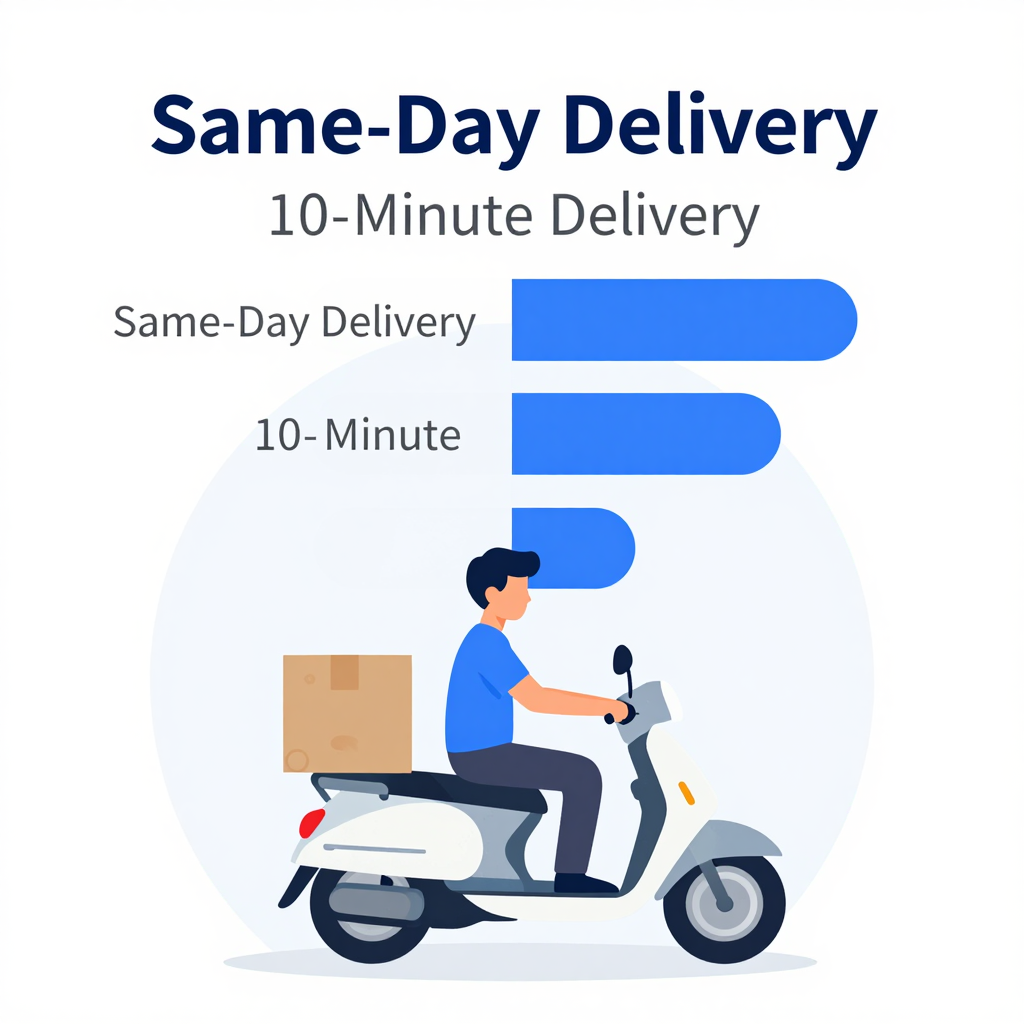
- Same-Day Delivery fulfills customer orders within a few hours, often between 2 to 8 hours, making it a popular middle-ground choice.
- 10-Minute Delivery pushes the envelope further by promising near-instant delivery, often for urgent, impulse purchases.
According to recent logistics reports, Same-Day Delivery is gaining traction in metropolitan cities with good infrastructure, while 10-Minute Delivery is a niche service primarily thriving in densely populated urban centers offering ultra-local products.
How Same-Day and 10-Minute Delivery Actually Work
Breakdown of essential factors to understand how each model functions in practice:
| Aspect | Same-Day Delivery | 10-Minute Delivery |
|---|---|---|
| Cost | Moderate to high; requires several warehouses and delivery vehicles spread over large service areas | Very high; needs many local couriers, rapid dispatch, and very small delivery radii |
| Speed | Delivery within the same calendar day (typically 2-8 hours) | Delivery promised within 10 minutes using hyperlocal couriers |
| Customer Expectations | Customers want convenience but can accept a wait time of a few hours | Expect near-instant gratification suitable for urgent needs or impulse buys |
| Ideal Use Case | Best for larger cities; suited to apparel, electronics, groceries | Perfect for dense urban areas; works well for food, pharmacy, and essential items |
Why Cost Varies So Widely
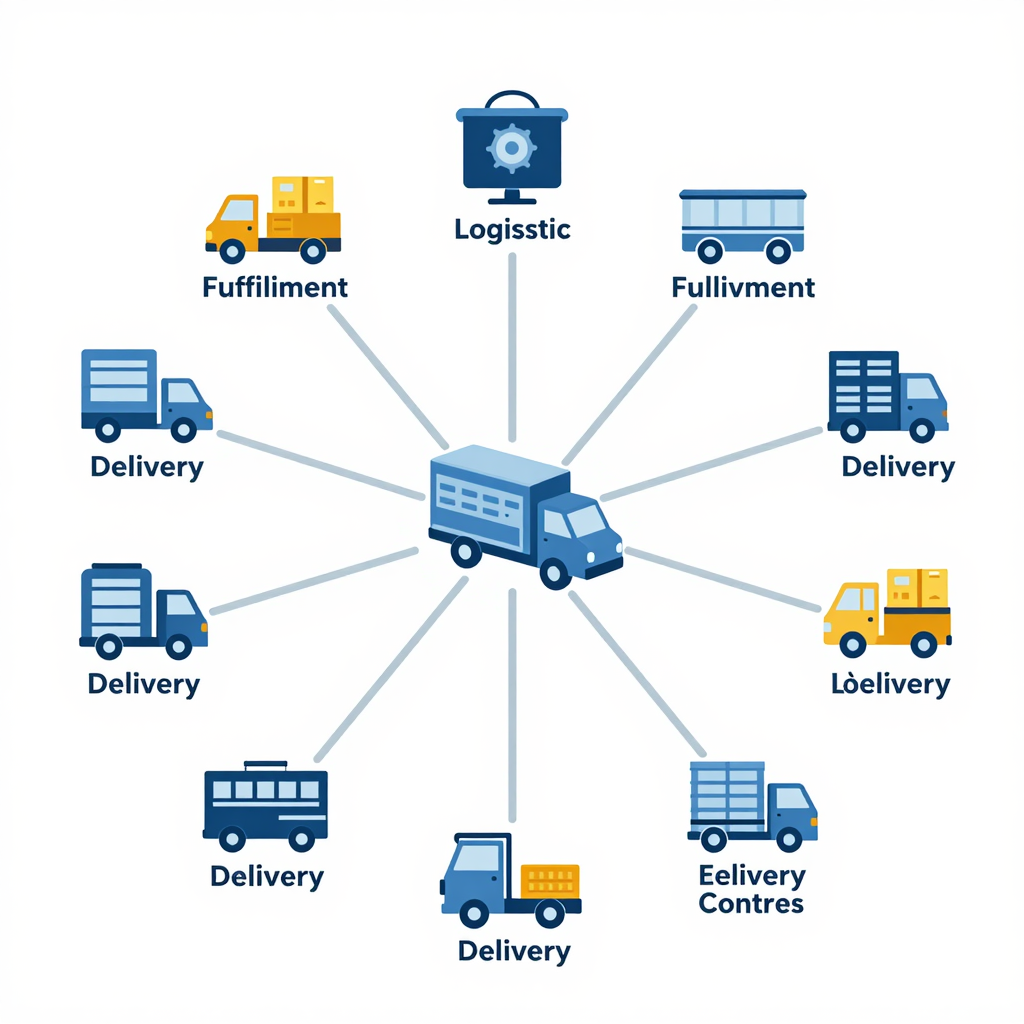
Same-Day Delivery requires investments in multiple fulfillment centers across a city or region and dependable logistics to manage bulk deliveries efficiently. However, 10-Minute Delivery demands hyperlocal hubs, large courier fleets, and ultra-fast processing, which drives up costs significantly.
Speed: The Critical Differentiator
Speed defines these models and shapes customer choices. Same-Day Delivery offers a few hours of wait, often sufficient for non-urgent purchases, while 10-Minute Delivery guarantees instant satisfaction, which can be a game-changer for certain product categories.
Real-World Examples: Where Each Delivery Model Shines
Let’s look at industries and companies effectively using these delivery methods:
- Same-Day Delivery
- Amazon Prime Now: Offers same-day delivery across many cities worldwide, especially for electronics and groceries.
- Myntra (India): Provides same-day delivery for apparel and accessories in select metro areas, balancing cost and speed.
- Best Buy: Uses same-day delivery for tech gadgets in major urban centers where fast but not instantaneous delivery satisfies customers.
- 10-Minute Delivery
- Gopuff: Focuses on instant delivery of snacks, essentials, and OTC medicines within 10 minutes in hyperlocal urban neighborhoods.
- DoorDash and Uber Eats: Many food delivery platforms have introduced “10-minute” or ultra-quick delivery choosing restaurants with local kitchens or dark stores.
- PharmEasy (India): In dense city pockets, offers 10-minute pharmacy deliveries for urgent medical supplies.
These examples show which sectors benefit most from each delivery speed, highlighting the role of product type and target customer preferences.
Step-by-Step Guide to Selecting the Best Delivery Model for Your eCommerce Brand
- Assess Your Product Category
Non-perishables and non-urgent goods suit Same-Day Delivery, while consumables and urgent items thrive with 10-Minute Delivery.
- Understand Your Customer Expectations
Survey or analyze buyer behavior to determine if your customers prioritize speed, cost, or reliability.
- Evaluate Your Market Location
Check if your customer base is in densely populated urban centers or spread over wider geographical areas.
- Analyze Cost Implications
Compare logistics overheads for setting up hyperlocal hubs vs. centralized fulfillment centers.
- Pilot Both Models (If Possible)
Test each delivery method in target zones to gather data on operational efficiency and customer satisfaction.
- Optimize Based on Data
Use insights to select the best delivery model or even blend both depending on product category and urgency levels.
- Invest in Technology
Advanced order management and delivery tracking systems are crucial to enable either delivery speed effectively.
- Communicate Clearly to Customers
Align marketing and customer service messaging with your delivery promise to set realistic expectations.
Key Benefits and Tips for Each Delivery Model
Benefits of Same-Day Delivery
- Expands delivery radius beyond immediate neighborhoods.
- Balances speed and operational cost effectively.
- Appeals to customers seeking convenience without paying premium for instant gratification.
- Reduces cart abandonment linked to long shipping delays.
Tips for Success
- Partner with reliable local couriers and use multiple fulfillment centers.
- Optimize inventory placement for popular SKUs across regions.
- Clearly communicate cutoff times for same-day orders to avoid disappointment.
Benefits of 10-Minute Delivery
- Creates competitive edge for urgent and impulse-buy categories.
- Drives higher customer loyalty through instant gratification.
- Serves hyperlocal markets with limited delivery radius, lowering last-mile complexities.
Tips for Success
- Maintain a dense network of micro-fulfillment centers or dark stores.
- Use real-time delivery tracking and rapid order processing technology.
- Carefully select product range suitable for ultra-quick fulfillment.
Future Trends in Fast Delivery
Emerging technologies and shifting consumer expectations will shape the fast delivery landscape:
- AI and Machine Learning will optimize delivery routes and predict demand, reducing costs for both models.
- Drones and Autonomous Vehicles could cut down delivery times and labor costs, making 10-Minute deliveries more scalable.
- Sustainability Focus will push brands to balance speed with eco-friendly practices, possibly affecting hyperlocal delivery operations.
- Expanding to Tier 2 & 3 Cities will challenge Same-Day Delivery logistics due to infrastructure gaps but offers growth opportunities.
- Subscription and Loyalty Programs might bundle fast delivery perks to foster retention.
Both Same-Day and 10-Minute delivery models will likely evolve, but the key will be aligning them with consumer expectations and operational feasibility.
Conclusion
In the battle of Same-Day Delivery vs 10-Minute Delivery: What Actually Works for eCommerce Brands?, the answer is nuanced. Same-Day Delivery offers a practical, cost-effective solution appealing to a broad audience and a variety of product categories. Meanwhile, 10-Minute Delivery excels in niche urban markets where speed and immediacy create strong competitive advantages.
Your choice depends on your product type, customer expectations, and willingness to invest in delivery infrastructure. For many brands, a hybrid approach tailored to specific regions or products might be the best path forward.
Ready to optimize your delivery strategy and delight customers with unmatched speed? Contact us today!
FAQ
What are the main cost drivers for 10-Minute Delivery?
Extensive local courier networks, rapid order processing, and small delivery zones make 10-Minute Delivery very resource-intensive.
Can small businesses afford Same-Day Delivery?
With the right partnerships and regional focus, many small to mid-sized businesses can offer same-day delivery in select locations.
What products are unsuitable for 10-Minute Delivery?
Large, bulky, or non-urgent items typically do not fit the model due to logistical challenges and cost.
Does Same-Day Delivery improve repeat purchases?
Yes, faster delivery options enhance customer satisfaction, reducing cart abandonment and increasing loyalty.
How can technology improve fast delivery models?
Automation, AI routing, real-time tracking, and inventory management software all contribute significantly to efficiency and customer satisfaction.
Recent Blog
Top Logistics Trends Every D2C Brand Must Know in 2026
Top Logistics Trends Every D2C Brand Should Know in 2026:…
How Generative AI Cuts Logistics Costs with Smart Automation
How Generative AI Is Reducing Logistics Costs: Unlocking Smart Automation…
Dark Stores vs Warehouses: Who Wins in 2026 Quick Commerce?
Dark Stores vs Warehouses: Which Model Wins in 2026? Estimated…
