 :
:  :
: 
How Small Businesses Can Compete with Amazon Using Smart Logistics
How Small Businesses Can Compete with Amazon Using Smart Logistics
Estimated reading time: 7 minutes
Key Takeaways
- Small businesses can adopt flexible fulfillment strategies to reduce delivery times.
- Utilizing advanced technology, such as inventory and route optimization systems, enhances operational efficiency.
- Partnerships with third-party logistics providers can minimize capital expenditure and improve service.
- Implementing omnichannel fulfillment creates a seamless experience for customers.
- Real-time tracking and effective communication build customer trust and loyalty.
Table of Contents
Introduction
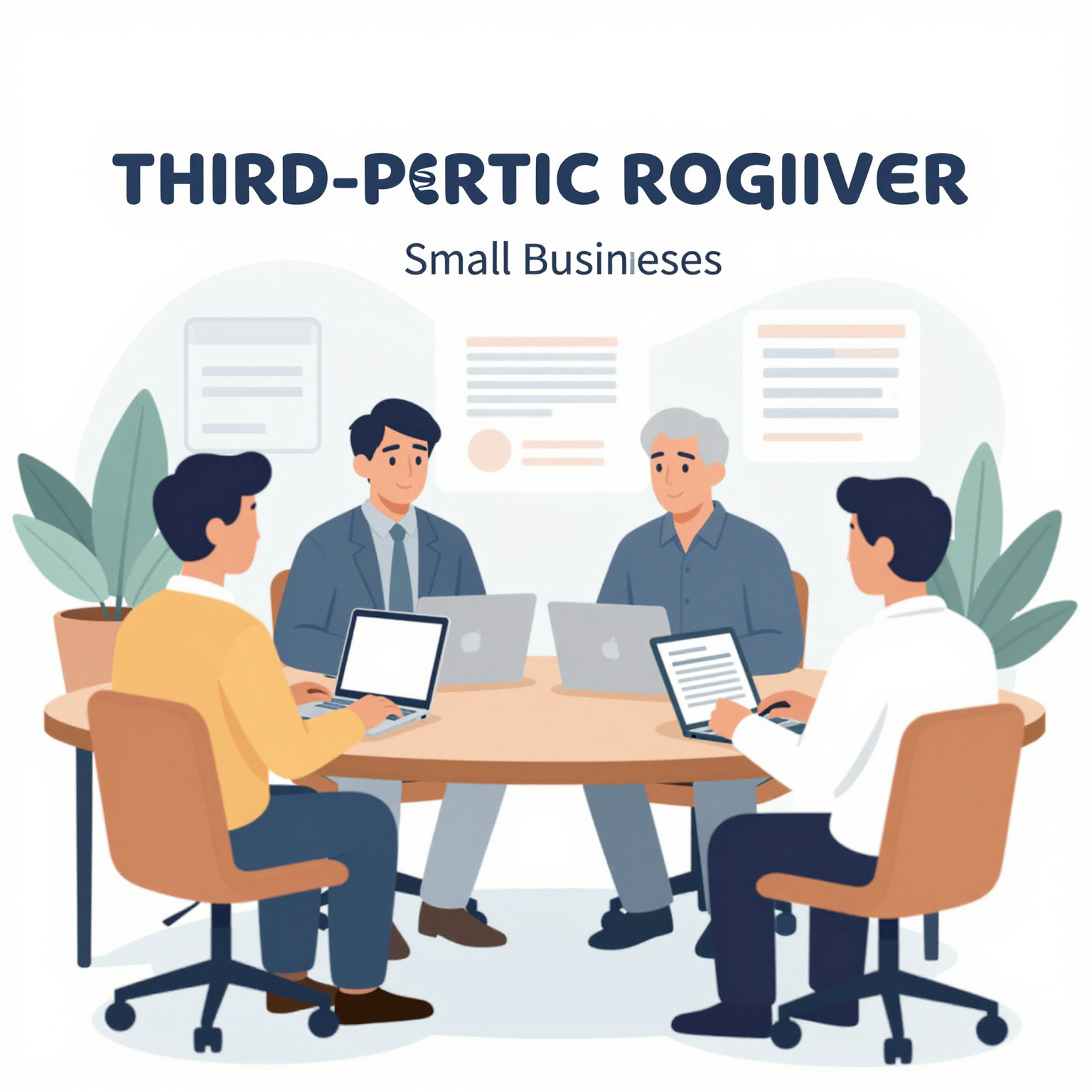
Amazon has revolutionized e-commerce with its lightning-fast delivery and near-perfect customer experience, setting a challenging benchmark for small and medium-sized enterprises (SMEs) worldwide. But does that mean SMEs are destined to lose in the race? Absolutely not. How small businesses can compete with Amazon using smart logistics is one of today’s most pressing questions for entrepreneurs aiming to thrive in a growing competitive landscape.
With customers increasingly expecting rapid fulfillment, SMEs are focusing on faster delivery and operational agility to level the playing field. This guide demonstrates scalable logistics solutions that help smaller players stay competitive by leveraging flexibility, technology, and smart partnerships. Whether you’re a local retailer, a niche manufacturer, or an emerging online brand in India or globally, adopting these strategies can boost your fulfillment speed, reduce costs, and enhance customer satisfaction.
This SME-focused guide digs deep into adopting smart logistics—from micro-warehousing and AI-driven route planning to omnichannel fulfillment and real-time tracking—empowering you to build a customized, scalable fulfillment operation that works for your business size and market.
Adopt Flexible Fulfillment Strategies

The traditional model of relying on a large central warehouse can limit your ability to offer fast delivery. Instead, SMEs should adopt flexible fulfillment strategies such as:
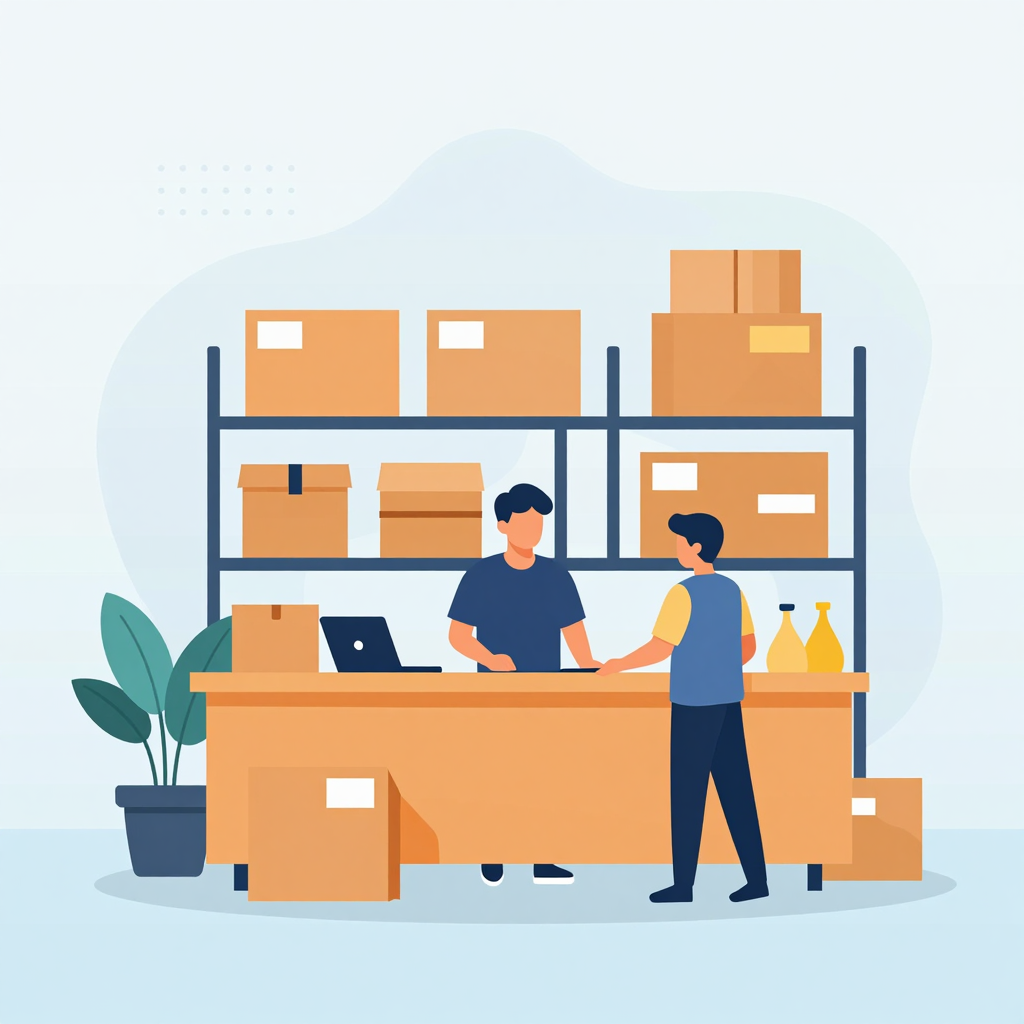
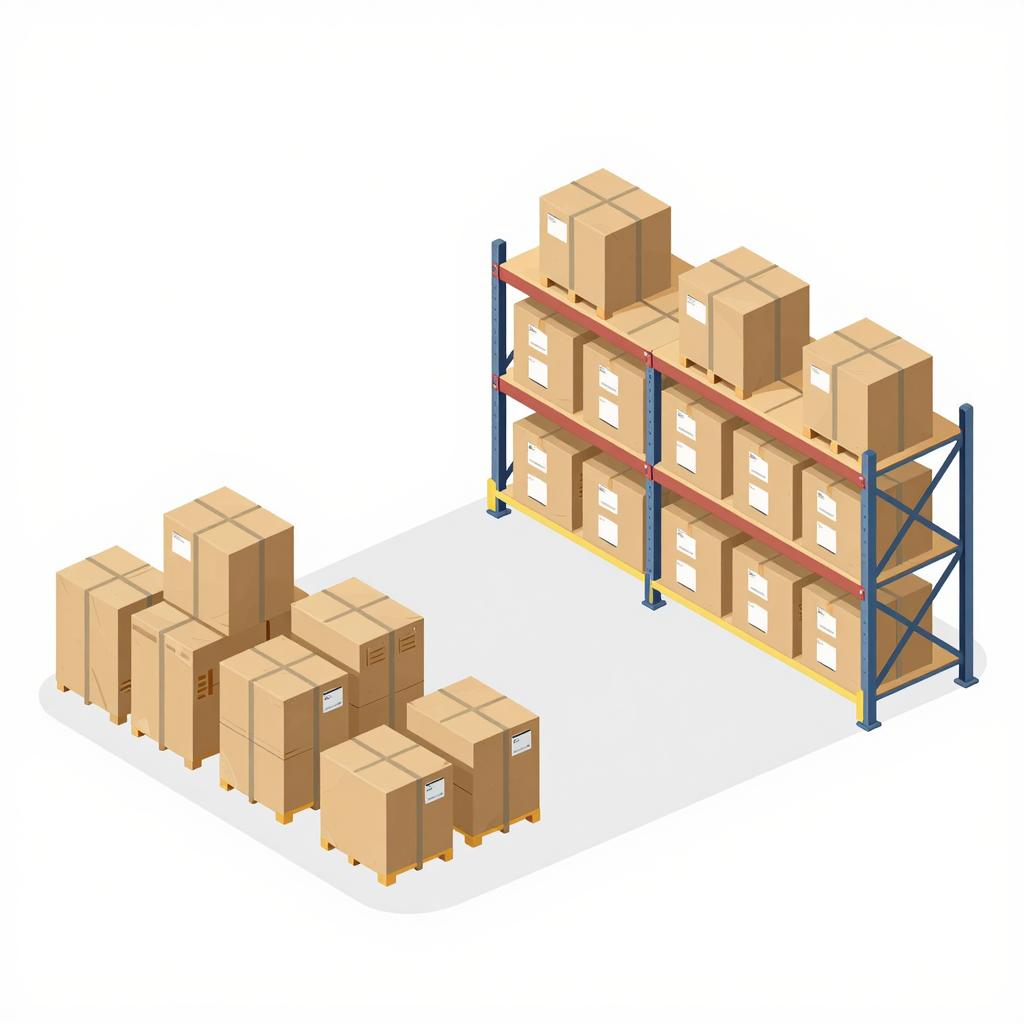
- Local Warehousing & Micro-Fulfillment Centers: Instead of shipping from one large warehouse, distribute inventory across multiple smaller centers strategically located near your key customer bases. This reduces last-mile delivery times significantly, competing with Amazon’s promise of rapid delivery.
- Retail Store Integration: If you have physical locations, leverage them as fulfillment hubs. This approach uses existing stock in stores to fulfill nearby orders quickly through options like ship-from-store or click-and-collect.
- Pop-Up Fulfillment Points: Temporary or seasonal fulfillment centers placed near event locations or geographic hotspots can help handle peaks in demand without heavy investment.
These models reduce shipping distances, lower transportation costs, and improve customer experience through faster arrivals.
Utilize Advanced Technology Tools
Smart logistics is impossible without technology. SMEs can harness affordable, scalable tech solutions designed for smaller teams and budgets:
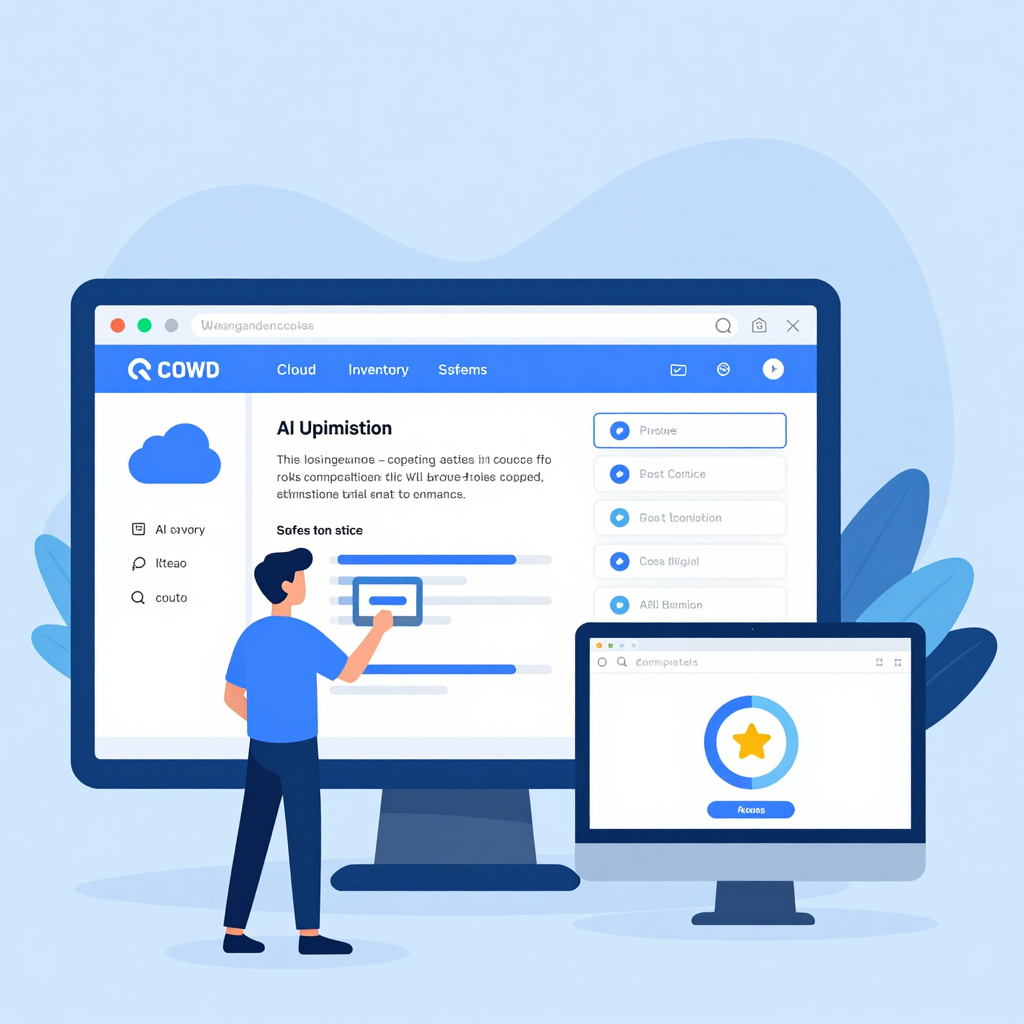
- Inventory Management Systems (IMS): Cloud-based IMS keeps real-time track of stock to prevent overselling or delays, especially when inventory is spread across multiple locations.
- Route Optimization Software: AI-powered tools like Route4Me or OptimoRoute calculate the fastest and most fuel-efficient delivery routes. This method benefits small fleets and even independent delivery contractors.
- Order Management Systems (OMS): OMS centralizes orders from various sales channels (e.g., website, marketplaces, social media), speeding up order processing and fulfillment accuracy.
Together, these integrated systems streamline logistics workflows and reduce bottlenecks.
Partner with Third-Party Logistics Providers (3PL)
For many SMEs, investing in end-to-end logistics infrastructure is cost-prohibitive. Partnering with 3PL providers offers a viable alternative:
- 3PLs specialize in warehousing, picking, packing, and shipping, with established networks, cutting down capital expenditure.
- Choose 3PL partners offering regional coverage aligned with your target market and the ability to scale operations up or down depending on seasonal demand.
- Some 3PLs also provide value-added services like custom packaging, returns handling, and technology integration.
Bundling your logistics needs with a trusted 3PL frees up time and resources to focus on growth and customer engagement.
Embrace Omnichannel Fulfillment
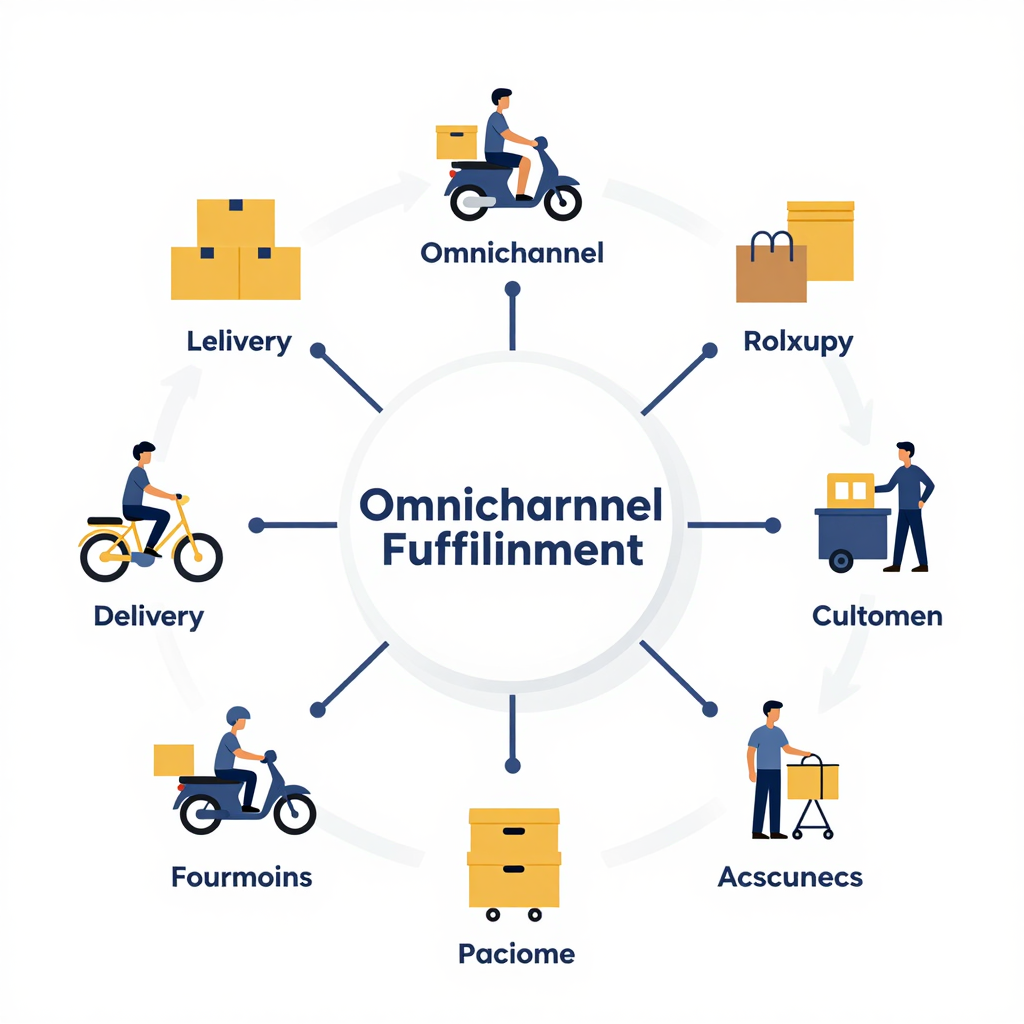
Today’s customers want flexibility and convenience. Omnichannel fulfillment strategies empower SMEs to meet these expectations:
- Multiple Delivery & Pickup Options: Enable home delivery, curbside pickup, locker pickups, and in-store collection options. This not only reduces last-mile delivery strain but also expands your reach.
- Inventory Visibility: Integrate backend systems so stock availability is updated real-time across channels. This prevents overselling and enables smart fulfillment route decisions.
- Localized Fulfillment Networks: Using neighborhood stores, dark stores, or lockers in tandem with e-commerce channels creates a seamless shopping experience that rivals large retailers.
Omnichannel approaches help SMEs capture more orders and improve customer retention through superior service.
Implement Real-Time Tracking & Communication
Transparency is a key factor in building trust and satisfaction. SMEs can compete by offering:
- Real-Time Order Tracking: Customers increasingly expect to monitor their parcels at every step. Integrating GPS tracking and communicating timely updates provides peace of mind.
- Automated Notifications: Use SMS or email triggers for order confirmation, dispatch, delivery window, and any delays. This proactive communication reduces inbound customer queries.
- Customer Support Integration: Offering chatbots or easy contact options linked to tracking info helps handle issues quickly, preventing negative experiences.
Such communication builds reliability and encourages repeat purchases.
Optimize Packaging & Returns Process
Smart packaging and efficient returns processes cut costs and enhance customer experience:
- Standardized Packaging: Use uniform, easy-to-handle packaging that’s optimized for your products and transport modes. This speeds up packing, reduces damage, and lowers shipping fees.
- Sustainable Packaging Materials: Eco-friendly options appeal to environmentally-conscious consumers and may reduce waste costs.
- Streamlined Returns: Clearly outlined return policies, prepaid labels, and easy drop-off points simplify returns management. Fast refunds or exchanges build trust.
An efficient returns system is just as important as speedy delivery in maintaining customer loyalty.
Scale Logistics Smartly
Finally, scaling logistics operations requires a measured approach:
- Start with MVP Fulfillment Setup: Build a minimal viable process with core tech, a small fulfillment center or 3PL partner, and basic delivery options.
- Modular Software Solutions: Use platforms that allow easy upgrades to add new channels, warehouse locations, or carriers.
- Flexible Warehouse Space: Consider shared warehouses or co-warehousing options to avoid long-term real estate commitments.
- Continuous KPI Monitoring: Track delivery speed, order accuracy, shipping costs, and customer satisfaction regularly. Use these insights to improve workflows.
- Adapt to Demand Fluctuations: Use temporary staff or contract couriers to handle seasonal peaks without overburdening your system.
Smart scaling helps you grow logistics capabilities sustainably without sacrificing service quality.
Conclusion
Competing with Amazon might seem daunting, but how small businesses can compete with Amazon using smart logistics boils down to leveraging targeted, flexible strategies and technology to offer faster, more reliable fulfillment. By adopting local warehousing, automation, strategic partnerships, and customer-centric communication, SMEs can craft scalable logistics models tailored to their unique needs.
The key lies in agility and continuous improvement—smaller size allows quicker adaptation to market trends and customer preferences. Faster fulfillment combined with operational efficiency enables SMEs to carve out their niche and win customer loyalty in today’s fast-paced commerce world.
Ready to transform your logistics and boost your competitiveness? Contact us today!
FAQ
Q1: How can local warehousing improve delivery times for SMEs?
Local warehousing allows SMEs to stock inventory closer to customers, significantly reducing last-mile delivery times compared to shipping from a distant central warehouse.
Q2: What technology tools are essential for smart logistics?
Cloud-based inventory management, AI-powered route optimization, and centralized order management systems are crucial for enhancing fulfillment speed and accuracy.
Q3: What should SMEs look for when choosing a 3PL partner?
Look for regional presence, scalability, technology integration capabilities, and additional services like packaging and returns handling.
Q4: How does omnichannel fulfillment benefit small businesses?
It offers customers multiple buying and delivery options, improving convenience and expanding market reach while optimizing costs.
Q5: Why is real-time tracking important?
It enhances customer trust by providing transparency and reduces customer service workload by proactive communication.
Recent Blog

Top Logistics Trends Every D2C Brand Must Know in 2026
Top Logistics Trends Every D2C Brand Should Know in 2026:…
How Generative AI Cuts Logistics Costs with Smart Automation
How Generative AI Is Reducing Logistics Costs: Unlocking Smart Automation…
Dark Stores vs Warehouses: Who Wins in 2026 Quick Commerce?
Dark Stores vs Warehouses: Which Model Wins in 2026? Estimated…
