 :
:  :
: 
Flexible Warehousing Solutions for Seasonal Business Success
Why Seasonal Businesses Need Flexible Warehousing Solutions: Preparing for Peak Demand Cycles with Smarter Storage

Estimated reading time: 8 minutes
Key Takeaways
- Seasonal businesses experience fluctuating demand cycles that necessitate adaptable storage solutions.
- Traditional fixed-capacity warehouses incur unnecessary costs and inefficiencies during off-peak months.
- Flexible warehousing options allow businesses to scale their storage according to real-time demand.
- Technological integration in warehousing enhances inventory visibility and operational efficiency.
- Choosing the right flexible warehousing partner can optimize costs and improve customer service.
Table of Contents
Introduction
Seasonal businesses operate in a dynamic environment where demand varies significantly throughout the year. Whether you run a retail store capitalizing on holiday sales, an agricultural business managing post-harvest inventory, or a company selling outdoor gear during the summer, preparing for peak demand cycles is critical. But how can these businesses efficiently handle sudden surges in stock without overspending during off-peak months?
This is where flexible warehousing solutions come into play. Unlike traditional fixed-capacity warehouses, flexible storage options allow seasonal businesses to scale their inventory management adaptively, keeping costs in check and operations smooth. Globally and in India, where e-commerce and supply chain dynamics are rapidly evolving, the demand for flexible warehousing is surging.
In this article, we will explore why seasonal businesses need flexible warehousing solutions, review the challenges with traditional warehousing, discuss the benefits and types of flexible storage, and provide actionable tips for choosing the right solution tailored to your seasonal needs.
Understanding Seasonal Demand Cycles
Every industry faces fluctuations in consumer demand driven by seasons, holidays, or market trends. For instance:
- Retailers see spikes during festivals and holidays, such as Diwali in India or Black Friday in the US.
- Agricultural sectors manage variable harvest schedules affecting storage needs.
- Outdoor and sporting goods businesses witness rapid demand increases in certain months like summer or winter.
- Toy manufacturers ramp up production ahead of holiday seasons.
The challenge for these businesses is balancing enough inventory to meet demand without incurring high storage costs during quieter periods. Inefficient warehousing can lead to lost sales, delayed shipments, or wasted resources.
Market studies reveal that over 60% of seasonal businesses report difficulty in aligning their storage capacity with demand fluctuations, which directly impacts profitability and customer satisfaction.
Challenges of Traditional Warehousing
Traditional warehousing models are often characterized by:
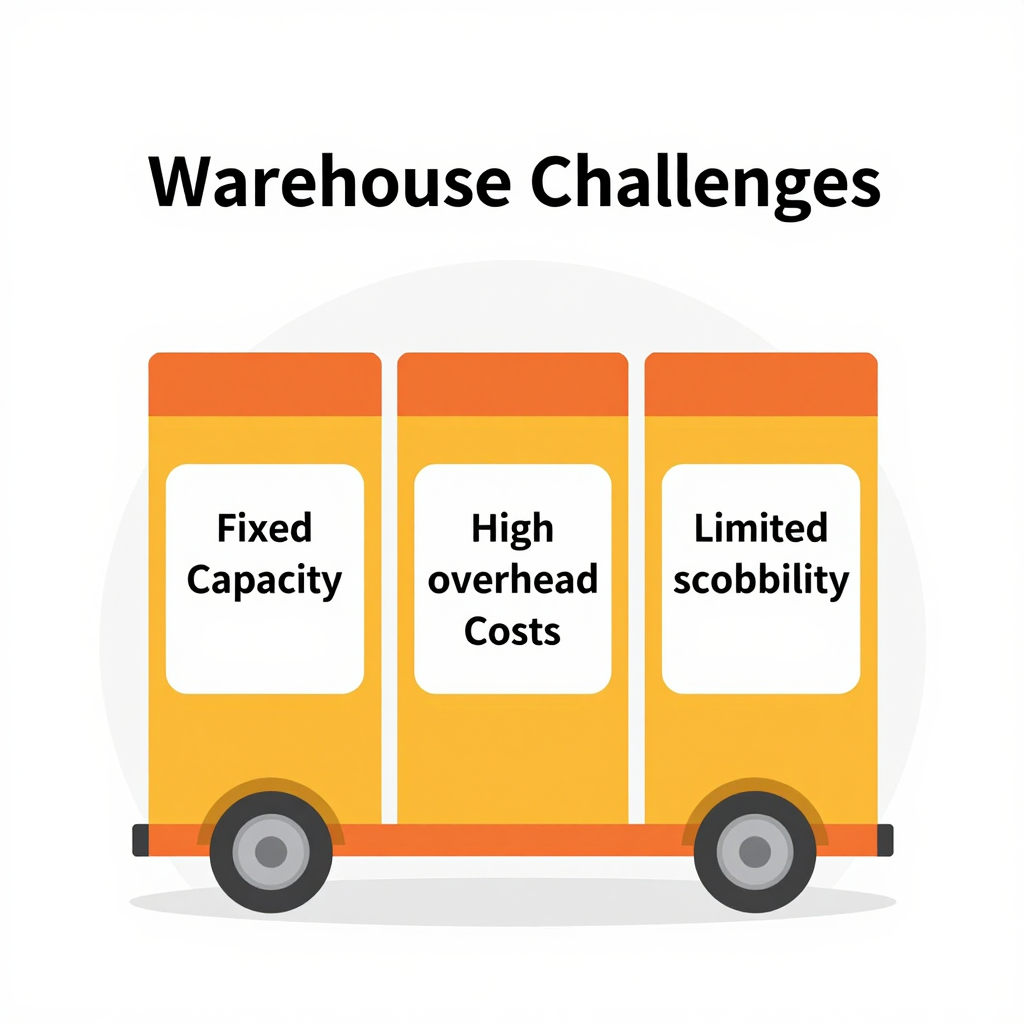
- Fixed Capacity Leases: Long-term contracts mean you pay for the same amount of space year-round, even if you only need part of it during off-peak months.
- High Overhead Costs: Excess inventory space leads to paying for unused square footage, utilities, and staff during slow periods.
- Limited Scalability: When demand spikes, expanding warehouse space quickly is nearly impossible, risking stockouts or late deliveries.
- Operational Inflexibility: Rigid processes may not accommodate rapid changes in inventory flow or product seasonal variations.
These limitations create operational inefficiencies and increased financial pressure for seasonal businesses trying to optimize supply chain costs.
Benefits of Flexible Warehousing Solutions
Switching to flexible warehousing offers numerous advantages:
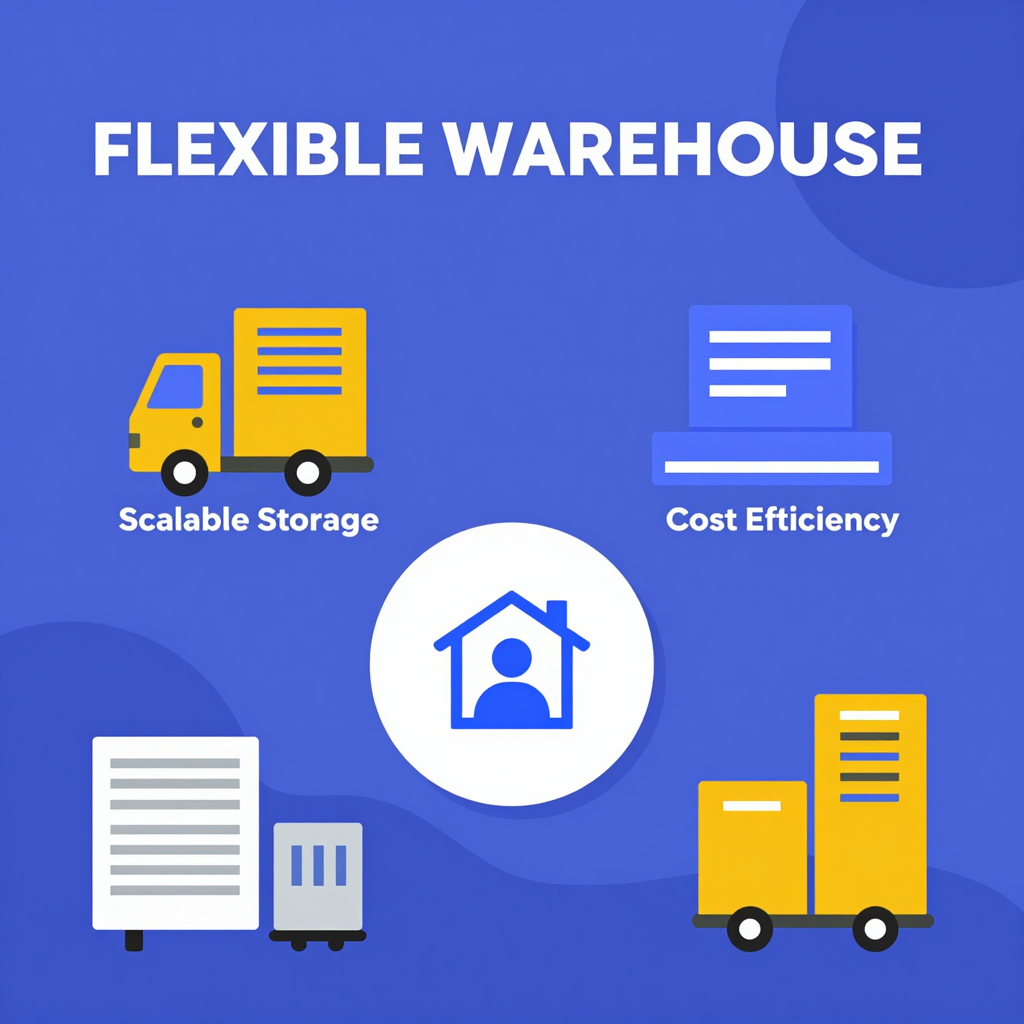
- Scalable Storage: Easily increase or decrease your warehouse space depending on demand, paying only for what you use.
- Cost Efficiency: Pay-as-you-go pricing models reduce unnecessary expenses during slow seasons.
- Enhanced Agility: Quickly respond to unexpected order spikes or supply chain disruptions without costly delays.
- Technological Integration: Real-time inventory tracking, automated order fulfillment, and seamless system integrations improve accuracy and visibility.
- Reduced Risk: Avoid long-term lease commitments, making business planning more adaptable to market changes.
Flexible warehousing empowers seasonal businesses to maintain consistent service levels and improve cash flow throughout fluctuating sales cycles.
Examples of Flexible Storage Options
Several modern storage solutions cater specifically to seasonal needs:
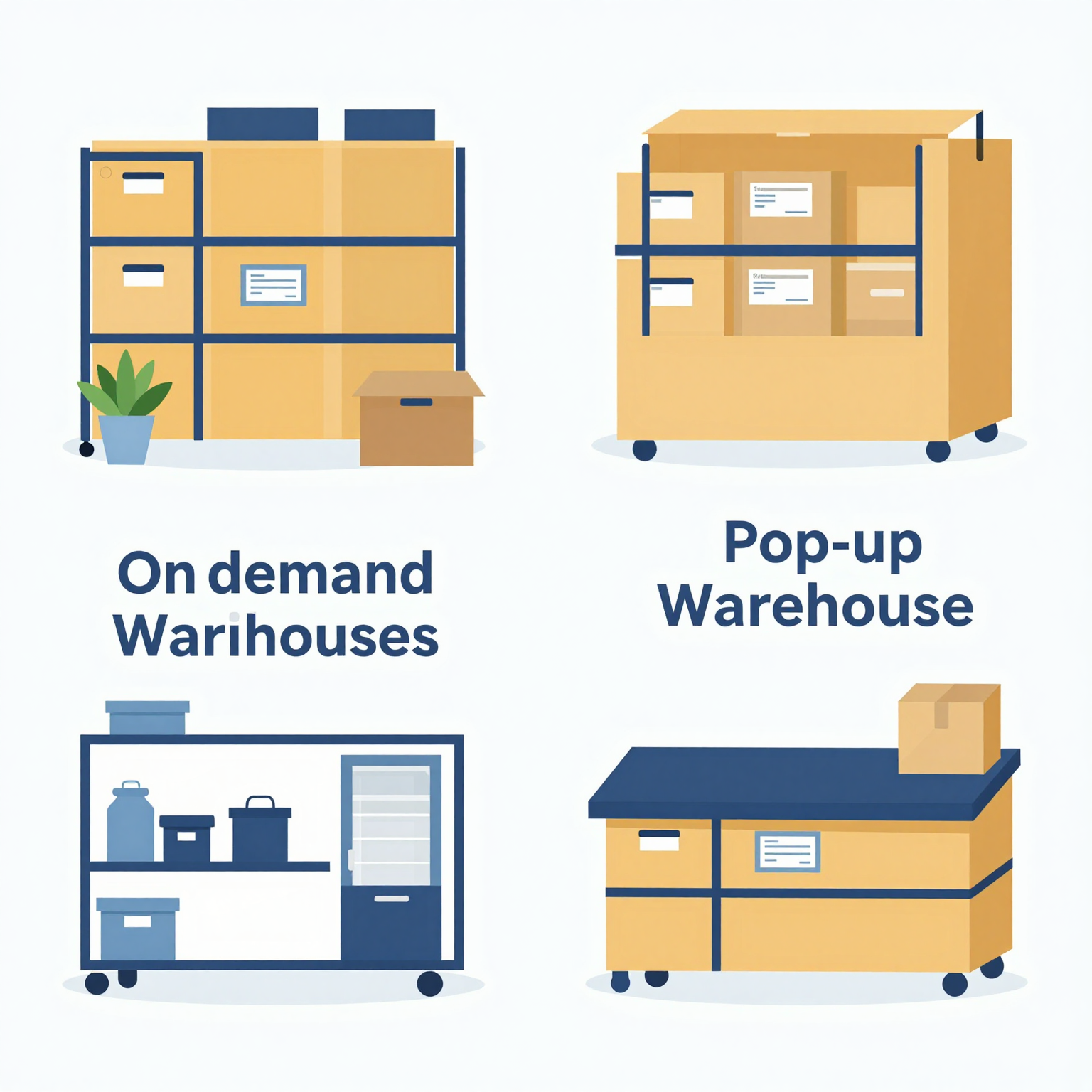
- On-Demand Warehouses: Platforms like Flexe and Stowga allow businesses to rent warehouse space by the pallet or container, with no long-term contracts.
- Shared Warehousing: Companies share warehouse facilities and workforce, reducing costs and improving utilization.
- Pop-Up Warehousing: Temporary storage units placed strategically closer to key markets to reduce delivery times during peak seasons.
- 3PL Providers: Third-party logistics partners offer comprehensive warehousing and fulfillment solutions tailored to seasonal demand patterns, including picking, packing, and shipping.
Each of these options enables a business to adjust their warehousing footprint dynamically and cost-effectively, minimizing idle space.
How to Choose the Right Flexible Warehouse Solution
Selecting an ideal flexible warehousing partner involves careful consideration:
- Analyze Seasonal Demand: Understand your peak months, sales volume, and inventory turnover rates.
- Evaluate Scalability: Ensure the provider offers easy options to scale storage space up or down quickly.
- Location and Proximity: Choose locations near your key customers or transport hubs to reduce transit time and costs.
- Technology Integration: Look for real-time inventory management systems, order tracking, and compatibility with your ERP or ecommerce platforms.
- Transparent Pricing: Verify clear, upfront pricing models to avoid hidden fees.
- Customer Support: Prioritize providers known for responsive, knowledgeable support to navigate seasonal challenges.
- Additional Services: Check if value-added services like pick-and-pack, reverse logistics, or quality checks are available.
Following these steps helps you find a flexible warehousing solution aligned perfectly with your operational needs and budget.
Future Trends in Flexible Warehousing for Seasonal Businesses
The warehousing industry is evolving rapidly, with several trends set to shape flexible storage:
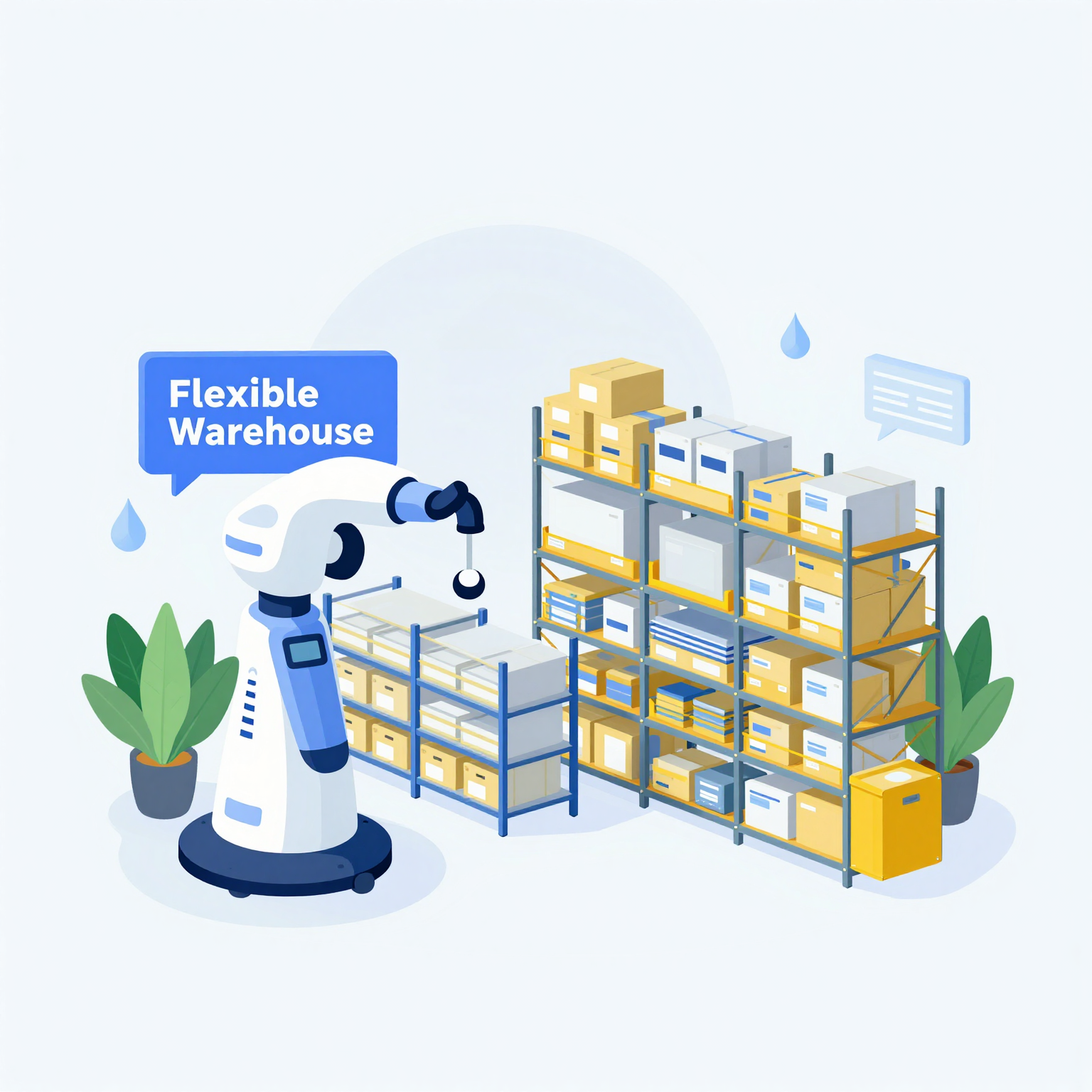
- Automation and Robotics: Use of automated storage and retrieval systems (AS/RS) to handle seasonal surges efficiently.
- AI-Driven Demand Forecasting: Leveraging data analytics to better predict inventory needs and optimize warehouse space allocation.
- Sustainability: Eco-friendly warehousing solutions reducing carbon footprint, increasingly important to consumers.
- Integrated Omnichannel Fulfillment: Warehouses equipped to support multi-channel orders, from online sales to brick-and-mortar stores.
- Blockchain for Transparency: Enhanced tracking and security in inventory movements to minimize losses.
Adopting such innovations will further enhance the flexibility and efficiency of warehousing operations for seasonal businesses.
Conclusion
Seasonal businesses encounter fluctuating demand cycles that traditional warehousing struggles to accommodate efficiently. Flexible warehousing solutions offer a scalable, cost-effective answer by aligning storage space and services with real-time business needs. This flexibility enables seasonal operations to reduce overhead, improve agility, and maintain excellent customer service during both peak and off-peak periods.
As global supply chains grow more complex and customer expectations rise, adopting flexible warehousing is no longer optional but essential for staying competitive. Whether you operate in retail, agriculture, or manufacturing, now is the time to explore adaptable warehousing solutions that support your unique seasonal demands.
Contact us today! Unlock the power of flexible warehousing and prepare your business for every season.
FAQ
Q1: What is flexible warehousing?
Flexible warehousing allows businesses to rent storage space on a variable basis, scaling up or down depending on current needs, unlike fixed long-term leases.
Q2: How does flexible warehousing benefit seasonal businesses?
It helps reduce unnecessary storage costs during low seasons while meeting high demand during peak times without operational disruptions.
Q3: Can flexible warehousing be combined with fulfillment services?
Yes, many flexible warehouse providers or 3PLs offer integrated fulfillment, including picking, packing, and shipping.
Q4: Is flexible warehousing suitable for all industry types?
While ideal for businesses with fluctuating inventory needs, even steady-demand industries benefit from the agility and cost savings of flexible warehousing.
Q5: How do I find a reliable flexible warehouse provider?
Look for transparent pricing, technology integration, scalable contracts, and customer service reviews to ensure a good match.
Recent Blog

Top Logistics Trends Every D2C Brand Must Know in 2026
Top Logistics Trends Every D2C Brand Should Know in 2026:…
How Generative AI Cuts Logistics Costs with Smart Automation
How Generative AI Is Reducing Logistics Costs: Unlocking Smart Automation…

Dark Stores vs Warehouses: Who Wins in 2026 Quick Commerce?
Dark Stores vs Warehouses: Which Model Wins in 2026? Estimated…
