 :
:  :
: 
D2C Logistics Scaling Guide for Startup Growth
What Every D2C Brand Should Know About Logistics Scaling: A Startup Growth Guide
Estimated reading time: 10 minutes
Key Takeaways
- Prioritize scalable logistics to enhance customer satisfaction and brand reputation.
- Evaluate and optimize your current logistics setup before scaling.
- Invest in technology and automation to improve efficiency and reduce costs.
- Diversify fulfillment channels to mitigate risks associated with relying on a single location.
- Monitor KPIs continuously for ongoing improvements and adaptability.
Table of Contents
- Introduction
- Understanding the Importance of Scalable Logistics in D2C Growth
- Evaluating Your Current Logistics Setup
- Investing in Technology and Automation
- Diversifying Fulfillment Channels
- Optimizing Packaging and Returns Process
- Building Strong Partnerships
- Monitoring KPIs and Continuous Improvement
- Preparing for Seasonality and Peak Demand
- Conclusion
- FAQ
Introduction
Direct-to-Consumer (D2C) brands continue rapid growth globally, disrupting traditional retail paradigms with personalized products and unparalleled customer experiences. But behind every successful D2C brand lies a critical backbone: logistics scaling. As these brands expand, handling inventory, order fulfillment, shipping, and returns becomes increasingly complex. Unfortunately, many startups trip over this very challenge, which can diminish customer satisfaction and inflate operational costs.
So, what exactly should every D2C brand know about logistics scaling to sustain rapid growth and retain a loyal customer base? This comprehensive guide targets direct-to-consumer brands aiming to scale smoothly and efficiently. We’ll explore why scalable logistics matter, how to evaluate your current operations, leverage automation, optimize packaging, and much more. Whether you’re a startup in India or globally expanding, understanding logistics scalability is key to thriving in today’s competitive market.
By the end of this article, you’ll have actionable insights and strategies to confidently prepare your logistics for the next phase of growth.
Understanding the Importance of Scalable Logistics in D2C Growth
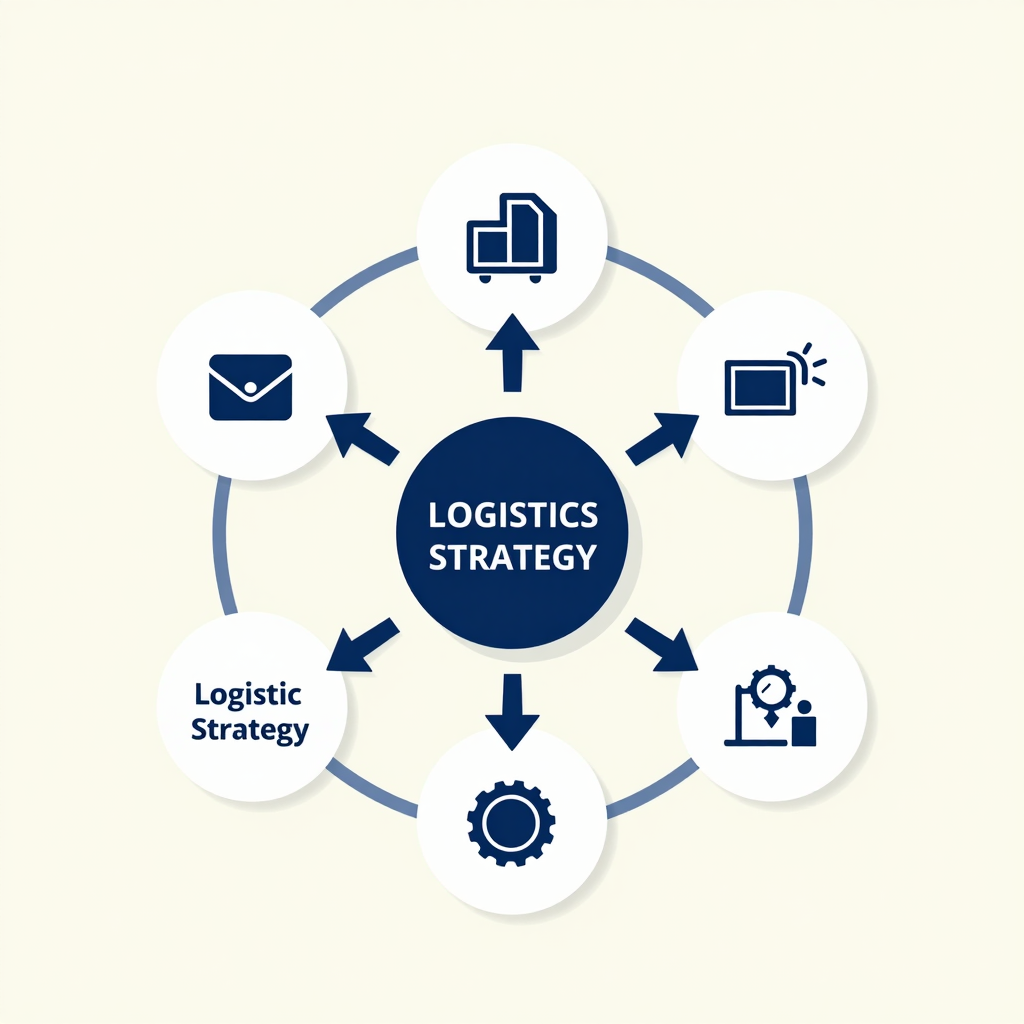
Scaling logistics is much more than increasing warehouse size or adding more delivery vans. It directly impacts customer experience, brand reputation, and profitability. Consider these facts:
- Customers expect fast, reliable deliveries — a delay or damaged package can lead to lost trust.
- Inefficient logistics increase shipping costs, eat into margins, and complicate inventory management.
- As order volumes surge, manual processes become error-prone and unsustainable.
D2C brands that prioritize scalable logistics ensure they can meet demand spikes while controlling costs and maintaining quality. This foundation is pivotal for long-term growth and competitive advantage.
Evaluating Your Current Logistics Setup
Before scaling, assess where you stand:
- Fulfillment Capacity: Can your warehouse handle a 2x or 3x increase in orders? Is space optimized for quick picking and packing?
- Technology Use: Are you relying on spreadsheets, or have you integrated an Inventory Management System (IMS)?
- Delivery Partners: Do your current couriers offer flexible, scalable solutions? How reliable are they across different regions?
- Bottlenecks: Identify slowdowns in your order processing, from warehouse operations to last-mile delivery.
- Returns Handling: How streamlined is your returns process? Does it delight or frustrate customers?
Careful evaluation highlights gaps that could cripple your scaling efforts.
Investing in Technology and Automation
Technology is a game-changer for logistics efficiency:
- Inventory Management Systems (IMS): Real-time stock tracking prevents overselling and stockouts.
- Warehouse Management Systems (WMS): Optimize picking routes, manage space, and reduce errors.
- Automated Order Processing: Reduces manual data entry errors and accelerates fulfillment cycles.
- 3PL Partnerships: Integrate with third-party logistics providers who bring scalable infrastructure and expertise.
For example, several Indian D2C brands like boAt and Mamaearth leverage technology for smooth, fast deliveries nationwide. Automation not only reduces costs but also enhances customer satisfaction.
Diversifying Fulfillment Channels
Relying on a single fulfillment location risks delays and high shipping costs. Consider these approaches:
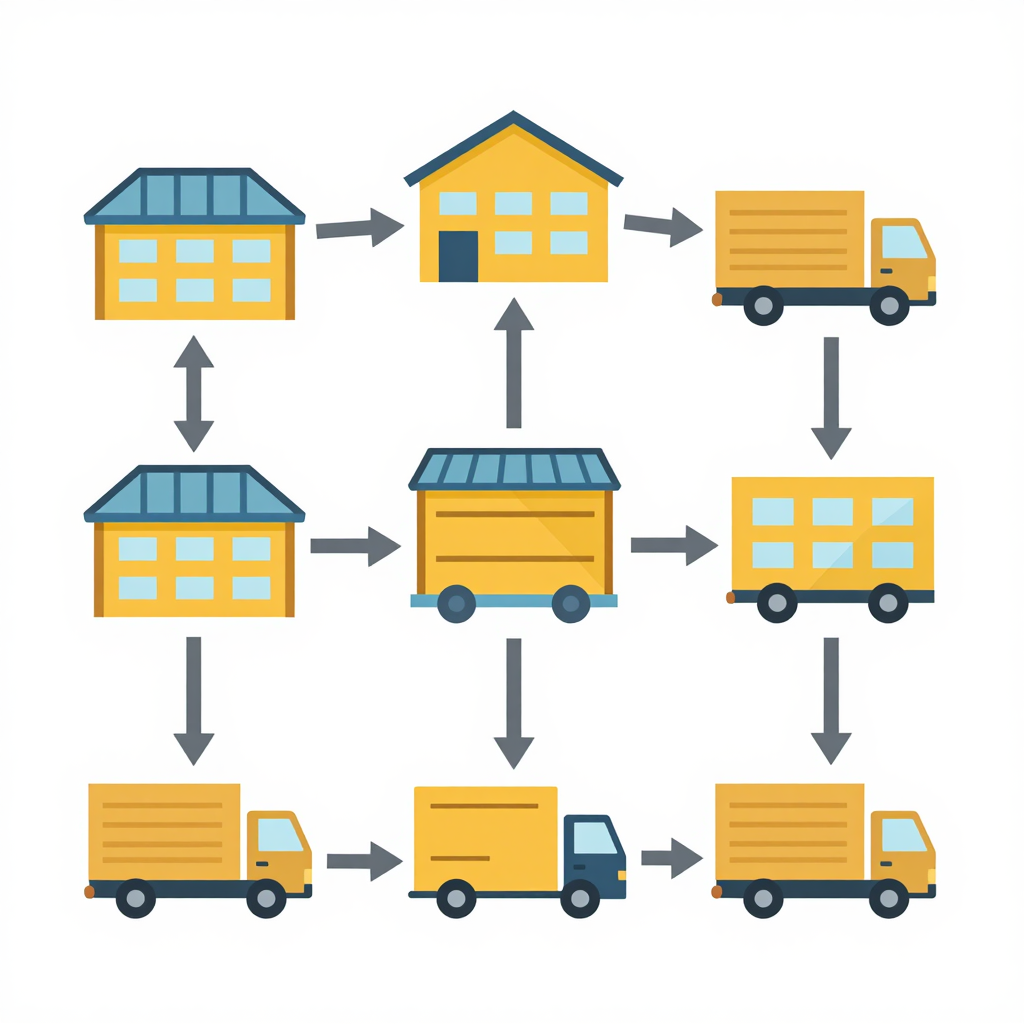
- Multiple Warehouses: Strategically located centers near key markets can cut delivery times and shipping expenses.
- Distributed Inventory: Allocating stock across regions prevents bottlenecks during demand surges.
- Drop-shipping or Direct Factory Shipments: For specific SKUs, shipping directly from manufacturers or suppliers reduces handling layers.
This flexibility is crucial for meeting customer expectations of speedy delivery without inflating logistics budgets.
Optimizing Packaging and Returns Process
Packaging is often an overlooked element in scaling logistics:
- Use standardized, protective, and sustainable packaging to minimize product damage and appeal to eco-conscious consumers.
- Efficient packaging reduces dimensional weight costs charged by carriers.
- Simplify returns with pre-printed labels, clear instructions, and quick refunds/exchanges.
An optimized returns process builds trust, encouraging repeat purchases while controlling reverse logistics costs.
Building Strong Partnerships
Collaboration is key for logistical success:
- Partner with reliable shipping carriers and 3PLs who offer scalable solutions.
- Negotiate terms that allow flexibility during peak seasons.
- Align with partners that value your brand promise—whether it’s speed, quality, or customer service.
For instance, partnering with regional players in markets like India can help navigate local delivery challenges and enhance customer satisfaction.
Monitoring KPIs and Continuous Improvement
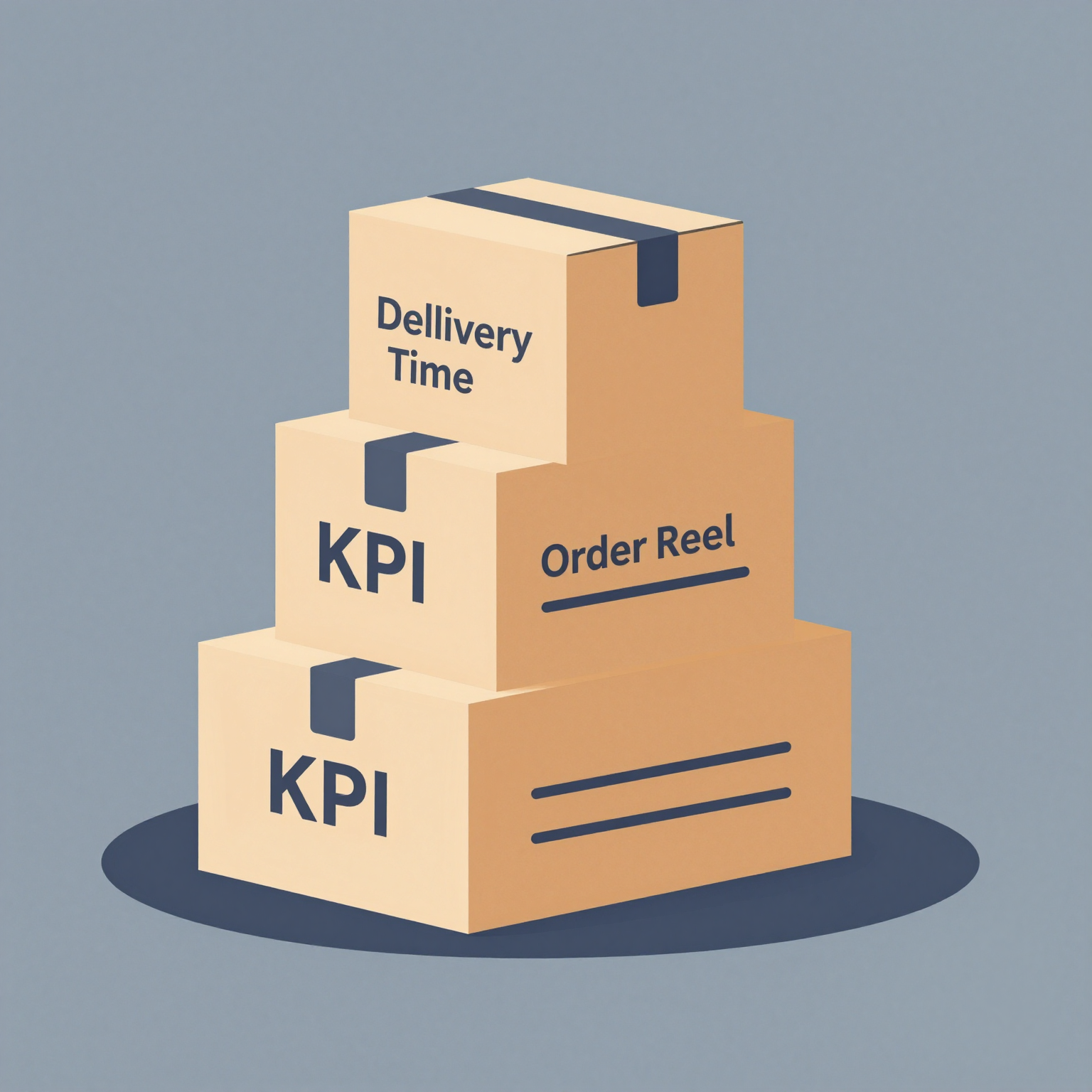
Data-driven logistics scaling leads to sustained success. Monitor essential KPIs like:
- Delivery time (order placed to customer receipt)
- Order accuracy rate
- Shipping cost per order
- Return rate
Use these metrics to identify inefficiencies and refine processes continuously. For example, if your delivery times spike during holidays, consider bolstering warehouse staffing or temporary fulfillment centers.
Preparing for Seasonality and Peak Demand
Rapidly growing D2C brands often face extreme demand fluctuations due to:
- Seasonal festivals or holidays
- Flash sales and promotional events
- Unpredictable spikes (e.g., pandemics or supply chain disruptions)
To prepare:
- Forecast demand using historical data and market trends.
- Build buffer inventory and increase staffing ahead of peak seasons.
- Have contingency plans, including alternative delivery partners or expedited shipping options.
Proactive planning ensures your logistics network resists pressure without faltering.
Conclusion
What every D2C brand should know about logistics scaling boils down to preparedness and adaptability. Scalable logistics is not an afterthought but a strategic pillar that underpins customer satisfaction, cost control, and growth velocity. By evaluating your existing framework, investing in automation and technology, diversifying fulfillment, optimizing packaging, forging strong partnerships, and monitoring key metrics, your brand can excel through rapid expansion phases.
D2C brands across the globe—whether startups in India, the US, or Europe—share one truth: the customer experience hinges on flawlessly executed logistics. Build that foundation today to win loyalty tomorrow.
Ready to scale your logistics seamlessly? Contact us today! to craft a tailored logistics growth plan that fits your brand’s unique needs.
FAQ
When should a D2C brand start scaling logistics?
Start evaluating and scaling your logistics as soon as you notice consistent growth in order volume, typically from a few thousand orders per month upward. Early scalability prevents future breakdowns.
What technologies are essential for scaling logistics?
Key tech includes Inventory Management Systems (IMS), Warehouse Management Systems (WMS), automated order processing, and order tracking solutions integrated with your sales platform.
How can D2C brands manage returns effectively?
Implement easy-to-navigate return policies, use standardized return labels, automate refunds/exchanges where possible, and partner with reverse logistics providers to streamline operations.
Can 3PLs handle sudden spikes in orders?
Many experienced 3PLs have scalable infrastructures and contingency plans for peak demand, making them invaluable partners during flash sales and seasonal surges.
Is multiple warehouse strategy expensive?
Initial investments are higher, but reduced shipping costs, faster deliveries, and better customer satisfaction often offset the expenses quickly.
Recent Blog
Top Logistics Trends Every D2C Brand Must Know in 2026
Top Logistics Trends Every D2C Brand Should Know in 2026:…
How Generative AI Cuts Logistics Costs with Smart Automation
How Generative AI Is Reducing Logistics Costs: Unlocking Smart Automation…
Dark Stores vs Warehouses: Who Wins in 2026 Quick Commerce?
Dark Stores vs Warehouses: Which Model Wins in 2026? Estimated…
