 :
:  :
: 
How Warehousing Reduces Shipping Costs and Boosts Efficiency
How Warehousing Helps Reduce Shipping Costs: Strategic Storage Lowers Transportation Expenses

Estimated reading time: 8 minutes
Key Takeaways
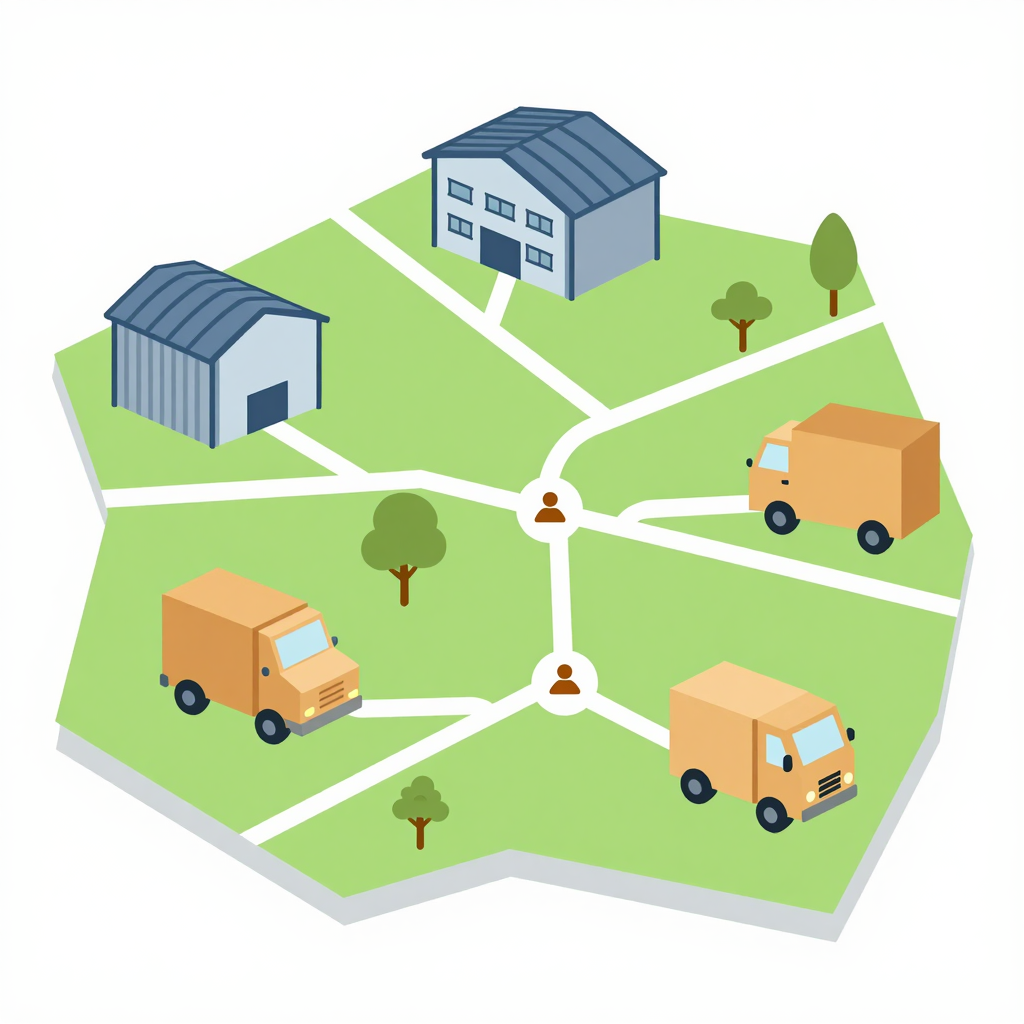
- Strategic warehousing locations minimize shipping distances and costs.
- Shipment consolidation leads to economies of scale, reducing overall freight charges.
- Efficient inventory management prevents costly stockouts and rush deliveries.
- Proximity to customers improves delivery speed, enhancing customer satisfaction.
- Future trends like automation and micro-fulfillment centers will shape warehousing processes.
Table of Contents
Introduction
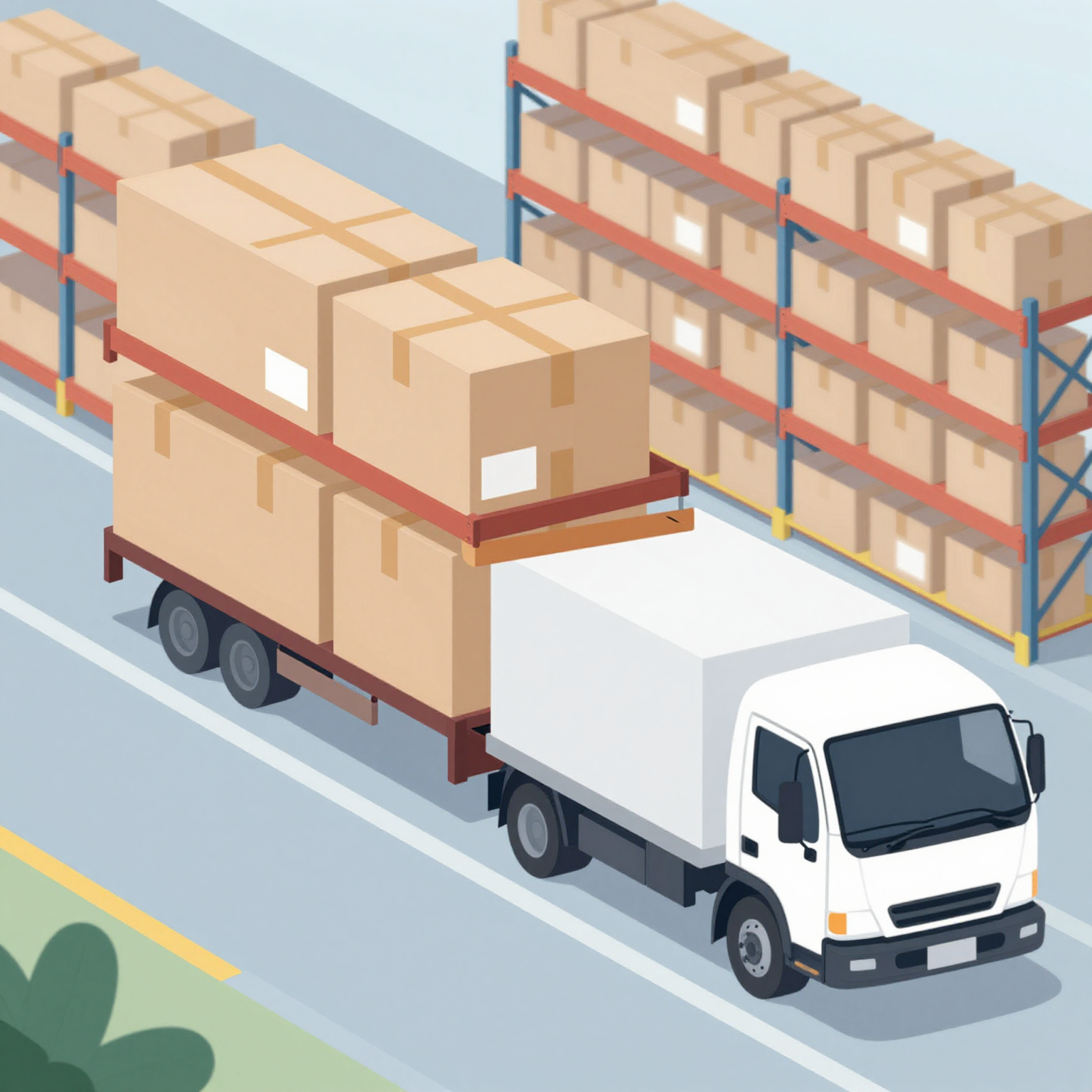
Shipping costs are among the most significant expenses for businesses, impacting profitability and customer satisfaction alike. **How warehousing helps reduce shipping costs** is a crucial question every supply chain manager and business owner asks. By leveraging strategic storage, companies can optimize their distribution networks, lower transportation expenses, and enhance operational efficiency. In this article, we will explore practical ways warehousing contributes to **cost optimization** and **demonstrates operational benefits**, making it an indispensable component of modern logistics.
Globally, as e-commerce and consumer expectations for fast delivery grow, businesses are pressured to find smarter ways to manage shipping costs without compromising service quality. Warehousing, when strategically implemented, acts as a game-changer—especially for markets like India, where logistics complexities are high, and rapid urbanization demands localized inventory hubs. By understanding and adapting these strategies, companies can unlock substantial savings and streamline their supply chains effectively.
Understanding the Problem: Why Shipping Costs Are Rising

Rising fuel prices, labor shortages, and growing demand for fast delivery have pushed shipping costs to record levels worldwide. According to industry reports, last-mile delivery alone can account for up to 53% of the total shipping cost—a staggering figure that puts enormous pressure on companies to optimize their logistics. Additionally:
- Inefficient routing and frequent small shipments add unnecessary expenses.
- Stockouts and emergency orders cause rush freight charges that disrupt budgets.
- Fragmented networks increase carbon footprints and affect environmental sustainability.
These challenges underscore the need for **strategic warehousing**, which addresses these pain points by facilitating better shipment consolidation, inventory control, and proximity to buyers.
How Warehousing Helps Reduce Shipping Costs: Key Insights
Warehousing supports transportation and shipping cost reduction in several impactful ways. Here’s how:
| Factor | Explanation | Impact on Shipping Cost |
|---|---|---|
| Proximity to Customers | Warehouses located near demand centers reduce travel distance. | Lower fuel costs, faster deliveries |
| Consolidation of Shipments | Combining multiple small shipments into one large consignment. | Economies of scale, reduced per-unit freight |
| Inventory Management | Prevents stockouts and emergency shipments. | Avoids expensive rush deliveries |
| Reduced Last-Mile Expenses | Warehouses close to end customers reduce last-mile charges. | Minimizes costly final delivery leg |
| Flexible Carrier Choice | Enables selection of cost-effective shipping options. | Optimized transportation spend |
By leveraging these benefits, companies can strategically store goods and reduce reliance on expensive express shipping or multiple small freight runs.
Real Examples: Case Studies Across Sectors
- E-commerce Giant in India: A leading online retailer established regional warehouses across metropolitan areas to cut down on last-mile delivery costs. By doing so, they reduced shipping expenses by 30% while improving delivery speeds and customer satisfaction.
- Automotive Manufacturer: By consolidating shipments at a central warehouse near major assembly plants, the manufacturer avoided multiple small shipments, saving millions annually in freight charges.
- Healthcare Distributor: Strategic warehousing aided a healthcare supplier in maintaining critical inventory near hospitals, ensuring timely delivery and avoiding costly emergency logistic services during peak demand.
- Food and Beverage Supplier: Implementing temperature-controlled warehouses close to urban centers helped the company reduce spoilage, cut transportation time, and lower refrigeration fuel consumption.
- Fashion Retailer: Regional warehouses enabled seasonal inventory buffering, reducing fast shipping need and enabling carrier flexibility, leading to a 20% reduction in shipping costs during peak sales periods.
Step-by-Step Guide: Implementing Strategic Warehousing for Cost Reduction
- Analyze Customer Locations: Map out where your key customers are and identify strategic warehouse locations nearby.
- Evaluate Shipment Volumes: Track order sizes and frequencies to determine consolidation opportunities.
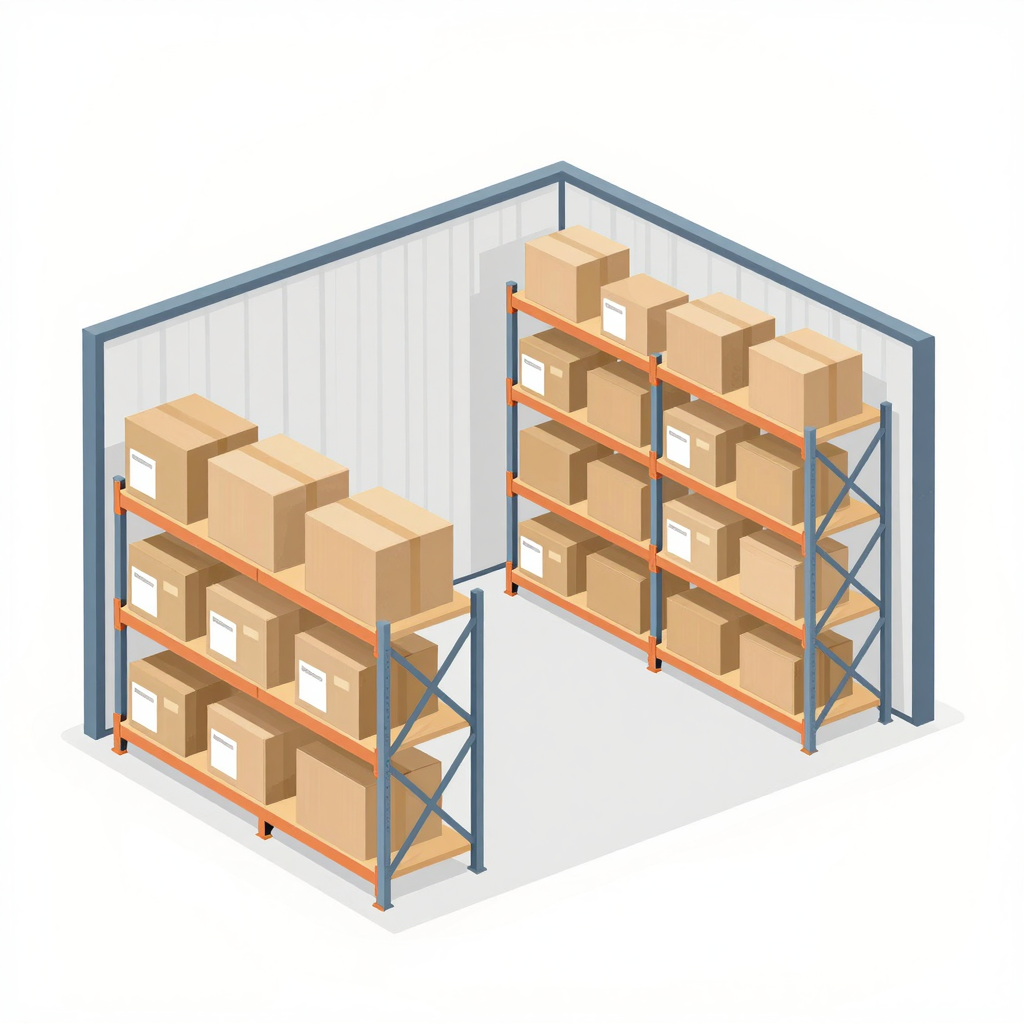
- Choose Warehouse Types: Decide between owned, leased, or third-party warehouses based on your business needs.
- Optimize Inventory Management: Implement real-time inventory systems to avoid stockouts and minimize emergency shipments.
- Implement Efficient Routing: Use transportation management systems (TMS) to plan consolidated and optimized shipping routes.
- Negotiate Carrier Contracts: With warehouses in place, you gain leverage to select carriers and shipping methods based on cost-effectiveness.
- Monitor KPIs Continuously: Track freight cost per unit, delivery time, and inventory turnover for ongoing improvements.
- Scale as Needed: Adjust warehouse locations and sizes as market demands and customer bases evolve.
Benefits of Strategic Warehousing and Tips for Success
- Lower Freight Rates: Bulk shipments via warehouses reduce shipping cost per unit significantly.
- Enhanced Delivery Speeds: Being closer to customers allows quicker turnaround and better satisfaction.
- Reduced Rush Shipping: Maintaining adequate stock in warehouses prevents costly last-minute orders.
- Better Carrier Negotiation: Storage flexibility helps businesses choose the most economical carriers.
- Increased Supply Chain Resilience: Warehousing acts as a buffer during demand fluctuations or disruptions.
Tips:
- Regularly review warehouse performance and location suitability.
- Invest in automation and technology for inventory accuracy.
- Foster strong communication between warehousing and transportation teams.
- Consider sustainability when selecting warehouse sites to align with green logistics goals.
Future Trends in Warehousing and Shipping Cost Reduction
With advancing technology and shifting market demands, warehousing will continue transforming:
- Automation & Robotics: Automated warehousing reduces operational costs, shortening shipping lead-times.
- Micro-Fulfillment Centers: Smaller storage hubs within cities will proliferate to meet fast delivery requirements.
- Data-Driven Logistics: AI and big data analytics will optimize inventory and shipment planning further.
- Sustainability Focus: Green warehousing and eco-friendly packaging will reduce both costs and carbon footprint.
- Integrated Omni-channel Networks: Warehouses will increasingly support multi-channel fulfillment for seamless customer experience.
By preparing for these trends, businesses can stay ahead in cost optimization and operational efficiency.
Conclusion
**How warehousing helps reduce shipping costs** is clear: strategic storage locations, shipment consolidation, and optimized inventory management all contribute to significantly lower transportation expenses. These improvements boost operational efficiency and customer satisfaction while enhancing supply chain resilience. As global markets grow more competitive, smart warehousing solutions become essential to maintain profitability and service excellence.
Interested in reducing your shipping costs through strategic warehousing? **Contact us today!** Our logistics experts can help design tailored solutions to fit your business needs.
FAQ
Q1: How does warehousing reduce last-mile delivery costs?
A1: By placing goods closer to the end consumer, warehouses shorten delivery distances and time, which lowers the most expensive part of shipping.
Q2: Can small businesses benefit from warehousing?
A2: Absolutely. Even small businesses can partner with third-party warehouses to enjoy cost savings and faster deliveries without heavy investments.
Q3: What technology supports efficient warehousing?
A3: Inventory management software, warehouse management systems (WMS), and transportation management systems (TMS) play crucial roles in optimizing warehousing operations.
Q4: How does consolidation in warehousing reduce shipping costs?
A4: Consolidation combines multiple smaller shipments into a single large shipment, which reduces the cost per unit transported due to economies of scale.
Recent Blog

Top Logistics Trends Every D2C Brand Must Know in 2026
Top Logistics Trends Every D2C Brand Should Know in 2026:…
How Generative AI Cuts Logistics Costs with Smart Automation
How Generative AI Is Reducing Logistics Costs: Unlocking Smart Automation…

Dark Stores vs Warehouses: Who Wins in 2026 Quick Commerce?
Dark Stores vs Warehouses: Which Model Wins in 2026? Estimated…
