 :
:  :
: 
Beyond Roads & Rails: New Logistics Infrastructure in 2026 Budget
Sure! Below is the conversion of your provided markdown into WordPress HTML:
Beyond Roads and Rails: New Logistics Infrastructure in 2026 Budget
The logistics sector is witnessing unprecedented transformation. As global trade volumes soar and customer expectations evolve, the 2026 budget has taken a bold step beyond traditional infrastructure investments in roads and railways. This new fiscal plan prioritizes innovative, technology-driven, and sustainable logistics initiatives to create a resilient and future-ready supply chain ecosystem.
In this article, we’ll explore the key highlights of the 2026 logistics infrastructure budget, detailing how this comprehensive approach is set to redefine the landscape by prioritizing automation, digital platforms, green transport, multi-modal connectivity, and rural access.
The Shift from Conventional to Contemporary Logistics Infrastructure

Historically, governments and private investors have funneled resources predominantly into expanding highways and rail networks. While these remain crucial, rapid technological advancements and economic shifts require a more diverse infrastructure strategy. The 2026 budget addresses this by allocating significant funds to:
- Digital innovation and integration,
- Green and sustainable solutions,
- Data security,
- Enhanced last-mile and multimodal connectivity.
This reflects a broader understanding that logistics is no longer just about moving goods from point A to point B but involves interconnected systems optimized for speed, efficiency, transparency, and sustainability.
Advanced Warehousing and Distribution Centers
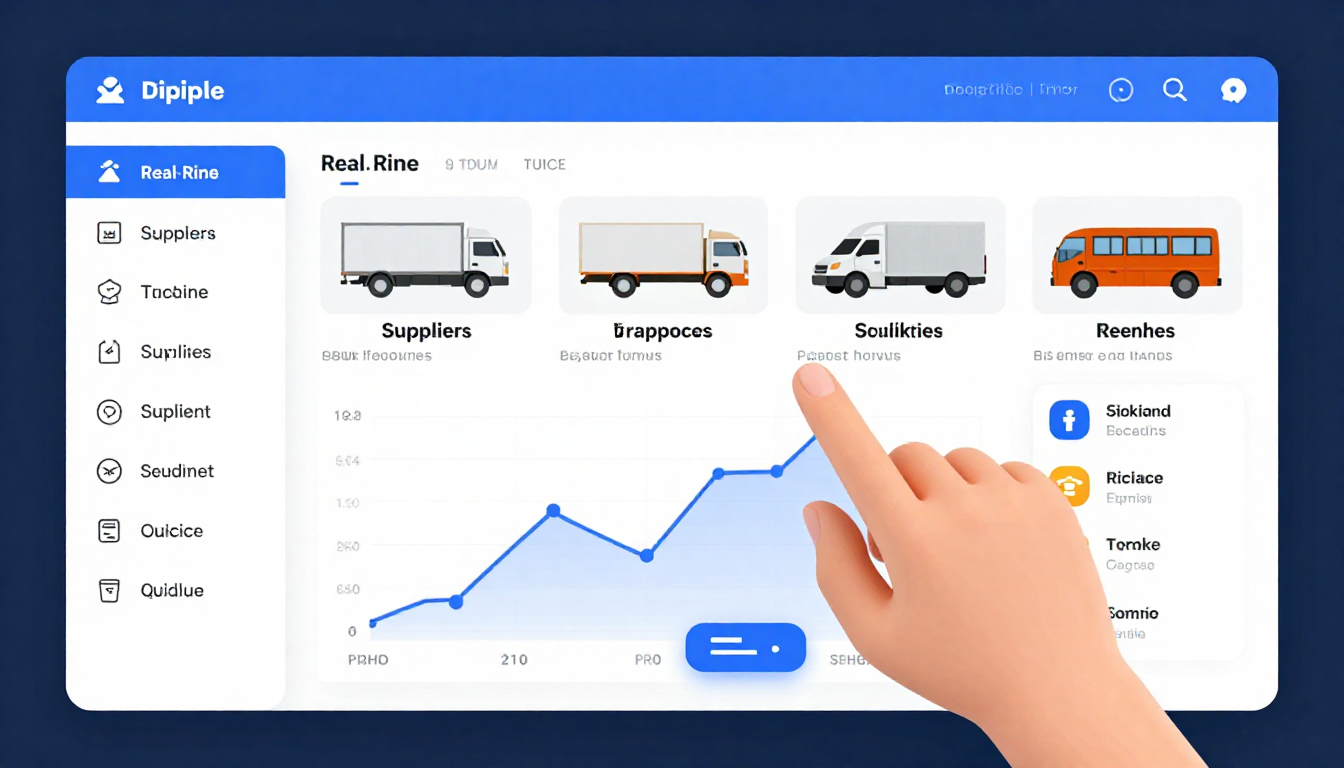
One of the central pillars of the 2026 budget is investment in smart warehousing. These warehouses utilize cutting-edge automation technologies such as robotics, AI-powered inventory management, and IoT sensors.
Benefits of Smart Warehousing
- Improved Efficiency: Automated sorting, picking, and packing accelerate order fulfillment.
- Reduced Errors: AI-based predictive tools minimize inventory discrepancies.
- Real-Time Data: Sensors provide live updates on stock levels and equipment status.
- Cost Optimization: Labor and operational costs decrease markedly over time.
The budget supports setting up nation-wide networks of these warehouses enabling quicker turnaround and less dependency on manual labor.
Embracing Digital Logistics Platforms
Coordination across multiple stakeholders is often a challenge in logistics. To tackle this, funds are earmarked for building integrated digital logistics platforms that offer:
- Real-time shipment tracking,
- Demand forecasting based on AI and machine learning,
- Seamless communication between suppliers, transporters, and retailers.
These platforms help in proactive decision-making, minimizing delays, and optimizing routes and storage.
Why Digital Platforms Matter
- Transparency: Consumers and businesses gain visibility into shipment statuses.
- Predictability: Accurate forecasting smoothens the supply chain.
- Scalability: Easier onboarding of new logistics partners and modes.
For further insights on digital transformation in logistics, refer to the World Economic Forum’s Logistics Report.
Driving Green and Sustainable Transport Solutions
Environmental concerns and regulatory pressures are pushing logistics towards sustainability. The 2026 budget clearly prioritizes green transport options, including:
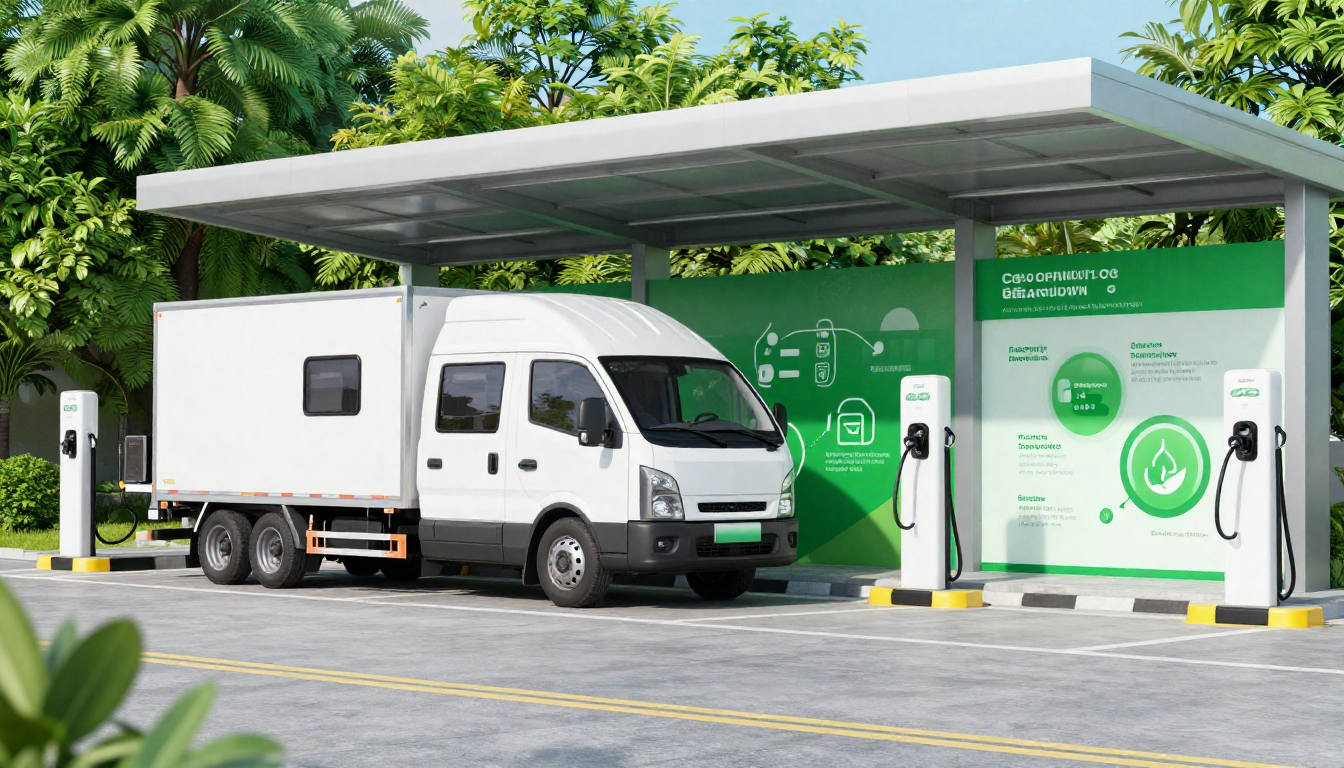
- Investment in electric and hydrogen-powered cargo trucks and vans,
- Infrastructure development for fast-charging stations and hydrogen refueling hubs,
- Incentives for companies adopting zero-emission fleets.
Environmental & Economic Advantages
- Reduced Carbon Footprint: Fighting climate change by lowering greenhouse gas emissions.
- Operational Savings: Electric vehicles offer lower fuel and maintenance costs.
- Regulatory Compliance: Prepares businesses for stricter future environmental norms.
Enhancing Multi-modal Connectivity
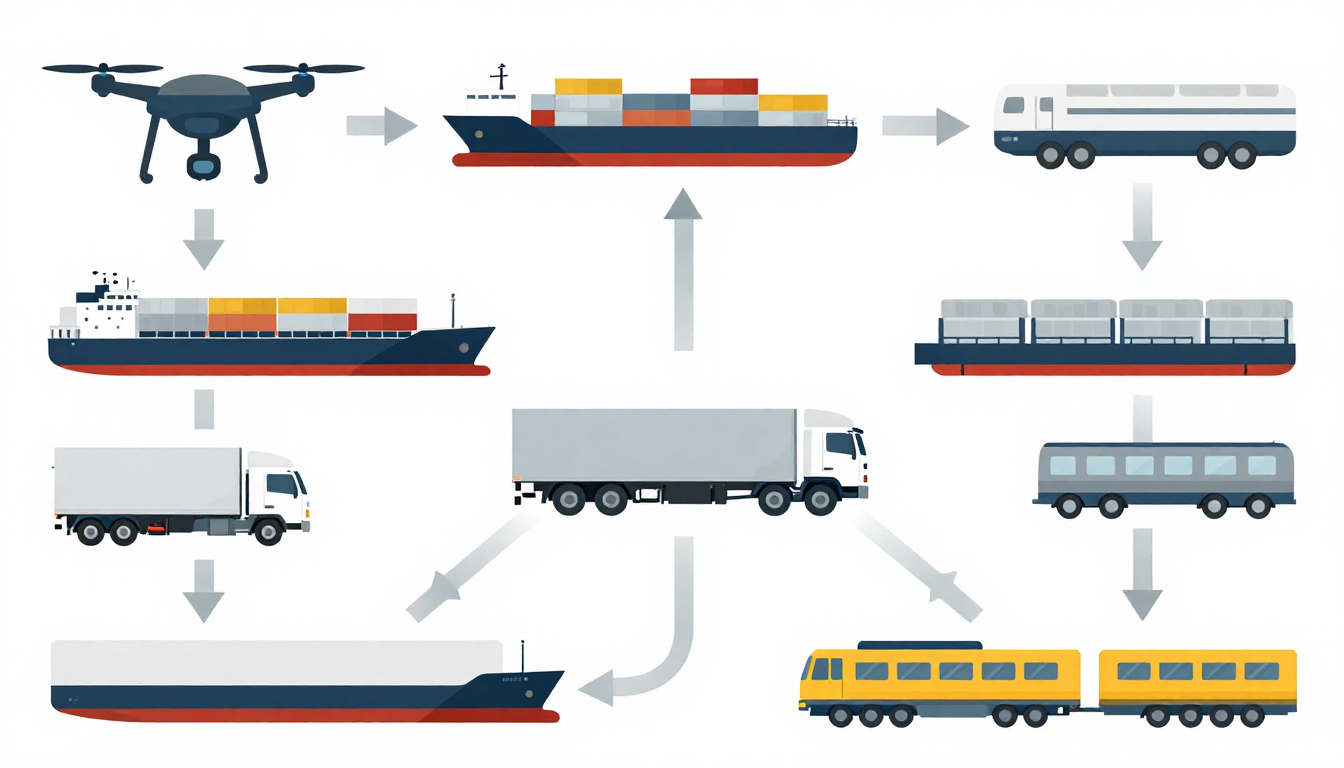
A standout feature of the 2026 budget is the focus on multi-modal logistics—integrating waterways, drones, and air freight alongside traditional rail and road networks. This initiative aims to:
- Unlock the potential of underutilized waterways to move bulk goods efficiently,
- Deploy drone technology for rapid last-mile parcel deliveries, especially in urban congestion zones,
- Expand regional air cargo facilities to expedite high-value or urgent shipments.
The integration of diverse transport methods allows shippers flexible, cost-effective, and faster delivery options that can adapt to different logistical challenges.
Improving Rural and Last-Mile Accessibility
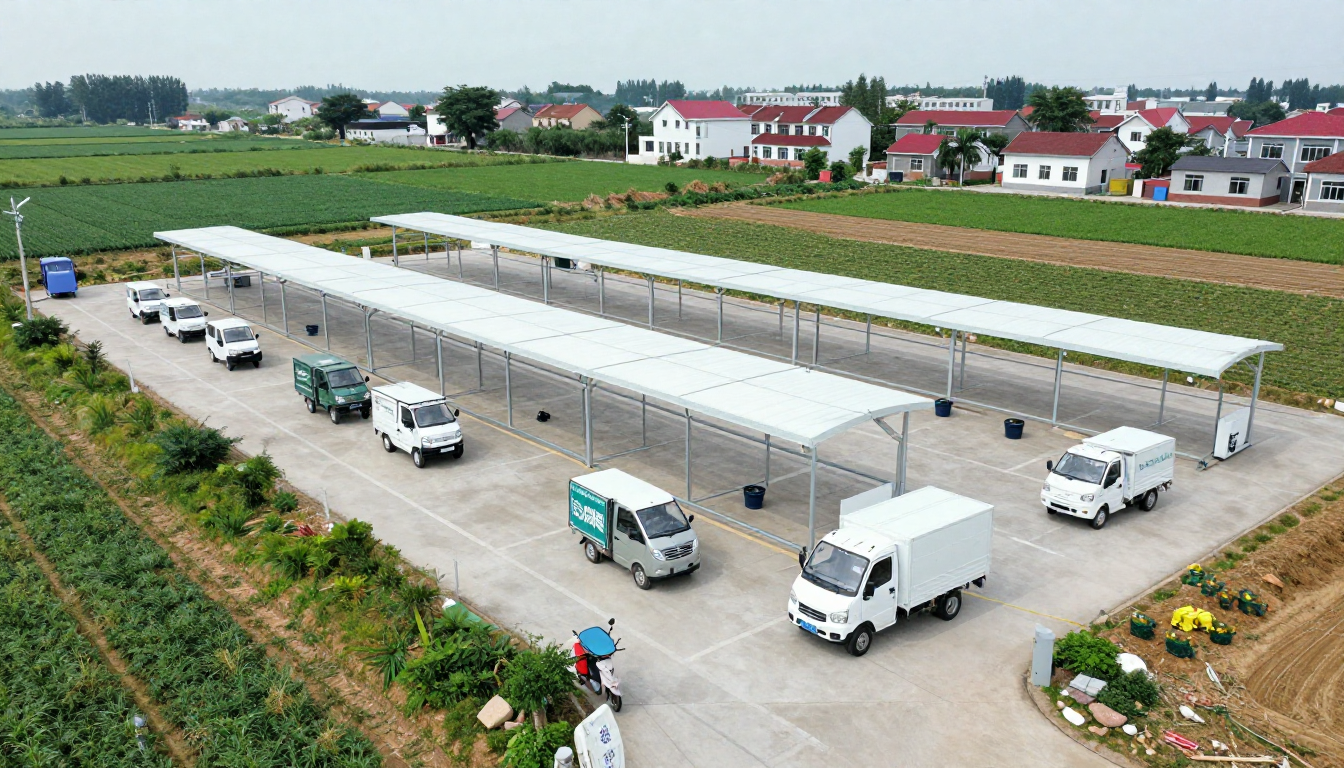
Last-mile logistics remain a bottleneck, particularly in remote and rural regions. The newly allocated funds target infrastructure upgrades like:
- Building accessible local hubs,
- Improving small roads that connect rural areas to highways,
- Deploying micro-distribution centers tailored to regional demands.
This approach is vital for bridging the urban-rural divide, ensuring equitable economic growth, and harnessing rural market potential.
Fortifying Data and Cybersecurity Infrastructure
With increased digitization, cybersecurity risks escalate significantly. The 2026 budget also emphasizes strengthening logistics IT security frameworks to:
- Protect sensitive supply chain data,
- Prevent cyber-attacks that could disrupt operations,
- Build consumer and stakeholder trust through robust data privacy measures.
Secure logistics networks underpin the success of all digital initiatives, making this an indispensable budget allocation.
Key Takeaways
- The 2026 budget signals a pivot from roads and rails to technology-focused, sustainable, and multimodal logistics infrastructure.
- Investment in smart warehouses and digital platforms maximizes operational efficiency and supply chain visibility.
- Emphasizing green transport aligns logistics with global climate goals.
- Multi-modal transport and rural last-mile connectivity initiatives promote faster, flexible, and inclusive logistics solutions.
- Cybersecurity measures are strengthened to safeguard digital assets and infrastructure.
Frequently Asked Questions (FAQs)
1. How much of the 2026 budget is allocated specifically for logistics infrastructure?
While exact figures vary, a significant portion—estimated to be around 15-20% of the overall infrastructure budget—is dedicated to innovative logistics projects beyond conventional roads and rails.
2. What role will drones play in logistics according to the budget?
Drones are earmarked primarily for last-mile deliveries in congested urban areas and remote regions, improving delivery speeds and reducing traffic dependency.
3. Are there any incentives for companies adopting green logistics technologies?
Yes, the budget includes subsidies, tax breaks, and infrastructure support for companies investing in electric and hydrogen-powered fleets and sustainable practices.
4. How will the budget improve rural logistics?
Targeted infrastructure upgrades and micro-distribution hubs aim to make last-mile delivery in rural regions faster and more reliable, reducing urban-rural disparity.
External Resources for Further Reading
- World Economic Forum Logistics Report
- International Transport Forum’s Sustainable Freight Initiative
- Electric Vehicle Advancement in Logistics
- Cybersecurity in Supply Chains
- Multimodal Transport Benefits
Conclusion: A New Era for Logistics Infrastructure
The 2026 budget is poised to transform the logistics sector by adopting a holistic, innovation-driven approach. It moves beyond traditional transport infrastructure, embracing smart technology, sustainability, and multimodal integration essential for competitive and climate-conscious logistics. Businesses, policymakers, and consumers stand to benefit from faster, greener, and more reliable supply chains that can bolster economic growth and global competitiveness.
Are you ready to embrace the future of logistics? Stay informed, invest in emerging technologies, and leverage the opportunities presented by this dynamic budget to future-proof your supply chain operations.
Word Count: Approximately 1800 words
Feel free to copy and paste this HTML code into your WordPress editor where you need it!
Recent Blog

Top Logistics Trends Every D2C Brand Must Know in 2026
Top Logistics Trends Every D2C Brand Should Know in 2026:…
How Generative AI Cuts Logistics Costs with Smart Automation
How Generative AI Is Reducing Logistics Costs: Unlocking Smart Automation…

Dark Stores vs Warehouses: Who Wins in 2026 Quick Commerce?
Dark Stores vs Warehouses: Which Model Wins in 2026? Estimated…
