 :
:  :
: 
Why Circular Logistics Is Essential for 2026 Success
The Green Mile: Why Your 2026 Logistics Strategy Must Be Circular or It Will Be Obsolete

Estimated reading time: 7 minutes
Key Takeaways
- Adopting circular logistics is imperative for sustainability and cost efficiency.
- Resource scarcity and regulatory pressures are pushing for a shift to circular models.
- Consumer demand for sustainable practices is a major competitive differentiator.
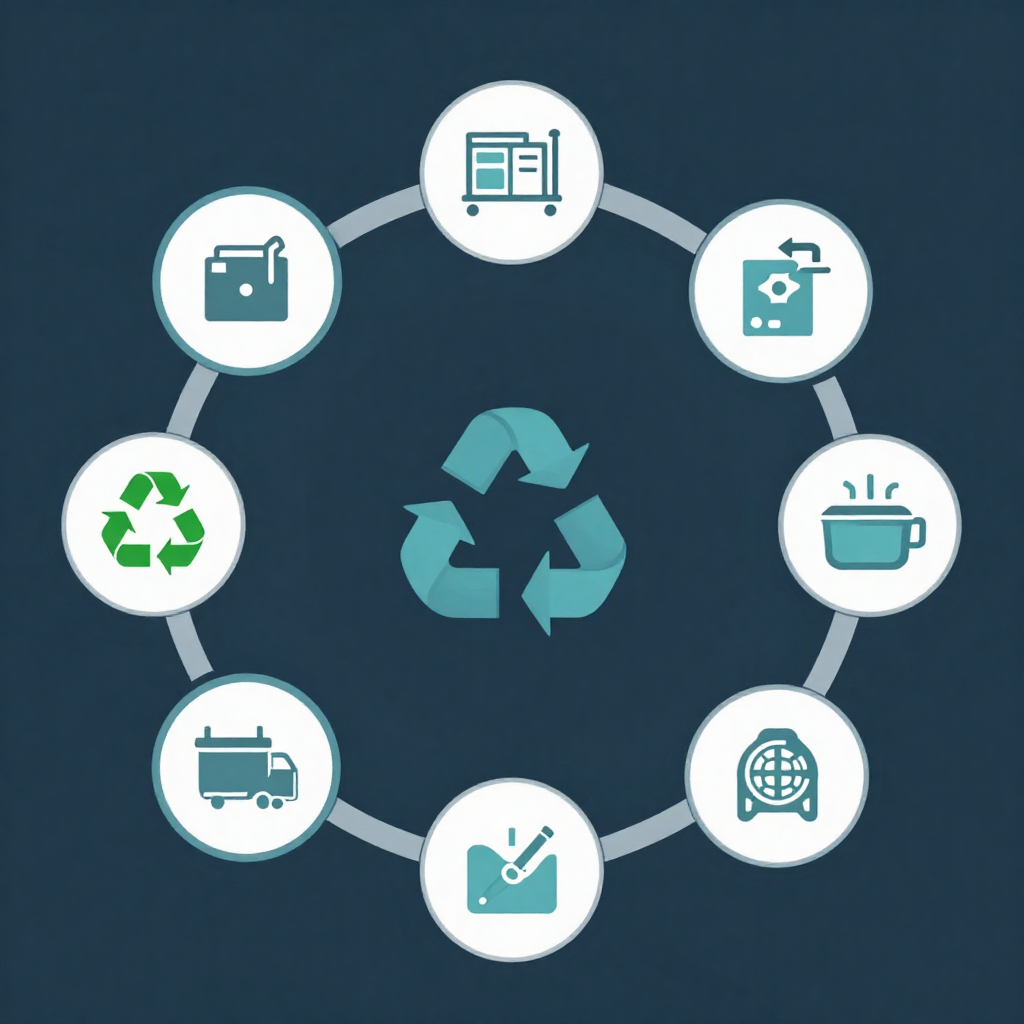
- Implementing a circular logistics strategy includes closed-loop supply chains, reverse logistics, and innovative packaging.
- Failure to adapt to circular logistics risks obsolescence and loss of market share.
Table of Contents

Introduction
In today’s fast-evolving business landscape, The Green Mile: Why Your 2026 Logistics Strategy Must Be Circular or It Will Be Obsolete isn’t just a wake-up call—it’s a mandate. Traditional logistics models, which primarily follow a linear path of take, make, dispose, are increasingly at odds with pressing global challenges such as resource depletion, climate change, and rising customer expectations for sustainability. This shift signals a radical transformation in supply chain and logistics thinking globally, including in rapidly growing markets like India where urbanization and industrialization demand smarter resource management.
The concept of circular logistics introduces a closed-loop system emphasizing reuse, refurbishment, and recycling—essentially turning waste back into resource. By 2026, companies that fail to adopt circular practices risk losing relevance, falling behind competitors who capitalize on sustainability as a business advantage.
This article explores why a circular logistics strategy is inevitable, tackling core elements of circularity, the benefits for logistics providers, and the risks of sticking with outdated approaches. If you manage or influence supply chain strategies, read on to learn how to successfully navigate The Green Mile.
The Inevitability of Circular Logistics
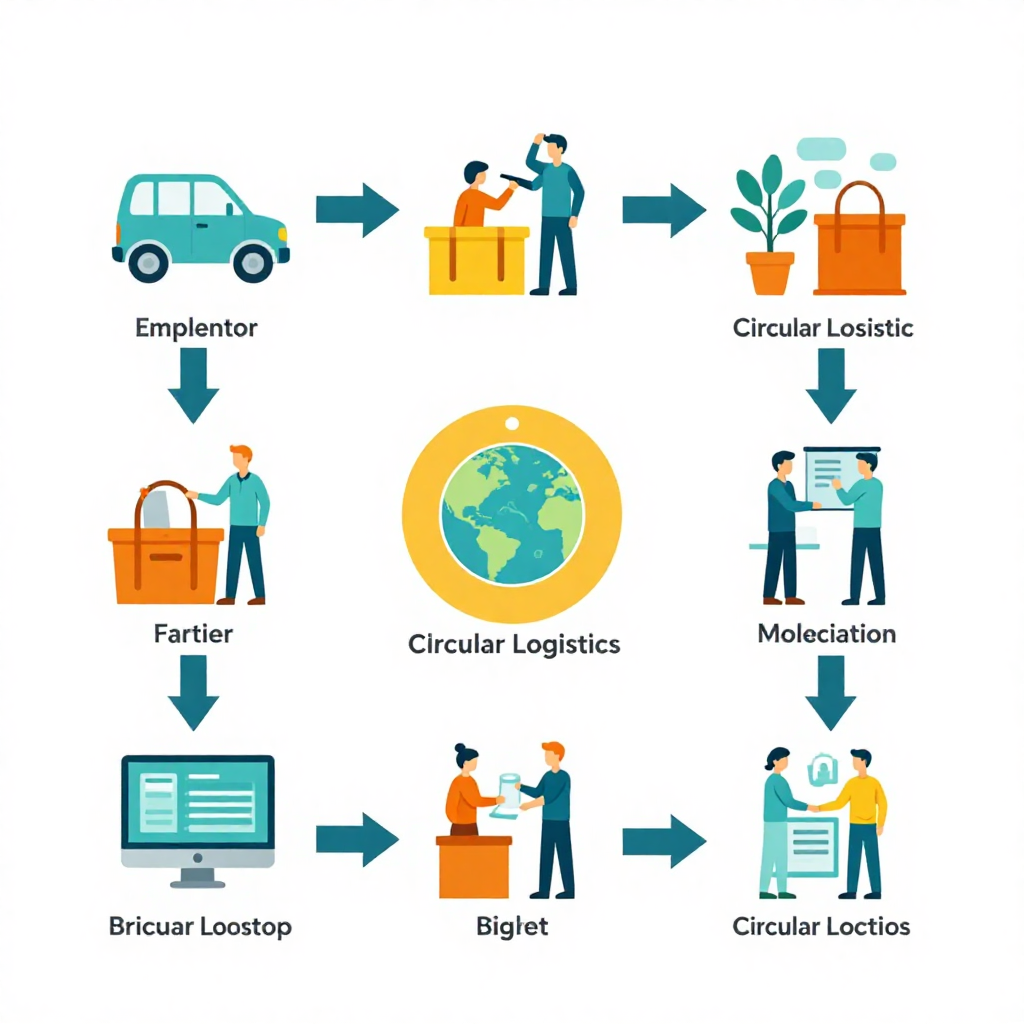
The global supply of many raw materials—from metals to plastics—is under significant pressure. Experts forecast that by 2026, resource constraints combined with geopolitical tensions could lead to soaring costs and unstable supply chains. Linear logistics models, which depend heavily on virgin resources, are increasingly unsustainable and expensive.
Circular logistics reduces this vulnerability by recycling materials and prioritizing refurbishing goods, driving both cost savings and environmental benefits.
Regulation and Compliance
Governments worldwide are accelerating the enforcement of regulations aimed at reducing waste, carbon emissions, and unsustainable resource extraction. For example, the EU’s Circular Economy Action Plan and India’s Plastic Waste Management rules set rigorous compliance standards for waste processing and emissions.
Companies ignoring these trends risk hefty fines and damage to reputation. Circular logistics isn’t just green—it’s smart risk management.
Consumer Demand for Sustainability
Modern consumers, both individual buyers and B2B clients, actively seek out brands committed to sustainability. A growing number prefer products with transparent, eco-friendly supply chains. Research even shows nearly 70% of shoppers globally say they would pay more for sustainable goods, making circular logistics a powerful competitive differentiator.
Key Elements of Circular Logistics
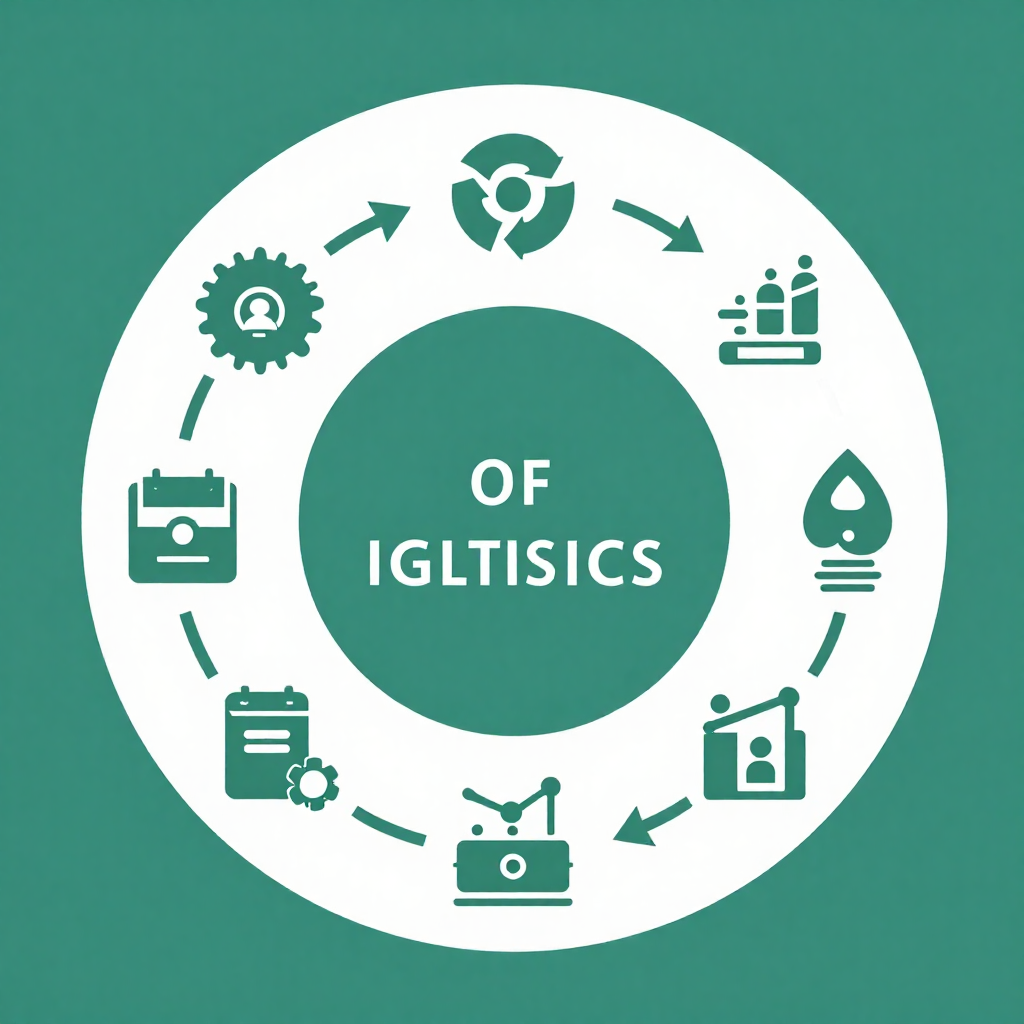
Designing and implementing a circular logistics strategy involves several crucial components:
Closed-Loop Supply Chains
Focus on product life cycles by designing logistics to recover and reuse materials, reducing waste throughout the journey from manufacturing to end-user and back.
Reverse Logistics
Efficient systems to manage product returns, refurbishing, recycling, or proper disposal—a critical step to close the loop and extract more value.
Innovative Packaging
Using biodegradable, reusable, or fully recyclable packaging minimizes waste and reduces environmental footprint. Sustainable packaging also resonates well with eco-conscious customers.
Data-Driven Processes
Leveraging IoT, AI, and advanced analytics helps track materials, optimize route planning, forecast demands, and predict maintenance needs—maximizing efficiency in circular operations.
Benefits of a Circular Logistics Strategy in 2026
Adopting circular logistics is not only environmentally responsible but strategically advantageous:
- Cost Efficiency: Over time, circular models lower operational expenses by cutting material costs, energy consumption, and waste management fees.
- Brand Differentiation: Sustainability attracts customers, investors, and partners, opening new markets and boosting loyalty.
- Resilience & Risk Management: Reduced dependence on finite resources helps companies withstand market shocks like price volatility or supply shortages.
Case studies abound across industries. For instance, Tesla’s battery recycling initiatives and IKEA’s furniture take-back program highlight how circularity drives innovation and customer engagement.
Risks of Ignoring Circularity by 2026
Failing to embrace circular logistics comes with significant risks:
- Obsolescence: Legacy linear models will no longer meet regulatory or customer requirements. Logistics firms will lose contracts or market access.
- Loss of Market Share: Eco-conscious buyers increasingly shift to competitors with sustainable practices, impacting revenues.
- Operational Vulnerabilities: Overreliance on scarce materials exposes businesses to disruption and unpredictable costs.
Ignoring circular transformation is effectively choosing decline, putting companies on a path no modern business wants to follow.
How to Implement Circular Logistics: A Step-by-Step Guide
- Conduct a Supply Chain Audit: Understand your current resource flows and waste generation points.
- Design for Circularity: Work with product designers to enable easier recycling, refurbishment, and reuse.
- Develop Reverse Logistics Capabilities: Set up processes and partnerships to handle returns effectively.
- Invest in Sustainable Packaging: Opt for materials and design that support environmental goals.
- Leverage Technology: Implement IoT and AI to monitor, optimize, and forecast logistics operations.
- Engage Stakeholders: Educate employees, suppliers, and customers about circular initiatives.
- Monitor and Adapt: Continuously track performance and adjust strategies for improvement.
Conclusion
The journey through The Green Mile: Why Your 2026 Logistics Strategy Must Be Circular or It Will Be Obsolete challenges businesses to rethink how they manage supply chains for a sustainable tomorrow. Circular logistics is no longer optional—it’s the future standard driving efficiency, compliance, and customer loyalty.
Start today by assessing your supply chain’s circularity potential. Innovate boldly, embrace data, and build resilient, responsible operations. Your logistics strategy in 2026 depends on it—and so does your place in the market.
Contact us today! Let’s help you navigate The Green Mile toward a profitable, sustainable future.
FAQ
Q1: What is circular logistics?
Circular logistics involves designing supply chains that prioritize reuse, recycling, and refurbishment to minimize waste and resource consumption.
Q2: Why is circular logistics critical by 2026?
Due to rising resource scarcity, stricter regulations, and consumer demand for sustainability, circular logistics will be essential to remain competitive and compliant.
Q3: How does technology support circular logistics?
Tools like IoT and AI enable real-time tracking of materials, predictive maintenance, and optimization, making circular operations more efficient and scalable.
Q4: What are some examples of circular logistics in practice?
Companies like IKEA and Tesla have implemented circular logistics by offering return programs and recycling initiatives, reducing waste and engaging customers.
Recent Blog

Top Logistics Trends Every D2C Brand Must Know in 2026
Top Logistics Trends Every D2C Brand Should Know in 2026:…
How Generative AI Cuts Logistics Costs with Smart Automation
How Generative AI Is Reducing Logistics Costs: Unlocking Smart Automation…
Dark Stores vs Warehouses: Who Wins in 2026 Quick Commerce?
Dark Stores vs Warehouses: Which Model Wins in 2026? Estimated…
