 :
:  :
: 
Sustainable Packaging: Biodegradable Solutions for E-commerce
Sustainable Packaging: Moving Beyond Plastic to Biodegradable Solutions in E-commerce
Estimated reading time: 6 minutes
Key Takeaways
- Sustainable packaging is crucial for reducing e-commerce environmental impact.
- Biodegradable materials can significantly lessen plastic waste and support circular economies.
- Consumer preference for eco-friendly packaging is on the rise.
- Adoption faces challenges like costs and infrastructure limitations.
- Innovative technologies are paving the way for more sustainable solutions.
Table of Contents
Introduction
In recent years, sustainable packaging: moving beyond plastic to biodegradable solutions in e-commerce has emerged as a vital trend shaping the future of online retail. As e-commerce continues its rapid expansion globally, the convenience it offers has been paradoxically accompanied by an explosion in packaging waste — predominantly plastic — resulting in significant environmental consequences. The demand for eco-friendly packaging alternatives that reduce pollution and support a circular economy has never been more pressing.
This article dives deep into why the shift away from traditional plastic packaging is essential, exploring the environmental toll of plastics and how biodegradable solutions are becoming the new standard in e-commerce. From plant-based polymers to fungal innovations, we’ll review the latest materials, technologies, and challenges brands face in adopting these greener packaging methods on a global scale, including insights relevant to markets like India where e-commerce growth is skyrocketing. Whether you’re a business owner, sustainability enthusiast, or curious consumer, discover how sustainable packaging solutions can align with today’s eco-conscious values without compromising quality or performance.
The Environmental Impact of Plastic Packaging
Plastic packaging has been the backbone of e-commerce logistics for decades due to its versatility and low cost. However, its environmental repercussions are becoming impossible to ignore:
- Plastic waste proliferation: Over 300 million tons of plastic are produced annually worldwide, with packaging waste comprising nearly 50% of this figure. E-commerce contributes significantly to single-use plastic volumes in the form of bubble wrap, air pillows, and plastic bags.
- Non-biodegradability: Conventional plastics can persist in the environment for centuries, clogging landfills, oceans, and ecosystems.
- Microplastics problem: As plastics degrade, they fragment into microplastics, which contaminate marine environments, affecting biodiversity and eventually entering the human food chain.
- Carbon footprint: The lifecycle emissions from producing, transporting, and disposing of plastic packaging notably contribute to greenhouse gases, exacerbating climate change.
Consumers and regulators alike demand responsible practices, pressing brands to seek alternatives that can alleviate these detrimental effects.
Why Move Beyond Plastic?
Switching to sustainable packaging isn’t just an environmental imperative—it’s also a smart business move. Key drivers include:
- Growing consumer awareness: A 2023 global survey showed over 70% of online shoppers prefer brands that demonstrate environmental responsibility, influencing their purchasing decisions.
- Regulatory pressures: Governments worldwide, including India, the EU, and the US, are implementing bans on single-use plastics and introducing stricter recycling mandates.
- Corporate social responsibility (CSR): Companies are making sustainability core to their missions to attract ethical investors and partners.
- Brand differentiation: Innovative, biodegradable packaging solutions help companies stand out in crowded markets, improving brand loyalty and recognition.
Clearly, moving beyond plastic is key for future-proofing e-commerce operations.
Biodegradable Packaging Solutions
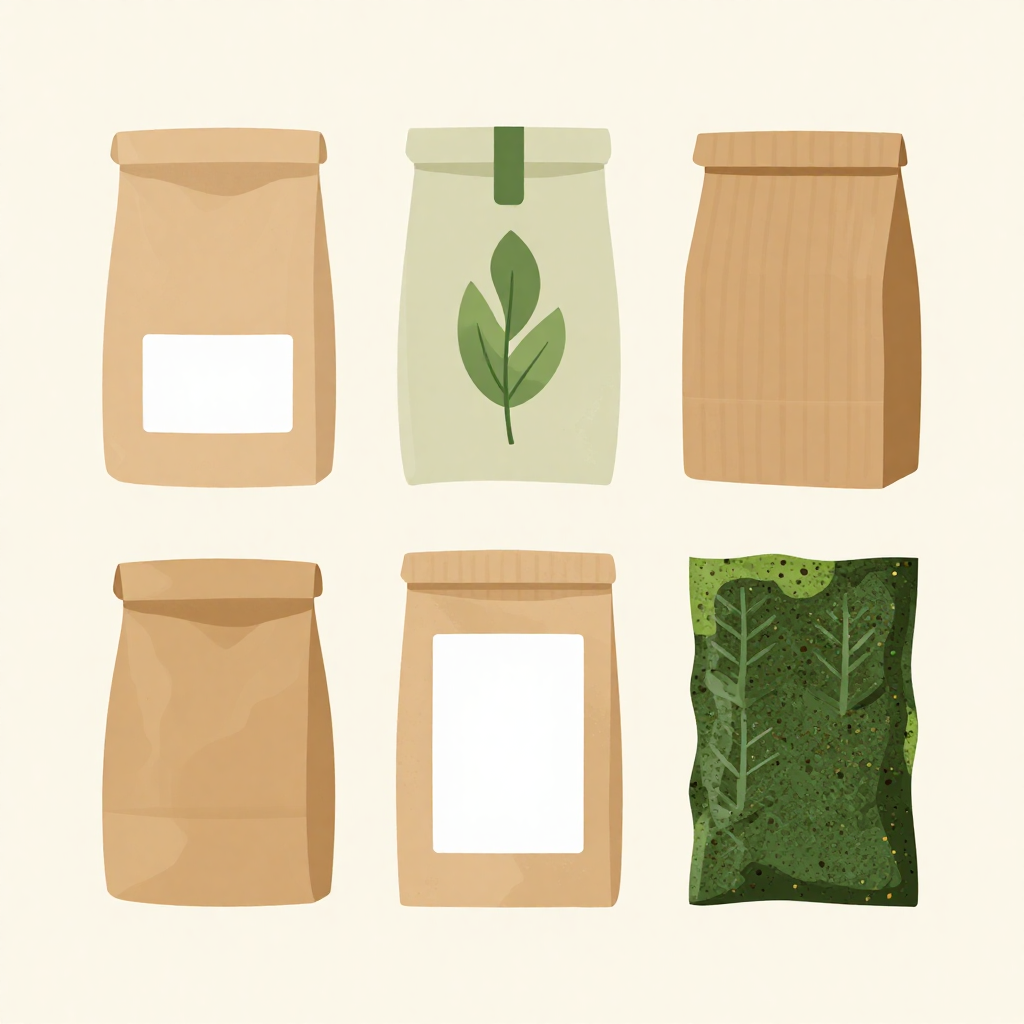
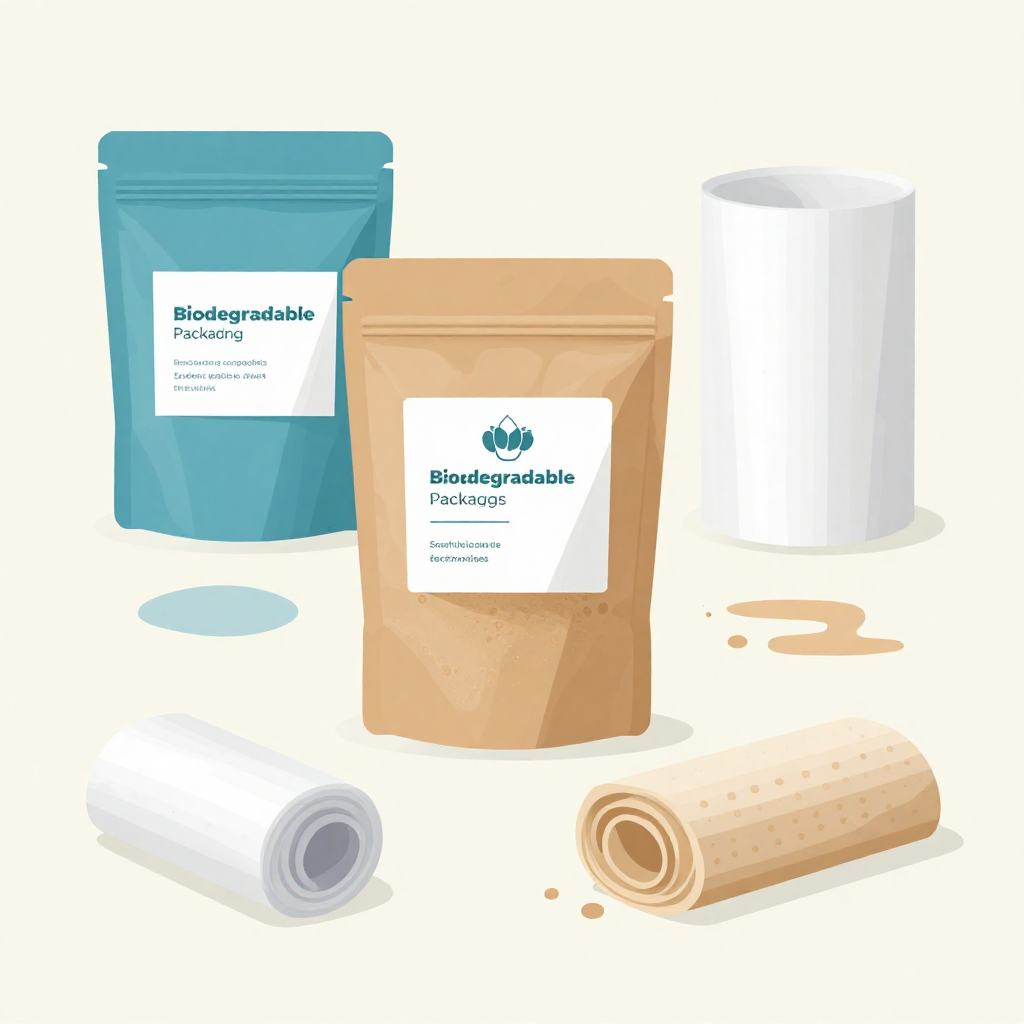
Biodegradable packaging breaks down naturally through microbial activity into harmless substances like water, carbon dioxide, and organic matter, typically within months. Let’s explore the popular materials reshaping e-commerce packaging:
Common Biodegradable Materials
| Material | Description | Advantages |
|---|---|---|
| Plant-based Polymers | Polylactic acid (PLA) from corn or sugarcane; PHA from bacteria | Compostable, reduced reliance on fossil fuels |
| Paper and Cardboard | Renewable cellulose fibers, recyclable and compostable | Widely recyclable, versatile, biodegradable |
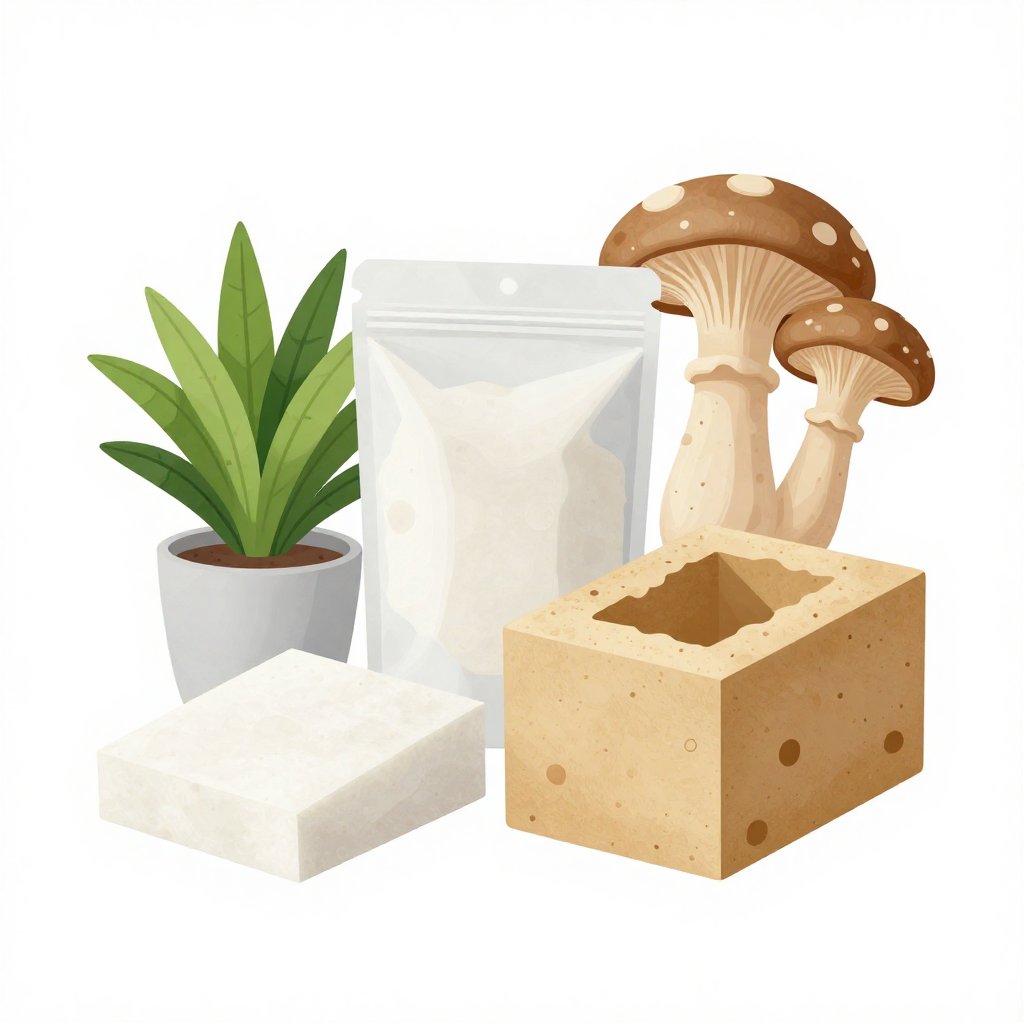
| Mushroom Packaging | Mycelium grown on agricultural waste, molded for packaging | Fully compostable, sustainable foam alternative |
| Sugarcane Bagasse | Residue from sugar production used to form trays and containers | Compostable, lightweight, moisture resistant |
| Seaweed and Algae | Emerging edible and biodegradable films | Renewable, innovative, edible options |
These materials offer varying functionality to replace plastic in contexts ranging from protective void fills to primary product containers.
Innovations and Technologies in Biodegradable Packaging
Innovation is key to overcoming the limitations of traditional materials:
- Edible packaging: Edible films made from starch or seaweed can reduce waste drastically when used for food packaging.
- Compostable films: Flexible packaging derived from cellulose or starch provides moisture barriers without plastic.
- Active packaging: Materials infused with natural antimicrobials extend product shelf life, reducing food waste.
- Smart packaging: Biodegradable sensors monitor freshness or environmental conditions, improving logistics and consumer experience.
These technologies not only enhance sustainability but also add value along the supply chain.
Challenges in Adopting Biodegradable Solutions
Despite its promise, biodegradable packaging adoption faces challenges:
- Cost: Biodegradable polymers currently often cost 20–50% more than traditional plastics.
- Performance: Achieving comparable durability, moisture resistance, and thermal stability can be difficult.
- Infrastructure: Limited industrial composting facilities restrict proper disposal options in many regions.
- Verification and standards: Lack of unified certifications creates confusion about what qualifies as truly biodegradable.
Addressing these issues requires collaboration across businesses, governments, and consumers.
Best Practices for E-commerce Brands
To successfully transition to sustainable packaging, brands should consider:
- Material evaluation: Analyze product needs, lifecycle impacts, and disposal options before selecting packaging.
- Design for minimalism: Remove unnecessary layers and optimize package sizes to reduce materials.
- Educate consumers: Clearly label packages with information on disposal methods, compostability, or recycling.
- Supply chain collaboration: Partner with suppliers, logistics providers, and recyclers to ensure sustainable packaging integrity.
- Leverage innovation: Pilot new biodegradable materials and technologies to improve product protection and aesthetics.
Implementing strategic, informed packaging solutions supports sustainability goals without sacrificing business competitiveness.
Case Studies and Examples
Here are examples of companies making strides towards sustainable packaging:
Amazon’s Frustration-Free Packaging
Amazon’s initiative cuts excess packaging, uses recyclable materials, and creates easier-to-open designs, reducing waste and improving customer satisfaction.
Lush Cosmetics
Lush uses 100% biodegradable or recyclable packaging, including innovative seed papers that customers can plant after use, creating a circular life cycle.
Dell Technologies
Dell replaced traditional plastic foam with mushroom-based packaging for shipping laptops worldwide, resulting in significant plastic waste reduction.
These examples demonstrate how diverse industries are adopting biodegradable solutions to align business success with ecological responsibility.
Conclusion
The shift towards sustainable packaging: moving beyond plastic to biodegradable solutions in e-commerce represents a transformative opportunity to reduce environmental harm while meeting consumer and regulatory expectations. Although challenges like cost and infrastructure remain, ongoing innovations and growing corporate commitments signal a promising path forward. E-commerce brands that embrace biodegradable packaging not only safeguard the planet but also position themselves as leaders in the evolving green economy. Ready to make your packaging more sustainable? Contact us today to explore practical, customized solutions that make a real difference.
FAQ
What is the biggest environmental benefit of biodegradable packaging?
Biodegradable packaging decreases plastic pollution by naturally decomposing into non-toxic substances, reducing landfill volume and microplastic generation.
How long does biodegradable packaging take to decompose?
Depending on material and environmental conditions, biodegradation typically occurs within months to a few years, far quicker than conventional plastics.
Can biodegradable packaging always be recycled?
Not necessarily. Some biodegradable materials are compostable rather than recyclable and require industrial composting facilities.
Is biodegradable packaging more expensive than plastic?
Generally, yes. Costs are higher currently, but economies of scale and technological advances are expected to lower prices over time.
How can e-commerce brands educate consumers on sustainable packaging?
Clear labeling, QR codes linking to disposal instructions, and customer communications about sustainability goals help improve consumer awareness.
Recent Blog
Top Logistics Trends Every D2C Brand Must Know in 2026
Top Logistics Trends Every D2C Brand Should Know in 2026:…
How Generative AI Cuts Logistics Costs with Smart Automation
How Generative AI Is Reducing Logistics Costs: Unlocking Smart Automation…
Dark Stores vs Warehouses: Who Wins in 2026 Quick Commerce?
Dark Stores vs Warehouses: Which Model Wins in 2026? Estimated…
