 :
:  :
: 
AI Agents Driving Logistics Efficiency in 2026
How AI Agents Are Revolutionizing Logistics Operations in 2026: Transforming Business Workflows with AI-Powered Logistics Solutions

Estimated reading time: 8 minutes
Key Takeaways
- AI agents are enhancing logistics efficiency and accuracy across global supply chains.
- Real-time shipment tracking and dynamic route management are core functionalities of AI-powered logistics.
- Investment in AI solutions is projected to exceed $12 billion in the logistics sector by 2026.
- Companies implementing AI in logistics report significant improvements in delivery punctuality and inventory management.
- Future trends indicate a shift toward more autonomous and collaborative AI systems within logistics networks.
Table of Contents
- Introduction
- The Emerging Role of AI Agents in Modern Logistics
- Key Benefits of AI Agents Transforming Logistics Workflows
- Real-World Examples of AI Agents Revolutionizing Logistics
- Step-by-Step Guide to Implementing AI-Powered Logistics Solutions
- Future Trends of AI Agents in Logistics by 2030
- Conclusion
- FAQ
Introduction

In 2026, how AI agents are revolutionizing logistics operations is no longer a futuristic concept but a present-day reality changing the DNA of supply chain management worldwide. By integrating AI-powered logistics solutions, companies across the globe—from massive e-commerce corporations in the US to emerging logistics hubs in India—are witnessing unparalleled improvements in efficiency, accuracy, and customer satisfaction. The logistics sector, traditionally riddled with challenges like delayed deliveries, inaccurate demand forecasting, and high operational costs, has found a game-changer in AI agents.
These autonomous, learning-driven software entities not just automate mundane tasks but also make real-time decisions, helping businesses adapt to unpredictable market dynamics swiftly. In an industry where every minute counts and every route impacts profitability, AI + logistics technologies offer enhanced visibility, smarter planning, and better resource allocation. This article dives deep into the transformative power of AI agents in logistics workflows today, exploring key benefits, real-world applications, and the future trends shaping the industry’s next decade.
The Emerging Role of AI Agents in Modern Logistics
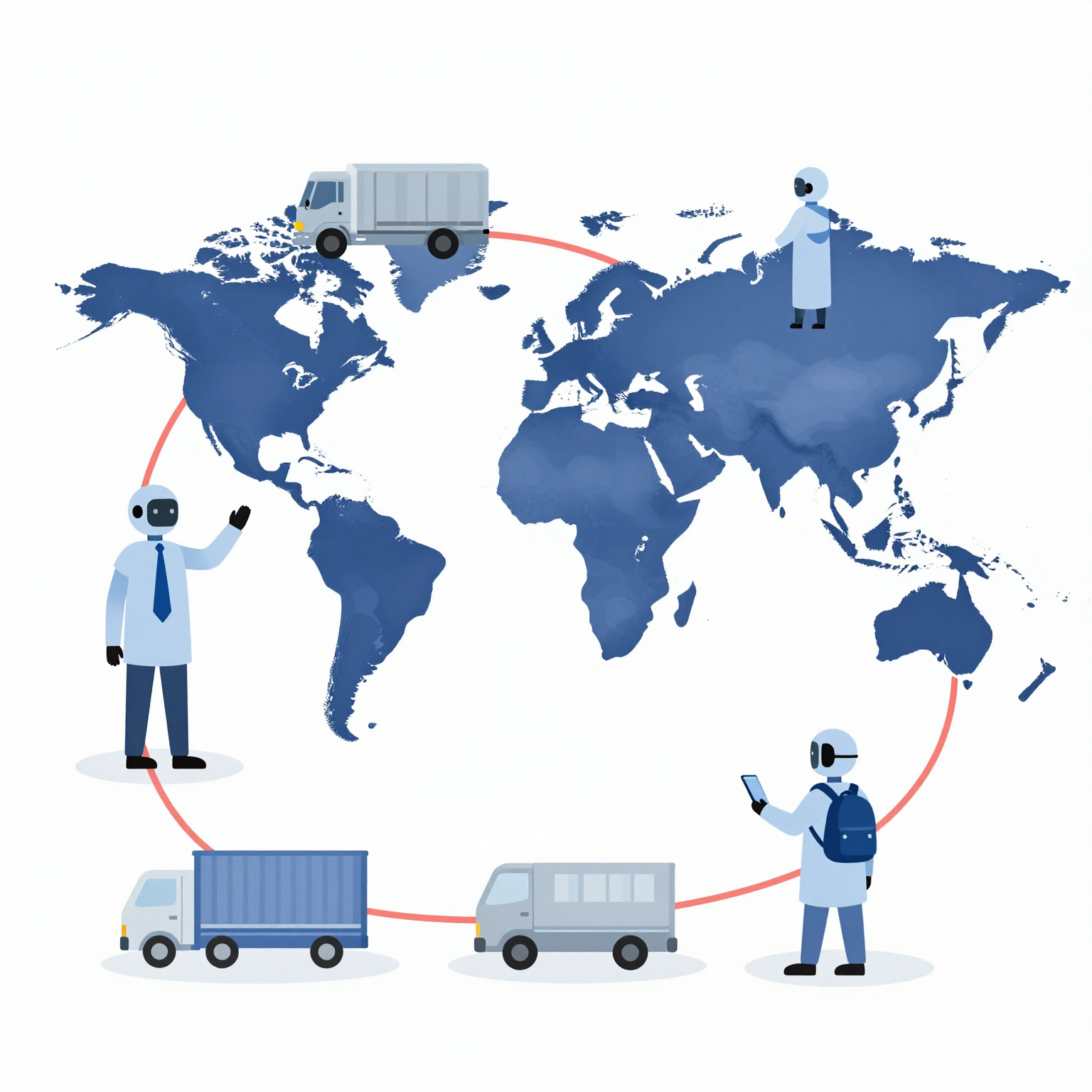
AI agents are computer programs equipped with advanced machine learning and neural network capabilities, enabling them to perceive their environment, make decisions, and learn from outcomes. In logistics, these agents are trained on extensive datasets including shipment records, traffic patterns, weather conditions, and consumer buying behavior.
How AI agents are transforming business workflows in logistics boils down to their ability to perform complex analysis rapidly and execute operations with minimal human intervention. For instance, AI agents can forecast demand fluctuations days in advance, coordinate with autonomous vehicles for deliveries, and dynamically re-route shipments during disruptions. This reduces dependency on manual forecasting and micromanagement, subsequently lowering errors and delays.
Globally, the logistics sector is projected to spend over $12 billion on AI-powered logistics solutions in 2026 alone, emphasizing the rapid adoption of these technologies by supply chain leaders striving to dominate a fiercely competitive market.
Key Benefits of AI Agents Transforming Logistics Workflows
The impact of AI agents is multifaceted and far-reaching. Here’s why they’re pivotal to revolutionizing logistics:
- Enhanced Supply Chain Visibility: AI agents use IoT-enabled sensors and GPS data to track shipments in real-time. They flag delays proactively, allowing managers to divert shipments before issues escalate—crucial for industries like pharmaceuticals or perishable goods.
- Optimized Route Planning and Last-Mile Delivery: Utilizing historical traffic data, weather forecasts, and delivery urgency, AI agents dynamically generate optimal routes. This cuts down fuel use, reduces transit times, and decreases overall carbon emissions.
- Dynamic Inventory Management: By analyzing consumer trends and seasonal sales cycles, AI predicts inventory needs accurately, preventing costly overstocking or stockouts. Warehouses can maintain perfect stock levels with minimal waste.
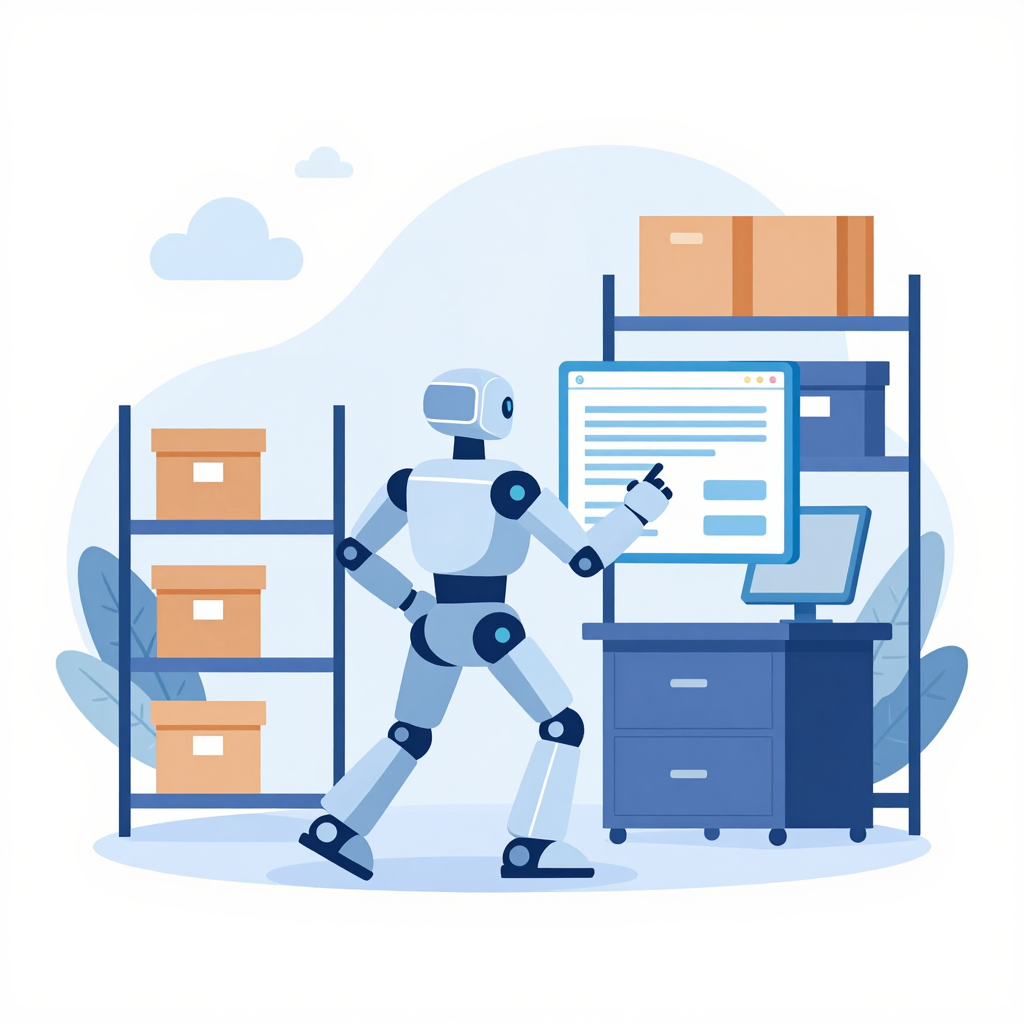
- Automated Warehouse and Fulfillment Operations: Robotic process automation (RPA) combined with AI agents expedites picking, packing, and sorting in warehouses, increasing throughput dramatically while minimizing human errors and labor costs.
- Improved Risk Assessment and Decision-Making: AI agents provide advanced analytics, simulate various supply chain scenarios, and assess risks, enabling executives to make informed, data-driven decisions rapidly.
Real-World Examples of AI Agents Revolutionizing Logistics
Several companies and industries are leading the charge in adopting AI-driven logistics solutions:
- Amazon Robotics & AI: Amazon’s fulfillment centers utilize AI agents combined with autonomous robots to enhance packing and shipment preparation, increasing order processing speed while reducing errors.
- DHL’s Smart Truck Routing: DHL employs AI agents to process traffic and weather data to optimize parcel delivery routes, improving delivery punctuality by up to 25%.
- Maersk’s Predictive Supply Chain: Maersk integrates AI-powered forecasting tools to anticipate container demand fluctuations, enabling better vessel scheduling and reducing idle capacity.
- Indian E-Commerce Logistics: Leading Indian platforms use AI agents to predict peak delivery periods during festivals, optimize warehouse stocking, and efficiently manage last-mile delivery in congested city areas.
- Pharmaceutical Cold Chain Monitoring: AI agents monitor temperature-sensitive shipments and intervene when deviations occur, ensuring product safety and compliance.
These examples highlight the versatile applications of AI agents from warehouse floors to global ocean freight, proving their adaptability and extensive benefits.
Step-by-Step Guide to Implementing AI-Powered Logistics Solutions
For companies looking to leverage AI agents, a structured approach ensures smoother integration and maximized impact:
- Identify Key Pain Points: Analyze current logistics operations for bottlenecks like late deliveries, inventory errors, or manual inefficiencies.
- Set Clear Objectives: Define goals such as reducing fuel consumption by 15% or improving delivery accuracy to 99%.
- Choose the Right AI Solutions: Evaluate AI agents specific to your logistics needs—whether predictive analytics, autonomous routing, or warehouse automation.
- Integrate with Existing Systems: Ensure AI tools sync seamlessly with your ERP, TMS (Transportation Management System), and WMS (Warehouse Management System).
- Train Teams and Stakeholders: Educate staff on AI functionalities to foster adoption and understanding.
- Pilot Program: Run a trial phase focusing on a specific region or process to evaluate ROI.
- Scale Gradually: Use insights from the pilot to optimize AI agent performance and expand deployment.
- Continuously Monitor and Improve: Utilize AI’s learning capabilities to adapt and enhance logistics workflows continually.
Following these steps helps companies minimize disruption while realizing the full potential of AI-powered logistics solutions.
Future Trends of AI Agents in Logistics by 2030
As we look beyond 2026, AI agents are set to become even smarter and more autonomous. Anticipated trends include:
- Integration with Blockchain: Ensuring transparent, immutable tracking of shipments alongside AI’s predictive powers.
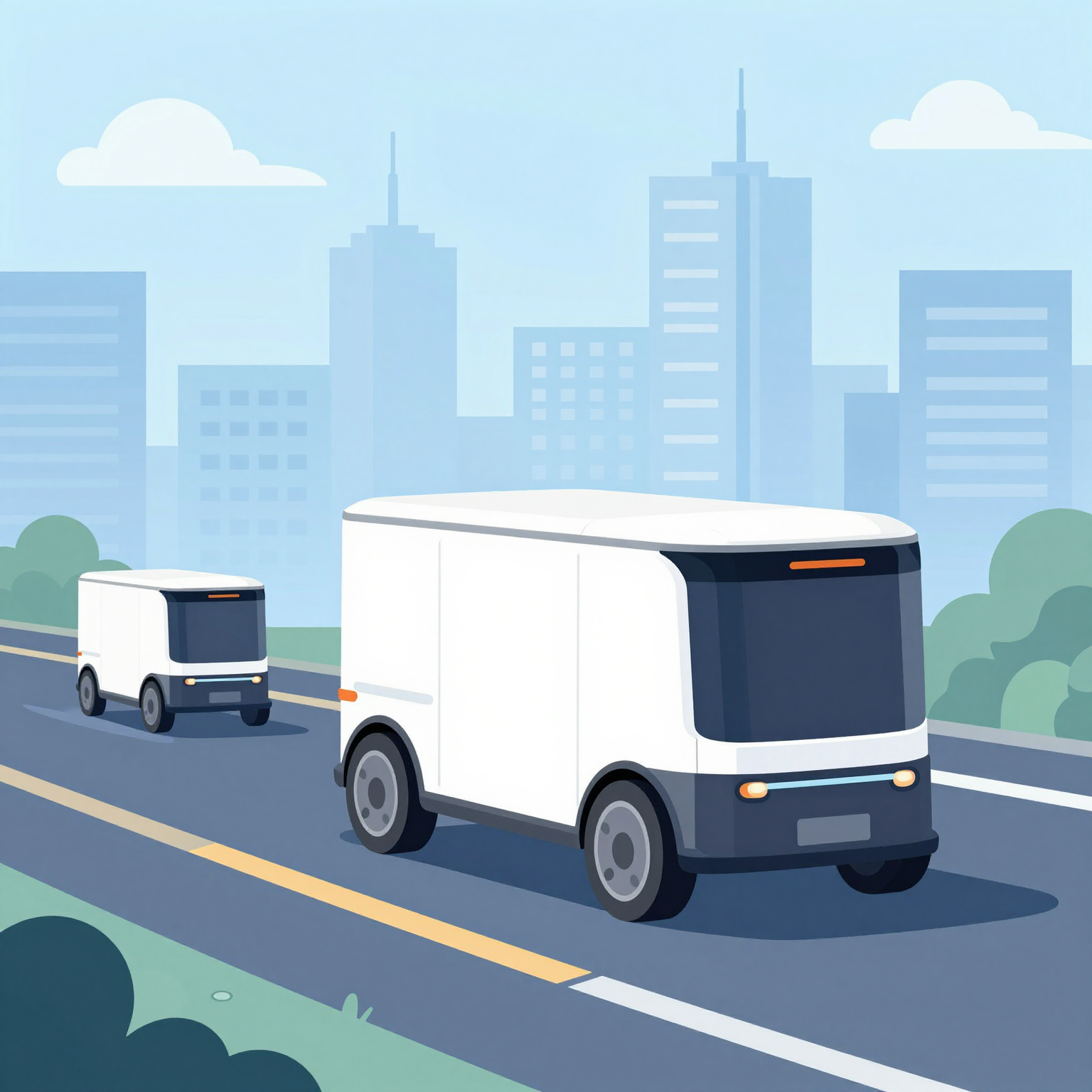
- Autonomous Freight Vehicles: AI agents managing fleets of self-driving trucks, planes, and ships for 24/7 operations.
- Hyper-Personalized Customer Experience: AI tailoring delivery options based on customer preferences and behavior.
- Collaborative AI Ecosystems: Multiple AI agents communicating across organizations to co-manage global supply chains.
- Sustainability Focus: AI agents driving logistics strategies to meet stricter environmental regulations through green routing and smart packaging.
These innovations will further cement AI agents as the backbone of resilient, efficient, and customer-centric logistics operations globally.
Conclusion
How AI agents are revolutionizing logistics operations in 2026 is a testament to the power of innovation in reshaping traditional industries. By embedding intelligence and autonomy into every link of the supply chain, AI-powered logistics solutions offer improved efficiency, sustainability, and customer satisfaction. For logistics providers, embracing this AI revolution is not optional but a prerequisite for staying ahead in a cutthroat market.
As AI agents continue to evolve, they will unlock even greater value across logistics workflows, economies, and geographies. The question for industry players is no longer if to adopt these transformative technologies but when. Contact us today to learn how your logistics operations can harness AI agents and lead the way into a smarter, faster future.
FAQ
What exactly are AI agents in logistics?
AI agents are autonomous software programs that use artificial intelligence techniques to make decisions and automate complex logistics processes such as route optimization and inventory management.
How do AI agents improve last-mile delivery?
They analyze real-time traffic, weather, and customer data to optimize routes dynamically, reducing delays and fuel costs.
Are AI-powered logistics solutions expensive to implement?
While initial investment exists, the long-term cost savings from improved efficiency, reduced errors, and better resource utilization often justify the expense.
Can small logistics companies benefit from AI agents?
Yes. Cloud-based AI platforms offer scalable solutions suitable for companies of all sizes, enabling even smaller players to compete effectively.
What’s the future outlook for AI in logistics?
AI agents will become more autonomous, intelligent, and collaborative, integrating with emerging technologies like blockchain and autonomous vehicles for holistic supply chain optimization.
Recent Blog

Top Logistics Trends Every D2C Brand Must Know in 2026
Top Logistics Trends Every D2C Brand Should Know in 2026:…
How Generative AI Cuts Logistics Costs with Smart Automation
How Generative AI Is Reducing Logistics Costs: Unlocking Smart Automation…
Dark Stores vs Warehouses: Who Wins in 2026 Quick Commerce?
Dark Stores vs Warehouses: Which Model Wins in 2026? Estimated…
