 :
:  :
: 
Barcode and RFID in Warehouses Boost Smart Tracking
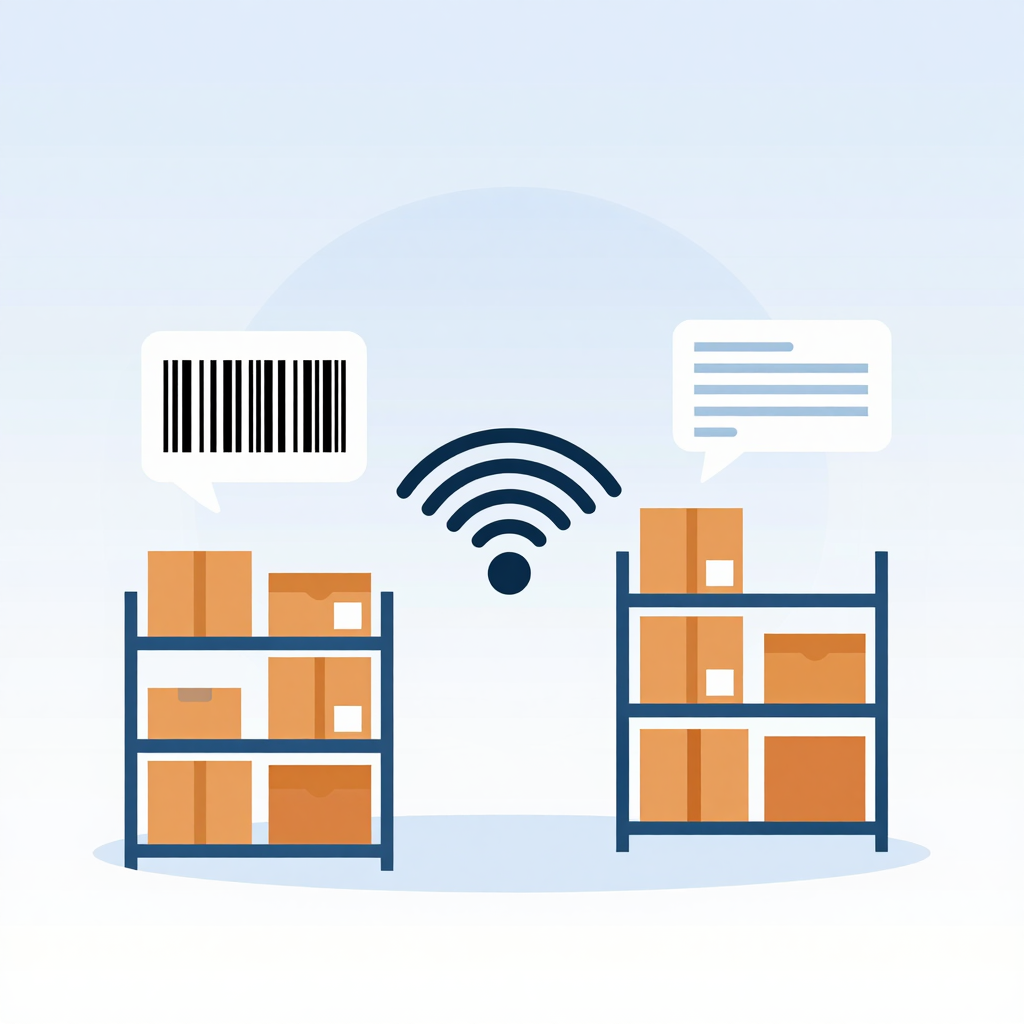
Barcode & RFID in Warehouses: Smart Tracking Adoption Growing and Its Role in Tech-Driven Logistics
Estimated reading time: 7 minutes
Key Takeaways
- Barcode and RFID technologies improve inventory accuracy and operational speed.
- Smart tracking adoption is driven by growing e-commerce and complex supply chains.
- RFID systems offer enhanced tracking capabilities without line-of-sight requirements.
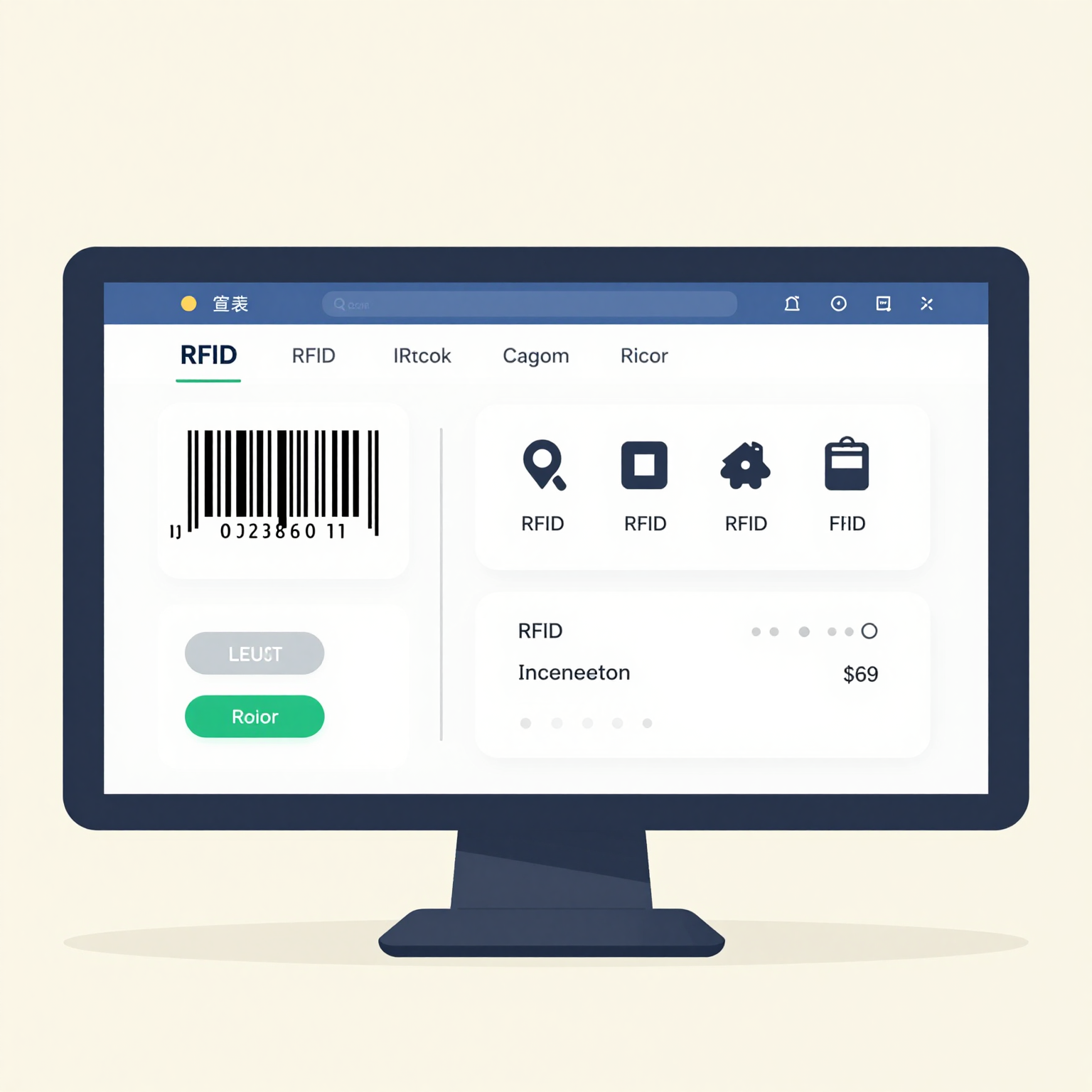
- Integration with WMS and ERP platforms is crucial for real-time data management.
- Future trends include AI, IoT, and blockchain technologies enhancing tracking efficiency.
Table of Contents
- Introduction
- What Are Barcode & RFID Tracking Systems?
- Smart Tracking Adoption: Why It’s Growing Fast
- How Do Barcode & RFID Systems Work in Warehouses?
- Examples of Barcode & RFID Usage Across Industries
- Role of Barcode & RFID in Tech-Driven Logistics
- Benefits & Best Practices for Implementing Barcode & RFID Systems
- Future Trends in Warehouse Tracking Technologies
- Conclusion
- FAQ
Introduction
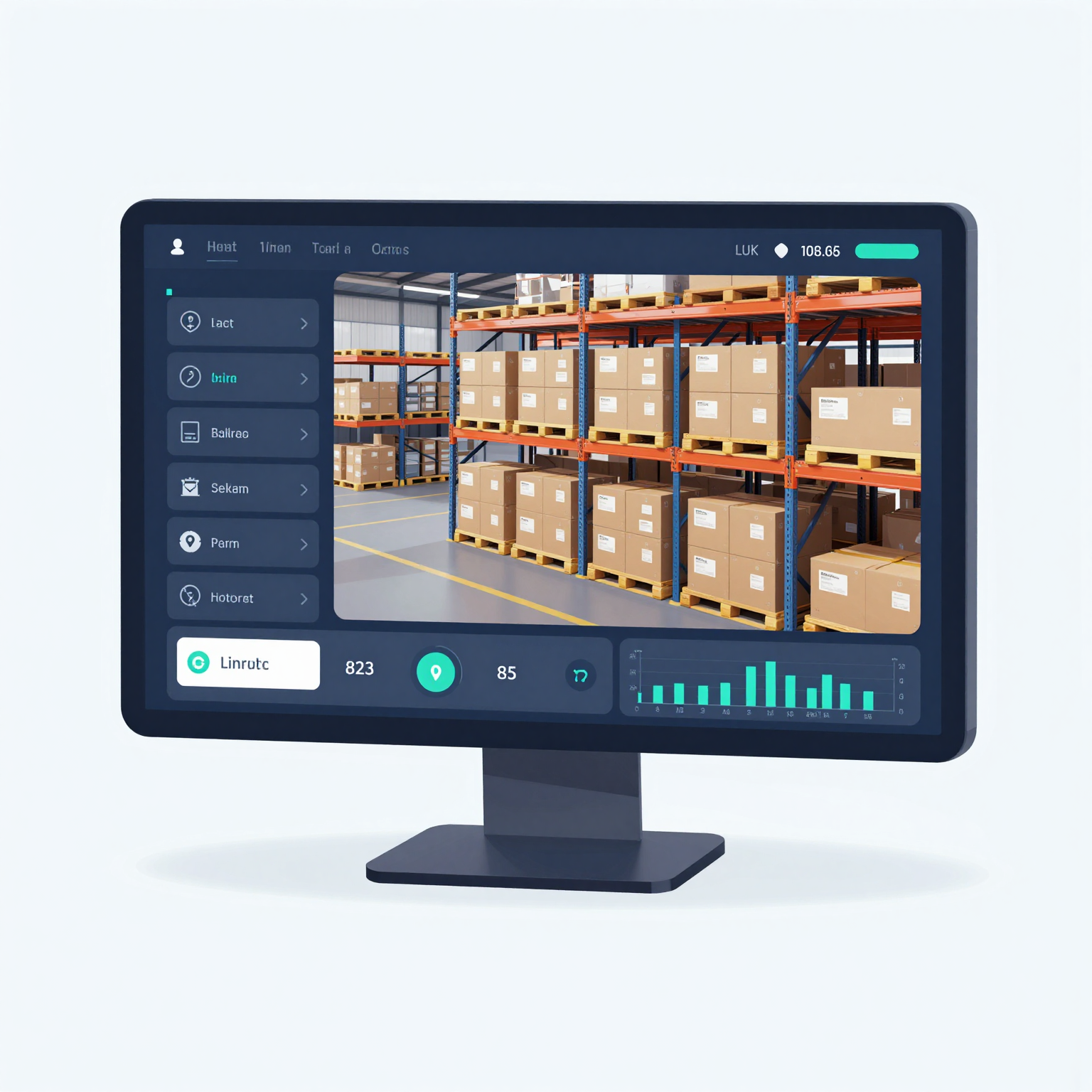
In today’s fast-paced global economy, barcode & RFID in warehouses are becoming indispensable tools for businesses striving to improve inventory accuracy, operational speed, and overall supply chain visibility. With the surge of e-commerce and increasingly complex logistics networks worldwide — including rapid growth in India’s warehousing sector — smart tracking adoption is growing rapidly. As companies embrace these technologies, the reliance on manual processes diminishes, ushering in an era of data-driven, automated warehouse management.
This article dives deep into the world of barcode and RFID tracking systems in warehouses, explaining how these technologies work, why they are gaining popularity, and the critical role they play in supporting tech-driven logistics operations globally. Whether you’re a warehouse manager, supply chain professional, or business owner, understanding these smart tracking systems is essential for keeping pace in an evolving marketplace.
What Are Barcode & RFID Tracking Systems?
Barcode Systems
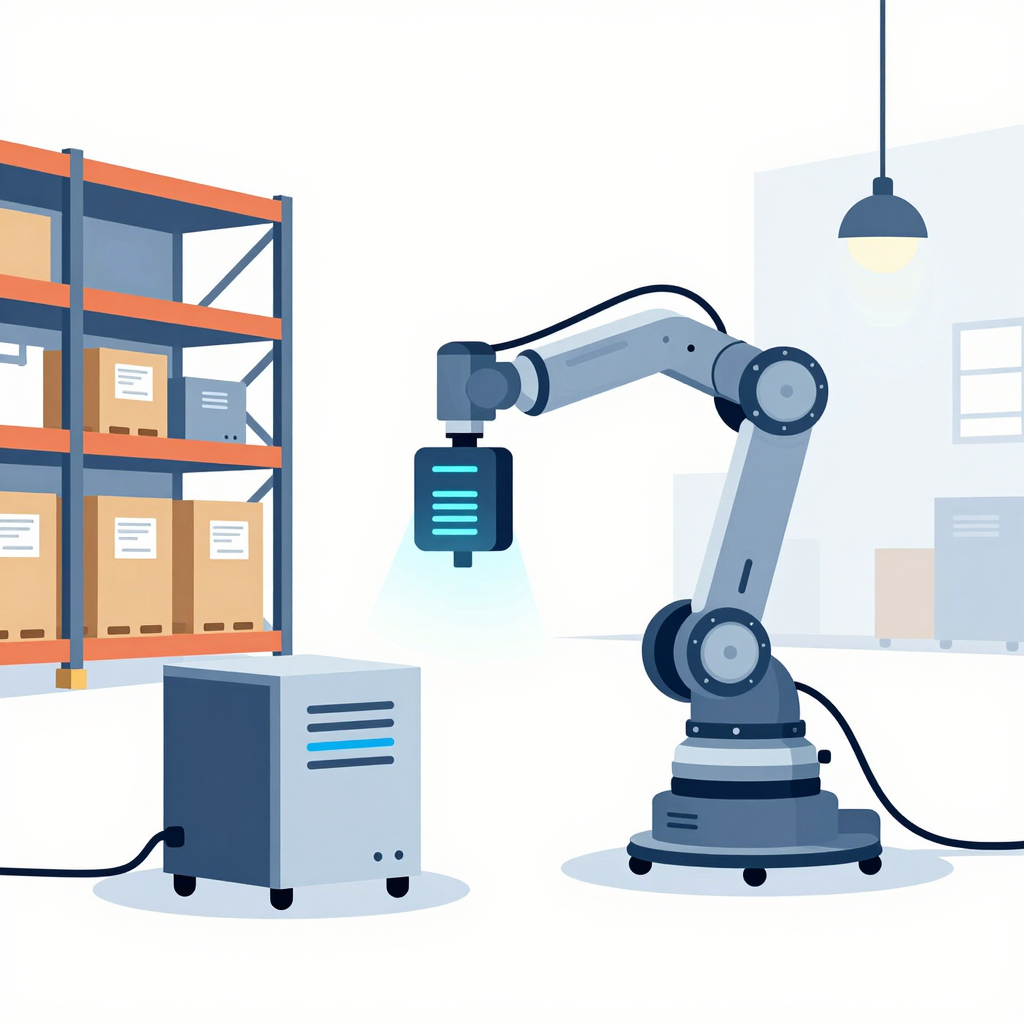
Barcodes are optical, machine-readable representations encoded on labels affixed to individual items, pallets, or storage locations within a warehouse. These codes store unique identifiers for products, scanned either by handheld devices or fixed scanners. Barcoding technology has long been favored for inventory control, picking accuracy, and shipment verification due to its simplicity and cost-effectiveness.
RFID (Radio Frequency Identification) Systems
RFID systems use radio waves to read data from tags attached to items or containers, without requiring line-of-sight as barcodes do. RFID tags fall into two categories:
- Passive tags: No internal power source; they’re activated by the reader’s signal.
- Active tags: Battery-powered for longer ranges and constant broadcasting.
This enables faster, automated data capture and enhanced tracking capabilities, particularly in densely packed or fast-moving warehouse environments.
Smart Tracking Adoption: Why It’s Growing Fast
The global adoption of smart tracking systems in warehouses is accelerating due to several key factors:
- Increasing E-commerce Demand: Rapid order fulfillment demands real-time inventory visibility.
- Supply Chain Complexity: Managing multi-location warehouses and global shipments requires accurate, timely data.
- Just-in-Time Inventory: Minimizes holding costs but requires flawless inventory tracking.
- Digital Integration: Barcode and RFID systems integrate seamlessly with Warehouse Management Systems (WMS) and Enterprise Resource Planning (ERP) platforms, allowing live data exchange.
Research indicates that companies using RFID experience up to a 30% improvement in inventory accuracy and 40% faster warehouse operations compared to manual tracking methods. This drives further investment in smart tracking infrastructure worldwide, including emerging markets.
How Do Barcode & RFID Systems Work in Warehouses?
Understanding the workflow helps grasp the advantages of these tracking systems. Here’s a step-by-step guide:
- Item Identification: Each product or pallet is tagged with a barcode label or an RFID tag upon arrival or production.
- Scanning/Reading: Warehouse personnel use scanners to capture barcode data, or RFID readers automatically detect tags during goods receiving, storage, picking, and shipment.
- Data Capture & Update: The collected information is instantly updated in inventory management software, providing real-time status and location.
- Tracking & Traceability: Comprehensive records enable tracking every movement and location change inside the warehouse lifecycle.
- Automation & Accuracy: Data automation drastically reduces human error and manual data input, accelerating processing speeds.
This streamlined process supports faster inventory audits, error-free shipment preparation, and better stock replenishment planning.
Examples of Barcode & RFID Usage Across Industries
Many industries and organizations worldwide have adopted these technologies, demonstrating diverse use cases and benefits:
- Retail Giants: Walmart employs RFID to monitor clothing, reducing out-of-stock instances by nearly 16%.
- Automotive Manufacturing: Ford uses RFID to track parts on production lines, improving assembly speed and traceability.
- Healthcare: Hospitals tag equipment and pharmaceuticals with barcodes and RFID to ensure safety and prevent theft or loss.
- Third-Party Logistics (3PL) Providers: Companies like DHL integrate smart tracking to manage complex client inventories across multiple warehouses.
These examples show that barcode & RFID tracking can scale and adapt to different operational needs, supporting growth and efficiency.
Role of Barcode & RFID in Tech-Driven Logistics
Smart tracking systems underpin the modern tech-driven logistics ecosystem by:
- Supporting Automation: Enabling robot-guided picking, conveyor sorting, and automated inventory checks.
- Improving Inventory Accuracy: Real-time updates slash stock discrepancies and optimize order fulfillment.
- Enhancing Visibility & Analytics: Data collected feeds analytics tools for improved demand forecasting and warehouse layout optimization.
- Facilitating Omnichannel Fulfillment: Ensuring seamless processing across online stores, physical outlets, and third-party platforms.
- Streamlining Supply Chain Collaboration: Sharing accurate shipment and inventory data with suppliers, carriers, and customers reduces delays and errors.
Together, these advances foster efficient, transparent logistics operations primed for scalability.
Benefits & Best Practices for Implementing Barcode & RFID Systems
Benefits:
- Increased operational speed and throughput.
- Enhanced inventory accuracy and reduced shrinkage.
- Lower labor costs due to less manual data entry.
- Real-time tracking reduces lost or misplaced goods.
- Enables predictive analytics and smarter resource allocation.
Best Practices:
- Choose the right technology based on warehouse size and product type (RFID for fast-moving, high-value items; barcode for simpler needs).
- Integrate tracking systems directly with WMS or ERP software.
- Train staff thoroughly for scanning procedures and system troubleshooting.
- Regularly audit system performance and update tags/labels.
- Invest in scalable infrastructure to accommodate growth.
Future Trends in Warehouse Tracking Technologies
The future of warehouse tracking is set to evolve with innovations including:
- Advanced RFID Tags: With sensors to monitor temperature, humidity, or motion for sensitive goods.
- IoT Integration: Networked devices facilitating synchronized tracking across entire supply chains.
- AI & Machine Learning: Predictive analytics to optimize stocking, reduce waste, and streamline workflows.
- Blockchain for Traceability: Enhancing security and transparency in supply chain records.
- Wearable Scanners & AR: Improving picker efficiency through heads-up displays and voice commands.
As businesses continue digital transformation journeys, barcode and RFID will remain central enablers of smart warehouses.
Conclusion
The adoption of barcode & RFID in warehouses is a game-changer for companies seeking to optimize their logistics operations. These tracking systems increase inventory accuracy, speed up processes, and provide the critical real-time data required in today’s tech-driven environments. From retail to manufacturing and healthcare, smart tracking adoption is growing worldwide as warehouses become more automated and integrated.
By implementing these technologies strategically and embracing future innovations, businesses can meet rising supply chain demands and improve customer satisfaction.
Contact us today! Let us help you modernize your warehouse operations with smart tracking systems tailored for your unique needs.
FAQ
What’s the main difference between barcode and RFID systems?
Barcodes require line-of-sight scanning while RFID can be read remotely without direct visibility. RFID typically supports faster and automated data capture.
Are RFID systems more expensive than barcode systems?
Yes, particularly for active RFID tags and readers; however, benefits like time savings and accuracy can justify initial costs.
Can barcode and RFID be used together?
Absolutely. Many warehouses use a hybrid approach to leverage the strengths of each technology.
How do these systems integrate with existing warehouse software?
Most barcode and RFID solutions offer API integration with popular Warehouse Management Systems and ERP platforms, enabling seamless data synchronization.
Is RFID suitable for small warehouses?
RFID offers benefits mostly for medium to large facilities with high volumes or complex operations; smaller warehouses often use barcode systems for cost-effectiveness.
Recent Blog

Top Logistics Trends Every D2C Brand Must Know in 2026
Top Logistics Trends Every D2C Brand Should Know in 2026:…

How Generative AI Cuts Logistics Costs with Smart Automation
How Generative AI Is Reducing Logistics Costs: Unlocking Smart Automation…

Dark Stores vs Warehouses: Who Wins in 2026 Quick Commerce?
Dark Stores vs Warehouses: Which Model Wins in 2026? Estimated…
