 :
:  :
: 
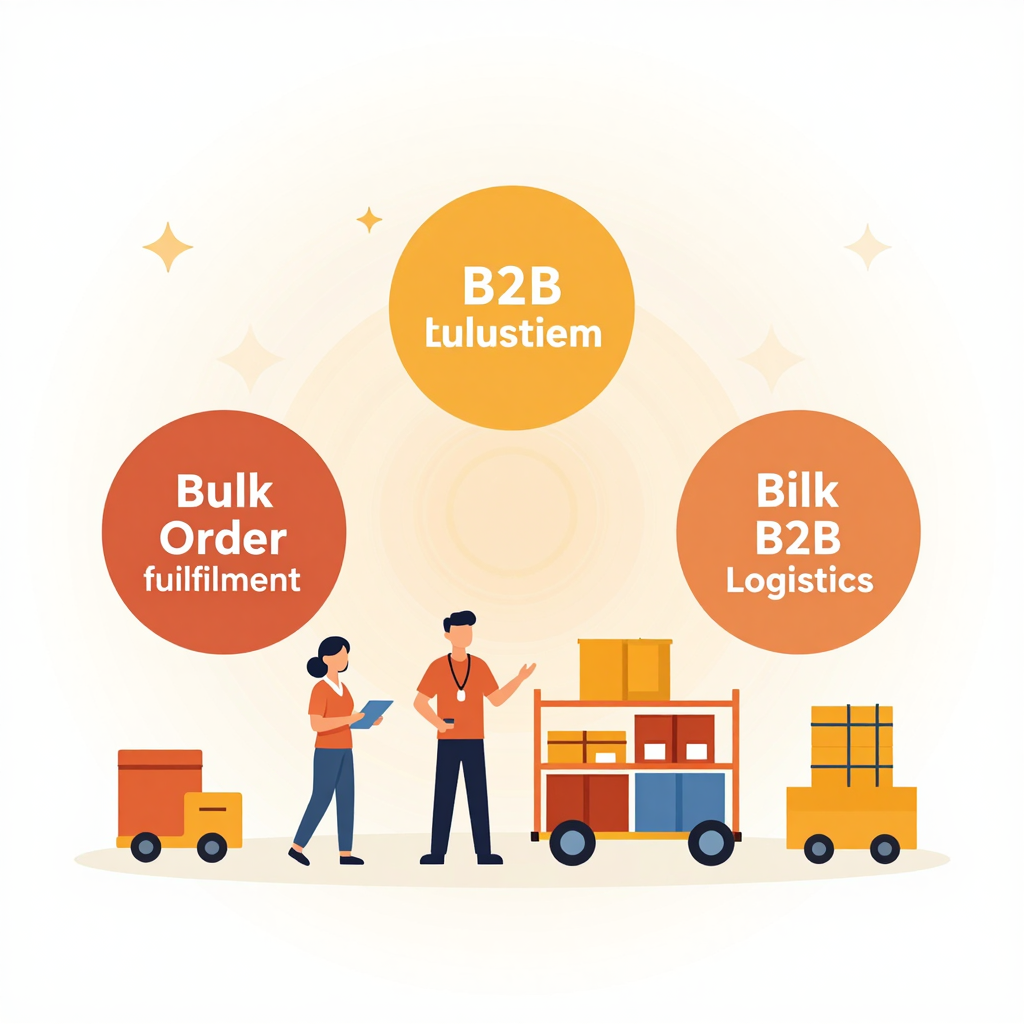
Bulk Order Fulfillment Strategy for Efficient B2B Logistics
Bulk Order Fulfillment Strategy for B2B Logistics: Driving Growth in Wholesale and D2B Businesses
Estimated reading time: 7 minutes
Key Takeaways
- Mastering bulk order fulfillment logistics is essential for scaling operations in B2B markets.
- Optimized warehouse management and custom packaging are crucial for efficiency.
- Integrated logistical processes enhance coordination and reduce errors.
- Leveraging data analytics improves inventory management and forecasting.
- Future trends include automation, sustainability, and enhanced visibility in supply chains.
Table of Contents
- Introduction
- Why Bulk Order Fulfillment Matters in B2B Logistics
- Case Study 1: Scaling Warehouse Operations for a National Wholesale Supplier
- Case Study 2: Optimizing Distribution Network for a D2B Industrial Supplier
- Benefits of Dedicated Bulk Fulfillment Logistics Solutions
- Practical Steps to Build a Winning Bulk Order Fulfillment Strategy
- Future Trends in Bulk Order Fulfillment for B2B Logistics
- FAQ
- Conclusion
Introduction
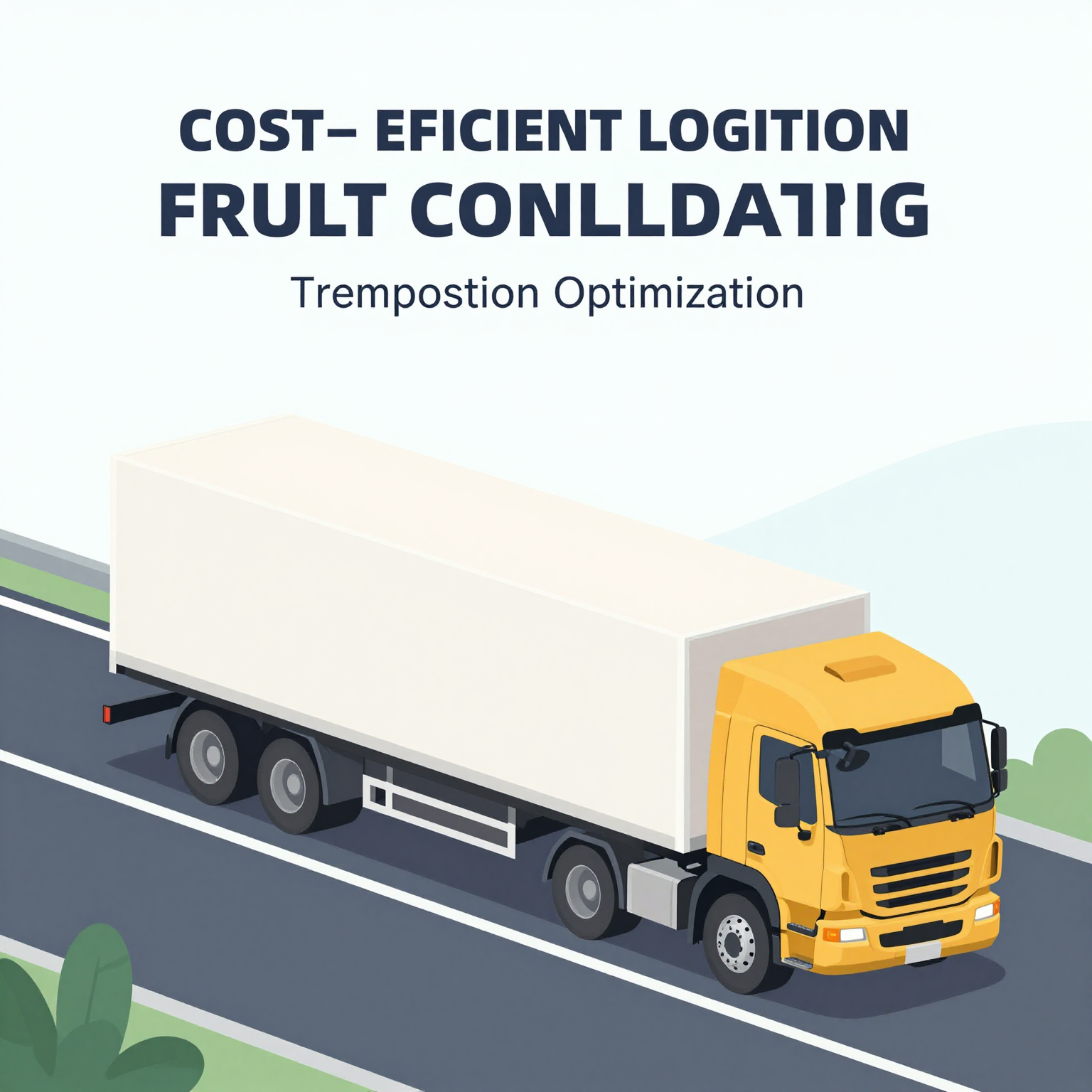
In today’s fast-evolving B2B landscape, bulk order fulfillment strategy in B2B logistics is no longer optional—it’s a necessity. As wholesale and direct-to-business (D2B) models expand globally, companies face the growing challenge of managing large-volume shipments efficiently. Unlike retail logistics, handling bulk orders requires specialized methods that reduce costs, improve speed, and maintain the highest service quality. This is especially pertinent in markets like India, where B2B commerce surged by nearly 20% annually and is projected to continue growing robustly on a global scale.
Businesses that master bulk fulfillment logistics position themselves to capitalize on this booming demand, scale operations swiftly, and deliver consistently excellent customer experiences. In this article, we’ll explore the key components of winning bulk order fulfillment strategies, backed by compelling case studies from leading wholesale and D2B suppliers. We aim to show how smart logistics solutions solve common bottlenecks, reduce operational costs, and increase client satisfaction—empowering your business to grow profitably in the wholesale and D2B domains.
Why Bulk Order Fulfillment Matters in B2B Logistics
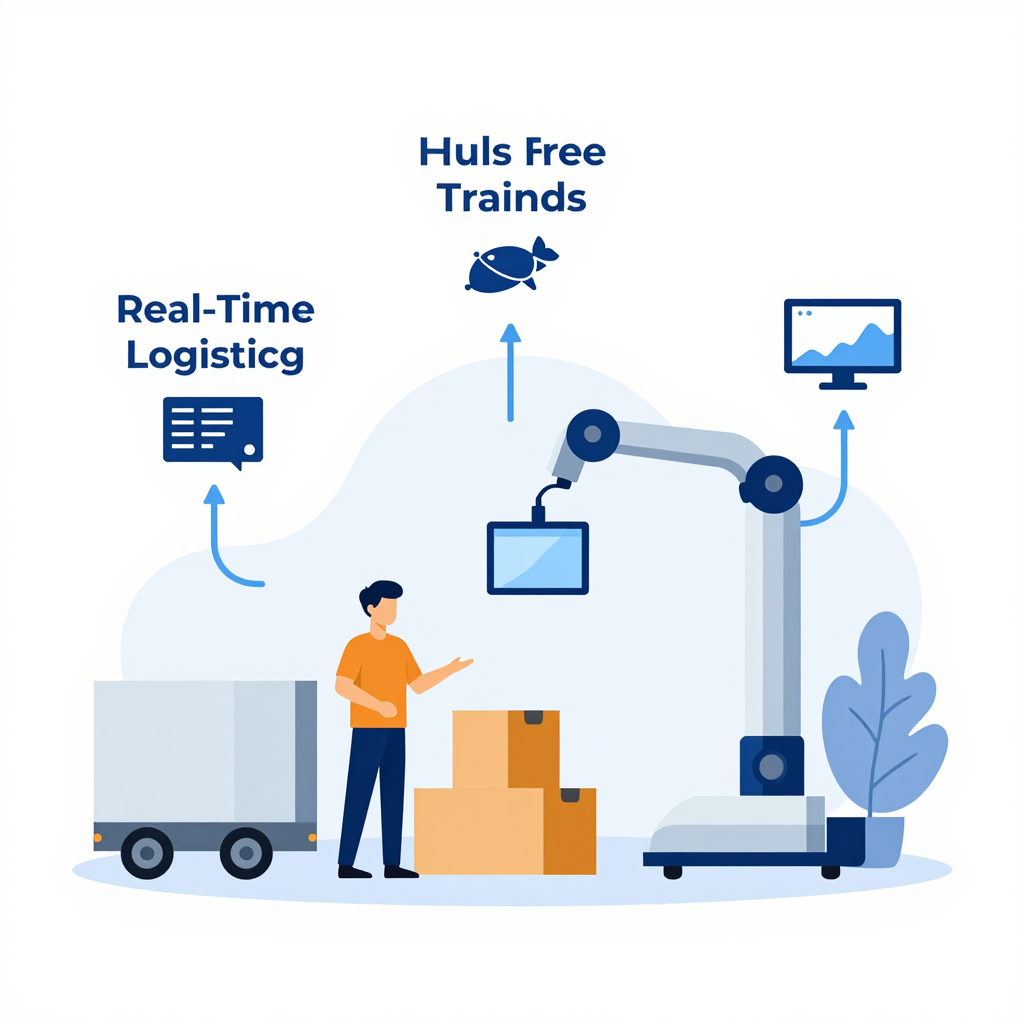
Bulk orders in B2B differ fundamentally from B2C fulfillment due to volume, complexity, and client expectations. Here are the critical reasons why a tailored bulk order fulfillment strategy (B2B logistics) is indispensable:
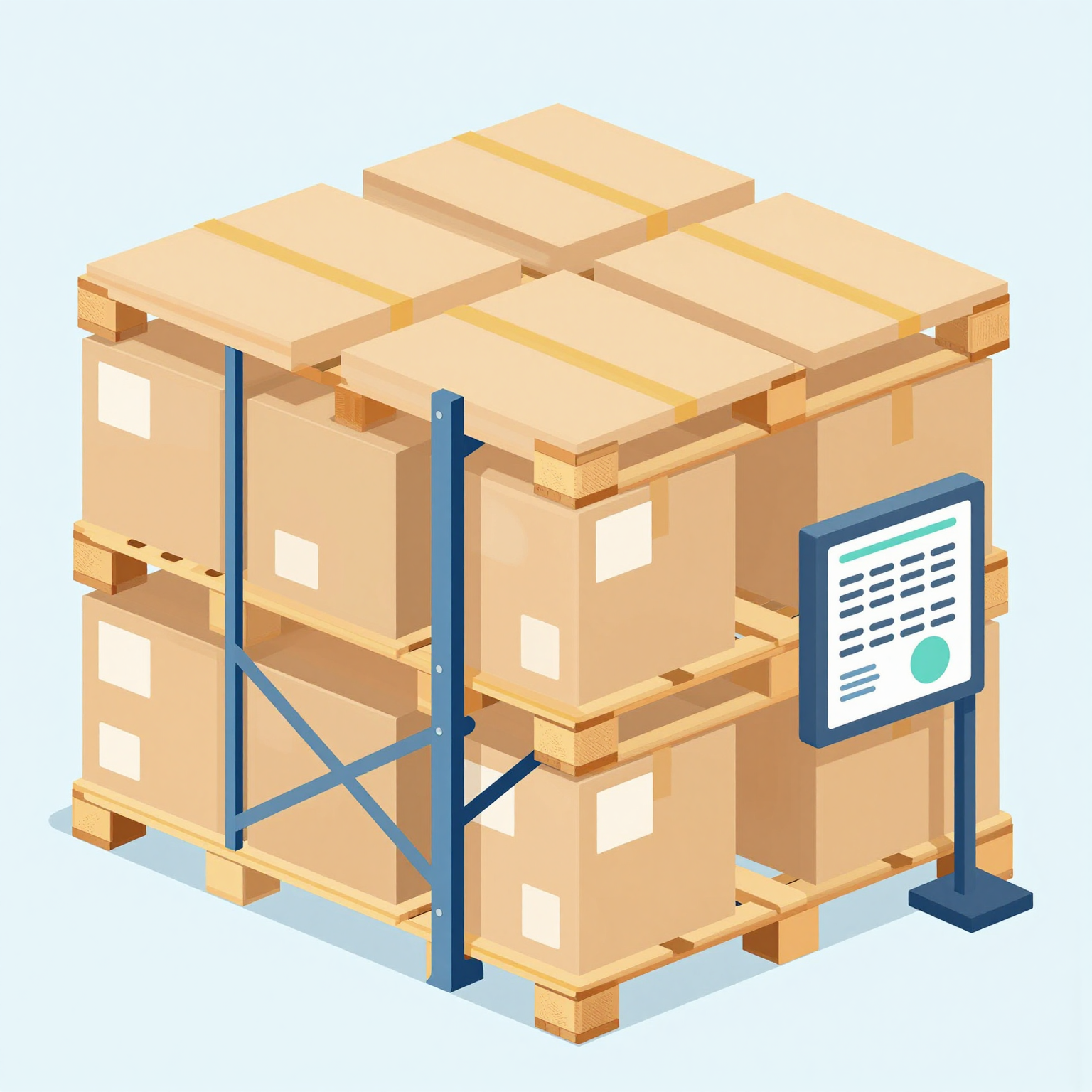
- High volume handling: Bulk shipments often consist of pallets or truckloads, requiring specialized warehouse storage and equipment.
- Precision and speed: Delays or errors in bulk shipments can disrupt production or retail stocking downstream.
- Cost control: Transportation for bulk goods needs optimization to prevent escalating freight charges.
- Greater coordination: Synchronizing order processing with suppliers, carriers, and buyers is vital for smooth operations.
Without robust systems in place—such as advanced Warehouse Management Systems (WMS), custom packaging solutions, and consolidated freight networks—businesses risk inefficiency, lost revenue, and damaged client trust.
Key Features of Effective Bulk Order Fulfillment
- Optimized Warehouse Management: Real-time tracking and batch processing accelerate order fulfillment and inventory accuracy.
- Custom Packaging & Palletizing: Reduces damages and handling time, adapting to the unique needs of bulky shipments.
- Integrated Order Processing: Seamlessly connects sales, warehouse, and logistics teams.
- Transportation Network Optimization: Utilizes freight consolidation and regional fulfillment centers to cut costs and delivery times.
Case Study 1: Scaling Warehouse Operations for a National Wholesale Supplier
Company: Alpha Wholesale Solutions
Challenge: Rapid growth led to a 40% spike in orders quarter-over-quarter, rendering manual picking/packing unsustainable. Delays and rising overheads impaired customer satisfaction.
Solution Implemented:
- Deployed a state-of-the-art WMS with real-time inventory visibility and bulk order batching capabilities.
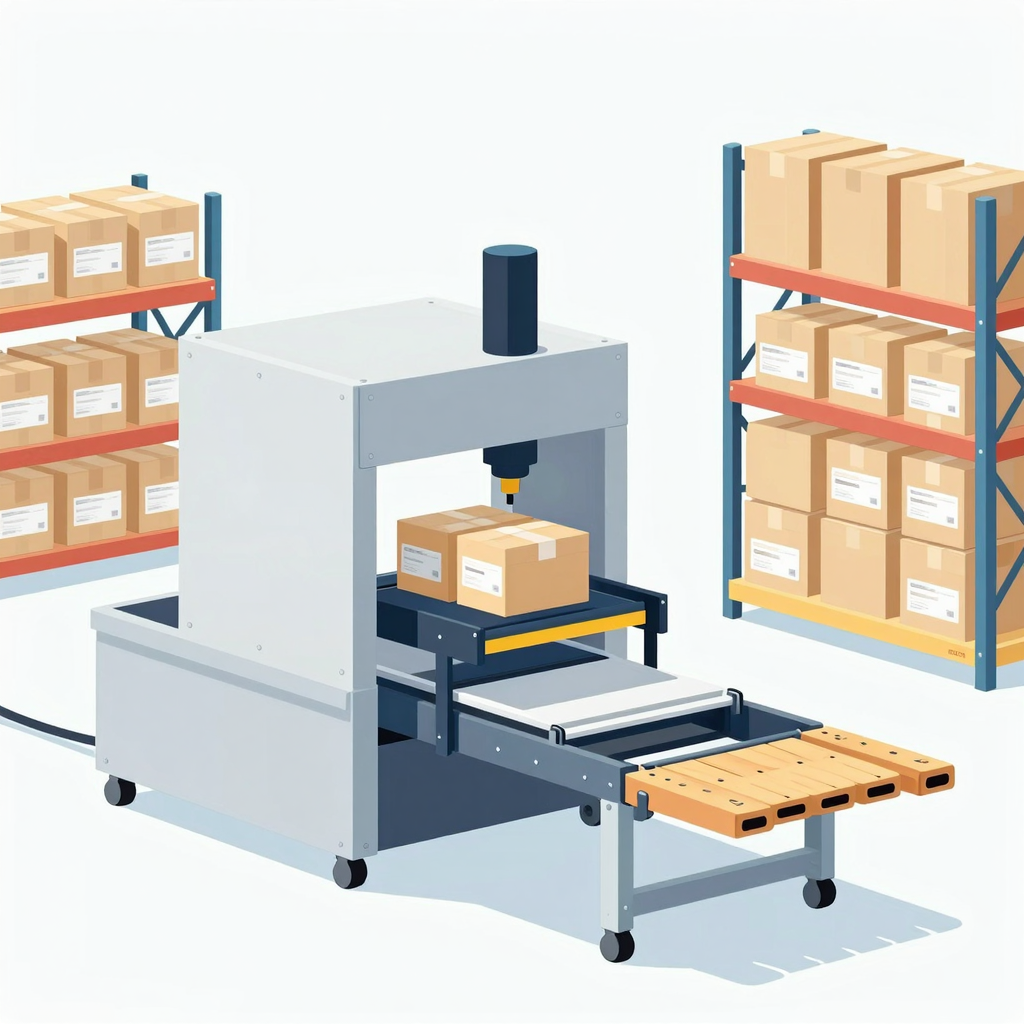
- Automated palletizing machines paired with tailored packaging workflows minimized handling errors.
- Engaged a logistics provider specializing in bulk freight consolidation to optimize transportation.
Impact:
- Order processing was slashed by 50%, doubling throughput capacity.
- Shipping damages dropped 30% thanks to improved packaging standards.
- Freight costs reduced by 20% via consolidated shipments.
- Customer satisfaction scores surged, increasing repeat orders and loyalty.
Alpha Wholesale’s transformation illustrates how integrating technology and specialized logistics partners drives scalable, cost-efficient bulk fulfillment. Their agile strategy prepared them for further market expansion without compromising quality.
Case Study 2: Optimizing Distribution Network for a D2B Industrial Supplier
Company: Beta Industrial Supplies
Problem: Fragmented delivery routes forced costly expedited freight on large orders to meet strict project timelines.
Strategic Enhancements:
- Established regional bulk fulfillment centers closer to major customer clusters.
- Leveraged data analytics tools to forecast demand and optimize inventory allocation across sites.
- Contracted third-party bulk freight carriers focusing on multimodal transport solutions.
Business Outcomes:
- Average delivery time reduced from 7 days to 3 days.
- Freight expenses dropped by 25% through smarter route planning and localized fulfillment.
- Supply chain visibility improved, allowing proactive communication with clients about order status.
By redesigning the distribution network, Beta Industrial achieved both cost efficiency and superior service reliability—key to strengthening their position in the highly competitive industrial supplier market.
Benefits of Dedicated Bulk Fulfillment Logistics Solutions
For wholesale and D2B businesses, bulk logistics solutions unlock crucial competitive advantages:
- Cost Efficiency: Freight consolidation and optimized networks lower overall transportation expenses.
- Speed & Reliability: Streamlined processing and regional hubs ensure faster, dependable deliveries.
- Error Reduction: Automation reduces picking, packing, and shipping mistakes that plague manual processes.
- Scalability: Flexible logistics frameworks accommodate demand surges without operational disruption.
- Enhanced Customer Experience: Timely, intact deliveries foster deeper B2B client trust and repeat business.
These benefits translate directly into improved profit margins and stronger, long-term customer relationships—both vital for sustained growth in wholesale and D2B sectors.
Practical Steps to Build a Winning Bulk Order Fulfillment Strategy
Implementing an effective bulk fulfillment strategy can seem complex, but breaking it down into actionable steps helps:
- Assess Current Logistics Capabilities: Identify weaknesses in warehouse operations, order processing, and transport.
- Invest in Advanced Warehouse Technology: Adopt WMS and automation tools tailored for bulk inventory and order batches.
- Design Custom Packaging & Palletization: Develop packaging standards that optimize shipment integrity and handling.
- Optimize Transportation: Collaborate with bulk freight carriers, consolidate loads, and redesign distribution routes.
- Leverage Data Analytics: Use forecasting and real-time tracking to align inventory with demand and optimize fulfillment timing.
- Establish Regional Fulfillment Centers: Decentralize inventory locations to reduce delivery distances and lead times.
- Collaborate Closely With Logistics Partners: Ensure seamless communication and agility in managing shipments and problem-solving.
- Monitor KPIs and Iterate: Track order accuracy, delivery times, costs, and customer feedback to continuously improve.
Following these steps equips wholesale and D2B enterprises to scale operations efficiently and maintain high service standards.
Future Trends in Bulk Order Fulfillment for B2B Logistics
The B2B fulfillment landscape is evolving rapidly, driven by technology and changing customer expectations:
- Automation & Robotics: Increasing warehouse automation will reduce labor costs and errors.
- AI-Powered Demand Forecasting: Artificial intelligence and machine learning will enhance inventory accuracy.
- Sustainable Logistics: Greater emphasis on eco-friendly packaging and low-emission freight options.
- Real-Time Visibility: Integrated IT systems will provide end-to-end tracking for improved transparency.
- Flexible, On-Demand Warehousing: Use of shared warehouse spaces to manage seasonal or sudden demand spikes.
Staying ahead means embracing innovation and partnering with forward-thinking logistics providers to future-proof bulk order fulfillment strategies.
FAQ
Q1: How does bulk order fulfillment differ from regular B2C order fulfillment?
Bulk fulfillment focuses on large-volume shipments requiring specialized handling, custom packaging, and transportation optimization, unlike individualized consumer orders.
Q2: What are some common challenges in bulk order fulfillment for B2B?
Challenges include managing high inventory volumes, coordinating complex supply chains, reducing shipping damages, and controlling freight costs.
Q3: How can technology improve bulk order fulfillment?
Technologies like Warehouse Management Systems (WMS), automation, and data analytics streamline inventory accuracy, speed processing, and optimize delivery routes.
Q4: Is outsourcing logistics beneficial for bulk fulfillment?
Yes, partnering with specialized logistics providers can improve efficiency, reduce costs, and provide expertise in handling bulk shipments.
Q5: What industries benefit most from bulk order fulfillment?
Industries such as wholesale distribution, industrial supplies, manufacturing, and retail resellers vastly benefit from efficient bulk logistics.
Conclusion
Implementing a robust bulk order fulfillment strategy in B2B logistics is a proven growth enabler for wholesale and D2B businesses. By embracing advanced technology, streamlining warehouse operations, and optimizing transportation networks, companies can cut costs, enhance delivery speed, and boost customer loyalty. Real-world examples from Alpha Wholesale and Beta Industrial demonstrate that investing in tailored bulk logistics solutions drives both operational excellence and market expansion.
If your wholesale or D2B business aims to scale sustainably and outpace competitors, now is the time to transform your bulk fulfillment approach. Contact us today to explore customized logistics solutions designed to meet your unique needs—empowering your growth with reliable, cost-effective bulk order fulfillment.
Recent Blog

Top Logistics Trends Every D2C Brand Must Know in 2026
Top Logistics Trends Every D2C Brand Should Know in 2026:…
How Generative AI Cuts Logistics Costs with Smart Automation
How Generative AI Is Reducing Logistics Costs: Unlocking Smart Automation…

Dark Stores vs Warehouses: Who Wins in 2026 Quick Commerce?
Dark Stores vs Warehouses: Which Model Wins in 2026? Estimated…
