 :
:  :
: 
Centralized vs Distributed Warehousing Benefits for Businesses
The Benefits of Centralized vs Distributed Warehousing: A Comparison Guide for Businesses Evaluating Fulfillment Models
Estimated reading time: 6 minutes
Key Takeaways
- Centralized warehousing offers cost efficiency but may sacrifice delivery speed.
- Distributed warehousing enhances customer satisfaction through faster delivery times.
- Choosing the right model depends on order volume, geography, and cost priorities.
- Emerging trends include automation, sustainability, and hybrid models.
- Consultation with logistics experts can clarify the ideal fulfillment strategy.
Table of Contents
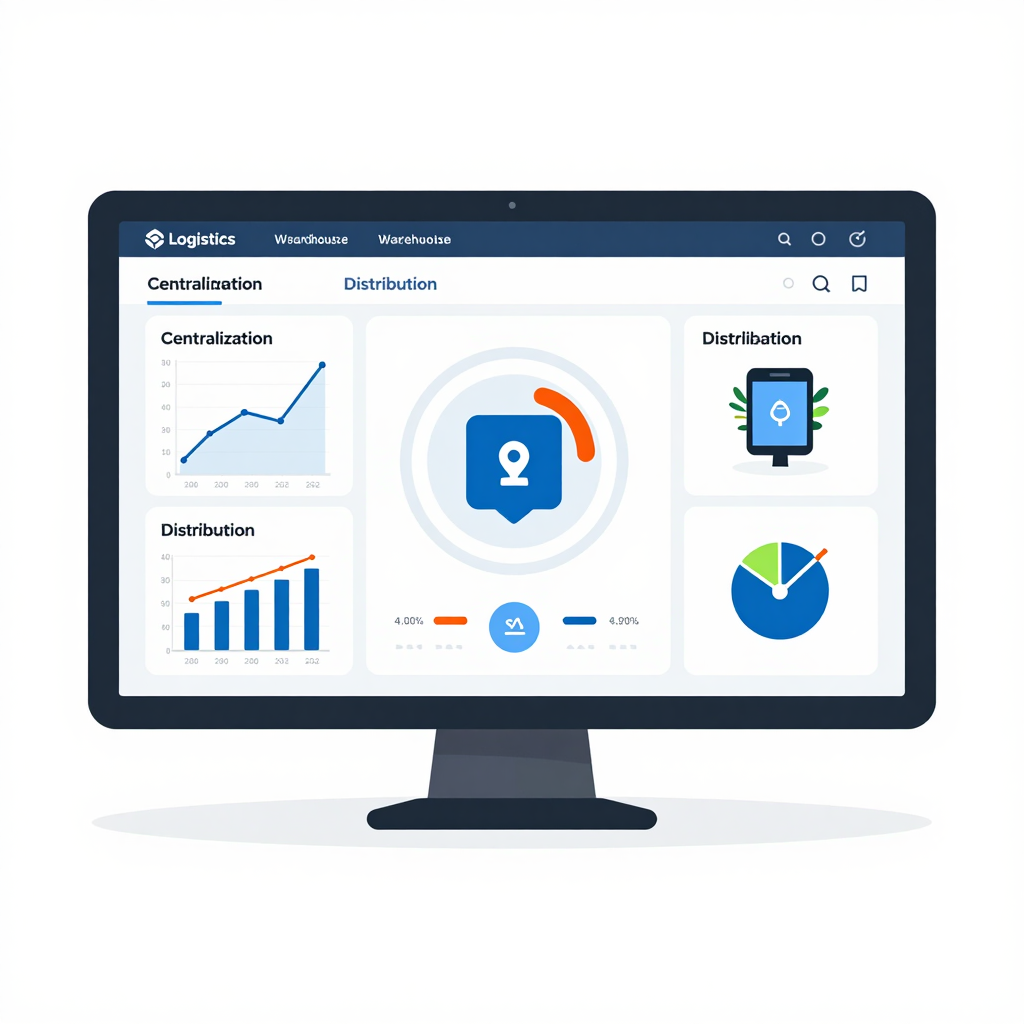
Introduction
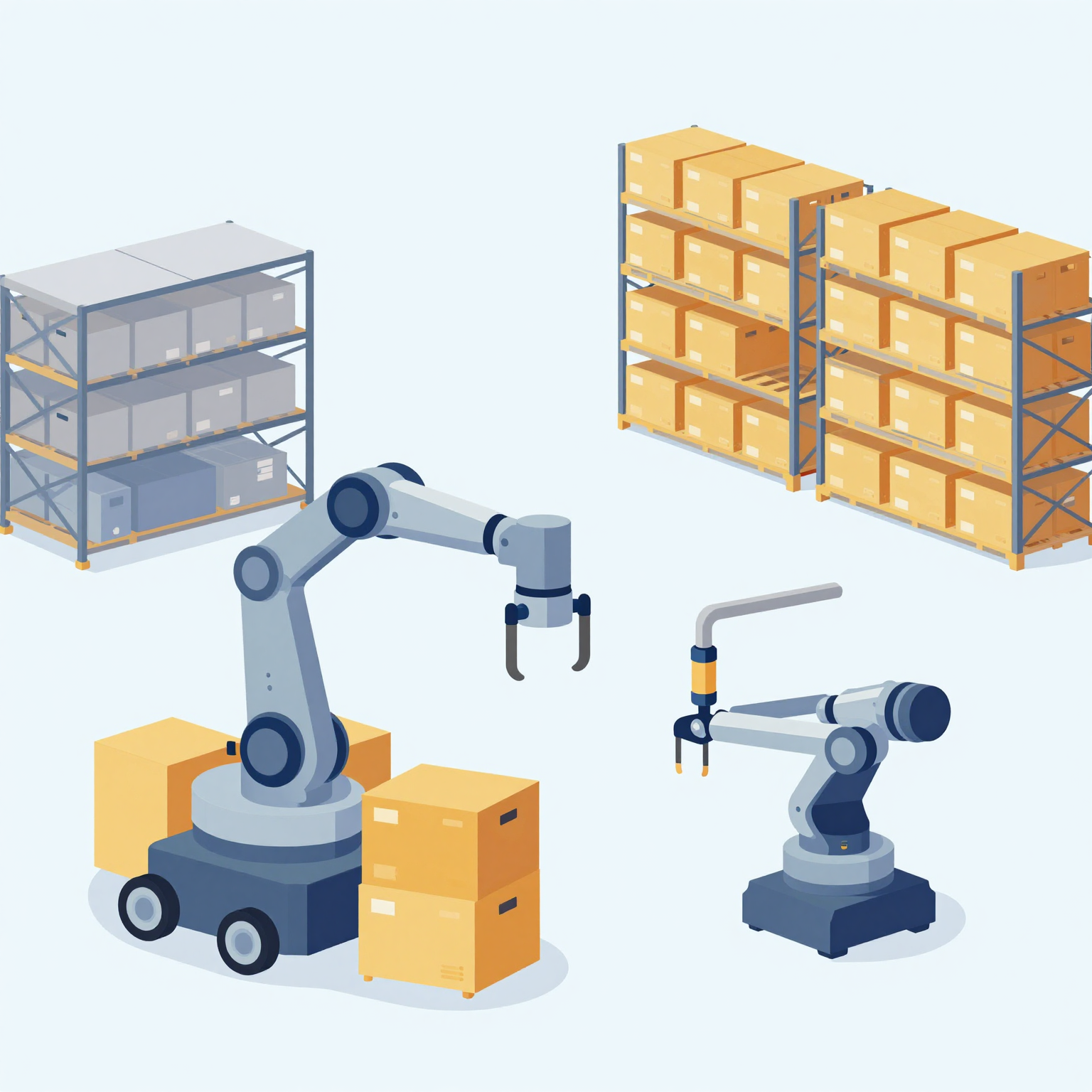
In today’s dynamic supply chain landscape, efficient warehousing strategies are vital for businesses aiming to meet rising customer expectations while managing costs. As businesses scale and customer locations diversify, choosing the right fulfillment model becomes increasingly critical. This is where the debate between centralized vs distributed warehousing comes into play. Which model offers the best balance between cost, speed, and flexibility?
As a trusted logistics advisor, we understand the challenges businesses face when evaluating fulfillment models. This guide unpacks the benefits of centralized versus distributed warehousing to help you make an informed decision for your supply chain strategy. Whether you operate locally in India or manage global markets, this comparison will clarify how each approach can impact your operations, customer satisfaction, and profitability.
We’ll explore key advantages, ideal use cases, and important considerations for selecting a model tailored to your company’s unique needs. Ready to optimize your warehousing strategy? Let’s dive in.
Centralized Warehousing

What Is Centralized Warehousing?
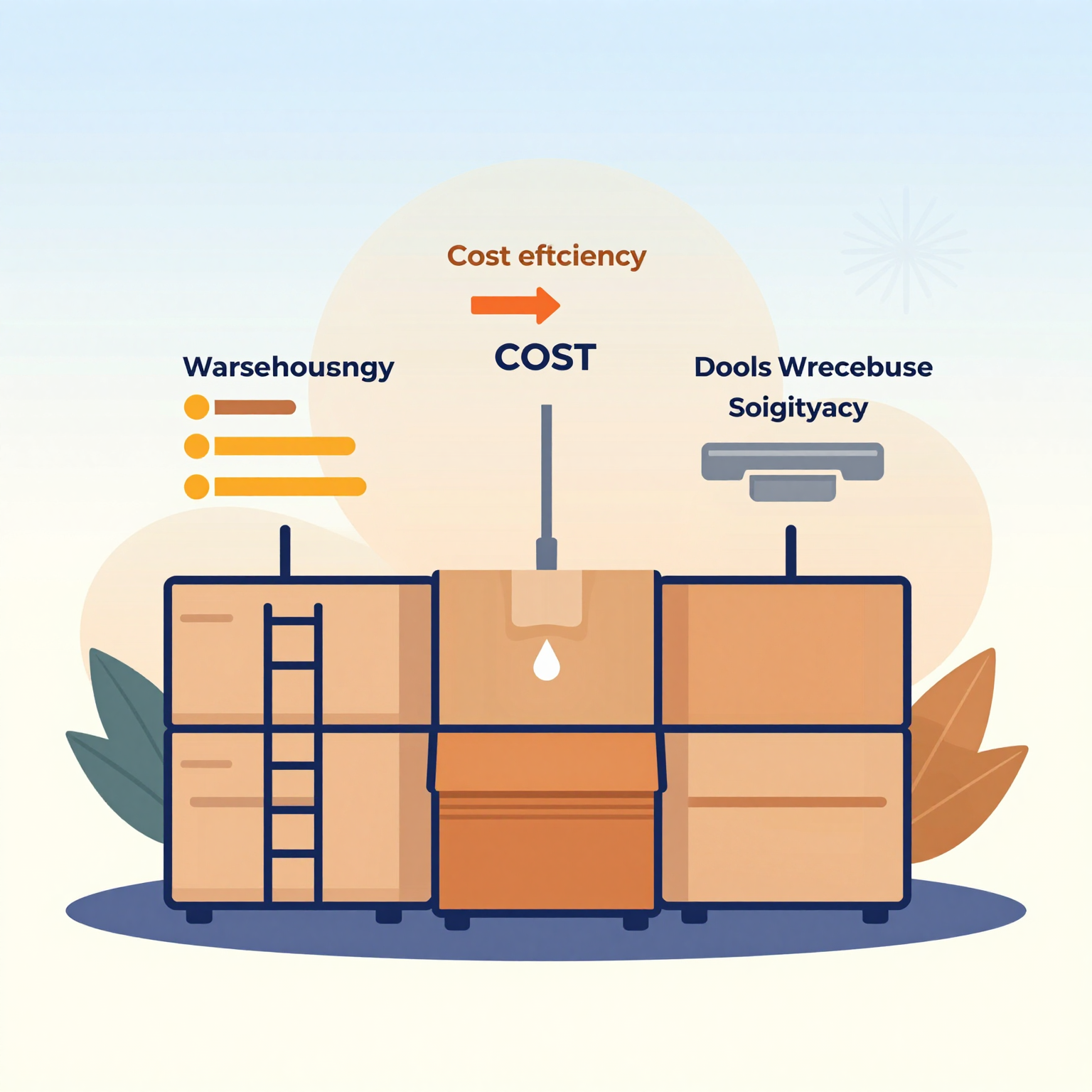
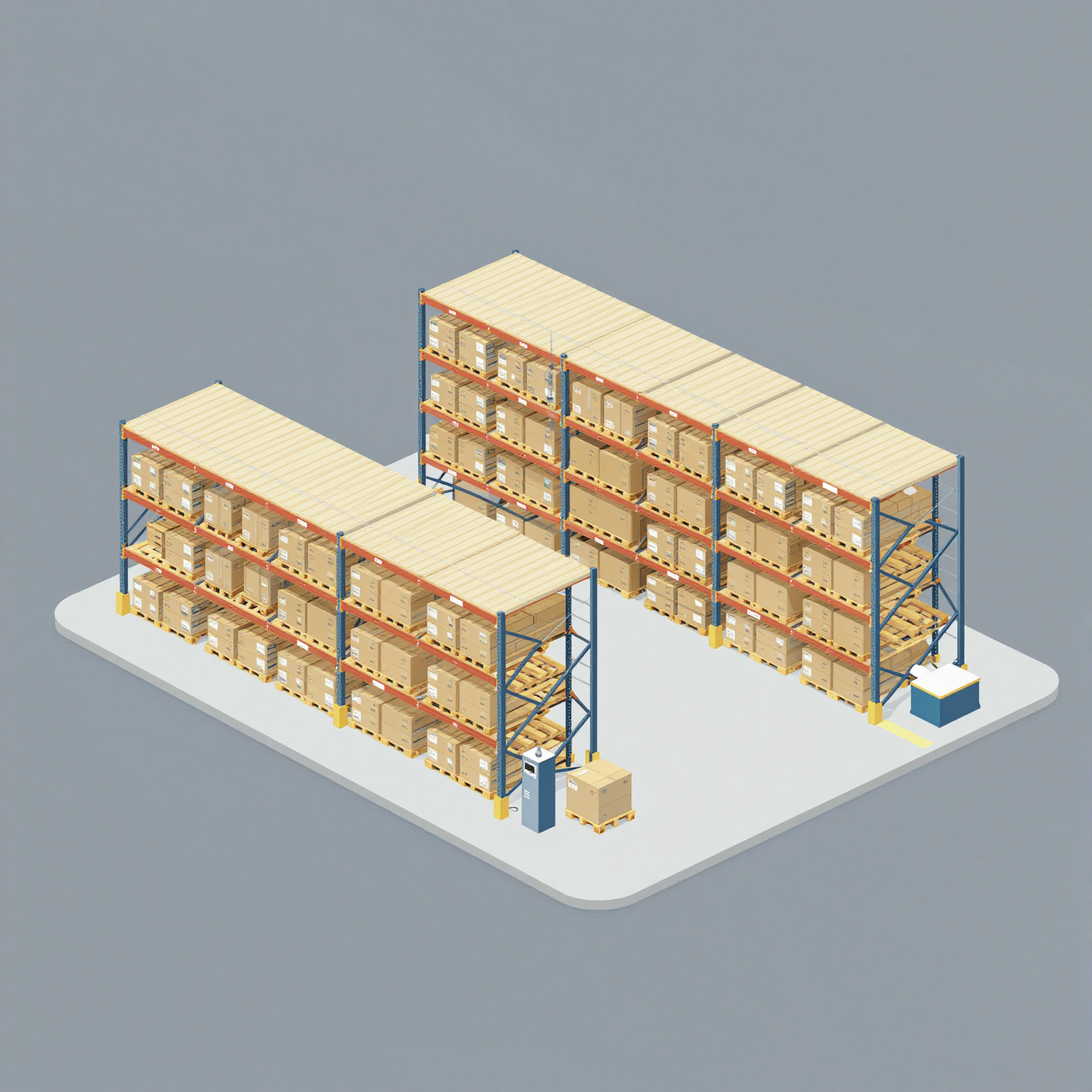
Centralized warehousing consolidates inventory and operations within one or a few large facilities, typically located near the company headquarters or major transportation hubs. This approach pools resources to maximize efficiency at scale.
Key Benefits of Centralized Warehousing
| Benefit | Explanation |
|---|---|
| Cost Efficiency | Lower operational costs due to economies of scale in inventory management, labor, and overhead. |
| Simplified Inventory Control | Easier management of stock levels and reduction in redundant inventories. |
| Streamlined Operations | Uniform processes improve consistency, employee training, and technology application. |
| Bulk Purchasing Power | Consolidated inventory translates into improved supplier negotiations and freight discounts. |
| Reduced Capital Investment | Fewer facilities to build and maintain lowers upfront and ongoing expenses. |
This model works best for businesses with stable demand patterns and fewer SKUs, where the priority is managing costs rather than rapid delivery. Companies serving consolidated regional markets often find centralized warehousing especially beneficial.
Examples of Centralized Warehousing in Practice
- Manufacturing Firms: Often centralize raw materials and finished goods near plants to synchronize production and shipping.
- Wholesale Distributors: Use large central depots to fulfill bulk orders for downstream retailers.
- B2B Suppliers: Benefit from centralized storage as customers place predictable, scheduled orders.
These businesses value cost control and process efficiency, though delivery lead times are longer compared to decentralized systems.
Distributed Warehousing
What Is Distributed Warehousing?
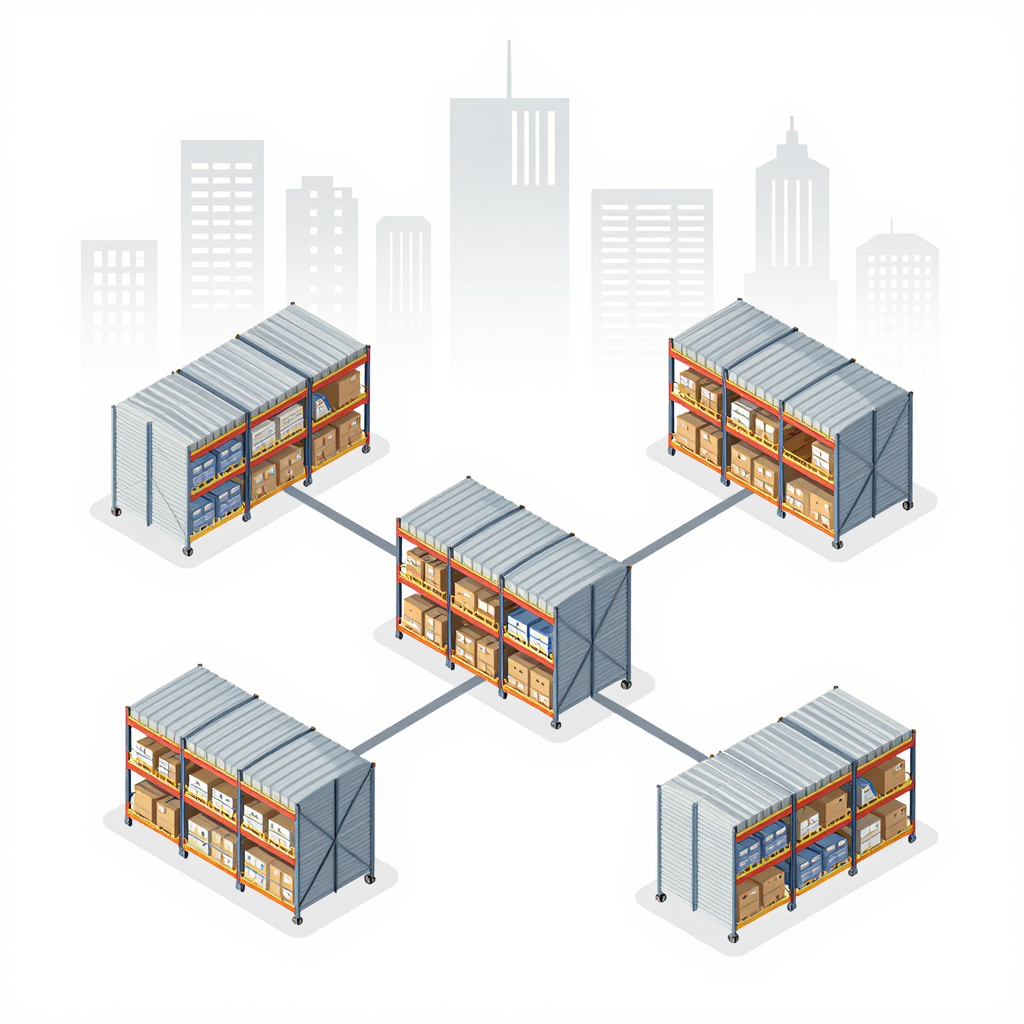
Distributed warehousing involves multiple smaller warehouses positioned strategically near major customer clusters or regional demand centers. This decentralization aims to bring inventory closer to end customers.
Key Benefits of Distributed Warehousing
| Benefit | Explanation |
|---|---|
| Faster Delivery Times | Proximity to customers enables quick order fulfillment, boosting satisfaction. |
| Reduced Transportation Costs | Shorter last-mile deliveries cut shipping costs and reduce environmental impact. |
| Increased Flexibility | Warehouses can adapt inventory levels based on local demand shifts. |
| Business Continuity | Minimizes risk by spreading inventory, reducing disruption from localized incidents. |
| Enhanced Customer Service | Enables accurate lead times and efficient returns management. |
Distributed warehousing suits businesses with high SKU variety, expansive geographic customer bases, and a focus on rapid, reliable delivery. It’s especially vital for e-commerce firms and retailers aiming to meet same-day or next-day delivery promises.
Real-World Distributed Warehousing Examples
- E-commerce Giants: Amazon’s network of fulfillment centers globally enables lightning-fast delivery.
- Consumer Goods: Brands storing near metropolitan hubs to reach urban customers quickly.
- Pharmaceutical Companies: Maintaining regional warehouses to comply with regulations and respond fast.
Though operational and shipping costs can be higher in this model, the premium on customer experience often justifies the expense.
How to Choose the Right Warehousing Model
| Consideration | Centralized Warehouse | Distributed Warehouse |
|---|---|---|
| Order Volume & Frequency | High and predictable demand | Variable, regional spikes |
| Shipping Speed Requirements | Moderate delivery time acceptable | Fast delivery, often same or next day |
| Inventory Variety | Limited SKUs with rapid turnover | Wide SKU range with regional inventory needs |
| Cost Priorities | Lower operational costs prioritized | Customer experience over cost savings |
| Market Geography | Local or consolidated markets | National/global coverage with dispersed customers |
Step-by-Step Guide to Making the Choice
- Assess Customer Locations: Map where most orders come from and delivery expectations.
- Analyze SKU Complexity: Understand your product range and inventory turnover rates regionally.
- Calculate Cost Implications: Weigh warehousing costs against shipping and last-mile delivery expenses.
- Evaluate Demand Variability: Identify seasonal or regional demand fluctuations.
- Consider Risk Tolerance: Decide how much supply chain disruption risk you can manage.
- Factor in Technology Needs: Assess if you can support complex distributed inventory systems.
- Project Future Growth: Plan scalability and potential market expansion.
- Consult with Experts: Engage a logistics advisor to validate your strategy with data-driven insights.
Future Trends in Warehousing
The warehousing landscape is evolving rapidly, driven by technology and shifting consumer expectations:
- Hybrid Models: Many businesses adopt a mix of centralized and distributed warehouses to balance cost and service.
- Automation & Robotics: Advanced tech lowers operational expenses even in distributed setups.
- Sustainability Focus: Reduced transportation emissions by locating warehouses near customers.
- Data Analytics: Real-time data optimizes inventory allocation across multiple warehouses.
- Urban Warehousing: Smaller fulfillment centers inside cities support hyperlocal deliveries.
Keeping abreast of these trends enables companies to adapt their warehousing strategies proactively.
FAQ
What is the biggest advantage of centralized warehousing?
The primary benefit is cost efficiency through economies of scale and simplified inventory management.
When is distributed warehousing better?
Distributed warehousing is ideal for businesses needing fast, local delivery and handling a diverse, regional product range.
Can companies combine both models?
Yes. A hybrid approach can leverage the best of both, centralizing some inventory while distributing others near markets.
Conclusion
Understanding the benefits of centralized vs distributed warehousing is essential for businesses evaluating fulfillment models. Centralized warehousing excels in cost efficiency and simplified management but may sacrifice delivery speed. Distributed warehousing prioritizes fast order fulfillment and customer proximity, often at higher operational costs.
By considering order volume, SKU diversity, delivery speed requirements, market geography, and cost priorities, you can identify the optimal strategy for your company’s logistics needs. As your trusted logistics advisor, we’re here to help you analyze your current operations, forecast demand shifts, and design a warehousing strategy that balances cost control with outstanding customer service.
Contact us today for a customized evaluation and fulfillment strategy that positions your business for scalable success.
Recent Blog

Top Logistics Trends Every D2C Brand Must Know in 2026
Top Logistics Trends Every D2C Brand Should Know in 2026:…
How Generative AI Cuts Logistics Costs with Smart Automation
How Generative AI Is Reducing Logistics Costs: Unlocking Smart Automation…

Dark Stores vs Warehouses: Who Wins in 2026 Quick Commerce?
Dark Stores vs Warehouses: Which Model Wins in 2026? Estimated…
