 :
:  :
: 
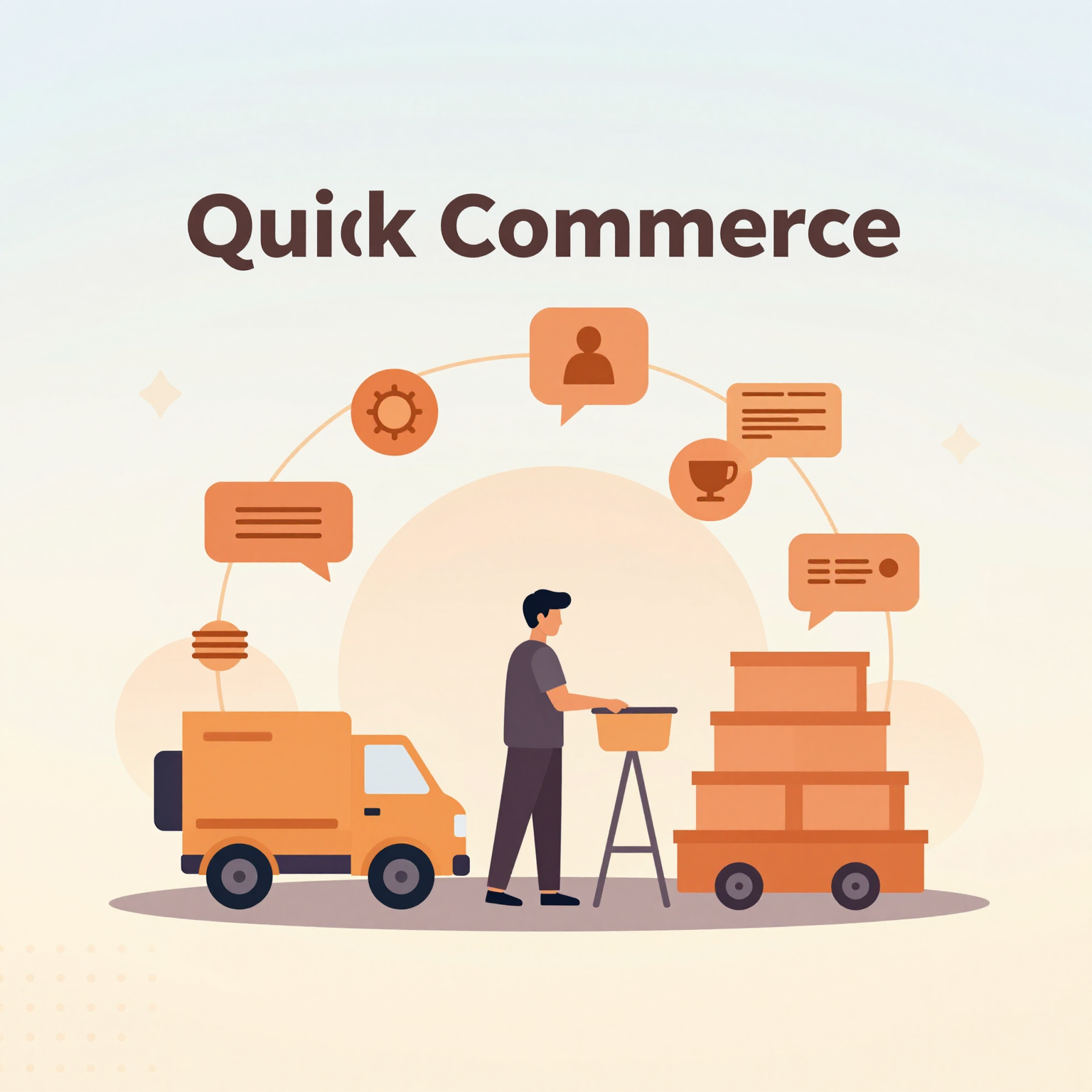
Quick Commerce vs Traditional eCommerce Logistics Challenges
Quick Commerce vs Traditional eCommerce: Logistics Challenges Explained
Estimated reading time: 8 minutes
Key Takeaways
- Consumer demands are shifting towards faster delivery options.
- Quick commerce is best suited for smaller, urgent purchases.
- Traditional eCommerce remains vital for larger, less time-sensitive goods.
- Understanding logistics networks is essential for optimizing delivery models.
- Companies must adapt technology and infrastructure for competitive advantage.
Table of Contents
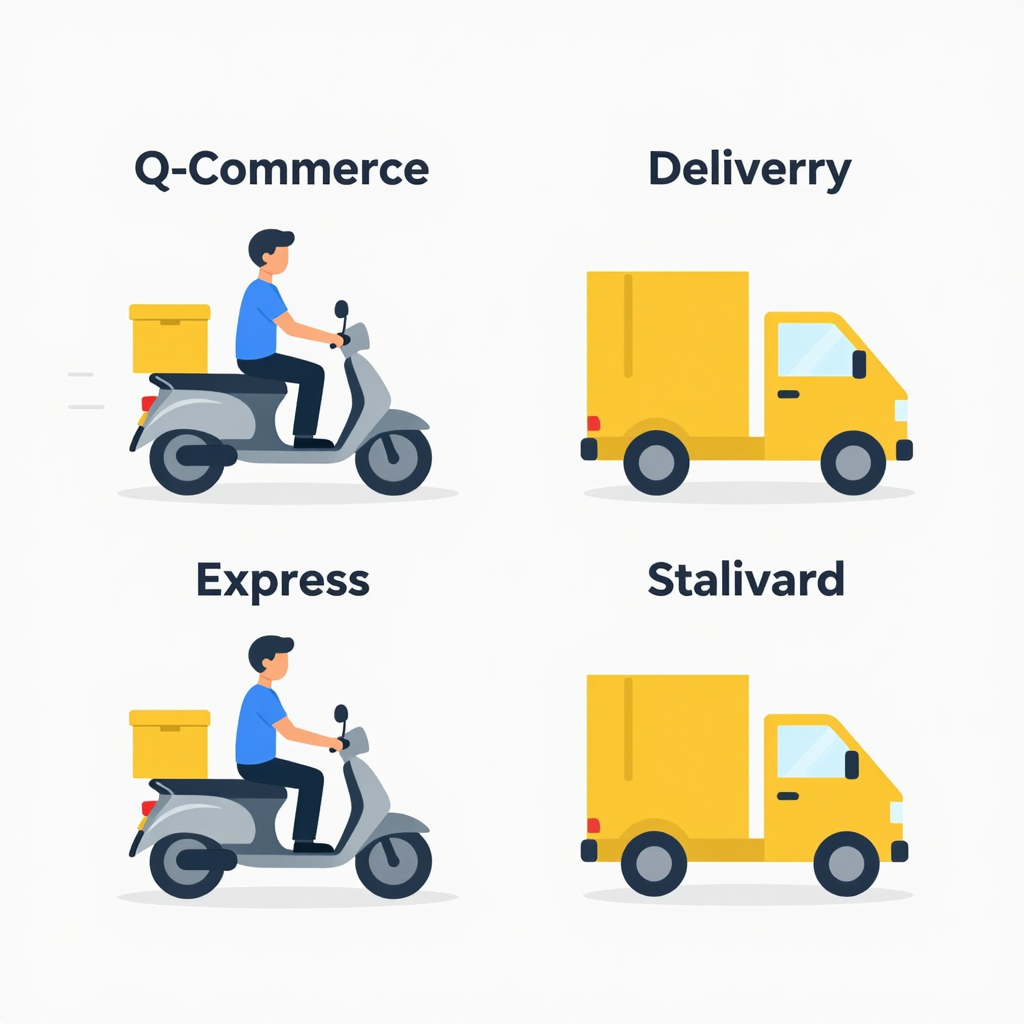
Introduction
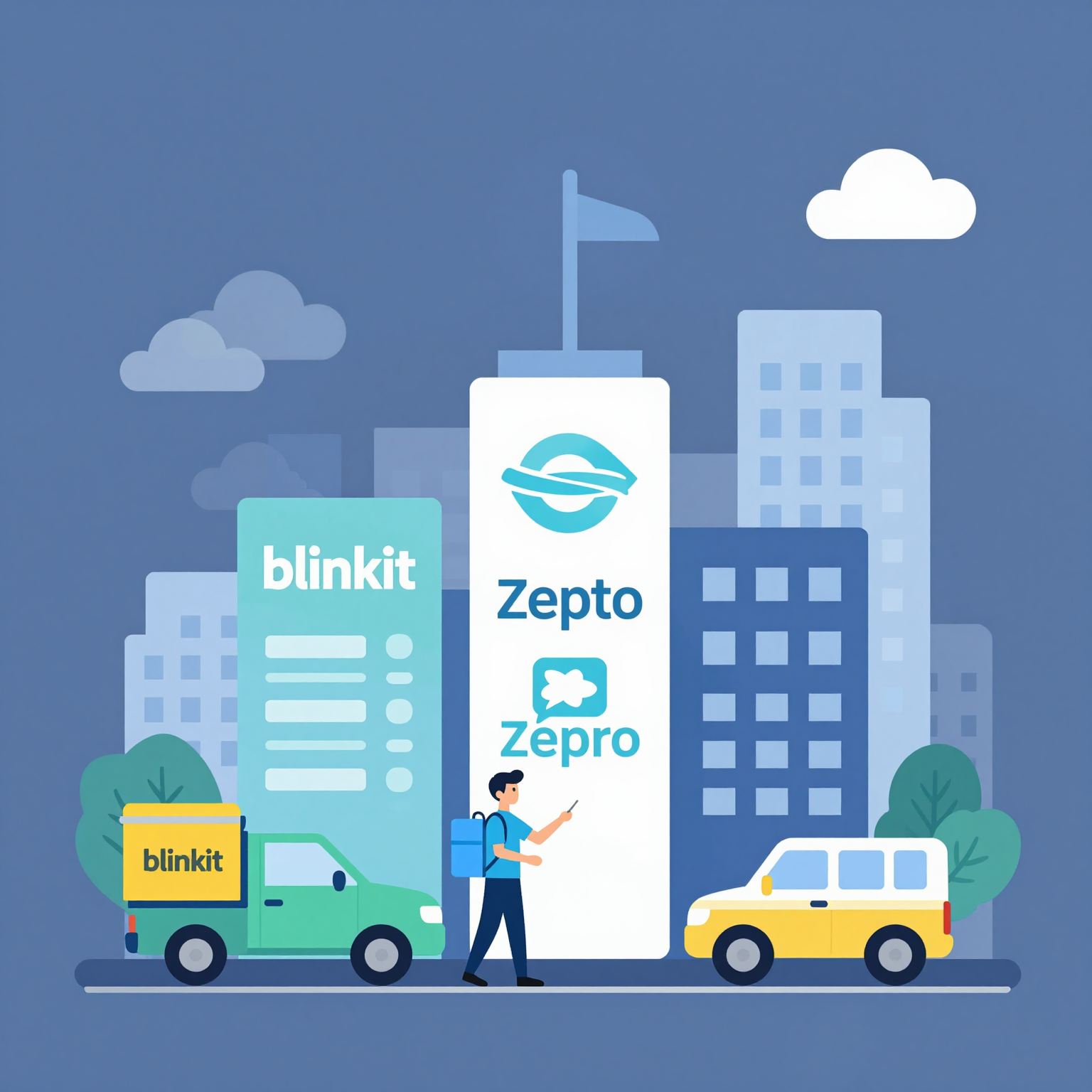
In today’s fast-paced world, Quick Commerce vs Traditional eCommerce stands as one of the most critical debates in the retail and logistics industries. Consumers increasingly demand instant gratification, pushing businesses to rethink how products reach their doorsteps. Companies like Blinkit, Zepto, and Instamart are pioneers of the hyperlocal and express delivery models, transforming urban grocery shopping and essentials delivery in India and beyond. Meanwhile, traditional eCommerce continues to hold a vital place for larger, less time-sensitive purchases, relying on established centralized warehouse systems and batch logistics.
This article dives deep into understanding the logistics challenges distinguishing quick commerce from traditional eCommerce, compares leading delivery models, and explores how hyperlocal and express services shape customer experiences. Whether you are a retailer, logistics specialist, or an enthusiastic consumer, unraveling these differences provides valuable insights into the future of online shopping logistics.
Quick Commerce vs Traditional eCommerce: Overview and Logistics Challenges
Understanding the stark contrasts between Quick Commerce (Q-Commerce) and traditional eCommerce is crucial to appreciating the operational complexities behind each model.
| Aspect | Quick Commerce (Q-Commerce) | Traditional eCommerce |
|---|---|---|
| Delivery Speed | Ultra-fast delivery: 10-30 minutes | Standard delivery: 1-7 days |
| Order Value | Typically smaller, frequent orders | Larger orders, less frequent |
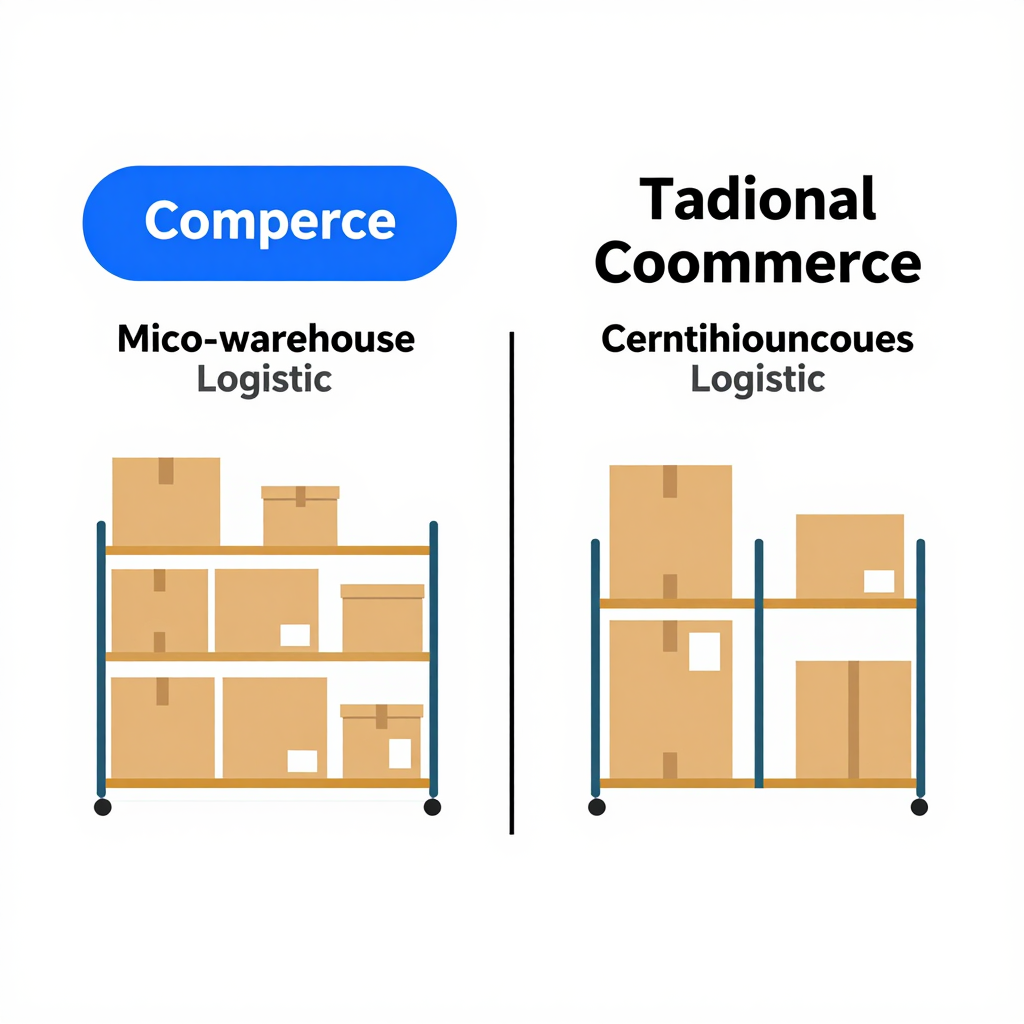
| Inventory Location | Decentralized micro-warehouses (dark stores) located close to customers | Centralized warehouses or large fulfillment centers |
| Order Fulfillment | Requires real-time inventory updates and faster picking/packing | Longer fulfillment window allows batch processing |
| Logistics Network | Dense, local last-mile delivery network with fleets of bikers/scooters | Broader network including long-haul transportation, couriers |
| Operational Complexity | High due to need for quick turnaround and high order frequency | Lower complexity with predictable workflows |
| Delivery Costs | High per delivery due to speed and small order size | Economies of scale reduce cost per delivery |
| Technology Requirement | Advanced route optimization, live order tracking, real-time stock syncing | Warehouse management, demand forecasting, order batch processing |
| Customer Expectation | Immediate gratification, minimal waiting | Flexible delivery windows, scheduled deliveries |
| Return Handling | Limited or streamlined returns due to perishable or daily essentials | Standard return policies, higher return handling complexity |
From micro-warehouses nestled in urban neighborhoods to the sprawling fulfillment centers shipping bulk orders nationwide, these differences define the logistics landscape of online shopping today.
The Rise and Growth of Blinkit, Zepto & Instamart
In recent years, the rapid growth of players like Blinkit, Zepto, and Instamart has redefined the Indian quick commerce sector. These companies are challenging the traditional models with innovative logistics and aggressive operational strategies.
| Company | Business Model | Growth Drivers | Key Challenges |
|---|---|---|---|
| Blinkit | Q-Commerce grocery delivery | Strong metro presence, aggressive expansion, app UX | Scalability, maintaining freshness, logistics efficiency |
| Zepto | Instant grocery delivery (~10-min model) | Heavy investment in micro-warehouses, tech innovation | High burn rate, last-mile delivery challenges |
| Instamart | Hyperlocal quick grocery delivery | Strategic partnerships (Swiggy), integration with delivery infrastructure | Inventory management, delivery radius optimization |
These companies rely heavily on urban hyperlocal demand for groceries and daily essentials, utilizing dark stores that act as compact, strategically located fulfillment hubs. The influx of venture capital funding has fueled expansion, although maintaining profitability remains a challenge due to logistics costs and customer retention hurdles.
Comparing Delivery Models: What Works Best?
Choosing the right delivery model depends on product type, consumer expectations, and operational cost structures. Here’s a comparative glance:
| Delivery Model | Description | Pros | Cons |
|---|---|---|---|
| Q-Commerce (Instant delivery) | Orders delivered within 10-30 minutes from micro-warehouses | Highest speed and convenience, taps impulse buying | Very high delivery costs, complex logistics |
| Express Delivery | Delivery within 1-2 hours | Balances speed and cost | Requires significant local inventory and delivery fleet |
| Standard Delivery | 1-7 days delivery from centralized warehouses | Economies of scale, suitable for larger items | Long wait times, lower immediate satisfaction |
Quick commerce excels for time-sensitive essentials like groceries and pharmaceuticals, while express delivery offers a moderate speed solution that fits a broader product mix. Standard delivery is often preferred for non-urgent or bulky purchases where cost-efficiency is prioritized.
Hyperlocal vs Express Delivery: Key Differences Explained
Understanding the distinctions between hyperlocal and express delivery sheds light on how companies optimize for speed and geography:
| Feature | Hyperlocal Delivery | Express Delivery |
|---|---|---|
| Scope | Within a small geographical area (city/area) | Broader than hyperlocal, but faster than standard |
| Inventory Location | Nearby dark stores, neighborhood shops | Local warehouses closer than central, but bigger |
| Order Size | Small, frequent, daily essentials | Medium-sized orders |
| Delivery Time | 10-60 minutes | 1-2 hours |
| Delivery Fleet | Bikes, scooters, foot delivery | Scooters, bikes, sometimes vans |
| Use Case | Grocery, food, pharma | E-commerce parcels, food, grocers with wider range |
Hyperlocal delivery emphasizes proximity, often covering just a few kilometers to meet ultra-fast timelines. Express delivery expands coverage while maintaining speed, necessitating more robust inventory and transportation assets.
5 Steps to Optimize Logistics for Quick Commerce Success
- Invest in Micro-Warehouses: Establish dark stores close to demand hotspots to minimize last-mile delivery time.
- Implement Real-Time Inventory Systems: Sync stock levels meticulously to avoid order cancellations and over-promising.
- Leverage Advanced Route Optimization: Use AI-powered tools to plan efficient delivery routes for bikers and couriers.
- Train Delivery Fleet for Speed & Safety: Equip riders with optimized workflows and safety protocols to ensure fast, reliable deliveries.
- Keep a Pulse on Customer Feedback: Continuously monitor satisfaction rates to refine delivery times and communication.
These steps help reduce operational complexity and fulfill customer expectations in an ultra-competitive quick commerce market.
Benefits and Key Takeaways
- Consumer Convenience: Quick commerce delivers immediate satisfaction, ideal for daily essentials or last-minute needs.
- Urban Market Penetration: Hyperlocal models capitalize on dense urban populations with high purchasing frequency.
- Technology-Driven Efficiency: Real-time tracking and inventory syncing reduce errors and improve transparency.
- Cost-Effectiveness Considerations: While traditional eCommerce benefits from economies of scale, balancing cost and speed remains a key tactic for Q-Commerce players.
- Sustainability Opportunities: Optimized delivery routes and electric fleets can reduce environmental impact in hyperlocal logistics.
Successfully blending speed, cost, and reliability requires ongoing innovation and precise execution.
Future Trends in Quick Commerce and eCommerce Logistics
Looking ahead, several trends will shape logistics dynamics:
- Increased Automation: Robotics and automated picking will further accelerate fulfillment in micro-warehouses.
- Sustainable Delivery Options: Electric vehicles and carbon-neutral delivery services will become the norm.
- AI-Powered Predictive Analytics: Forecasting demand at a hyperlocal level to better manage inventory and fleets.
- Integration of Multiple Delivery Models: Hybrid solutions combining hyperlocal, express, and standard deliveries for optimal coverage.
- Expansion Beyond Urban Areas: As telecom infrastructure improves, quick commerce will extend to tier 2 and 3 cities.
Embracing these innovations is crucial for companies aiming to stay competitive and profitable in the evolving logistics landscape.
Conclusion
The Quick Commerce vs Traditional eCommerce debate highlights not only delivery speed differences but the varying logistics strategies necessary to meet consumer demands. While quick commerce thrives on hyperlocal networks, rapid fulfillment, and technological sophistication, traditional eCommerce continues to leverage its centralized, cost-efficient model for larger orders.
Industry leaders like Blinkit, Zepto, and Instamart exemplify how urban logistics innovation can create new customer experiences, balancing rapid delivery with operational challenges. Understanding and optimizing these models can unlock massive growth potential for businesses navigating the evolving retail and delivery ecosystem.
Contact us today to learn how your business can adapt to these logistics trends and deliver unparalleled customer satisfaction.
FAQ
What is the primary difference between quick commerce and traditional eCommerce?
Quick commerce focuses on ultra-fast delivery (10-30 minutes) using decentralized micro-warehouses, while traditional eCommerce involves centralized warehousing with delivery times ranging from 1 to 7 days.
How do Blinkit, Zepto, and Instamart differ in their logistics approach?
Blinkit emphasizes metro city presence, Zepto invests heavily in tech and micro-warehouses for 10-minute deliveries, and Instamart leverages strategic partnerships and existing delivery infrastructure.
Can hyperlocal and express deliveries coexist?
Yes, hyperlocal delivery focuses on very short distances and super-fast delivery, while express delivery covers a slightly larger area with delivery times between 1 to 2 hours.
Why are delivery costs higher in quick commerce?
Due to small order sizes, frequent deliveries, and the need for speed, quick commerce incurs higher last-mile delivery expenses compared to traditional batch processing in eCommerce.
Related post: How Automation is Revolutionizing eCommerce Logistics
Related post: Top Delivery Apps Transforming Urban Shopping in India
Recent Blog
Top Logistics Trends Every D2C Brand Must Know in 2026
Top Logistics Trends Every D2C Brand Should Know in 2026:…
How Generative AI Cuts Logistics Costs with Smart Automation
How Generative AI Is Reducing Logistics Costs: Unlocking Smart Automation…
Dark Stores vs Warehouses: Who Wins in 2026 Quick Commerce?
Dark Stores vs Warehouses: Which Model Wins in 2026? Estimated…
