 :
:  :
: 

Hidden Costs of Inventory Management on Profitability
The Hidden Costs of Poor Inventory Management: How Overstocking and Stockouts Impact Profitability

Estimated reading time: 7 minutes
Key Takeaways
- Poor inventory management leads to significant financial losses through overstocking and stockouts.
- Overstocking increases holding costs, while stockouts diminish sales and customer loyalty.
- Data-driven inventory management can mitigate risks associated with stock levels.
- Real-world examples from various industries demonstrate the tangible impact of inventory issues.
- Adopting advanced technologies and best practices can transform inventory management into a strategic advantage.
Table of Contents
- Introduction
- The Costly Problem of Overstocking and Stockouts
- How Inventory Management Services Minimize These Risks
- Real-World Examples: Lessons from Various Industries
- Step-by-Step Guide to Optimize Your Inventory Management
- Benefits and Pro Tips for Effective Inventory Management
- Future Trends in Inventory Management to Watch
- Conclusion
- FAQ
Introduction
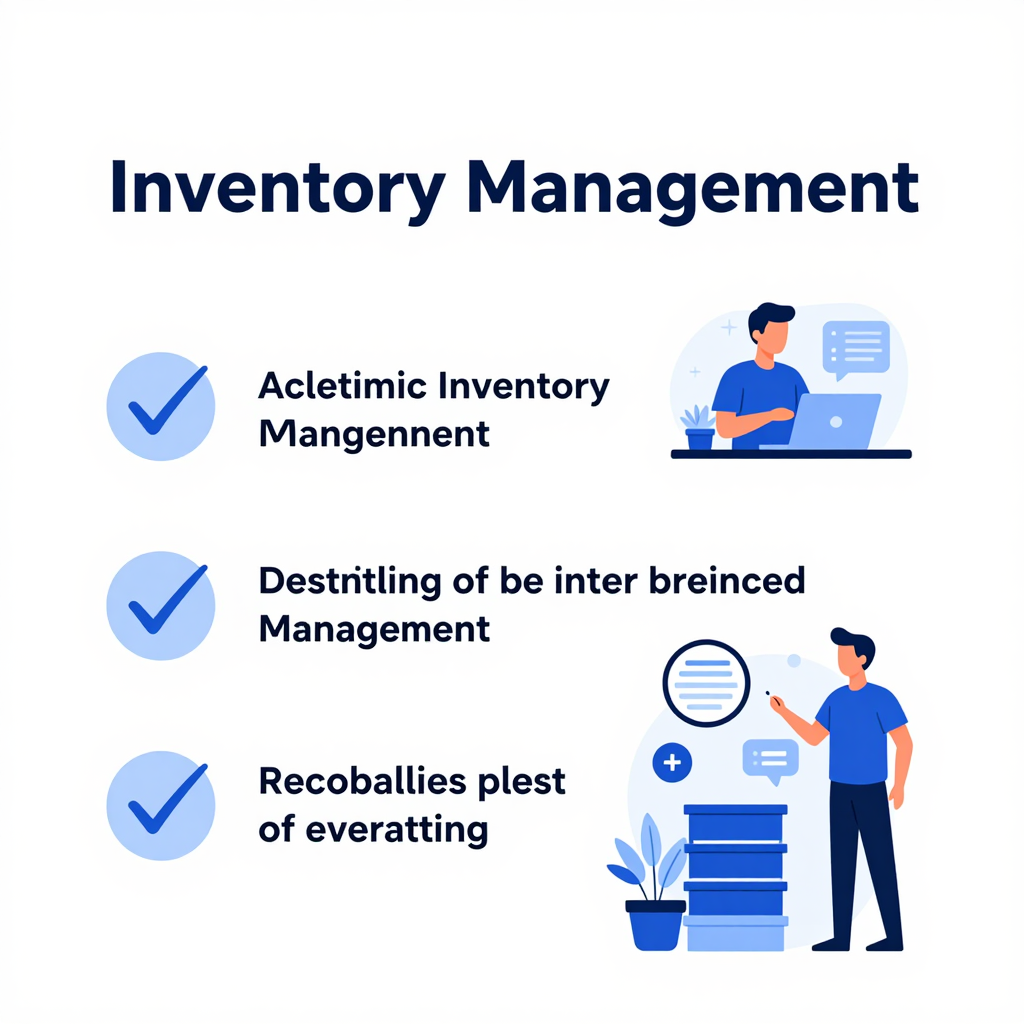
Inventory management is the backbone of any successful business operation. Yet, many companies overlook the hidden consequences of poor inventory practices, leading to overstocking and stockouts that seriously damage profitability. Whether you’re running a retail store in India or managing supply chain logistics globally, understanding these challenges is crucial for optimizing your return on investment (ROI).
Poor inventory management doesn’t just mean having too much or too little stock—its ripple effects touch cash flow, customer satisfaction, and operational efficiency. In this article, we’ll explore the hidden costs lurking behind overstocking and stockouts, uncover how expert inventory management services can solve these problems, and guide you through actionable steps to boost ROI. The insights shared are global yet catered to evolving markets like India where supply chain dynamics continuously shift.
The Costly Problem of Overstocking and Stockouts
Overstocking and stockouts represent two opposing inventory challenges, but both converge on a single pain point: reduced profitability.
The Fallout of Overstocking
Holding excess inventory might feel like being prepared, but it ties up valuable capital that could otherwise fund growth or innovation. Notably:
- Higher storage costs: Warehousing space, manpower, and equipment needed to manage surplus inventory add overhead.
- Risk of obsolescence and spoilage: Particularly in tech, fashion, or perishables, old stock quickly loses value.
- Cash flow constraints: Money locked in dead stock reduces liquidity, making it harder to seize new opportunities.
The Repercussions of Stockouts
On the flip side, running out of stock can be disastrous for customer experience and future revenue:
- Missed sales opportunities: When products are unavailable, customers turn to competitors.
- Damaged brand loyalty: Frequent stockouts cultivate customer frustration.
- Disrupted operations: Emergency replenishments often incur premium shipping and handling costs.
Together, these issues directly erode ROI by increasing costs and reducing revenue streams. According to Industry Reports, stockouts alone cause up to 4% revenue loss annually for retailers, while overstocking ties up nearly 20% of working capital in ineffective inventory.
How Inventory Management Services Minimize These Risks
Modern inventory management solutions are built around data and precision. Here’s how these services help businesses balance stock levels effectively:
- Data-Driven Demand Forecasting: Leveraging historical sales data, seasonality, and market trends to predict demand accurately.
- Real-Time Inventory Tracking: Utilization of barcode scanners, RFID, and cloud-based platforms to keep stock information current.
- Integrated Supply Chain Systems: Ensuring seamless communication between suppliers, warehouses, and sales channels.
- Automated Replenishment: Triggering reorder points to avoid stockouts without over-ordering.
- Analytics and Reporting: Offering actionable insights to continually improve inventory strategies.
This systematic approach reduces human error and increases responsiveness, which directly contributes to improved profitability. Businesses in technology, manufacturing, retail, and healthcare all benefit by aligning inventory levels more tightly with actual demand.
Real-World Examples: Lessons from Various Industries
Understanding the impact of poor inventory management becomes clearer by examining real cases:
1. Tech Startup Struggles
A Bangalore-based electronics startup faced frequent overstocking due to inaccurate forecasting, resulting in dead inventory worth ₹50 lakhs. By adopting integrated inventory software with real-time tracking, they reduced stock holding costs by 30% and improved cash flow.
2. Fashion Retailer Missed Revenue
An apparel brand in Mumbai suffered weekly stockouts during peak seasons, losing loyal customers to competitors. Using a data-driven inventory service, they optimized reorder points and saw a 15% increase in sales within three months.
3. Pharmaceutical Supply Disruption
A Delhi pharmaceutical distributor experienced stockouts of critical medicines during sudden demand spikes. By integrating supplier systems with inventory management, they ensured consistent product availability, reducing emergency procurement costs.
4. Food & Beverage Waste
A fast-food chain with aging inventory systems regularly discarded expired ingredients, inflating operational costs. Transitioning to an inventory service that monitored expiry dates optimized freshness and cut waste by 25%.
These examples highlight the cross-industry nature of inventory pitfalls and demonstrate how inventory management services can effectively turn the tide.
Step-by-Step Guide to Optimize Your Inventory Management
Implementing better inventory management doesn’t have to be overwhelming. Follow these practical steps to reduce hidden costs and improve ROI:
- Assess Current Inventory Practices: Analyze stock turnover rates, holding costs, and frequency of stockouts.
- Choose the Right Inventory Management Service: Opt for solutions tailored to your industry and company size.
- Implement Real-Time Tracking Technologies: Use RFID or barcode systems to maintain accurate stock data.
- Integrate Sales and Supply Chain Data: Connect your inventory system with sales channels and suppliers.
- Regularly Forecast Demand: Update forecasts monthly or quarterly to reflect market changes.
- Automate Replenishment: Set reorder points and safety stock levels to avoid manual errors.
- Train Your Team: Ensure employees understand best practices and use the tools effectively.
- Continuously Monitor and Improve: Use analytics to identify inefficiencies and adapt strategies accordingly.
By methodically following these steps, businesses can transform inventory management from a cost center into a competitive advantage.
Benefits and Pro Tips for Effective Inventory Management
Here are some key advantages and tips to keep in mind:
- Benefits:
- Improved cash flow and reduced holding costs.
- Enhanced customer satisfaction through product availability.
- Better supplier negotiations via accurate ordering.
- Reduced waste and obsolescence.
- Scalable operations aligned with business growth.
- Pro Tips:
- Regularly audit inventory to account for discrepancies.
- Use ABC analysis to categorize stock by value and turnover.
- Factor in lead times from suppliers when setting reorder points.
- Leverage cloud platforms for accessibility and real-time updates.
- Combine qualitative insights from sales teams with quantitative data.
These practices ensure your inventory system supports strategic business goals effectively.
Future Trends in Inventory Management to Watch
The future of inventory management is promising, driven by technological innovation and evolving market demands:
- AI-Powered Forecasting: Machine learning models will deliver hyper-accurate demand predictions.
- IoT-Enabled Smart Warehouses: Sensors automatically monitor stock levels and environmental conditions.
- Blockchain for Transparency: Enhancing traceability in complex supply chains.
- Robotic Process Automation (RPA): Streamlining repetitive inventory tasks.
- Sustainability Focus: Reducing waste with eco-friendly inventory policies.
Businesses adopting these trends will maintain agility, minimize risks, and maximize profitability in an increasingly competitive global marketplace.
Conclusion
Poor inventory management, marked by overstocking and stockouts, poses hidden yet significant costs that impact profitability and ROI. The good news? With specialized inventory management services offering data-driven solutions, real-time tracking, and automated replenishment, companies can maintain optimal stock levels and unlock sustainable growth.
Don’t let inefficient inventory weigh down your business. Contact us today! Let’s help you improve your inventory processes, cut unnecessary costs, and increase your ROI with customized solutions tailored for your industry.
FAQ
Q1: What are the most common causes of stockouts?
Stockouts often result from inaccurate demand forecasting, supplier delays, and poor inventory tracking.
Q2: How can I reduce overstocking without risking stockouts?
Adopt data-driven demand forecasting and set appropriate safety stock levels based on historical sales and lead times.
Q3: Are inventory management services expensive?
Costs vary, but investing in inventory management services often leads to net savings through reduced waste and increased sales.
Q4: Can small businesses benefit from these services?
Absolutely, many scalable solutions cater to small and medium enterprises, improving efficiency regardless of size.
Q5: How often should inventory forecasts be updated?
Typically, forecasts should be revised monthly or quarterly, depending on business volatility.
Recent Blog

Top Logistics Trends Every D2C Brand Must Know in 2026
Top Logistics Trends Every D2C Brand Should Know in 2026:…
How Generative AI Cuts Logistics Costs with Smart Automation
How Generative AI Is Reducing Logistics Costs: Unlocking Smart Automation…

Dark Stores vs Warehouses: Who Wins in 2026 Quick Commerce?
Dark Stores vs Warehouses: Which Model Wins in 2026? Estimated…
