 :
:  :
: 
IPL Delivery Surge: How Top Brands Manage 2X Orders Efficiently
IPL Season Delivery Surge: How Brands Handle 2X Orders – Share Case Studies + Tips for Handling Surge
Estimated reading time: 5 minutes
Key Takeaways
- Understand the impact of the IPL season on order surges across various industries.
- Learn how major brands like Swiggy, Flipkart, and Zomato effectively manage spikes in demand.
- Implement actionable tips for preparation and workforce scaling during high-demand events.
- Leverage technology and real-time analytics for optimized logistics during surges.
- Enhance customer communication to maintain satisfaction amidst increased order volumes.
Table of Contents
- Introduction
- Understanding the IPL Season Delivery Surge: Problem & Trend
- Case Studies: How Leading Brands Handle 2X IPL Orders
- Step-by-Step Guide: 6 Tips for Handling 2X Order Surge During IPL or Similar Events
- Benefits of Effective Surge Management
- Future Trends in Event Delivery Surge Management
- Conclusion
- FAQ
Introduction

The Indian Premier League (IPL) season delivery surge is a fascinating phenomenon to witness, not just for cricket fans but for brands across various industries. Every year, during the IPL season, businesses—especially in food delivery, e-commerce, and merchandise sectors—experience up to 2X surge in orders. This sudden spike demands exceptional operational planning and agility. Handling this influx efficiently can make or break customer satisfaction and loyalty.
As India’s most-watched sporting event, the IPL draws millions of viewers who enjoy watching games from the comfort of their homes or roadside eateries. This cultural backdrop transforms delivery channels into battlegrounds of speed and efficiency during matches, with brands competing to serve double the usual orders. Globally, this scenario signals how event-driven demand surges can deeply impact delivery logistics and operations.
In this article, we dive into how leading companies like Swiggy, Flipkart, and Zomato navigate such intense periods with scalable strategies and technological innovations. You will also find actionable tips and a step-by-step guide to help your brand thrive during high-demand spikes, especially during crucial events like the IPL.
Understanding the IPL Season Delivery Surge: Problem & Trend
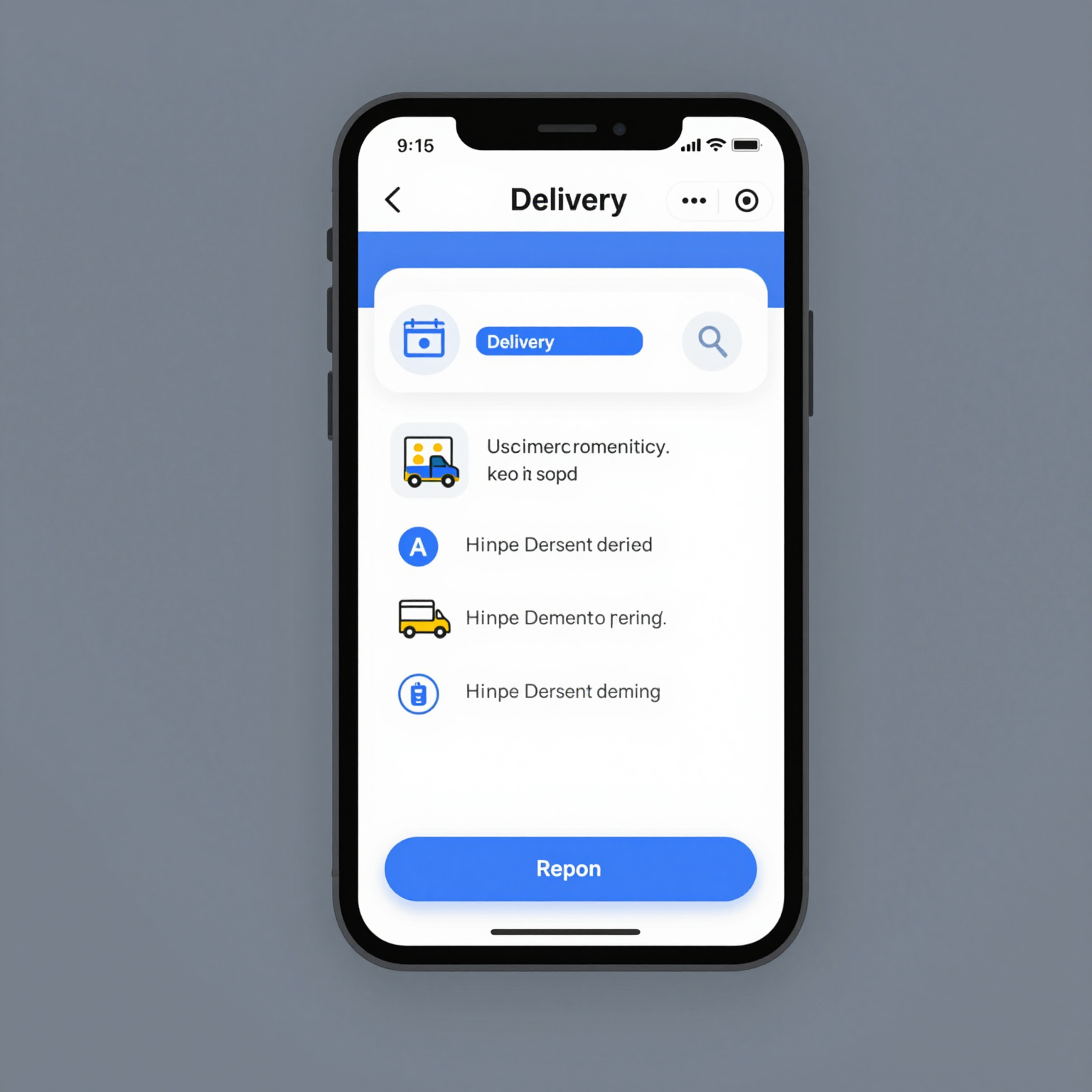
During IPL matches, especially during the innings breaks and final overs, the order volume can spike up to 2X or more across food, merchandise, and beverage deliveries. According to industry insights:
- Food delivery platforms witness order surges of 100-120% during peak IPL hours compared to regular days.
- E-commerce businesses report significant increases in IPL-themed merchandise and snack sales.
- The surge lasts for 2-3 hours per match but impacts logistics and customer service throughout the evening.
This surge creates a complex challenge for brands that must balance delivery speed, order accuracy, and customer satisfaction. Failure to adapt results in delayed deliveries, unhappy customers, and potential revenue losses.
Key contributors to this surge include:
- Large gatherings in homes and public venues.
- Impromptu orders during match highlights.
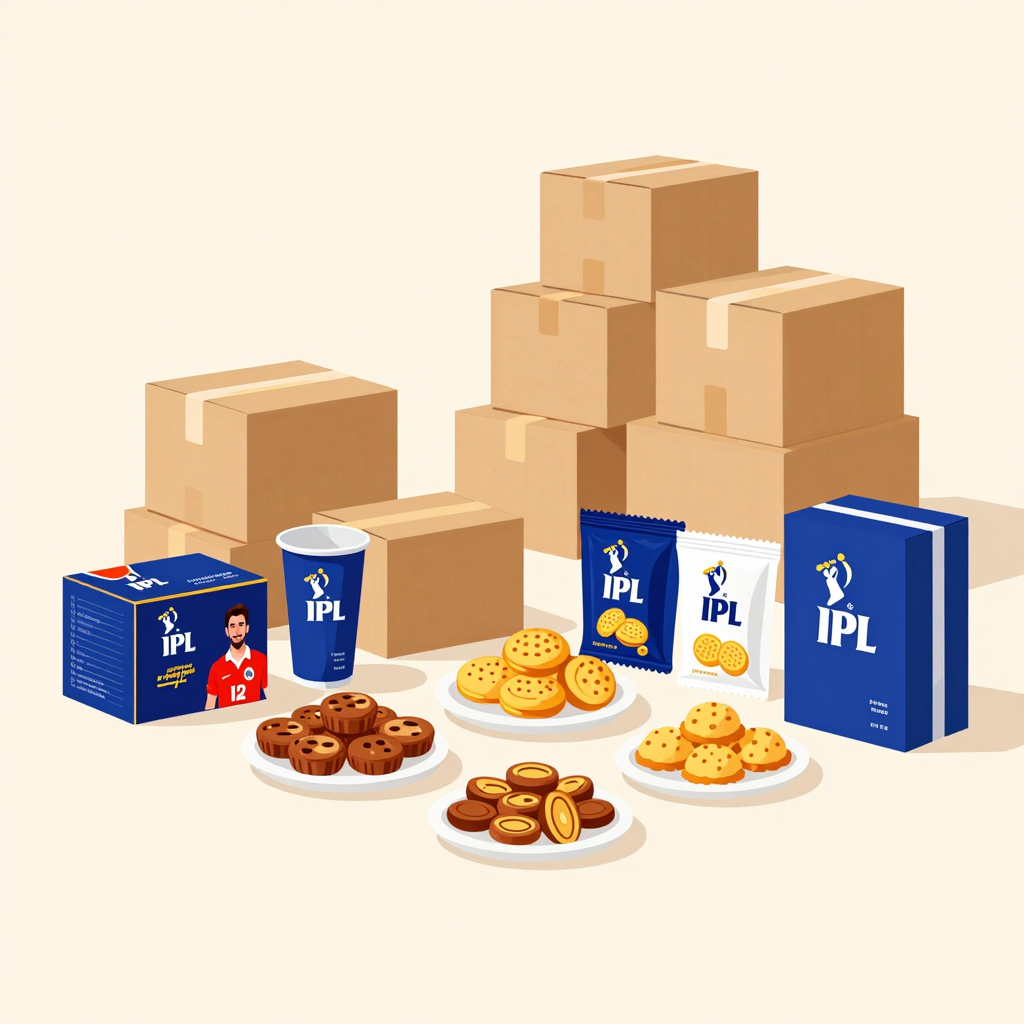
- Increased demand for IPL-specific snacks, merchandise, and combos.
To address these, brands need proactive forecasting, workforce scaling, and technology-driven solutions.
Case Studies: How Leading Brands Handle 2X IPL Orders
1. Swiggy (Food Delivery Platform)
Challenge: Swiggy regularly faces double to triple order surges during IPL match breaks, leading to pressure on delivery partners and potential delays.
Solutions:
- Dynamic Surge Pricing & Incentivizing Delivery Partners: Additional bonuses motivate delivery personnel to be available during intense demand hours.
- Optimized Delivery Zones: Temporary re-routing focuses resources on high-demand neighborhoods.
- Increased Cloud Kitchens: Strategic alliances with cloud kitchens located near popular IPL viewing spots cut down delivery times.
- Real-time Data Analytics: AI-powered tools predict order peaks and dynamically allocate resources.
Result: Swiggy achieves faster delivery with more reliable timelines even during 2X surge periods, boosting overall customer experience.
2. Flipkart (E-commerce for Merchandise & Snacks)
Challenge: Flipkart sees a massive spike in soccer jerseys, hats, memorabilia, and IPL-themed snacks, causing inventory and logistics pressure.
Solutions:
- Inventory Buffer Stock: Huge pre-season stocking of high-demand IPL products.
- Flash Sales & Staggered Launches: Sales timed during off-peak match hours spread demand evenly.
- Enhanced Logistics Partnerships: Collaboration with additional third-party delivery services for last-mile efficiency.
- Customer Communication: Real-time order tracking reduces customer anxiety over delays.
Result: Flipkart maintains delivery accuracy and minimizes shipment delays with smooth management of 2X order volumes.
3. Zomato (Food Delivery Service)
Challenge: Zomato encounters sharp food order spikes, especially during evening matches in metropolitan areas.
Solutions:
- Collaborative Campaigns: Exclusive IPL menus and combo offers simplify ordering decisions.
- Automated Dispatch System: Uses ML algorithms to prioritize and assign orders optimized by location and urgency.
- Increased Fleet Size: Surge incentives accelerate onboarding of gig delivery partners.
Result: Delivery cancellation rates drop by 15%, and average delivery time improves significantly despite high demand.
Step-by-Step Guide: 6 Tips for Handling 2X Order Surge During IPL or Similar Events
- Advanced Forecasting & Preparation: Utilize historical data to anticipate surge periods accurately. Prepare inventory and staff accordingly to avoid last-minute shortages.
- Scale Workforce Smartly: Offer surge pay and bonuses for delivery agents. Onboard temporary/helping hands through gig platforms to expand capacity fast.
- Leverage Technology & Real-time Analytics: Implement AI-driven delivery routing to optimize dispatch. Continuously monitor order inflow to reassign resources dynamically.
- Optimize Operations Locally: Deploy cloud kitchens or satellite packing units near high demand zones. Streamline kitchen prep and packing to prevent bottlenecks.
- Proactive Customer Communication: Inform customers about realistic delivery times, surcharges, and provide smooth live tracking to reduce dissatisfaction.
- Conduct Post-Event Analysis: Gather performance data and customer feedback post-IPL season. Use insights to refine systems and prepare for future surges.
Benefits of Effective Surge Management
- Enhanced Customer Satisfaction: Timely deliveries during peak IPL seasons increase trust and positive reviews.
- Increased Revenue Opportunities: Ability to handle more orders without sacrificing quality boosts overall sales.
- Stronger Brand Reputation: Brands known for reliability during major events enjoy long-term customer loyalty.
- Operational Efficiency: Optimized workflows reduce driver fatigue and logistical chaos, minimizing cancellations.
Future Trends in Event Delivery Surge Management
As technology progresses, expect these developments to further revolutionize delivery surges during IPL and similar events:
- Hyperlocal AI Forecasting: Even more precise predictions leveraging geo-spatial and live social data.
- Autonomous Delivery Vehicles: Drones and robots may handle last-mile delivery to ease human agent load.
- Augmented Reality (AR) Support: Real-time AR overlays can help delivery agents navigate traffic and find addresses faster.
- Omni-channel Integration: Seamless integration between offline events and online deliveries for more customized experiences.
Conclusion
Handling the IPL season delivery surge isn’t just about managing twice the usual orders—it’s about thoughtful anticipation, embracing technology, strategic scaling, and transparent customer communication. Brands like Swiggy, Flipkart, and Zomato demonstrate that with the right combination of tactics, even a 2X surge can be managed smoothly, generating satisfied customers and increased revenue.
If your brand faces event-driven spikes, consider adopting these proven strategies to transform overwhelming demand into an opportunity for growth and operational excellence.
Contact us today to craft a tailored IPL surge management plan that fits your brand needs perfectly!
FAQ
Q1: How much can orders surge during IPL season?
Orders can surge up to 2X or sometimes even higher during IPL peak hours, especially in food delivery and e-commerce.
Q2: What technologies help brands manage IPL delivery surges?
Predictive analytics, AI-based routing, real-time dashboards, and data-driven workforce management are crucial.
Q3: How do brands incentivize delivery partners during surges?
Through surge pricing, bonus incentives, and flexible shift timings during IPL matches.
Q4: Can small businesses handle such surges effectively?
Yes, with proper forecasting, localized operations, and smart use of gig economy workers, even small businesses can scale temporarily.
Q5: What is the best way to communicate with customers during surges?
Maintain transparency with live tracking, realistic delivery promises, and timely updates on any delays or surcharges.
Recent Blog
Top Logistics Trends Every D2C Brand Must Know in 2026
Top Logistics Trends Every D2C Brand Should Know in 2026:…
How Generative AI Cuts Logistics Costs with Smart Automation
How Generative AI Is Reducing Logistics Costs: Unlocking Smart Automation…
Dark Stores vs Warehouses: Who Wins in 2026 Quick Commerce?
Dark Stores vs Warehouses: Which Model Wins in 2026? Estimated…
