 :
:  :
: 

What Happens Behind the Scenes in Modern Fulfillment Centers
What Happens Behind the Scenes in a Modern Fulfillment Center: A Deep Dive into Logistics Transparency
Estimated reading time: 10 minutes
Key Takeaways
- The importance of transparency in logistics enhances consumer trust and loyalty.
- Modern fulfillment centers utilize advanced technology for efficiency, speed, and accuracy.
- Effective storage and inventory management reduce operational costs and time delays.
- Behind-the-scenes content can be a powerful marketing tool and reputation builder.
- Emerging trends focus on sustainability and automation for improved efficiency.
Table of Contents
Introduction

Have you ever wondered, what happens behind the scenes in a modern fulfillment center? For businesses eager to understand logistics processes, unraveling this mystery is not just fascinating — it builds crucial trust and transparency. As eCommerce continues its explosive global growth, fulfillment centers have become the beating heart of efficient order delivery, making behind-the-scenes content a powerful tool to engage customers and stakeholders alike.
Fulfillment centers worldwide, including in India’s burgeoning market and global logistics hubs, handle millions of shipments daily. They integrate cutting-edge technology with streamlined workflows to meet tight deadlines and sky-high customer expectations. In this article, we’ll explore what happens behind the scenes in a modern fulfillment center, highlighting key operations that illustrate how businesses manage inventory, process orders, and ensure timely delivery while maintaining quality and sustainability. Whether you’re running an online store, a distributor, or simply curious about the logistics revolution, understanding these processes can sharpen your competitive edge.
By sharing behind-the-scenes insights, businesses can build trust in operations, debunk myths about delays or lost packages, and showcase their commitment to quality and innovation. Ready for a detailed walkthrough? Let’s dive in.
The Growing Demand for Transparent Logistics: Why It Matters
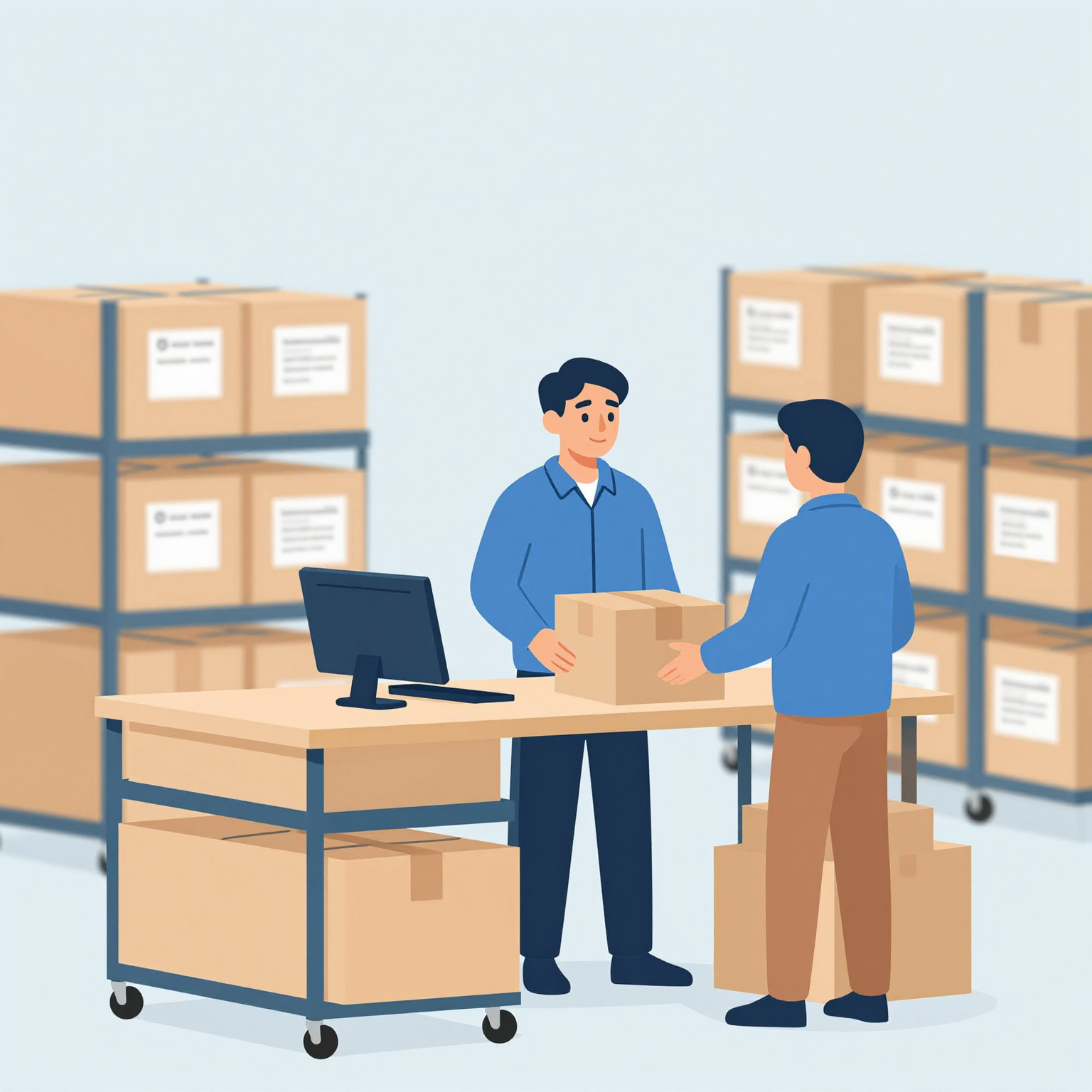
In recent years, customer expectations have shifted dramatically. According to a 2023 report by Statista, 63% of consumers say transparency about order fulfillment boosts their trust in a brand. Additionally, 45% are more likely to become repeat customers if they understand how their products are handled post-purchase. This has created a trend where businesses proactively reveal their logistics processes, often through behind-the-scenes content—videos, infographics, or blog posts.
With global eCommerce sales projected to surpass $7 trillion by 2025, streamlined and transparent fulfillment operations are no longer optional—they are key differentiators. Moreover, behind-the-scenes content serves multiple roles: marketing, education, and reputation-building, especially in industries where product authenticity or handling is critical, such as electronics, pharmaceuticals, and food delivery.
What Happens Behind the Scenes in a Modern Fulfillment Center?
An efficient fulfillment center is a complex system where every second and movement counts. Here’s a breakdown of the critical stages in modern fulfillment operations:
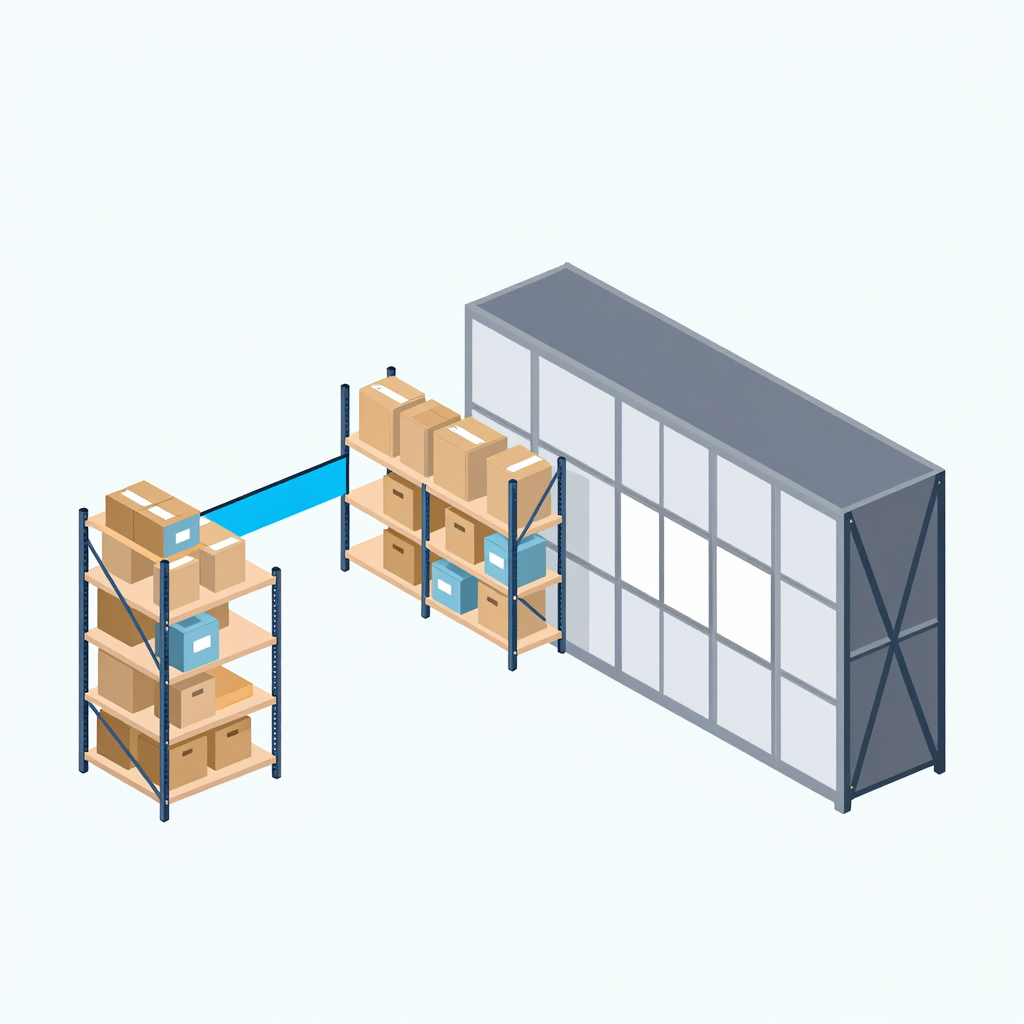
1. Receiving and Inventory Management
The first step in the fulfillment journey begins the moment products arrive:
- Unloading shipments: Pallets and boxes are quickly unloaded using conveyor belts and forklifts to keep goods moving.
- Quality checks: Each item undergoes inspection for damage or defects, ensuring customers only receive perfect products.
- Inventory logging: Advanced Warehouse Management Systems (WMS) immediately scan and log each product, updating real-time inventory levels.
This process reduces stock discrepancies and enables rapid order fulfillment.
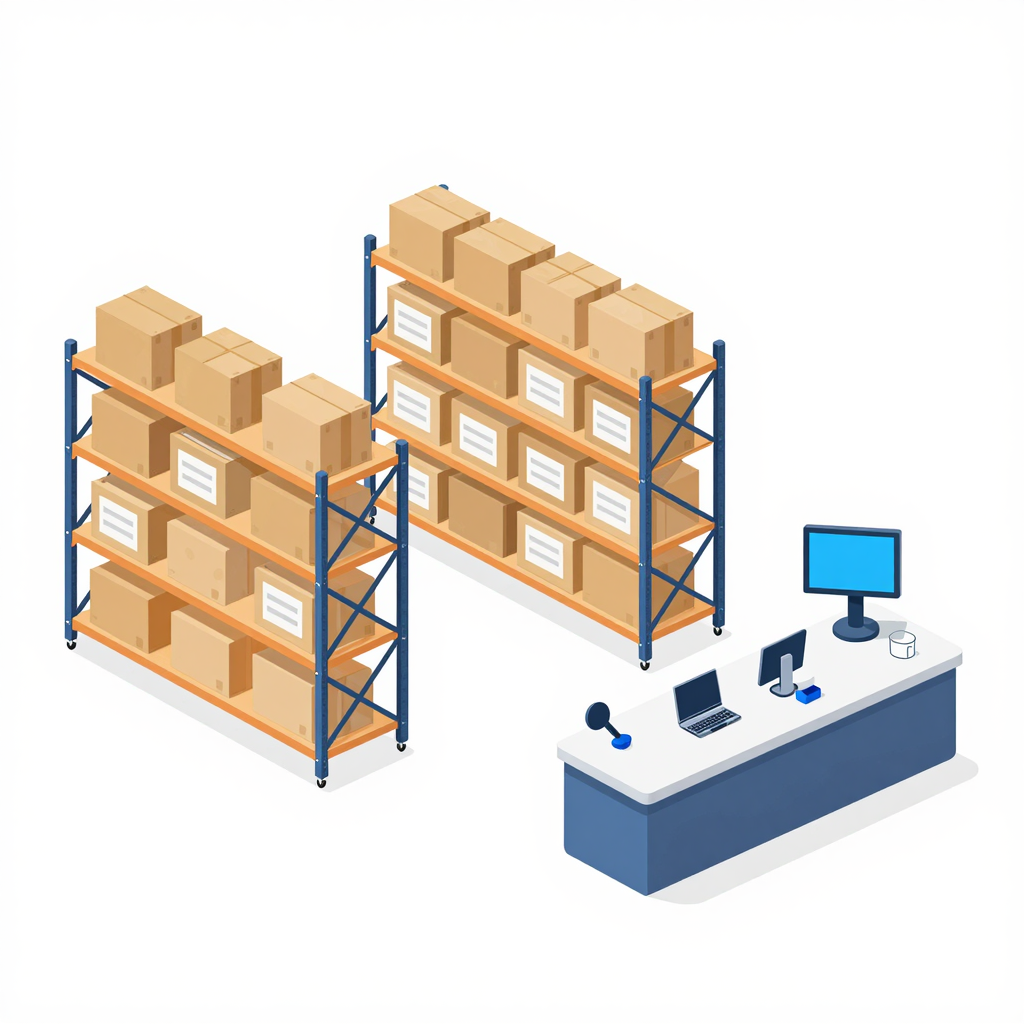
2. Storage Optimization
Once inventory is logged, proper storage is essential:
- Smart shelving: Products are placed in optimized storage locations determined by factors such as size, sales velocity, and compatibility. Automation, including robotic arms or automated storage and retrieval systems (AS/RS), helps maximize space.
- Climate control: Items sensitive to temperature or humidity are stored in regulated zones to maintain quality, especially in sectors like pharmaceuticals or perishables.
Efficient storage systems minimize retrieval time and reduce operational costs.
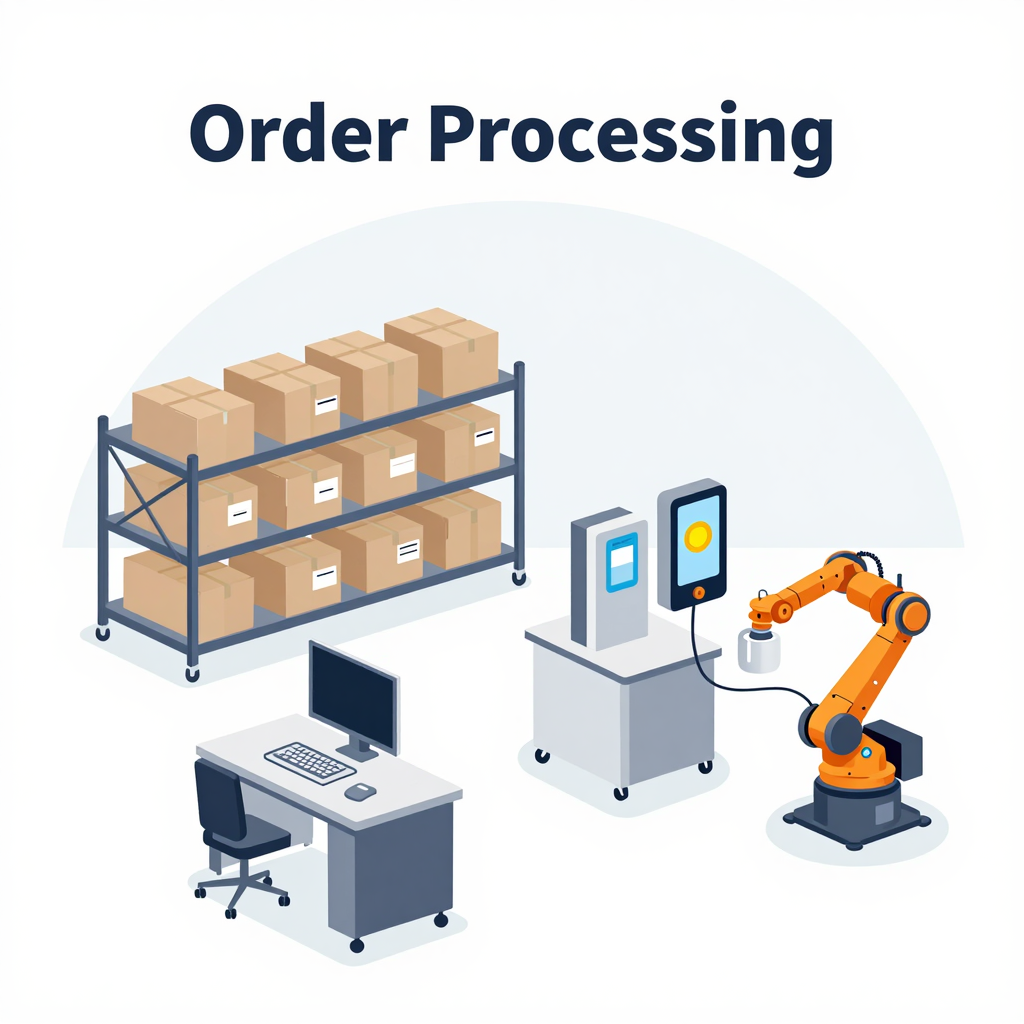
3. Order Processing
After receiving customer orders, the fulfillment center springs into action:
- Order receipt: Integrated order management software sends order data immediately to the fulfillment system.
- Picking: Using pick-to-light technology, voice-directed picking, or autonomous robots, staff collect ordered products swiftly and with minimal errors. Many centers employ batch processing to group similar orders, improving speed.
- Verification: Items gathered are verified via scanning to prevent mistakes.
Whether handling hundreds or thousands of orders daily, this stage demands precision and speed to avoid delays.
4. Packing
Packing is more than just putting products in boxes—it’s about protection and presentation:
- Custom packaging: Fulfillment centers select appropriate box sizes and protective cushioning for each order to minimize damages and environmental waste.
- Labeling: Shipping labels, invoices, and customs forms are printed and carefully affixed.
- Quality control: Often, a final check ensures the accuracy of packed orders.
This attention to detail not only safeguards products but also enhances the unboxing experience.
5. Shipping
The final leg begins as orders leave the fulfillment center:
- Carrier coordination: The center collaborates with multiple carriers (FedEx, UPS, DHL, local couriers) to select optimal shipping methods balancing speed and cost.
- Sorting: Automated conveyors sort packages by destination or carrier.
- Last-mile handoff: Couriers pick up packages for final delivery to customers.
The complexity of last-mile logistics is managed here, often supported by route optimization algorithms.
6. Returns Processing
Modern fulfillment centers excel not only at sending orders out but also handling returns efficiently:
- Return authorization: Systems manage and approve return requests, often providing customers with return labels.
- Inspection and restocking: Returned goods are checked for quality. If resaleable, they are returned to inventory; if defective, they may be refurbished, recycled, or responsibly disposed of.
Handling returns smoothly improves customer satisfaction and reduces waste.
Benefits of Sharing Behind-the-Scenes Content
Creating and sharing behind-the-scenes content around fulfillment activities offers numerous advantages for your business:
- Transparency: Shows customers exactly how their orders are handled, building confidence and loyalty.
- Reliability: Highlights your operational efficiency, reducing concerns about delays or errors.
- Sustainability: Allows you to demonstrate eco-friendly practices such as reduced packaging waste or energy-efficient warehouses.
- Technology Showcase: Exhibits your investment in modern technology like robotics, AI, or climate control, enhancing your brand’s innovation image.
This content can be adapted into videos, infographics, or interviews to resonate with different audiences and platforms.
Future Trends in Fulfillment Centers
As technology evolves, so too do fulfillment centers. Here are some emerging trends to watch:
- Increased Automation and Robotics: Use of AI-driven robots will become more prevalent, handling complex picking and packing tasks.
- Sustainability Initiatives: Expect more centers to adopt green energy, recyclable packaging, and zero-waste policies.
- Data-Driven Optimization: Predictive analytics will further enhance inventory management and demand forecasting.
- Enhanced Customer Interaction: Live order tracking and virtual reality warehouse tours may become commonplace for behind-the-scenes transparency.
Businesses that embrace these trends will likely improve both operational efficiency and customer trust.
FAQ
Q1: How does technology reduce errors in fulfillment centers?
A1: Technologies like pick-to-light systems and voice-directed picking guide workers precisely, minimizing human errors during order picking and packing.
Q2: Why is climate control important in some warehouses?
A2: Certain products, especially food, pharmaceuticals, or electronics, require specific temperature and humidity to maintain quality and prevent spoilage.
Q3: How do fulfillment centers handle peak shopping seasons?
A3: They ramp up staff, utilize temporary automation solutions, and optimize batch processing to manage surges efficiently.
Q4: Can fulfillment centers customize packaging for brands?
A4: Yes, many offer branding options, customized inserts, and eco-friendly packaging aligned with brand identity and customer experience.
Conclusion
Understanding what happens behind the scenes in a modern fulfillment center reveals a sophisticated choreography of technology, staffing, and logistics expertise designed to deliver products accurately and quickly. By sharing these insights, businesses not only build trust but also differentiate themselves in a competitive market. Transparency in fulfillment operations is no longer just a nice-to-have—it’s a strategic advantage that drives customer loyalty and operational excellence.
Are you ready to bring your fulfillment transparency to the next level? Contact us today to explore how we can help you create compelling behind-the-scenes content that engages your audience and builds trust.
Recent Blog

Top Logistics Trends Every D2C Brand Must Know in 2026
Top Logistics Trends Every D2C Brand Should Know in 2026:…
How Generative AI Cuts Logistics Costs with Smart Automation
How Generative AI Is Reducing Logistics Costs: Unlocking Smart Automation…

Dark Stores vs Warehouses: Who Wins in 2026 Quick Commerce?
Dark Stores vs Warehouses: Which Model Wins in 2026? Estimated…
