 :
:  :
: 
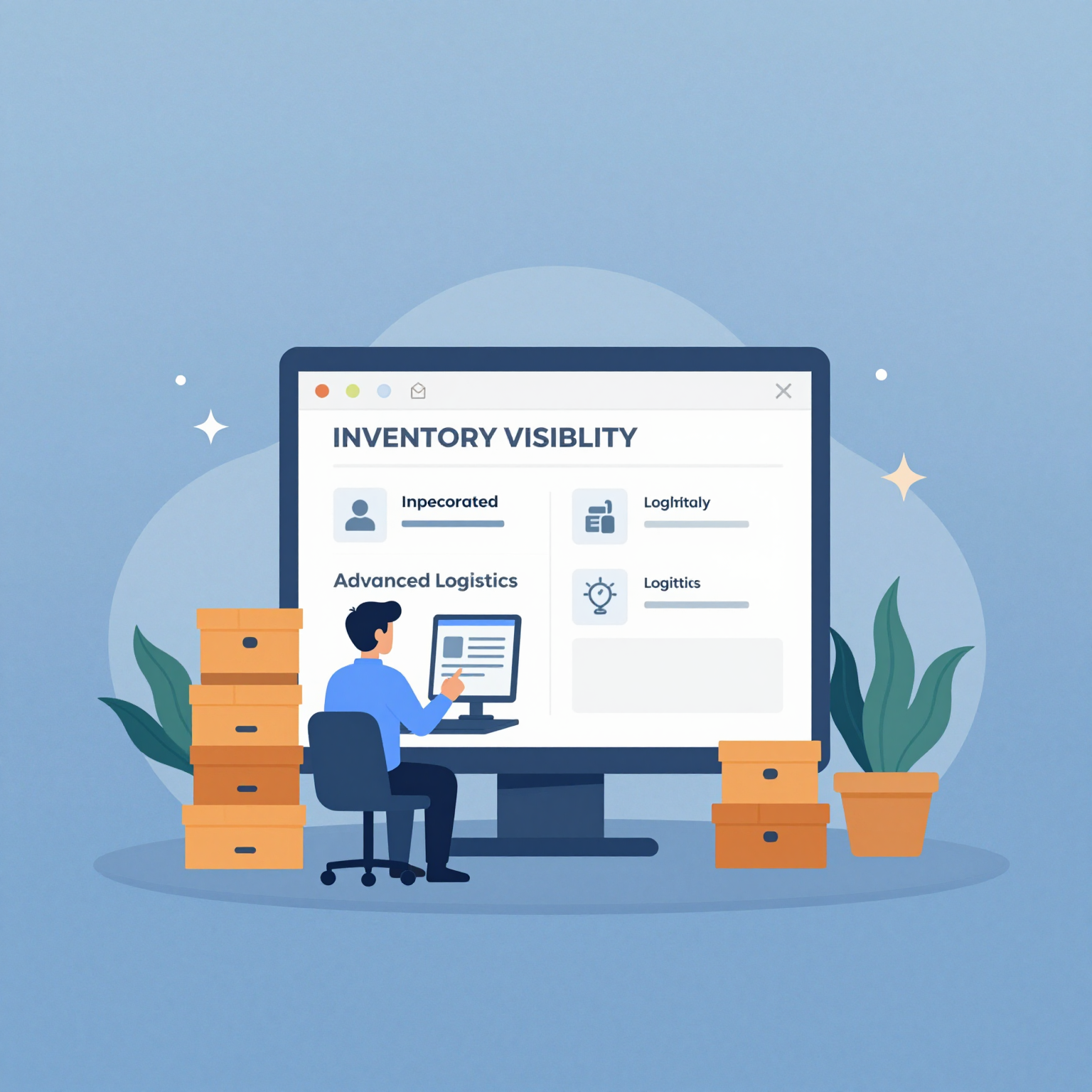
Real-Time Inventory Visibility Drives Business Success
Why Real-Time Inventory Visibility Matters More Than Ever: Unlocking the Power of Accurate Stock Information
Estimated reading time: 7 minutes
Key Takeaways
- Real-time inventory visibility is essential for meeting fast-changing customer demands.
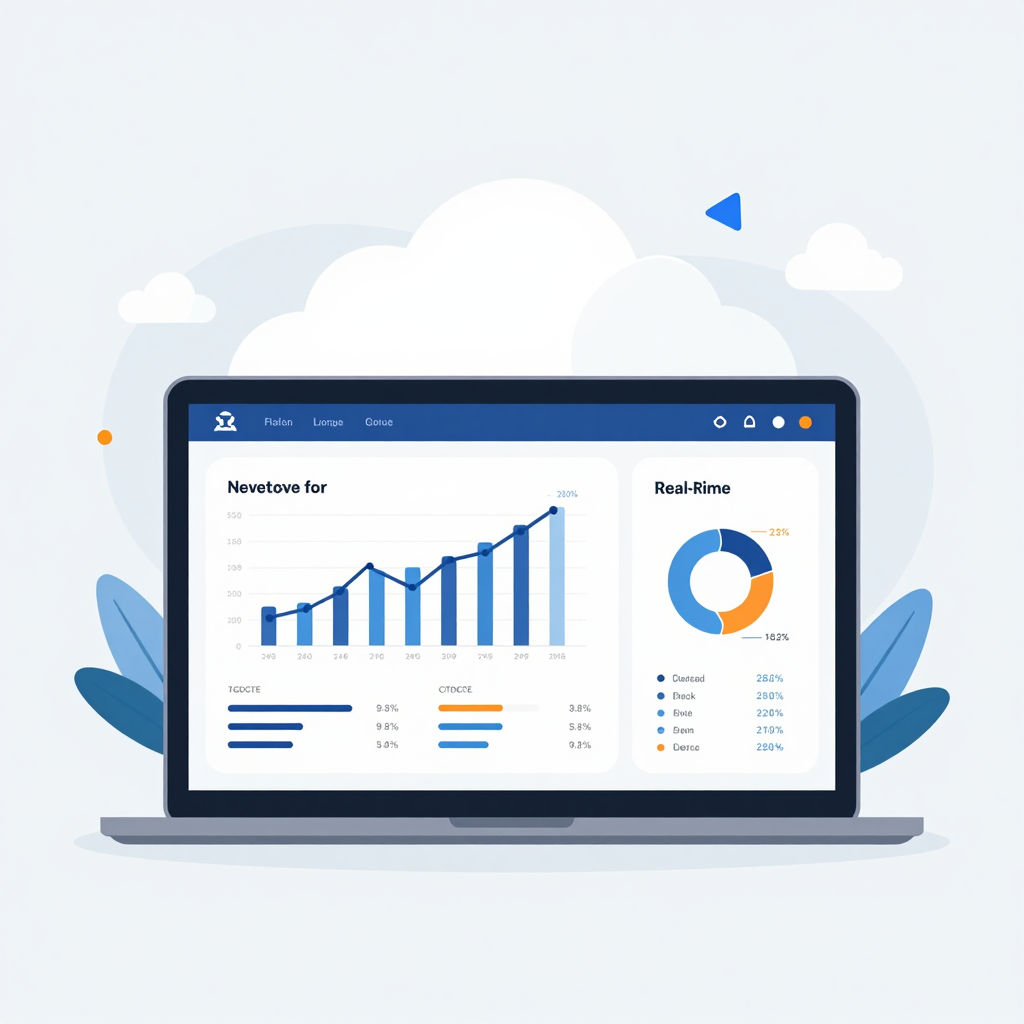
- Modern technologies such as IoT, AI, and cloud platforms enhance inventory management.
- Businesses suffer from outdated inventory practices, risking profitability and customer loyalty.
- Implementing real-time systems requires proper evaluation, training, and feedback integration.
- Trends like edge computing and 5G are set to redefine future inventory management practices.
Table of Contents
- Introduction
- The Problem: Why Businesses Struggle Without Real-Time Inventory Visibility
- How Advanced Logistics Systems Enable Real-Time Inventory Visibility
- Real-World Examples: Businesses Winning with Real-Time Inventory Visibility
- Step-by-Step Guide: Implementing Real-Time Inventory Visibility in Your Business
- Benefits and Tips: Why You Should Prioritize Real-Time Inventory Visibility
- Future Trends in Real-Time Inventory Visibility to Watch
- Conclusion
- FAQ
Introduction
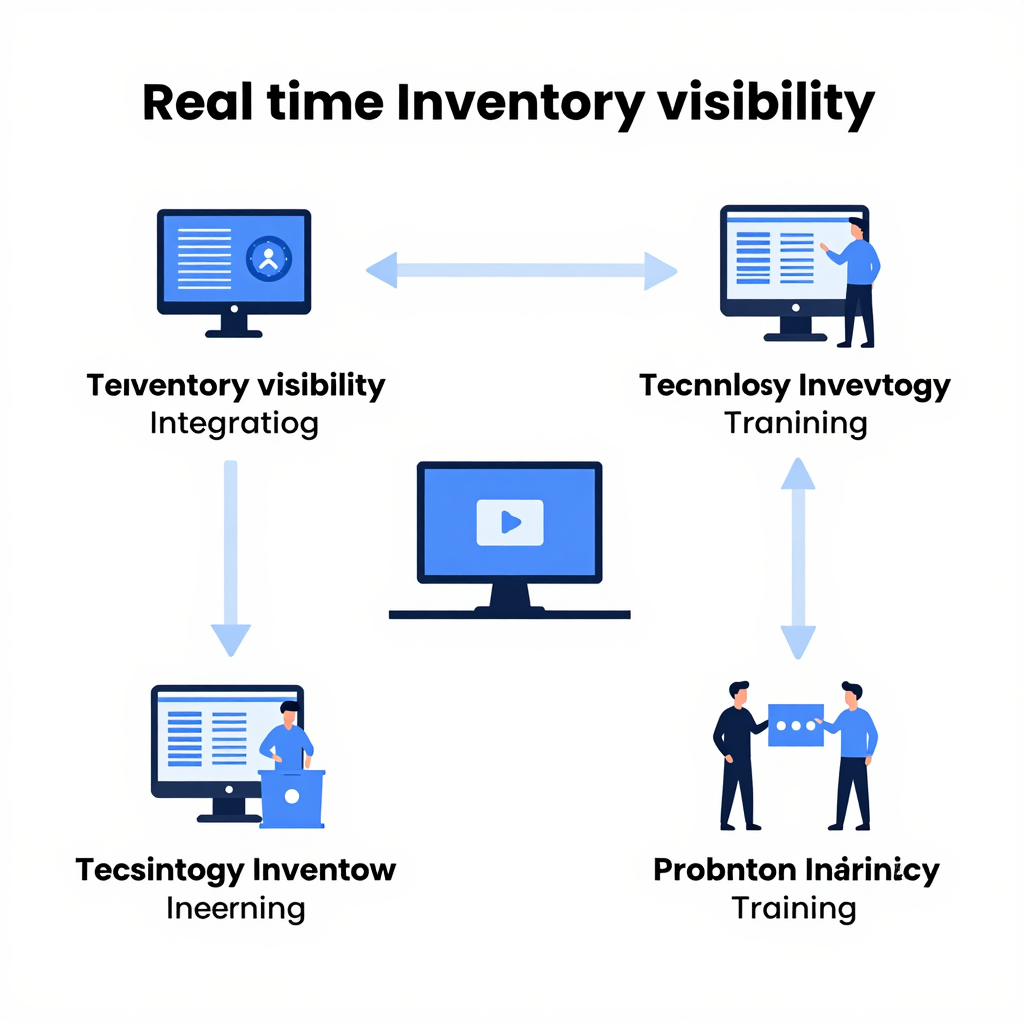
In today’s hyper-competitive global marketplace, real-time inventory visibility has shifted from a luxury to an absolute necessity. Businesses need accurate stock information more than ever to keep up with fast-changing customer demands, optimize supply chains, and reduce operational costs. Whether you run an eCommerce platform in India or manage a multinational retail chain in Europe, the ability to view and manage inventory levels instantly is crucial for success. Advanced logistics systems—leveraging the latest in IoT sensors, cloud technologies, and AI analytics—are transforming how companies track, analyze, and respond to stock movements around the clock.
But why exactly does real-time inventory visibility matter so much in today’s operations and technology landscape? This article dives deep into that question, highlighting the key trends, technologies, real-world examples, and actionable strategies businesses can adopt to thrive. We’ll explore how integrating these systems improves order accuracy, boosts customer satisfaction, and drives better decision-making.
If you’ve ever wondered how the biggest brands maintain flawless stock across thousands of SKUs, or how to avoid costly stockouts and overstocks in your own operation, this comprehensive guide is for you.
The Problem: Why Businesses Struggle Without Real-Time Inventory Visibility
Market dynamics are evolving rapidly. Consumer expectations for instant availability and quick delivery are higher than ever, amplified by booming eCommerce and omnichannel retailing. However, many businesses still rely on outdated inventory practices:
- Manual stock counting and periodic audits create blind spots and lag in information updates.
- Inaccurate or delayed stock data leads to frequent stockouts or excess inventory, both harmful to profitability.
- Supply chain disruptions underscore the need for proactive and agile inventory tracking.
Beyond just lost sales, lack of accuracy in inventory also risks damaging brand reputation and customer loyalty. For instance, studies show that nearly 70% of customers have abandoned a purchase due to “out of stock” notifications.
Modern challenges demand modern solutions—businesses now require continuous, accurate, and real-time insights into inventory levels across warehouses, stores, and fulfillment centers.
How Advanced Logistics Systems Enable Real-Time Inventory Visibility
So, what powers this transformation from guesswork to certainty? The answer is technology integrated intelligently with operations. Advanced logistics systems combine several key innovations:
| Technology Component | Role in Inventory Visibility |
|---|---|
| IoT Sensors & RFID Tags | Automatically track products and shipments in real-time |
| Cloud-Based Platforms | Centralize inventory data from multiple locations instantly |
| AI & Predictive Analytics | Analyze demand trends and optimize stock allocation |
| Mobile Apps & Dashboards | Provide immediate access to stock data for frontline employees |
| Automation & Robotics | Streamline warehouse operations, reducing errors and delays |
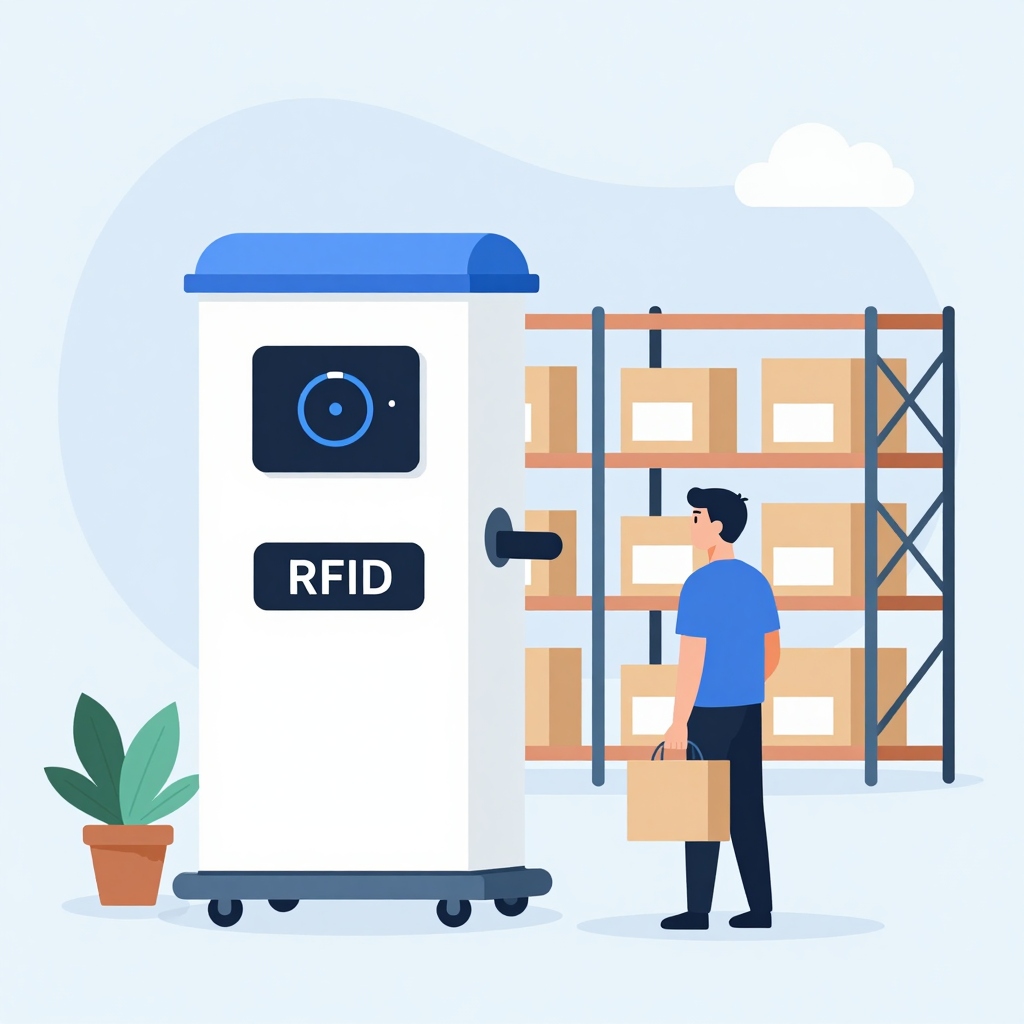
These technologies create a connected ecosystem where inventory status updates dynamically as products move or sell. For example, RFID-tagged goods communicate their presence and condition continuously, ensuring that stock counts are always up to date without manual intervention.
Real-World Examples: Businesses Winning with Real-Time Inventory Visibility
1. Retail Giant: Walmart
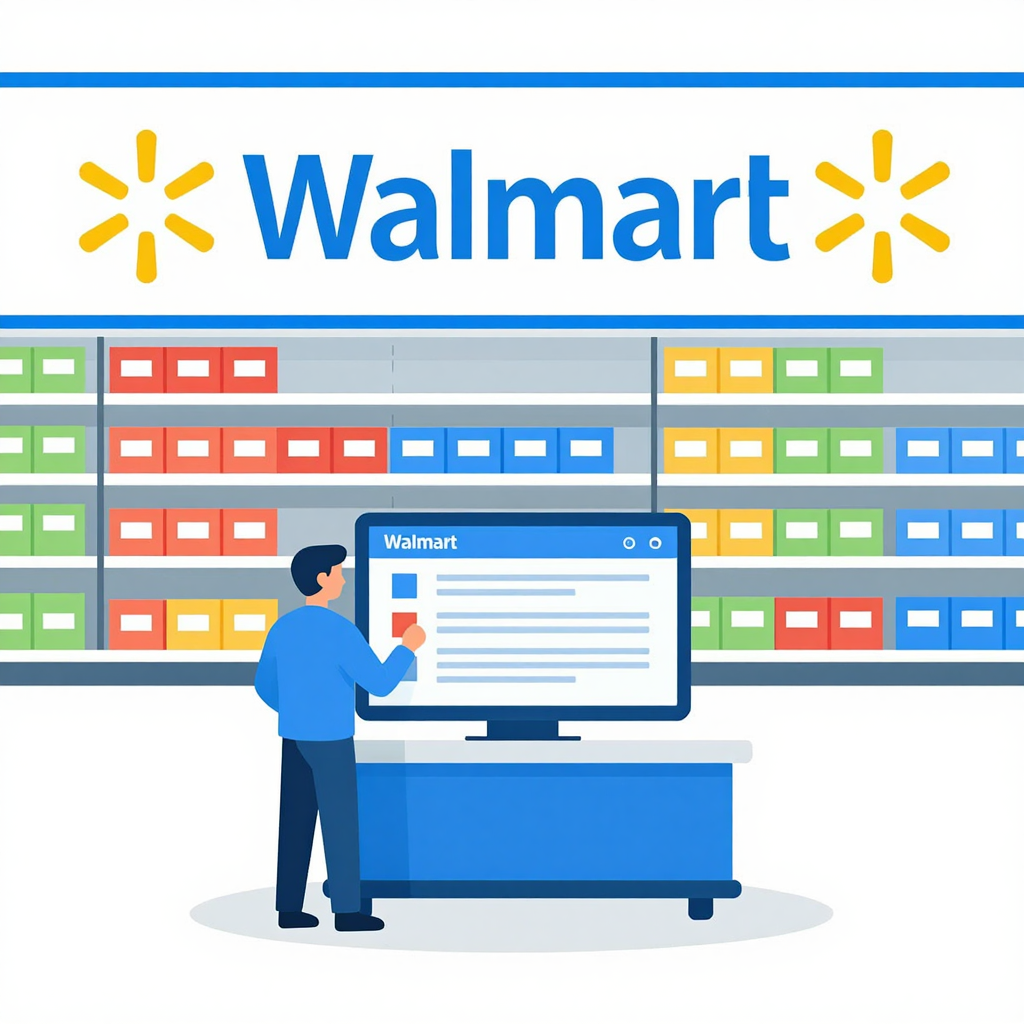
Walmart’s investment in RFID and cloud inventory systems allows its stores and warehouses to synchronize stock information seamlessly. This capability reduces stockouts by up to 16% and improves product availability across 10,000+ stores worldwide.
2. E-Commerce Platform: Flipkart (India)
Flipkart leverages AI-driven inventory management to adjust stock between fulfillment centers on-demand, accommodating flash sales and seasonal spikes. This agility helps maintain high fulfillment rates and customer satisfaction in India’s competitive e-retail space.
3. Healthcare Supplier
A medical supplies company integrated IoT sensors on critical equipment to ensure accurate tracking and prevent shortages, improving patient care by having necessary supplies ready and accounted for.
4. Manufacturing
A global manufacturer uses real-time visibility to monitor raw materials stock across multiple factories, reducing downtime and facilitating just-in-time production schedules.
5. Food & Beverage
Chain restaurants use real-time inventory dashboards to monitor ingredient levels, enabling timely purchasing and reducing waste of perishable goods.
Step-by-Step Guide: Implementing Real-Time Inventory Visibility in Your Business
- Assess Current Inventory Processes
Map out existing workflows and identify gaps in stock tracking accuracy and timing. - Choose the Right Technology
Evaluate IoT devices, cloud platforms, AI software, or robotics that fit your scale and industry needs. - Integrate Systems Seamlessly
Connect new technologies to your ERP, CRM, and supply chain management systems for data consolidation. - Train Employees Effectively
Equip your team with knowledge and tools to use dashboards and mobile apps for real-time data input and monitoring. - Pilot and Monitor Performance
Run a pilot program focusing on a single warehouse or store, measure KPIs like order accuracy and stockout rate, and refine processes. - Scale Up Across Locations
Use lessons learned to deploy technology network-wide and standardize procedures. - Leverage Analytics for Forecasting
Apply AI insights to anticipate demand surges, plan procurement, and optimize storage. - Continuously Improve With Feedback
Regularly review system data and employee input to identify further automation or accuracy enhancements.
Benefits and Tips: Why You Should Prioritize Real-Time Inventory Visibility
- Increased Customer Satisfaction: Deliver the right product on time, increasing repeat purchases.
- Lower Inventory Costs: Avoid overstocking and reduce holding costs without risking stockouts.
- Improved Operational Efficiency: Streamline picking, packing, and shipping workflows.
- Enhanced Forecasting: Use real-time data to predict demand more accurately.
- Agility in Supply Chain: Quickly adjust inventory to changing market conditions.
- Reduced Waste: Especially crucial for perishable goods, reducing spoilage and loss.
Tips for Success:
- Start with high-value or high-turnover items for early ROI.
- Ensure cross-department collaboration between IT and operations.
- Regularly update and maintain your technology stack.
- Use mobile devices or tablets on warehouse floors for instant data capture.
- Monitor KPIs such as order fulfillment rate and inventory turnover tightly.
Future Trends in Real-Time Inventory Visibility to Watch
Looking ahead, several exciting advancements will redefine inventory management further:
- Edge Computing: Placing analytics at the sensor/device level for instant decision making without relying on cloud latency.
- Blockchain Integration: Enhancing transparency and security across the supply chain.
- Autonomous Robots: Robots conducting ongoing inventory scans and physically handling stock replenishment.
- 5G Connectivity: Faster, more reliable data transmission supports massive IoT deployments covering global facilities.
- Sustainability Focus: Real-time insights enabling businesses to minimize waste and optimize resource usage for greener operations.
By staying ahead of these trends, companies can maintain a competitive edge and build more resilient supply chains.
Conclusion
Why real-time inventory visibility matters more than ever is clear—it empowers businesses to make smarter decisions, boost customer experiences, and optimize operational efficiency. As technology and operations become increasingly intertwined through advanced logistics systems, companies that invest in real-time, accurate stock information will be better positioned to thrive in an ever-changing market landscape.
Ready to transform your inventory management and meet the demands of today’s dynamic marketplace? Contact us today! Let’s unlock new efficiencies and deliver superior service through cutting-edge inventory solutions.
FAQ
Q1: What is real-time inventory visibility?
Real-time inventory visibility means having instant, up-to-date information on stock levels across all locations enabling immediate decision-making.
Q2: How does IoT improve inventory tracking?
IoT sensors and RFID tags automate stock movement tracking without manual checks, improving accuracy and reducing errors.
Q3: Can small businesses benefit from these advanced logistics systems?
Absolutely. Scalable cloud-based platforms and mobile technologies make real-time tracking accessible to businesses of all sizes.
Q4: How does real-time inventory visibility impact customer experience?
It ensures products are available when customers want them, reducing abandoned carts and enhancing trust.
Q5: What industries benefit the most from real-time inventory visibility?
Retail, eCommerce, healthcare, manufacturing, food & beverage, and any industry with complex supply chains gain significant advantages.
[Related post: How IoT is Revolutionizing Supply Chain Management]
[Related post: 5 Ways AI Improves Warehouse Efficiency]
Recent Blog

Top Logistics Trends Every D2C Brand Must Know in 2026
Top Logistics Trends Every D2C Brand Should Know in 2026:…
How Generative AI Cuts Logistics Costs with Smart Automation
How Generative AI Is Reducing Logistics Costs: Unlocking Smart Automation…

Dark Stores vs Warehouses: Who Wins in 2026 Quick Commerce?
Dark Stores vs Warehouses: Which Model Wins in 2026? Estimated…
