 :
:  :
: 

Prepare Your Supply Chain for Unexpected Demand Spikes
How to Prepare Your Supply Chain for Unexpected Demand Spikes: Mastering Resilience and Operational Readiness
Estimated reading time: 6 minutes
Key Takeaways
- Unexpected demand spikes can disrupt supply chains significantly.
- Building resilience involves diversifying suppliers and strategic inventory management.
- Risk management and predictive analytics are essential for anticipating demand fluctuations.
- Operational readiness enhances the ability to respond quickly during surge periods.
- Collaboration with suppliers fosters adaptability and faster responses to market changes.
Table of Contents

Introduction

In today’s fast-paced global market, unexpected demand spikes can challenge even the most robust supply chains. Whether driven by sudden consumer trends, emergencies, or market disruptions, companies must be agile and prepared to meet surges without compromising customer satisfaction or operational efficiency. How to prepare your supply chain for unexpected demand spikes is a crucial question for businesses worldwide, from tech startups in India to multinational corporations in the US and Europe.
Supply chain resilience has become a primary focus for organizations aiming to thrive amid volatility. This article dives deep into practical strategies around risk management and operational readiness to build supply chains that not only survive but also excel when demand surges. We’ll explore how enterprises can develop flexibility, predict risks, and fine-tune their operations to keep pace with unexpected changes.
By the end, you’ll have actionable insights and a step-by-step guide to fortify your supply chain against unpredictability — minimizing disruption and maximizing customer loyalty across any industry.
Understanding the Problem: Demand Spikes and Supply Chain Vulnerabilities
Unexpected demand spikes can cripple unprepared supply chains. According to recent global research, over 60% of supply chains experienced serious disruption during sudden demand surges, leading to missed deliveries, lost sales, and damaged brand reputations. In sectors like electronics, healthcare, and retail, this volatility is even more acute, driven by factors such as product launches, seasonal trends, or crises like the COVID-19 pandemic.
Key challenges include:
- Over-reliance on single suppliers causing bottlenecks
- Inflexible inventory levels unable to adjust quickly
- Limited visibility into real-time demand changes
- Insufficient contingency planning for transport and logistics delays
With supply chain resilience a major focus globally — including in emerging markets like India where infrastructure variability adds complexity — businesses must proactively prepare.
Focus on Supply Chain Resilience: Building Flexibility and Strength
Building supply chain resilience means designing systems that can adapt and recover swiftly from demand shocks. Here’s how companies can focus on resilience:
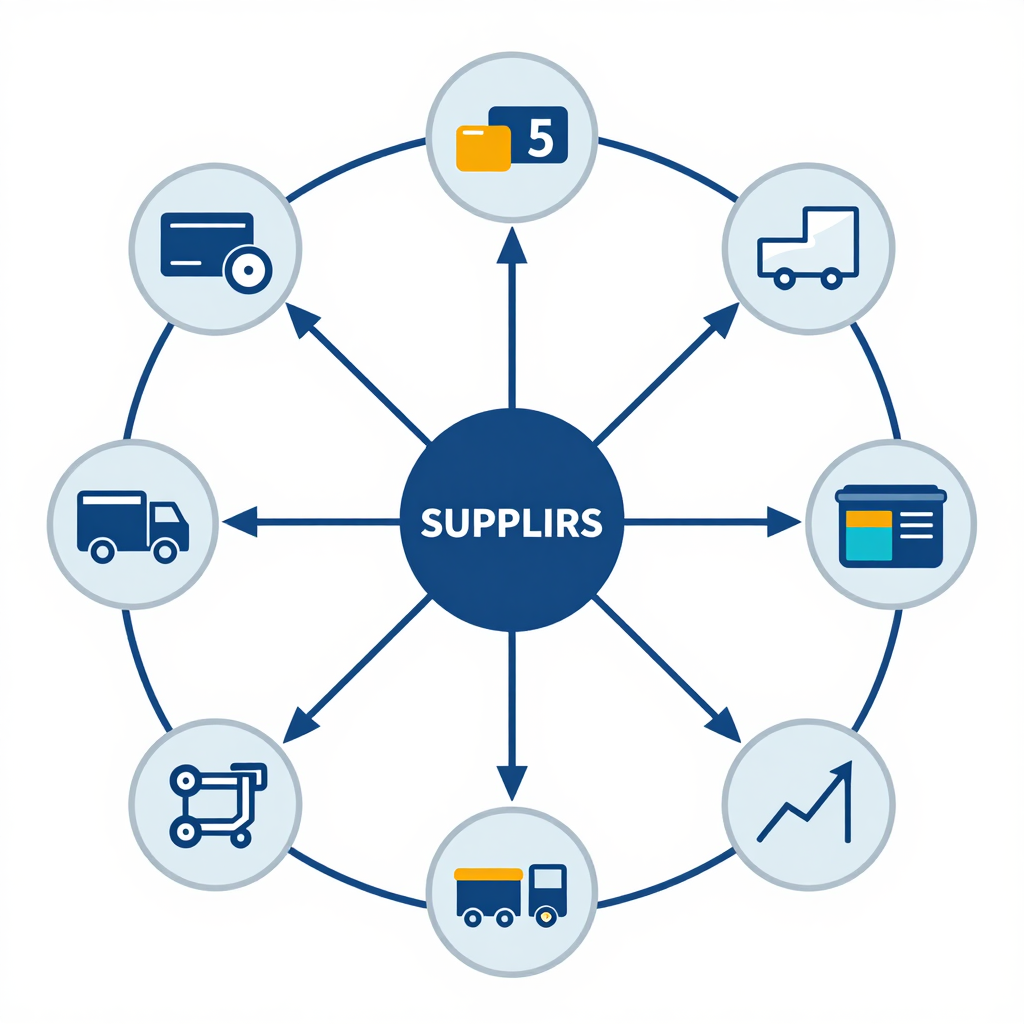
- Diversify supplier base: Avoid dependence on a single source by onboarding multiple vetted suppliers across regions.
- Strategic inventory buffers: Maintain safety stocks of critical components or finished goods to cushion against sudden order influxes.
- Flexible contracts: Negotiate agreements allowing volume adjustments without penalties.
- Collaborative partnerships: Leverage strong supplier relationships to gain early warnings and fast responses.
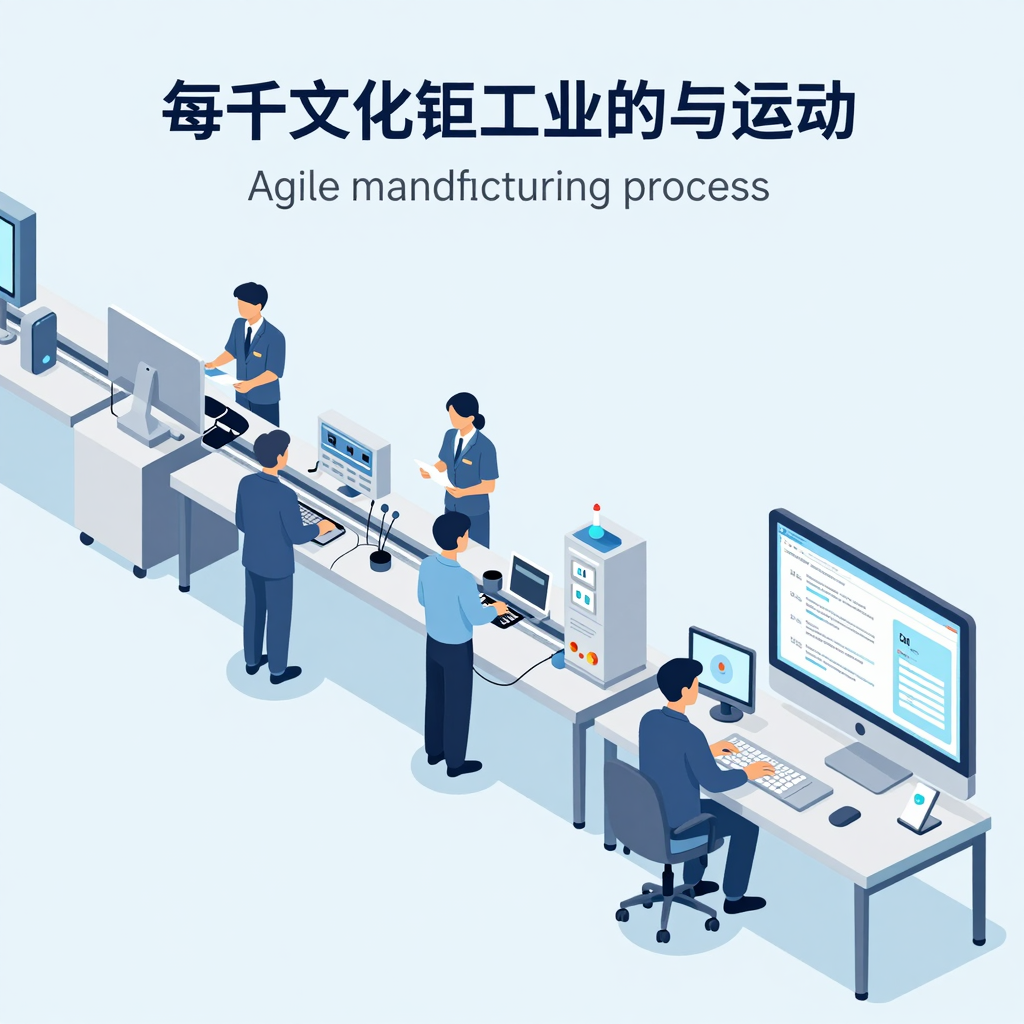
- Agile manufacturing: Equip facilities to switch between product lines and scale output efficiently.
Implementing Robust Risk Management: Anticipate and Mitigate Threats
Risk management underpins resilient supply chains. Best practices include:
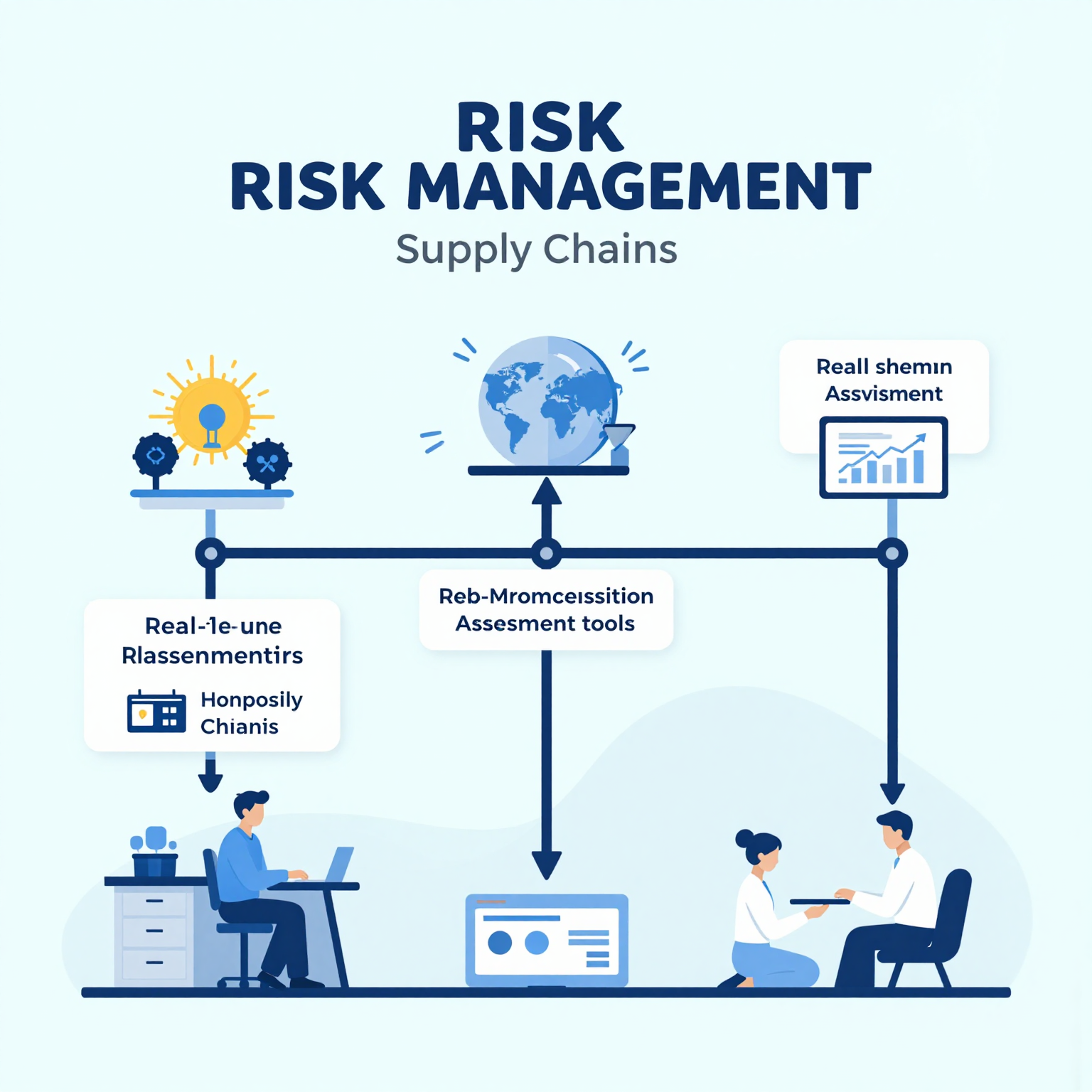
- Regular risk assessments: Map vulnerabilities across vendors, logistics, and production.
- Predictive analytics: Use data-driven tools to forecast demand trends, identify potential shortages, and plan accordingly.
- Scenario-based contingency plans: Develop “what-if” protocols for supplier failures, transport delays, or raw material scarcity.
- Crisis communication plans: Ensure transparent, rapid information flow across internal teams and partners.
- Insurance and financial buffers: Protect investments against supply disruptions through appropriate coverage and reserves.
Utilizing modern technology enables proactive identification of risks rather than reactive responses.
Conclusion
Preparing your supply chain for unexpected demand spikes requires a multifaceted approach—centered on building resilience, practicing robust risk management, and ensuring operational readiness. By diversifying suppliers, applying predictive tools, training teams, and investing in technology, businesses can mitigate risks and swiftly adapt to market changes. This proactive preparation not only minimizes disruption but also enhances customer trust and competitive advantage.
Want to fortify your supply chain against uncertainty? Contact us today for expert guidance tailored to your industry and scale.
FAQ
Q1: What is supply chain resilience?
Supply chain resilience refers to the ability to prepare for, respond to, and recover from unexpected disruptions or demand fluctuations without losing operational effectiveness.
Q2: How can predictive analytics help with demand spikes?
Predictive analytics uses historical and real-time data to forecast demand trends and potential supply chain risks, enabling proactive planning.
Relying on multiple suppliers reduces risk of failure due to disruptions at a single source, keeping supply continuous during spikes.
Q4: What technologies are essential for operational readiness?
Key technologies include real-time tracking systems, automated replenishment software, AI-driven forecasting tools, and warehouse management systems.
Q5: How often should risk assessments be conducted?
Regular risk assessments—at least bi-annually or when major changes occur—help keep supply chain strategies aligned with evolving threats.
Recent Blog

Top Logistics Trends Every D2C Brand Must Know in 2026
Top Logistics Trends Every D2C Brand Should Know in 2026:…
How Generative AI Cuts Logistics Costs with Smart Automation
How Generative AI Is Reducing Logistics Costs: Unlocking Smart Automation…

Dark Stores vs Warehouses: Who Wins in 2026 Quick Commerce?
Dark Stores vs Warehouses: Which Model Wins in 2026? Estimated…
