 :
:  :
: 

How Warehouse Organization Boosts Fulfillment Speed Effectively
How Warehouse Organization Improves Fulfillment Speed
Estimated reading time: 6 minutes
Key Takeaways

- Efficient warehouse organization is essential for competitive advantage.
- Improved inventory layout can significantly reduce fulfillment times.
- Optimized picking strategies enhance order accuracy and speed.
- Advanced storage solutions maximize space utilization and operational efficiency.
- Effective labor management is crucial for maintaining fulfillment speed.
Table of Contents
Introduction
In today’s fast-paced global marketplace, efficient warehouse organization is not just an operational necessity but a competitive advantage. From e-commerce giants to manufacturing units, reducing fulfillment speed has become paramount for meeting customer expectations and maintaining profitability. But how exactly does warehouse organization impact fulfillment speed? The answer lies in strategic inventory layout, optimized picking processes, efficient storage solutions, and effective labor management.
Warehouse operations worldwide, including in high-growth markets like India, are evolving rapidly, with companies investing heavily in technologies and layout redesigns to improve speed and accuracy. This article delves into the core methods and best practices for how warehouse organization improves fulfillment speed, demonstrating expert insights to elevate your operational game.
Understanding the Urgency: Why Fulfillment Speed Matters

The rise of same-day and next-day delivery options has put unprecedented pressure on warehouses to streamline their operations. According to recent industry reports, nearly 80% of customers expect faster shipping times than ever before. Delays not only impact customer satisfaction but also inflate costs and reduce throughput capacity.
Warehouses that fail to organize inventory effectively experience increased order processing times and higher error rates. The solution? A well-planned warehouse setup that prioritizes speed and minimizes inefficiencies.
Key Elements of Warehouse Organization That Boost Fulfillment Speed
1. Streamlined Inventory Layout
A primary factor in accelerating fulfillment speed is the effective organization of the warehouse layout. This begins with understanding product demand and strategically placing items for fast retrieval.
- ABC Analysis: Categorizing products into A (high-demand), B (moderate), and C (low-demand) groups ensures that frequently picked items are located closest to packing stations, significantly lowering picker travel time.
- Zoning: Assigning distinct zones for specific categories reduces confusion and speeds up item location.
- Slotting: Adjusting product placement based on size, weight, and turnover optimizes picking speed and decreases the chance of damage.
2. Enhanced Picking Processes
The speed of order fulfillment largely depends on how well warehouse picking is organized. Innovations in picking methods reduce wasted steps and increase accuracy.
- Batch Picking: Enables pickers to handle multiple similar orders simultaneously, optimizing route efficiency.
- Wave Picking: Coordinates picking with shipment schedules, delivering orders just in time without delays.
- Use of Technology: Scanners, RFID, and voice-picking devices guide workers accurately, minimizing errors and speeding up the process.
3. Efficient Storage Systems
Maximizing space without sacrificing speed is key to efficient warehouse operations.
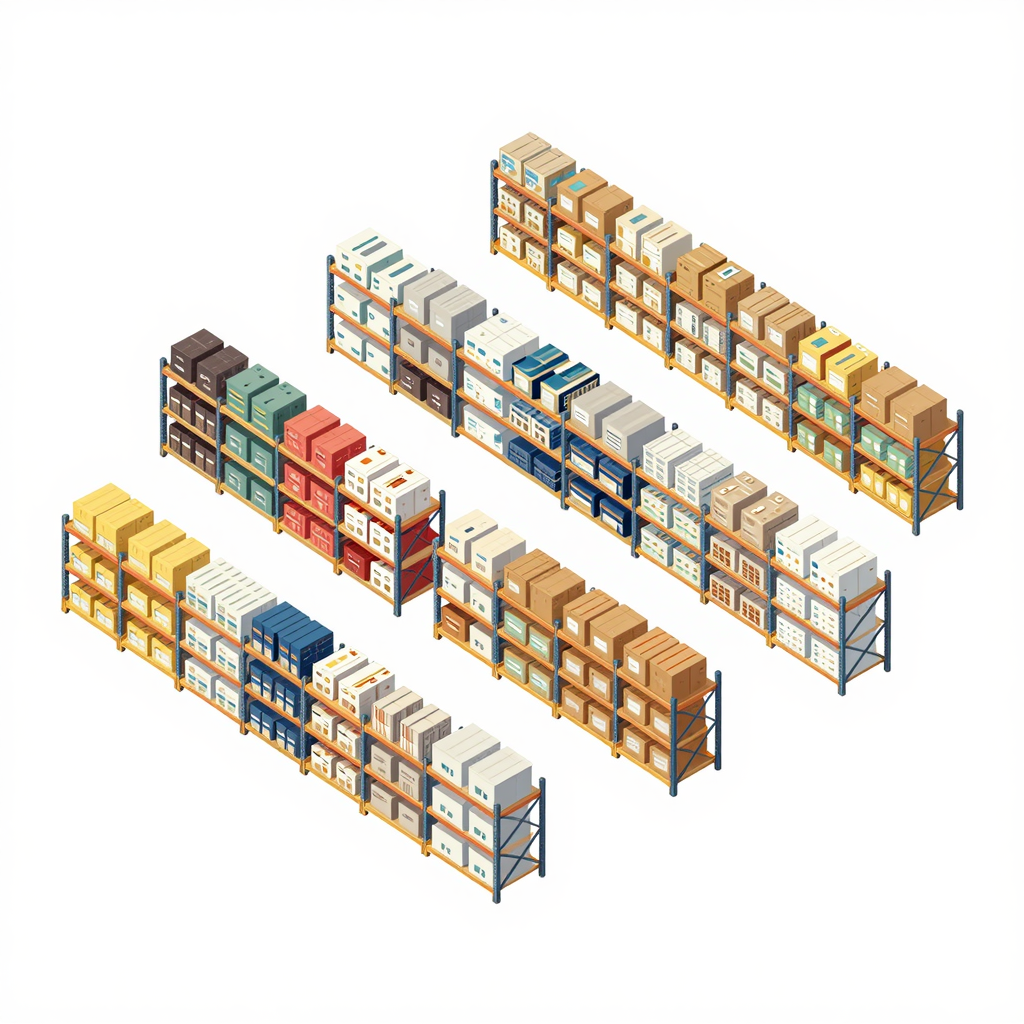
- Vertical Utilization: Storing products vertically with shelving or mezzanines frees floor space for workflow.
- FIFO/LIFO Management: Proper rotation keeps products fresh and accessible based on shelf life or priority.
- Automated Solutions: Technologies like AS/RS and conveyors enhance speed by moving items mechanically rather than manually.
4. Optimized Labor Management
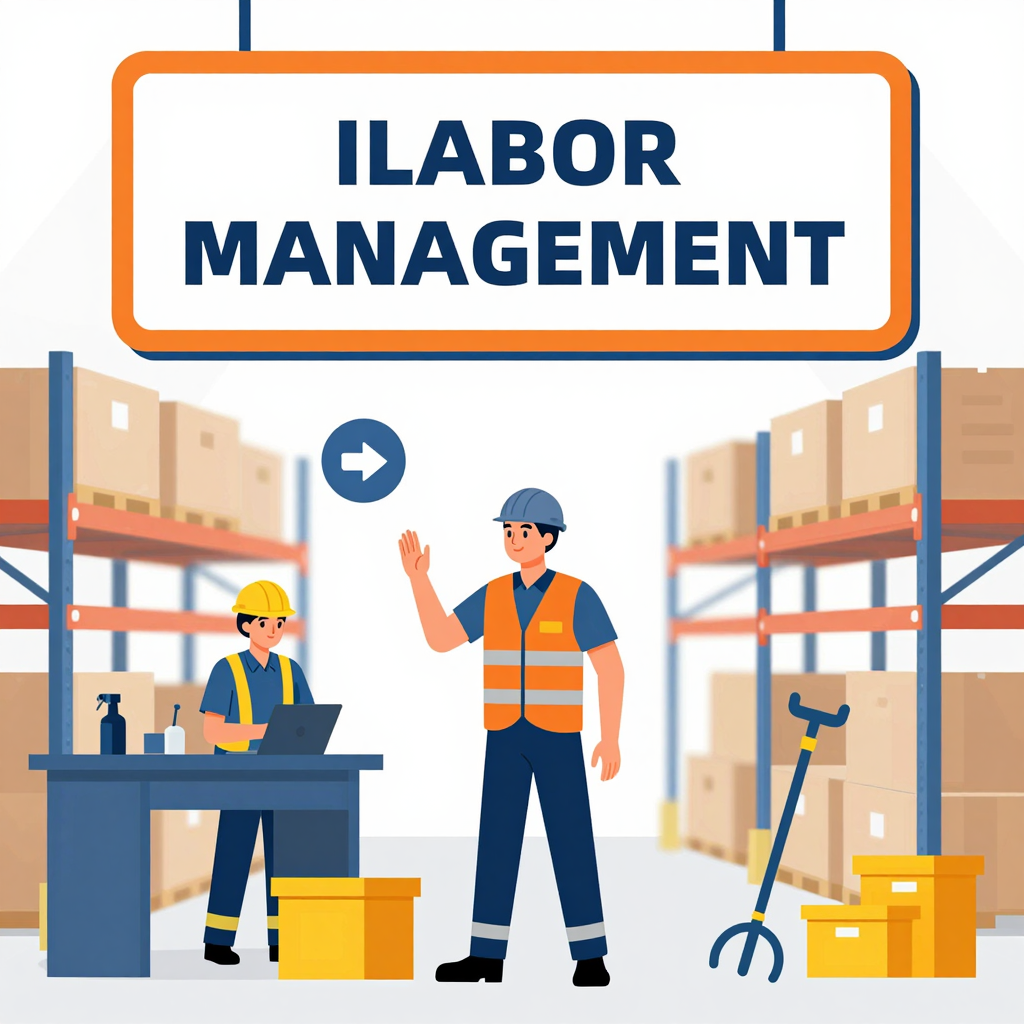
Labor is one of the most significant costs and contributors to speed in warehouse operations. Effective personnel management drives sustained speed improvements.
- Training and Ergonomics: Well-trained staff using ergonomic tools are faster and reduce workplace injuries.
- Real-Time Monitoring: Labor management software tracks performance metrics and dynamically redistributes workloads to avoid bottlenecks.
5. Clear Signage and Pathways
Easy navigation within a facility can drastically cut down picking and moving times.
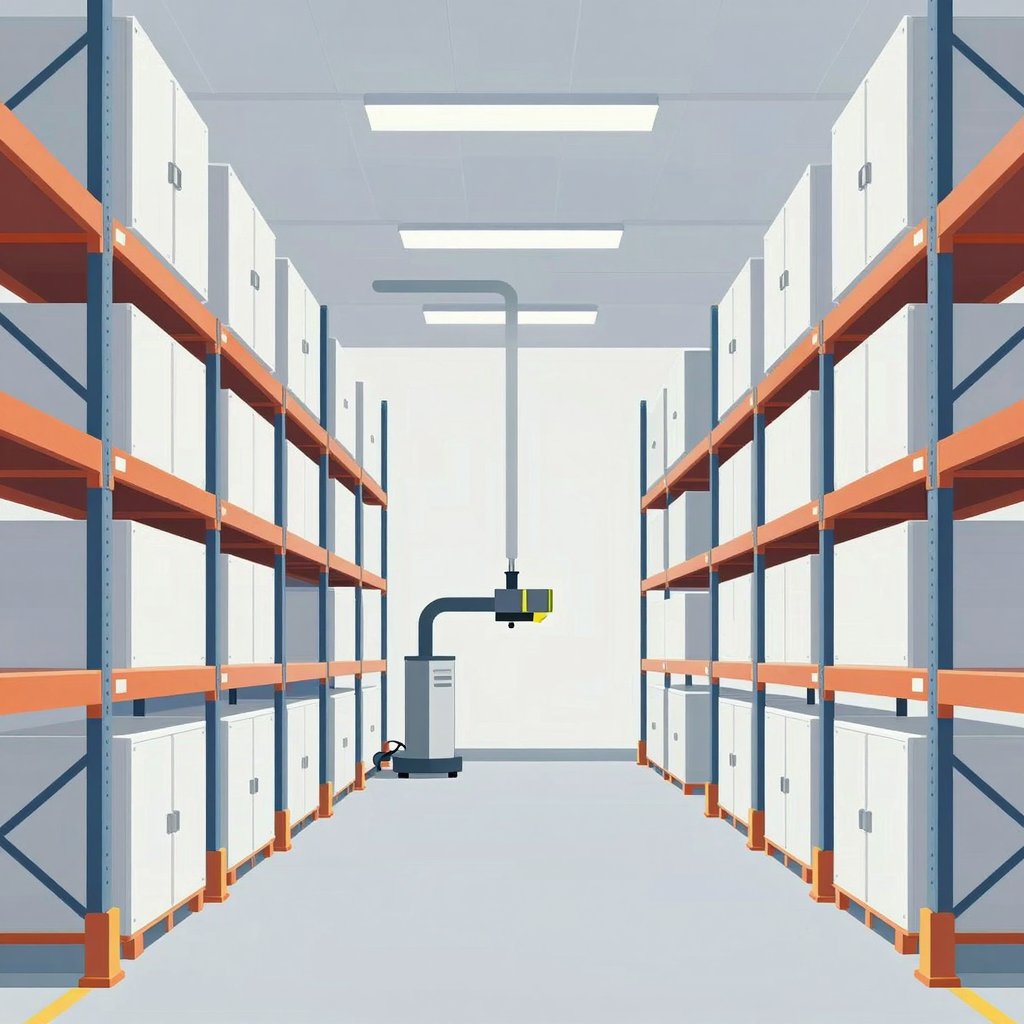
- Clear labeling of aisles, racks, and bins helps workers locate items quickly.
- Organized pathways enable efficient movement of forklifts and carts, reducing delays and hazards.
Real-World Examples: How Top Companies Use Warehouse Organization to Improve Speed
- Amazon: Uses a combination of AI-driven slotting and robotics to keep picking times minimal. They utilize Kiva robots to bring products directly to human pickers, slashing travel time.
- Walmart: Implements batch and wave picking synchronized with shipment schedules to optimize efficiency in their massive distribution centers.
- Zomato’s Cloud Kitchens: Organizes ingredients and packaging in zones, improving micro-fulfillment speed to meet rapid food delivery demands.
- Toyota: Uses FIFO management combined with ergonomic training to keep parts flowing smoothly in just-in-time manufacturing.
These examples showcase the adaptability of strategic warehouse organization across diverse industries and geographies.
Step-by-Step Guide to Organizing Your Warehouse for Faster Fulfillment
- Conduct a thorough inventory analysis: Use ABC classification to prioritize product placement.
- Design zoned layout: Group related items into clear zones near packing or shipping areas.
- Implement optimized picking strategies: Choose batch or wave picking based on order profiles.
- Invest in technology: Equip pickers with barcode scanners, RFID, or voice assistance.
- Enhance vertical storage: Install mezzanines or tall shelving units to maximize space.
- Train staff regularly: Focus on ergonomic techniques and order accuracy.
- Set up clear signage: Label aisles, bins, and walkways for intuitive navigation.
- Monitor and adjust: Use labor management software to continuously improve workflows.
Benefits and Practical Tips for Sustained Efficiency
- Reduced travel time between picks leads to faster order processing.
- Decreased picking errors improve accuracy and reduce costly returns.
- Improved worker morale and safety from ergonomic and clear layout strategies.
- Increased storage capacity without geographic expansion by using vertical space.
- Better adaptability to seasonal demand surges with flexible zoning and picking techniques.
Tips:
- Regularly review product demand trends for slotting updates.
- Incorporate employee feedback on workflow improvements.
- Invest progressively in automation to scale operations.
- Keep pathways uncluttered to maintain safety and speed.
Future Trends in Warehouse Organization and Fulfillment Speed
Advancements like artificial intelligence, robotics, and augmented reality are poised to revolutionize warehouse efficiency. AI will automate slotting and order prediction, while AR can guide workers visually through picking routes. Robotics will become smarter, collaborating seamlessly with human operators.
Sustainability is also becoming central, with green warehouse design focusing on energy efficiency while maintaining speed.
Staying informed and adaptable will allow warehouses to maintain leadership in fulfillment speed amidst evolving technologies.
Conclusion
How warehouse organization improves fulfillment speed cannot be overstated in the quest for operational excellence. By embracing strategic layout planning, improved picking methodologies, efficient storage solutions, and smart labor management, warehouses dramatically reduce order lead times while elevating accuracy and worker satisfaction. This results in not only faster fulfillment but also an enhanced customer experience — a vital competitive edge in today’s marketplace.
Investing in these warehouse organization strategies is an investment in your business’s future growth and customer retention. Ready to transform your warehouse operations and boost fulfillment speed? Contact us today!
FAQ
Q: What is the importance of ABC analysis in warehouse organization?
A: ABC analysis classifies inventory based on picking frequency, allowing faster access to high-demand items and reducing travel time.
Q: How does technology improve picking accuracy?
A: Tools like barcode scanners and RFID reduce manual errors by guiding pickers to the correct items and quantities in real-time.
Q: What benefits does vertical storage offer?
A: Vertical storage maximizes cubic space, increasing storage capacity without expanding warehouse footprints, and improves workflow efficiency by clearing aisles.
Q: Which picking method is best for small batch orders?
A: Batch picking is effective for small batches by grouping similar orders together, reducing repetitive trips.
Q: How can labor management systems increase fulfillment speed?
A: They monitor performance and dynamically assign tasks, balancing workloads and preventing bottlenecks.
Recent Blog

Top Logistics Trends Every D2C Brand Must Know in 2026
Top Logistics Trends Every D2C Brand Should Know in 2026:…
How Generative AI Cuts Logistics Costs with Smart Automation
How Generative AI Is Reducing Logistics Costs: Unlocking Smart Automation…

Dark Stores vs Warehouses: Who Wins in 2026 Quick Commerce?
Dark Stores vs Warehouses: Which Model Wins in 2026? Estimated…
