 :
:  :
: 

Top Warehouse Technologies Changing Operations in 2026
Top Warehouse Technologies Changing Operations in 2026: Automation Adoption Continues to Grow
Estimated reading time: 8 minutes
Key Takeaways
- Automation is reshaping warehouse operations and increasing efficiency.
- AI and machine learning are paving the way for advanced warehouse management systems.
- IOT devices enhance tracking and monitoring in real-time.
- Augmented reality and wearables improve worker productivity and safety.
- Sustainability initiatives are becoming crucial within warehouses.
Table of Contents

Introduction
In 2026, warehouse operations are undergoing a monumental transformation through the integration of advanced technologies. **Top warehouse technologies changing operations in 2026** are not just about improving efficiency—they symbolize a fundamental shift toward sustainable, automated, and smart warehouses that can adapt to rapidly evolving market demands. As industries worldwide embrace digitalization, the automation adoption continues to grow, reshaping how inventory management, order fulfillment, and safety protocols function. This trend is particularly visible in India’s expanding e-commerce sector, where fast delivery and accuracy are paramount, as well as in global logistics hubs striving for operational excellence.
This article explores the cutting-edge technologies revolutionizing warehouses in 2026, demonstrating innovation that enhances productivity, reduces costs, boosts accuracy, and supports sustainable practices. We’ll delve into robotics, AI-powered warehouse management systems, IoT devices, augmented reality wearables, and eco-friendly energy solutions. Whether you’re a warehouse manager, technology provider, or supply chain enthusiast, understanding these advancements will prepare you for the future of warehousing.
1. Automation Adoption Continues to Grow

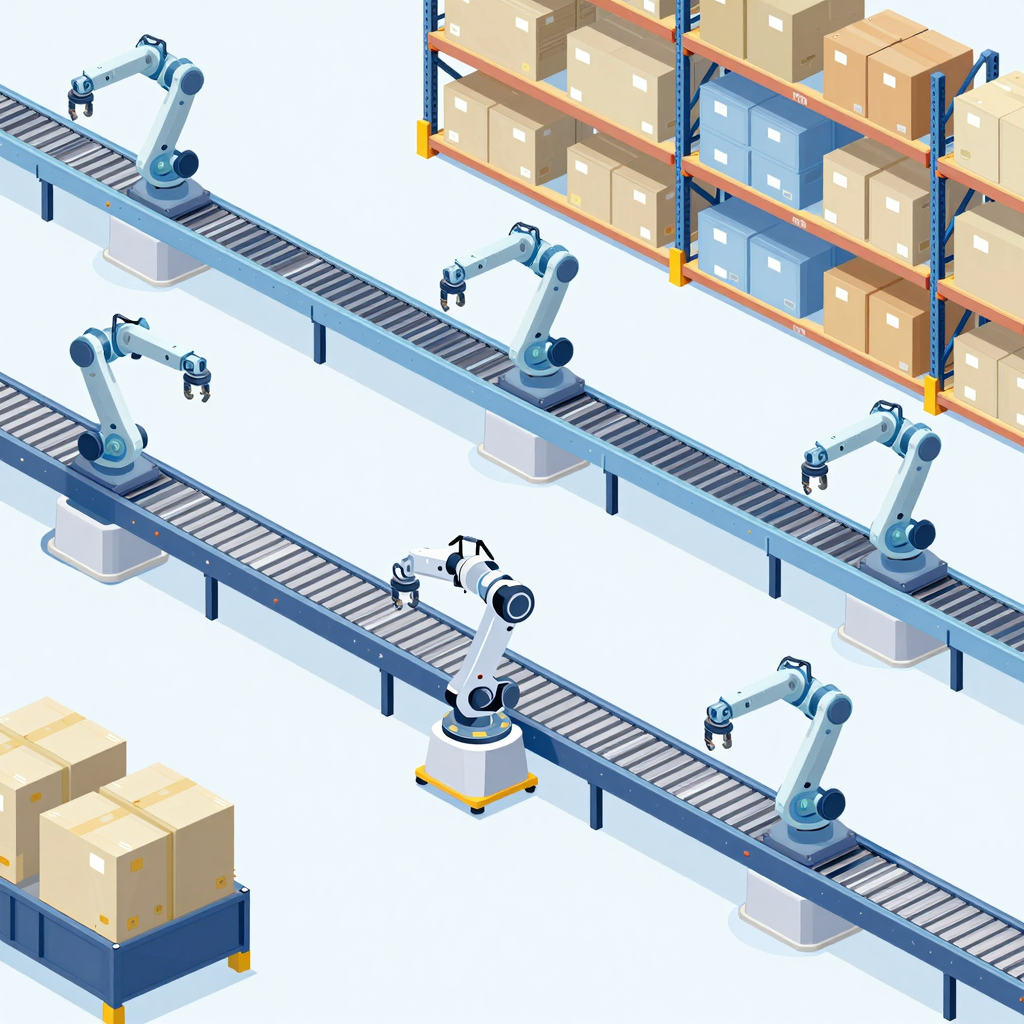
One of the most significant trends driving warehouse transformation in 2026 is the rapid adoption of automation technologies. Automation reduces human error, labor costs, and operational bottlenecks by streamlining repetitive tasks.
Key Technologies:
- Robotics and Autonomous Guided Vehicles (AGVs): These machines perform picking, packing, and sorting tasks autonomously, accelerating throughput and optimizing floor space. For example, companies like Amazon and DHL have deployed AGVs to handle heavy loads and navigate warehouse aisles efficiently.
- Automated Storage and Retrieval Systems (AS/RS): AS/RS solutions automate the process of storing and retrieving inventory using automated cranes and conveyor systems, improving accuracy and fulfillment speed.
- Drones for Inventory Management: Warehouses are increasingly using drones to scan inventory and monitor warehouse conditions in real-time, reducing labor-intensive manual stock checks and enhancing operational visibility.
Automation adoption continues to grow as these technologies become more affordable and scalable across warehouse sizes and industries.
2. Advanced Warehouse Management Systems (WMS)
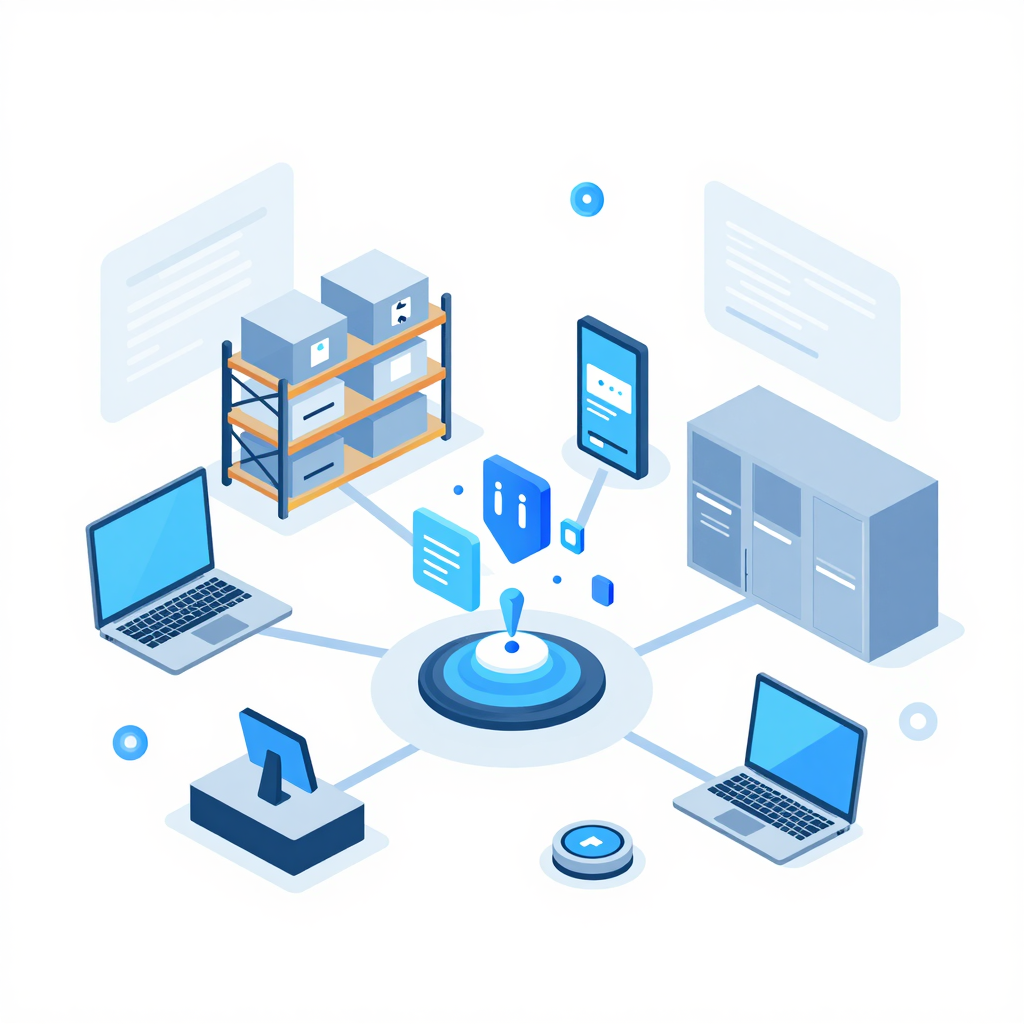
Warehouse Management Systems are the brains behind modern warehouses. In 2026, these systems have evolved into holistic platforms powered by AI and machine learning.
How AI-Driven WMS Works:
- Predictive Analytics: AI models analyze historical and real-time data to forecast inventory demand, helping warehouses avoid overstocking or stockouts.
- Resource Optimization: Machine learning algorithms optimize labor scheduling and equipment usage, improving cost efficiency.
- Cloud-Based Solutions: Cloud-hosted WMS applications offer real-time, scalable data access, facilitating collaboration between multiple warehouse locations globally.
These advancements help warehouses stay agile in a fluctuating supply chain landscape.
3. Internet of Things (IoT) and Sensors
IoT continues to weave connectivity into every corner of warehouse operations, providing detailed insights and automation capabilities.
IoT Applications in Warehouses:
- Real-time Asset Tracking: Connected sensors monitor the location and condition of goods and equipment, providing alerts when anomalies occur.
- Smart Shelves and Bins: Shelving units equipped with weight and motion sensors automatically track inventory levels and trigger replenishment orders without manual intervention.
- Safety Monitoring: Environmental sensors track temperature, humidity, and hazardous conditions to safeguard goods and employees.
IoT integration results in a transparent, proactive, and safe warehouse environment.
4. Augmented Reality (AR) and Wearables
The warehouse floor is becoming a high-tech workspace thanks to AR and wearable technologies.
Enhancing Worker Productivity:
- AR Glasses: These devices provide pick-by-vision guidance, displaying optimal routes and item locations, reducing picking errors and training time.
- Voice-Directed Warehousing: Workers use voice commands to receive instructions and confirm tasks hands-free, improving speed and accuracy.
- Wearable Sensors: Devices monitor worker health and ergonomic posture to reduce injury risks and fatigue.
Augmented reality and wearables empower warehouse employees by combining technological assistance with human dexterity.
5. Sustainable and Energy-Efficient Technologies
Sustainability has become a critical focus for warehouses striving to reduce their carbon footprint and operational costs.
Green Innovations:
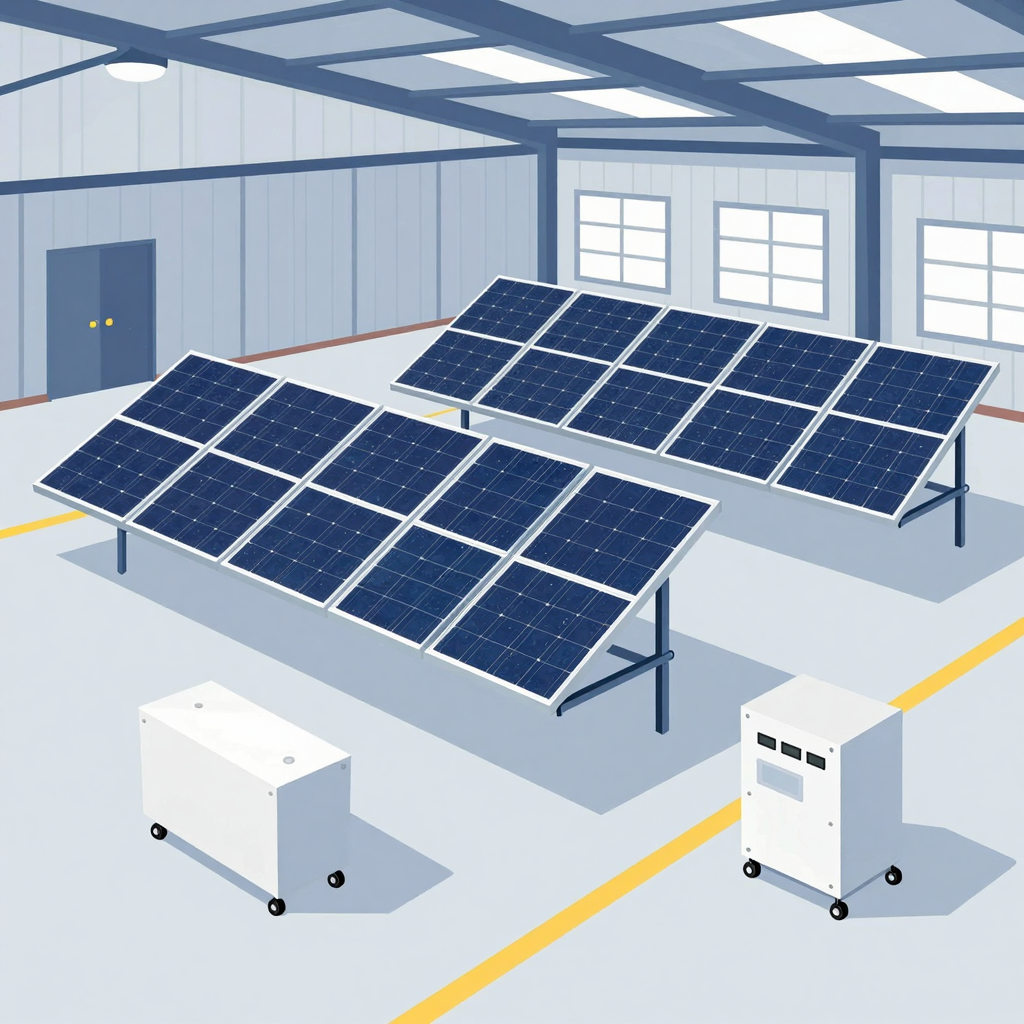
- Renewable Energy Solutions: Many warehouses now integrate solar panels and energy storage systems to power operations sustainably.
- Electric-Powered Equipment: Forklifts and delivery vehicles running on electric energy reduce emissions and noise pollution within warehouses.
- Smart Climate Control: AI-driven heating, ventilation, and cooling systems optimize warehouse environments to preserve products and conserve energy.
These technologies help warehouses meet regulatory standards while supporting corporate social responsibility goals.
Real Examples Across Industries
Across various sectors, warehouses are reaping the benefits of these technologies:
- Retail: Walmart employs robots and AI-powered WMS to manage seasonal demand spikes, increasing order accuracy by 30%.
- Manufacturing: Toyota’s logistics centers use AGVs and IoT sensors to streamline just-in-time inventory replenishment, reducing lead times by 25%.
- Pharmaceutical: Pfizer uses AR wearables for precise order picking, critical for handling sensitive medications.
- E-commerce: Flipkart innovates with drones for inventory checks in sprawling warehouses, improving inventory count accuracy dramatically.
These examples showcase how innovation leads to tangible improvements in performance and customer satisfaction.
Step-by-Step Guide to Implementing Warehouse Technology in 2026
- Assess Current Operations: Identify bottlenecks and inefficiencies in your warehouse.
- Set Clear Objectives: Define what you want to achieve—cost reduction, speed, accuracy, or sustainability.
- Choose Suitable Technologies: Select automation, WMS, or IoT solutions that align with your goals and budget.
- Pilot Programs: Test new technologies in controlled sections before full-scale deployment.
- Train Employees: Provide comprehensive training for workers on new devices and systems.
- Integrate Systems: Ensure new solutions communicate effectively with existing infrastructure.
- Monitor and Optimize: Use data analytics to continuously improve processes and adjust technology use.
- Scale Gradually: Expand successful implementations across operations for full benefits.
Following these steps ensures a smooth transition to the warehouses of the future.
Benefits and Tips for Leveraging Warehouse Technology
- Increased Efficiency: Automate repetitive tasks to free workers for higher-value roles.
- Enhanced Accuracy: Reduce human error with AI guidance and sensor tracking.
- Cost Savings: Lower labor and operational costs through automation and energy efficiency.
- Improved Safety: Monitor environmental and worker health conditions proactively.
- Scalability: Choose cloud-based and modular solutions to grow with business needs.
- Stay Updated: Regularly review emerging technologies to maintain competitive advantage.
Future Trends to Watch
- AI-Powered Autonomous Warehouses: Fully automated facilities with minimal human intervention are on the horizon.
- Blockchain for Supply Chain Transparency: Ensuring data integrity and traceability from origin to delivery.
- Collaborative Robots (Cobots): Robots working alongside humans to enhance productivity and safety.
- 5G Connectivity: Faster and more reliable communication between devices in large warehouses.
- Eco-Friendly Automation: Growing emphasis on green robotics and sustainable manufacturing practices.
These trends will continue to redefine warehouse operations beyond 2026.
Conclusion
The **top warehouse technologies changing operations in 2026** illustrate a dynamic evolution driven by automation adoption and technological innovation. From robotics and AI-powered WMS to IoT sensors and sustainable solutions, warehouses are becoming smarter, faster, and greener. Embracing these technologies delivers measurable benefits including cost savings, improved accuracy, and enhanced workforce productivity. For businesses aiming to stay competitive in the global supply chain, investing in these advancements is no longer optional—it’s essential.
Are you ready to transform your warehouse operations and harness the power of innovation? **Contact us today** to discover tailored technology solutions that will elevate your warehouse performance in 2026 and beyond.
FAQ
Q1: What is the most impactful technology changing warehouses in 2026?
Automation tools like robotics and AI-enabled Warehouse Management Systems are leading the way by dramatically improving efficiency and accuracy.
Q2: How can small warehouses adopt these advanced technologies?
Start with scalable cloud-based WMS and affordable automation solutions like simple AGVs or IoT sensor kits tailored to warehouse size and budget.
Q3: Are these technologies safe for warehouse workers?
Yes, wearable tech and IoT environmental sensors actively monitor safety and reduce workplace injuries.
Q4: How does sustainability fit into warehouse automation?
Green energy-powered equipment and smart climate control optimize energy use while reducing the environmental footprint.
Q5: Can these technologies integrate with existing warehouse systems?
Most modern solutions are designed for easy integration through APIs and cloud platforms, ensuring smooth interoperability.
Recent Blog

Top Logistics Trends Every D2C Brand Must Know in 2026
Top Logistics Trends Every D2C Brand Should Know in 2026:…
How Generative AI Cuts Logistics Costs with Smart Automation
How Generative AI Is Reducing Logistics Costs: Unlocking Smart Automation…

Dark Stores vs Warehouses: Who Wins in 2026 Quick Commerce?
Dark Stores vs Warehouses: Which Model Wins in 2026? Estimated…
