 :
:  :
: 
Indian D2C Brands Conquering Global Markets in 2026
From Local to Global: How Indian D2C Brands are Conquering International Markets in 2026
Estimated reading time: 6 minutes
Key Takeaways

- Indian D2C brands are redefining global commerce by leveraging technology and cultural authenticity.
- The D2C model promotes direct consumer engagement, enhancing brand loyalty and customer experiences.
- Strategic government initiatives are supporting small and medium enterprises in scaling internationally.
- Marketplaces and social media play a crucial role in expanding the reach of Indian brands globally.
- Challenges such as regulatory compliance and supply chain complexities are being addressed through innovative solutions.
Table of Contents
Introduction

The landscape of Indian commerce has transformed dramatically in recent years, with Direct-to-Consumer (D2C) brands leading this dynamic change. The compelling journey from local to global: how Indian D2C brands are conquering international markets in 2026 highlights a significant milestone. No longer confined within domestic boundaries, Indian D2C companies are expanding their footprints internationally, showcasing a blend of tradition, innovation, and tech-savvy strategies to reach diverse global consumers.
This shift has been propelled by India’s accelerated digital adoption, evolving consumer behaviors, and the advantages offered by a direct connection between brands and customers. In 2026, Indian D2C brands are not just participating — they are thriving and setting trends worldwide. This article explores the factors fueling this global rise and the inspiring success stories redefining Indian entrepreneurship on the world stage.
The Rise of Indian D2C Brands
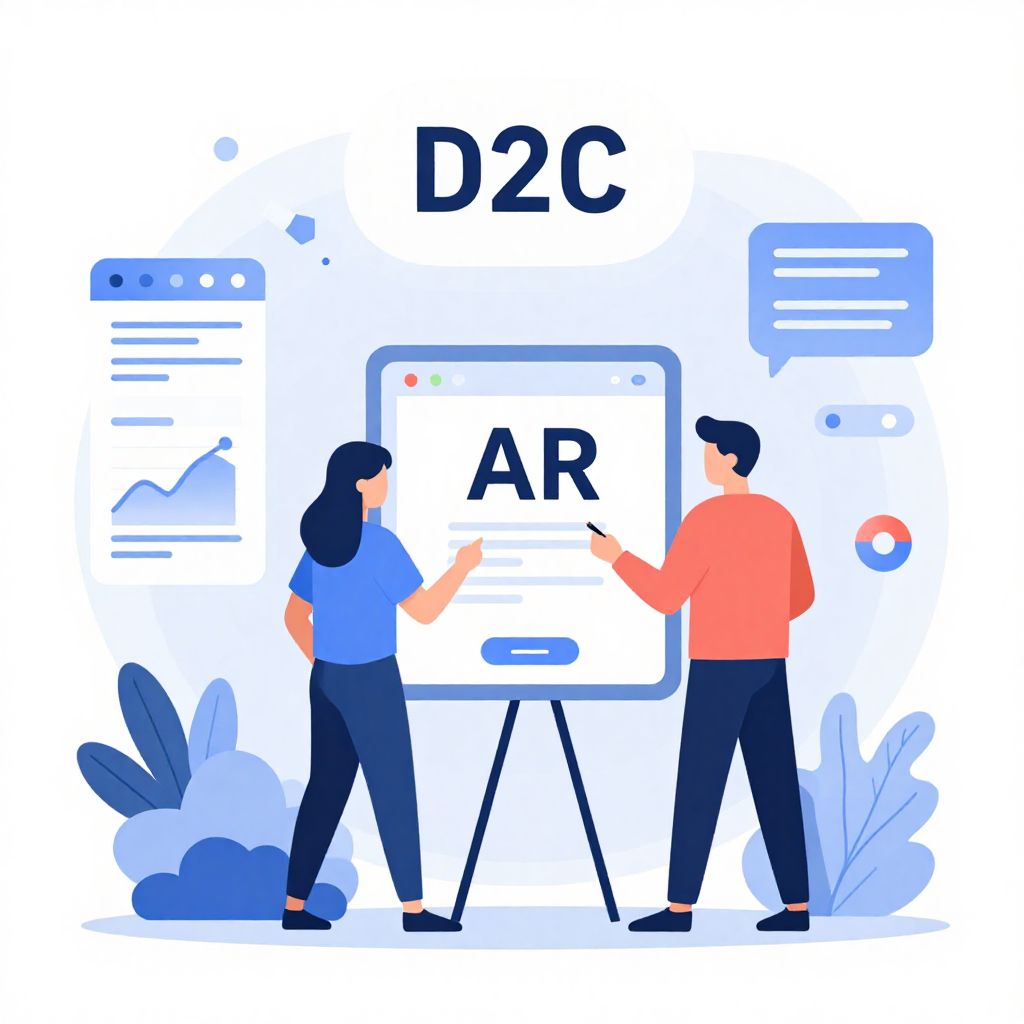
The traditional Indian retail scene heavily relied on intermediaries—distributors, retailers, and wholesalers—that often diluted brand value and consumer engagement. However, the D2C model allows brands to build direct relationships with their customers, making every touchpoint meaningful. This model is characterized by:
- Ownership of Customer Data: Enables hyper-personalization in marketing and product innovation.
- Cost Efficiency: Cutting out middlemen leads to better margins and competitive pricing.
- Agility: Quick response to consumer trends and feedback improves product-market fit.
- Brand Control: Total command over messaging, branding, and customer experience.
Such control and efficiency make Indian D2C brands well-positioned to scale domestically before embarking on global expansions, turning local success into international appeal.
Key Drivers of Global Expansion in 2026
1. Digital Infrastructure and E-Commerce Maturity
India’s expanded internet connectivity, mobile penetration, and secure digital payments provide an accessible and scalable platform for D2C brands to reach customers worldwide. Mature logistics networks and partnerships facilitate smooth cross-border shipping.
2. International Consumer Demand
Global shoppers are increasingly drawn to products that reflect Indian culture, quality, and innovation. These include:
- Handicrafts and ethnic apparel reflecting authentic heritage.
- Ayurvedic wellness, natural cosmetics, and organic personal care.
- Affordable and innovative electronics and gadgets.
- Unique, effective beauty and skincare items with natural ingredients.
3. Strategic Use of Marketplaces and Social Media
By leveraging platforms such as Shopify, Amazon Global Store, Instagram Shops, and collaborations with international influencers, Indian D2C brands craft compelling brand narratives that engage overseas audiences, building trust and accessibility.
4. Government Initiatives and Support
Programs like Make in India and Startup India, alongside export incentives, have reduced barriers for small and medium enterprises aiming for overseas markets. These policies provide crucial resources and financial assistance to scale globally.
Success Stories: Indian Brands Going Global in 2026
- Mamaearth: Evolving from an Indian natural beauty brand to a global player, Mamaearth has successfully captured markets in the USA, UAE, and Southeast Asia by focusing on toxin-free personal care products aligned with global wellness trends.
- boAt: Known for stylish, affordable audio wearables, boAt has penetrated Western and Middle Eastern markets, beating competitors through innovation and vibrant community engagement.
- Fabindia: This ethnic apparel and home décor giant exports sustainable, handcrafted products catering to the international demand for ethical fashion and eco-friendly home goods.
- Lenskart: Leveraging tech innovations like virtual try-ons and affordable pricing, Lenskart is rapidly expanding to Western and Asian countries, redefining eyewear retail.
These brands exemplify how strategic innovation combined with cultural authenticity can meet the expectations of global consumers.
Challenges and How Brands Are Overcoming Them
While international markets offer immense potential, Indian D2C brands face hurdles such as:
- Regulatory Compliance: Navigating diverse import/export laws and regulations requires hiring local legal experts and partners to ensure smooth market entry.
- Cultural Nuances: Brands invest in deep market research and develop localized content and marketing strategies to resonate authentically with different audiences.
- Supply Chain Complexities: Partnerships with global logistics providers and AI-driven inventory management systems help reduce delays and optimize delivery.
By proactively addressing these challenges, Indian D2C brands can sustain growth and build long-term trust with international customers.
The Road Ahead: Trends to Watch
Looking ahead, several trends will shape the trajectory of Indian D2C brands on the global stage:
- Sustainable and Ethical Products: Rising global awareness fuels demand for environmentally friendly and socially responsible products, a natural fit with many Indian brands’ values.
- Tech-Enabled Customer Experiences: Innovations like augmented reality (AR) for virtual product try-ons, AI for hyper-personalized shopping, and blockchain for supply chain transparency are set to revolutionize customer engagement.
- Collaborations and Acquisitions: Indian brands are increasingly partnering with or acquiring international players to gain market insights, expand product offerings, and accelerate growth.
Embracing these strategies will solidify Indian D2C brands’ competitive advantage worldwide.
FAQ
What makes Indian D2C brands stand out in international markets?
Their unique fusion of traditional craftsmanship with modern production, focus on natural and sustainable products, and tech adoption provides distinct global appeal.
How do Indian D2C brands manage global logistics challenges?
Through collaborations with international logistics providers, advanced inventory management, and leveraging government export facilitation programs.
Are there government incentives supporting Indian brands’ global expansion?
Yes, schemes like Make in India, Export Promotion Programs, and Startup India provide funding, policy support, and infrastructure benefits.
What role does technology play in Indian D2C brands’ global success?
Technology enables direct consumer engagement, personalized marketing, seamless e-commerce experiences, and efficient supply chain operations.
Conclusion
From local to global: how Indian D2C brands are conquering international markets in 2026 is a narrative of ambition, innovation, and cultural pride. With strategic use of technology, deep consumer insight, and supportive government frameworks, Indian D2C brands are not only expanding their geographic reach but also redefining India’s presence on the global economic map.
As these brands continue to innovate and adapt, they are setting inspiring examples for entrepreneurs worldwide. Are you ready to take your brand global? Contact us today!
Recent Blog
Top Logistics Trends Every D2C Brand Must Know in 2026
Top Logistics Trends Every D2C Brand Should Know in 2026:…
How Generative AI Cuts Logistics Costs with Smart Automation
How Generative AI Is Reducing Logistics Costs: Unlocking Smart Automation…
Dark Stores vs Warehouses: Who Wins in 2026 Quick Commerce?
Dark Stores vs Warehouses: Which Model Wins in 2026? Estimated…
