 :
:  :
: 
Save Packaging Costs Without Increasing Damage
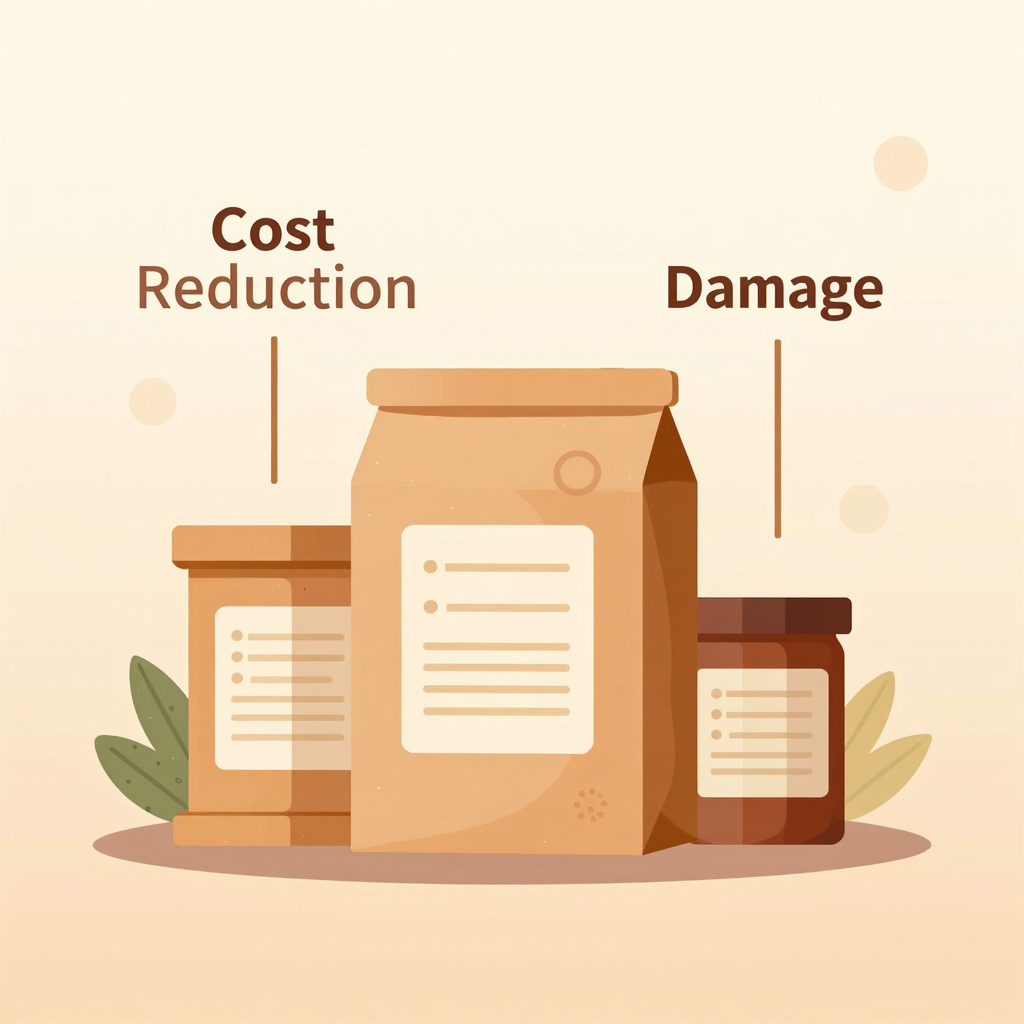
Packaging Optimization: Save Cost Without Damage – A Proven Approach to Cut Expenses and Enhance Customer Satisfaction
Estimated reading time: 8 minutes
Key Takeaways
- Rising packaging costs and damage complaints can significantly impact profitability and customer trust.
- Effective packaging optimization reduces costs through right-sizing and material substitution.
- Customer satisfaction can be enhanced by minimizing damage during transit and improving the unboxing experience.
- Collaboration between packaging and logistics teams is essential for effective solutions.
- Implementing sustainability practices not only saves costs but also strengthens brand reputation.
Table of Contents
Introduction
In today’s competitive market, businesses face the dual challenge of rising packaging costs and increasing damage complaints. Packaging optimization: save cost without damage is no longer a luxury—it’s a necessity to sustain profitability and customer trust. Globally, the cost of packaging materials like cardboard and plastics has escalated significantly, while logistics expenses continue to rise due to inefficient packaging designs. In India and worldwide, companies are grappling with damage complaints that harm brand reputation and spike return-related costs.
This article dives into the root causes of these challenges, shares actionable strategies to optimize packaging, and highlights the importance of integrating packaging design with logistics. We’ll breakdown before/after cost analyses, showcasing tangible savings and operational improvements. Whether you’re in manufacturing, retail, or e-commerce, these insights will empower you to reduce waste, cut costs, and enhance your customers’ unboxing experience.
Current Situation: Rising Packaging Costs + Damage Complaints
Increasing Packaging Costs
Raw material prices continue to rise—cardboard and plastics have seen annual price increases of 5-10%. These spikes directly impact packaging budgets, squeezing margins. Additionally, inefficient or oversized packaging contributes to higher transportation costs by occupying excess freight space, leading to increased fuel use and shipping fees.
Damage Complaints Climbing
Customer returns due to damaged goods have surged by nearly 25% in the last six months, reflecting gaps in packaging protection. Damage leads not only to direct replacement costs but also indirect losses from dissatisfied customers and deteriorated brand loyalty. Negative reviews and higher complaint volumes dent long-term growth, making damage control a top priority.
Causes of Rising Costs and Damage
Understanding why costs and damage rates are escalating helps pinpoint effective solutions.
- Over-packaging: Companies often use more material than necessary, increasing costs without adding protection.
- Under-packaging: Using insufficient cushioning or weak designs leads to product breakage.
- Poor packaging design: Lack of shock absorption, inappropriate materials, or designs not suited for shipping stresses.
- Disjointed packaging and logistics: When teams work in silos, packaging isn’t optimized for transport handling, palletization, or storage.
Packaging Optimization Strategies
1. Right-Sizing Packaging
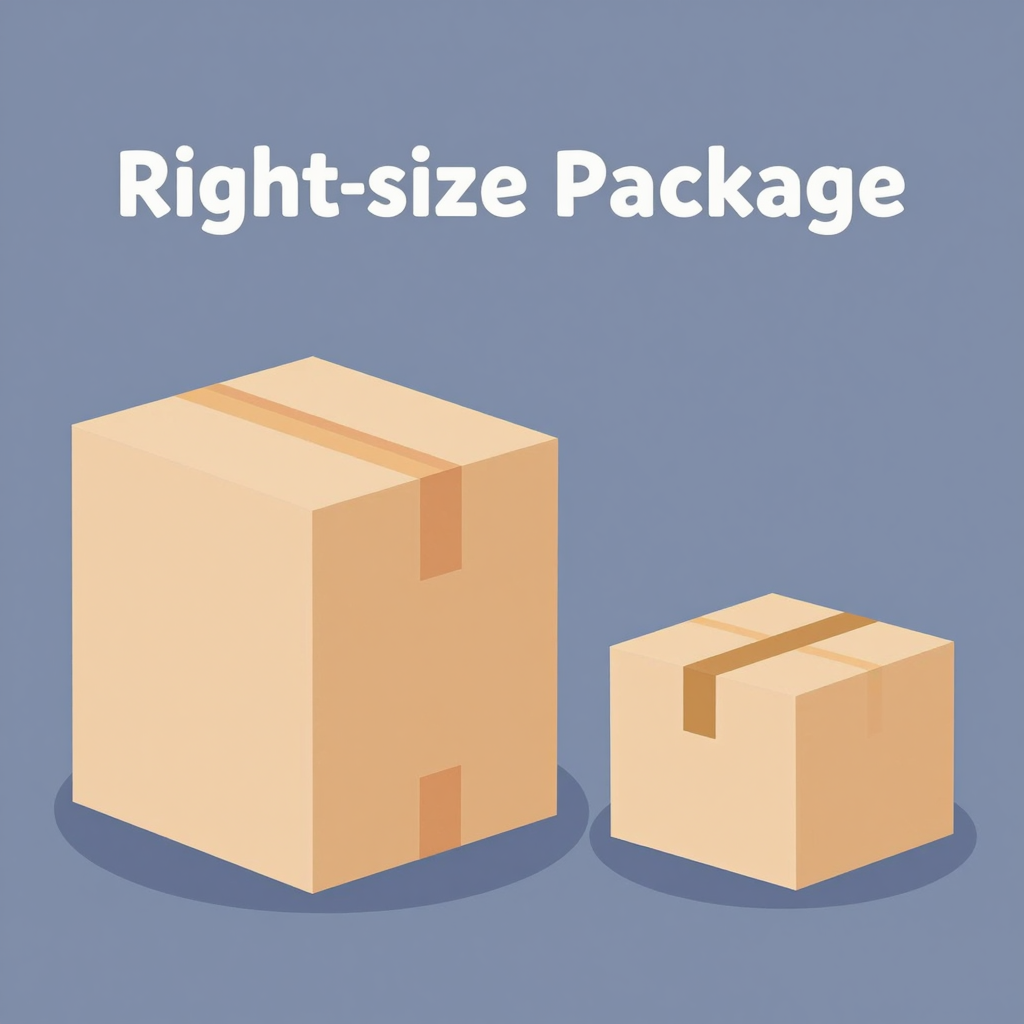
Choose containers that fit products closely. Right-sizing reduces material consumption and limits product movement inside the box, mitigating damage risk.
2. Material Substitution
Switch to cost-effective, sustainable materials that provide equivalent protection—for instance, replacing plastic bubble wrap with molded pulp inserts.
3. Protective Inserts and Cushioning
Use eco-friendly padding such as biodegradable peanuts or recycled foam to absorb shock without adding unnecessary weight or volume.
4. Design for Logistics
Work closely with logistics to reinforce packaging based on the transportation mode and handling. Designs that support pallet stacking and vibration resistance can dramatically lower damage rates.
5. Standardization
Implement uniform packaging sizes and materials across product lines to improve purchasing efficiency and reduce complexity in handling.
Packaging + Logistics Integration
An integrated approach between packaging engineers and logistics teams ensures packaging not only protects but also streamlines shipment and handling.
- Collaborative Design: Joint meetings to align packaging specs with transport realities.
- Simulate Transportation Stresses: Testing packaging prototypes through vibration, drop, and compression tests mimics real transport conditions.
- Optimize Pallet Patterns: Intelligent stacking reduces movement and damage while maximizing freight capacity.
- Handling Protocols Training: Educate warehouse and freight handlers on optimal treatment for packages to avoid mishandling.
This integration reduces surprises during shipment and avoids costly last-minute packaging fixes.
Before/After Cost Analysis
| Metric | Before Optimization | After Optimization | Difference |
|---|---|---|---|
| Packaging Material Cost | $1.00 per unit | $0.85 per unit | 15% savings |
| Transportation Cost | $10,000 per shipment | $9,000 per shipment | 10% savings |
| Damage Rate | 6% | 3% | 50% reduction |
| Customer Returns Cost | $5,000 monthly | $2,000 monthly | 60% reduction |
| Customer Complaints Count | 500 per month | 300 per month | 40% reduction |
| Overall Cost per Unit | $11.50 | $9.43 | 18% cost reduction |
These improvements underline the direct financial impact of packaging optimization. Beyond cost savings, customers experience fewer product issues, enhancing brand loyalty and trust.
Benefits & Impact
- Cost Savings: Significant reduction in materials and shipping expenses.
- Reduced Product Damage: Less shrinkage, lower returns, and operational disruption.
- Improved Customer Satisfaction: Reduced complaints lead to repeat business and strong word-of-mouth.
- Sustainability: Cutting packaging waste boosts your environmental credentials, supporting corporate social responsibility.
- Operational Efficiency: Streamlined collaboration between packaging and logistics teams enhances workflow and responsiveness.
Next Steps and Recommendations
Wondering where to start? Follow this roadmap:
- Conduct a packaging audit for your entire product range.
- Pilot optimized packaging on select SKUs to validate cost and damage impact.
- Set up joint packaging-logistics workshops to foster collaboration.
- Invest in testing facilities to simulate transport and handling stresses.
- Track KPIs post-implementation: damage rates, customer complaints, and cost metrics should improve.
Embracing packaging optimization is a journey that offers both immediate and long-term returns, financially and reputationally.
FAQ
Q1: How can I determine if my packaging is over or under-sized?
Use dimensional weigh assessments and shipping damage data. Also, analyze the space inside packages for excess unused volume or tight fit causing damage.
Q2: What are the best sustainable packaging materials for reducing costs?
Materials like molded pulp, recycled cardboard, bioplastics, and biodegradable cushioning offer cost-effective protection and better environmental profiles.
Q3: How often should packaging and logistics teams collaborate?
Ideally, regularly—at every product launch, packaging redesign, or logistics change. Frequent contact prevents costly misalignments.
Q4: Can packaging optimization improve my carbon footprint?
Yes, reducing materials and improving freight volume utilization lowers emissions from production and transportation.
Conclusion
Packaging optimization can unlock tremendous value by balancing cost savings with product protection. As we’ve explored, rising packaging and damage complaints are solvable through smarter design, material choices, and tight integration with logistics. The before/after cost analysis underscores the clear financial win, while improved customer satisfaction and sustainability enhance long-term brand health.
Are you ready to reduce packaging costs without compromising on protection? Contact us today to start your packaging optimization journey and transform your supply chain efficiency!
Recent Blog

Top Logistics Trends Every D2C Brand Must Know in 2026
Top Logistics Trends Every D2C Brand Should Know in 2026:…
How Generative AI Cuts Logistics Costs with Smart Automation
How Generative AI Is Reducing Logistics Costs: Unlocking Smart Automation…
Dark Stores vs Warehouses: Who Wins in 2026 Quick Commerce?
Dark Stores vs Warehouses: Which Model Wins in 2026? Estimated…
