 :
:  :
: 
Shipping SLA Benefits: How Brands Excel in Delivery
Shipping SLA (Service Level Agreement) Explained: How Brands Excel in Delivery Commitments
Estimated reading time: 8 minutes
Key Takeaways
- Understanding Shipping SLAs is essential for improving customer satisfaction and loyalty.
- Effective SLAs clarify delivery expectations, handling procedures, and penalties for non-compliance.
- Brands like Amazon and Zappos leverage robust SLAs to enhance delivery speed and reliability.
- A checklist of best practices can guide businesses in crafting and implementing effective SLAs.
- Future trends in logistics, including AI and eco-friendliness, will reshape SLA strategies.
Table of Contents

- Introduction
- What is a Shipping SLA and Why It Matters
- Key Components of a Shipping SLA Explained
- Brands Focusing on Delivery Commitments: Who’s Doing It Right?
- Educational Checklist: Building Authority in Logistics Planning through Shipping SLAs
- Future Trends in Shipping SLAs: What to Watch For
- Conclusion
- FAQ
Introduction
In today’s fast-paced eCommerce and logistics-driven world, customers expect more than just quality products—they demand reliable, speedy delivery. This expectation makes the Shipping SLA (Service Level Agreement) a critical element in logistics planning. But what exactly is a Shipping SLA, and why are brands aggressively focusing on their delivery commitments? This comprehensive article dives deep into the concept of Shipping SLA, the impact on business-customer relationships, and provides a practical checklist for building logistics authority.
Shipping SLAs are formal documents that specify the expectations between businesses and their carriers, including delivery timelines, handling procedures, and penalties for non-compliance. These agreements not only enhance transparency but also bolster customer confidence, particularly in markets like India and globally, where delivery speed can often make or break customer loyalty. With growth in online shopping across sectors from tech to lifestyle and healthcare, understanding how to structure and manage Shipping SLAs has become a powerful competitive advantage.
We’ll explore the components of a robust Shipping SLA, profile top brands setting examples in delivery excellence, and provide an educational checklist to guide your own logistics operations to new heights.
What is a Shipping SLA and Why It Matters
Defining Shipping SLA
A Shipping Service Level Agreement (SLA) is a contract that outlines the expected standards and responsibilities between a company and its shipping partners. These agreements clarify:
- Expected delivery timelines (e.g., “2-day express shipping”)
- Handling and shipping methods
- Tracking and communication norms
- Remedies if shipments are delayed or damaged
Without clear SLAs, businesses risk inconsistent delivery performance, frustrated customers, and lost revenue. A well-crafted SLA acts as a blueprint for reliable service and accountability.
Why Are Shipping SLAs So Important?
- Enhancing Customer Satisfaction: Fast and predictable deliveries build trust, encouraging repeat business.
- Driving Operational Efficiency: Clear SLAs streamline logistics workflows, reducing errors and delays.
- Mitigating Risks: SLAs define penalties, reducing financial losses from late or lost shipments.
- Gaining Competitive Edge: Brands with superior delivery commitments often capture larger market shares and customer loyalty.
Research indicates that 88% of consumers prioritize delivery speed when choosing an online seller, highlighting why SLAs should be a strategic priority for logistics planning.
Key Components of a Shipping SLA Explained
To build an effective SLA, it’s important to include these critical elements:
| Component | Description |
|---|---|
| Delivery Timeframes | Specifies guaranteed or estimated delivery windows |
| Shipping Methods | Defines shipping channels – ground, expedited, air, etc. |
| Order Processing Time | Times from order receipt to shipment dispatch |
| Tracking & Notifications | Expectations for shipment visibility and customer communication |
| Handling of Exceptions | Protocol for delays, lost or damaged packages |
| Performance Metrics | KPIs such as on-time delivery percentage, damage rates |
| Penalties & Remedies | Compensation terms for SLA breaches |
Including these in your SLA ensures clarity between your business, logistics partners, and ultimately, your customers.
Brands Focusing on Delivery Commitments: Who’s Doing It Right?
Many global brands have mastered the art of delivery commitments through stringent Shipping SLAs. Here are notable examples:
Amazon
- Amazon Prime’s 1-2 day delivery promise is powered by an extensive global fulfillment network.
- Real-time tracking and proactive notifications keep customers informed.
- The SLA focuses heavily on speed without sacrificing package safety.
Zappos
- Built its brand on customer happiness with free 2-day shipping and returns.
- They invest in transparent policies and logistics partnerships reflecting their SLA commitments.
Apple
- Offers precise delivery windows and reliable shipping partnerships.
- Provides options like in-store pickups for expedited fulfillment, maintaining SLA deadlines.
Walmart
- Competes with same-day and next-day delivery in many sites.
- Significant investment in supply chain tech supports their aggressive SLAs.
By prioritizing these delivery commitments, these brands not only build loyalty and trust but also set customer expectations that boost satisfaction.
Educational Checklist: Building Authority in Logistics Planning through Shipping SLAs
Creating authoritative SLAs and executing them effectively involves multiple strategic steps. Use this checklist as your guide:
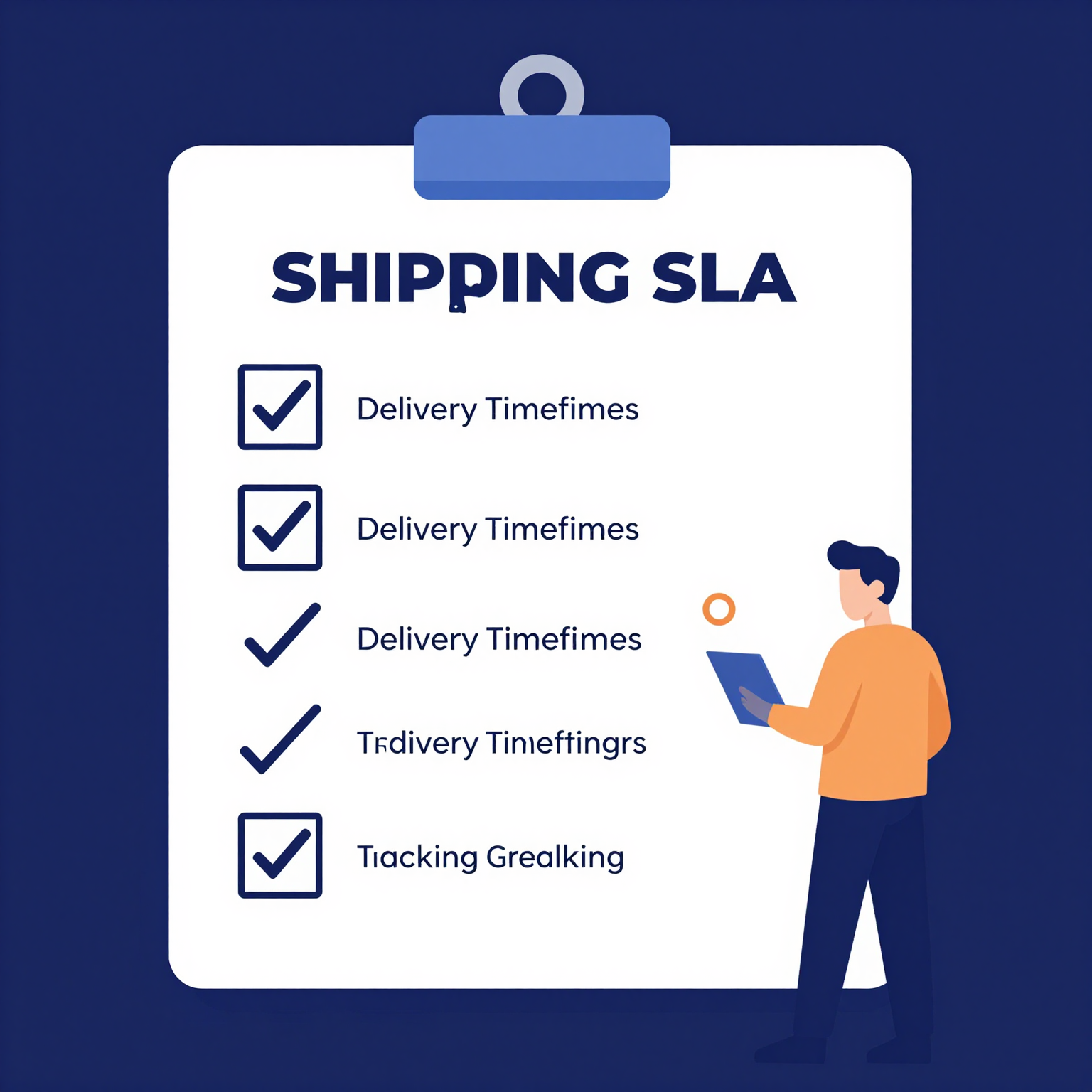
- Define Customer Expectations: Survey and understand what your customers expect in terms of delivery speed and reliability. Reflect these expectations realistically in your SLAs.
- Choose Reliable Logistics Partners: Partner with carriers known for consistent service and good coverage. Incorporate SLA terms directly into contracts for accountability.
- Set Realistic Delivery Timeframes: Analyze variables like order volume, regional coverage, and chosen shipping methods. Over-promising can hurt brand reputation more than conservative timelines.
- Establish Clear KPIs: Track and report on-time delivery rates, damage percentage, and fulfillment accuracy continually.
- Implement Order Processing Standards: Design standardized workflows from order receipt to shipment. Use automation where possible to minimize human error.
- Communicate Transparently: Provide customers with order tracking info, timely shipment status updates, and proactive delay notifications.
- Plan for Exceptions: Develop contingency plans for weather issues, carrier disruptions, or inventory delays. Ensure quick resolution paths to minimize customer impact.
- Review and Update SLAs Regularly: Adapt SLA terms based on operational data, market changes, and customer feedback. Continuous improvements keep the SLA relevant and effective.
- Train Your Team: Ensure all team members across operations and customer service understand SLA details. Foster a culture prioritizing SLA adherence and accountability.
- Leverage Technology: Utilize Transportation Management Systems (TMS), Warehouse Management Systems (WMS), and integrated tracking platforms. Employ data analytics to optimize routes, anticipate delays, and improve overall logistics.
Adopting these steps will solidify your brand’s authority in logistics planning and deliver superior customer experiences.
Future Trends in Shipping SLAs: What to Watch For
The logistics landscape continues evolving rapidly, influencing Shipping SLA expectations:
- Integration of AI and Machine Learning: Predictive analytics will enhance delivery time estimations and exception handling.
- Eco-Friendly SLAs: Increasingly, customers demand sustainable shipping options with carbon footprint disclosures.
- Personalized Delivery Options: Consumers will expect even more flexible SLA terms—such as exact delivery hour windows or evening deliveries.
- Blockchain for Transparency: Immutable SLA records and shipment tracking promise higher trust and fraud reduction.
- Growth of Same-Day and Instant Delivery: Driven by urbanization and consumer expectations, SLAs will keep shrinking delivery windows.
Staying ahead by updating your SLAs with emerging trends will ensure competitive strength in the evolving global supply chain.
Conclusion
A well-defined Shipping SLA is much more than a contract—it’s the cornerstone of customer trust and operational excellence in modern logistics. Brands focusing on delivery commitments such as Amazon, Zappos, Apple, and Walmart demonstrate how robust SLAs translate into powerful competitive advantages. By following a clear checklist—from defining realistic timelines to leveraging technology—you can build unmatched logistics authority.
Are you ready to enhance your shipping process with an SLA that delivers? Contact us today to build tailored shipping agreements that meet your business and customer expectations seamlessly!
FAQ
What is the difference between an SLA and a shipping policy?
An SLA is a formal, negotiated agreement specifying service standards and penalties with logistics partners. A shipping policy is customer-facing information about shipping options and timelines.
How often should I review my Shipping SLA?
It’s best to review SLAs at least annually or when you introduce new shipping methods, carriers, or experience significant changes in order volume.
Can small businesses benefit from Shipping SLAs?
Absolutely. Even small businesses gain from clear SLAs by improving reliability, customer satisfaction, and operational transparency.
What KPIs are most critical in a Shipping SLA?
On-time delivery rate, damage rate, order accuracy, and customer satisfaction scores are critical KPIs to monitor.
Recent Blog

Top Logistics Trends Every D2C Brand Must Know in 2026
Top Logistics Trends Every D2C Brand Should Know in 2026:…

How Generative AI Cuts Logistics Costs with Smart Automation
How Generative AI Is Reducing Logistics Costs: Unlocking Smart Automation…

Dark Stores vs Warehouses: Who Wins in 2026 Quick Commerce?
Dark Stores vs Warehouses: Which Model Wins in 2026? Estimated…
