 :
:  :
: 
How Generative AI Cuts Logistics Costs with Smart Automation
How Generative AI Is Reducing Logistics Costs: Unlocking Smart Automation for Businesses

Estimated reading time: 6 minutes
Key Takeaways
- Generative AI enables optimized route planning, significantly reducing transportation costs.
- Accurate demand forecasting helps maintain optimal inventory levels, minimizing storage costs.
- Automation of documentation increases efficiency and reduces administrative burdens.
- Case studies show substantial cost savings and operational improvements in businesses using AI.
- Future trends suggest continued advancements in AI-powered logistics and automated systems.
Table of Contents
Introduction

In today’s fast-paced world, how Generative AI is reducing logistics costs is a critical question for businesses striving to stay competitive. Logistics operations form the backbone of global trade, but inefficiencies—ranging from fuel consumption to labor expenses—drain resources. With the rise of Generative AI, companies are not only streamlining their supply chains but also radically reducing costs while enhancing service quality. This technology leverages vast data, predictive models, and automation to transform traditional logistics into a smart, agile, and cost-effective network.
From India’s booming e-commerce market to global supply chains spanning continents, the adoption of Generative AI solutions is accelerating. Industry giants like DHL, FedEx, and Amazon Logistics are leading the way, showcasing measurable improvements in route optimization, inventory management, and predictive maintenance. This article delves into how Generative AI is reducing logistics costs, examines real-world applications, and highlights what businesses can do today to leverage smart logistics automation.
Optimizing Route Planning and Demand Forecasting: The Core of Cost Reduction
Logistics costs largely stem from transportation inefficiencies and inventory mismanagement. Generative AI tackles these problems head-on with precision.
Optimized Route Planning
Generative AI models analyze multiple variables—traffic congestion, weather forecasts, delivery windows, and vehicle conditions—to dynamically design the most efficient routes. This results in dramatic decreases in fuel usage, vehicle wear and tear, and delivery delays.
Demand Forecasting & Inventory Management
Generating accurate predictions about upcoming demand shifts helps warehouses maintain optimal stock levels. Businesses avoid costly overstocking or stockouts, which translates to lower carrying costs and smoother operations.
Automated Documentation & Compliance
Generative AI reduces errors and speeds up processing by automating invoices, shipping manifests, and customs paperwork, easing the administrative burden on logistics teams.
Predictive Maintenance
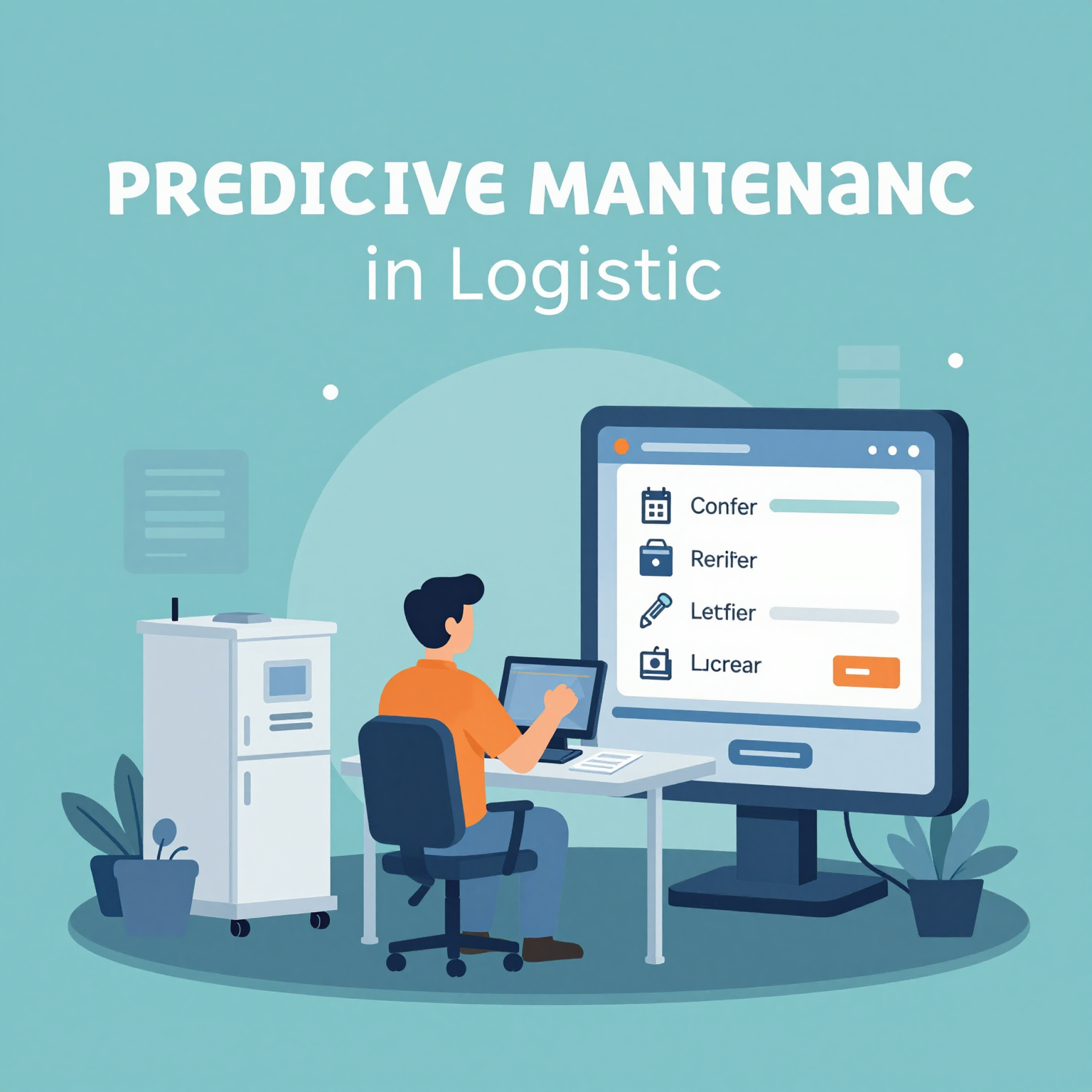
AI-generated insights assess vehicle and equipment health to schedule maintenance only when necessary—reducing unplanned breakdowns and expensive downtime.
Enhanced Customer Communication
From AI chatbots to real-time shipment trackers, automation keeps customers informed and handles routine queries, lowering customer service costs significantly.
Workforce Efficiency
By automating repetitive tasks such as order processing and scheduling, businesses free employees to focus on strategic tasks, effectively downsizing the workforce needed for mundane operations.
Businesses Adopting Generative AI in Logistics: Industry Leaders and Innovators
Leading logistics companies globally have embraced Generative AI technologies to boost efficiency and cut costs:
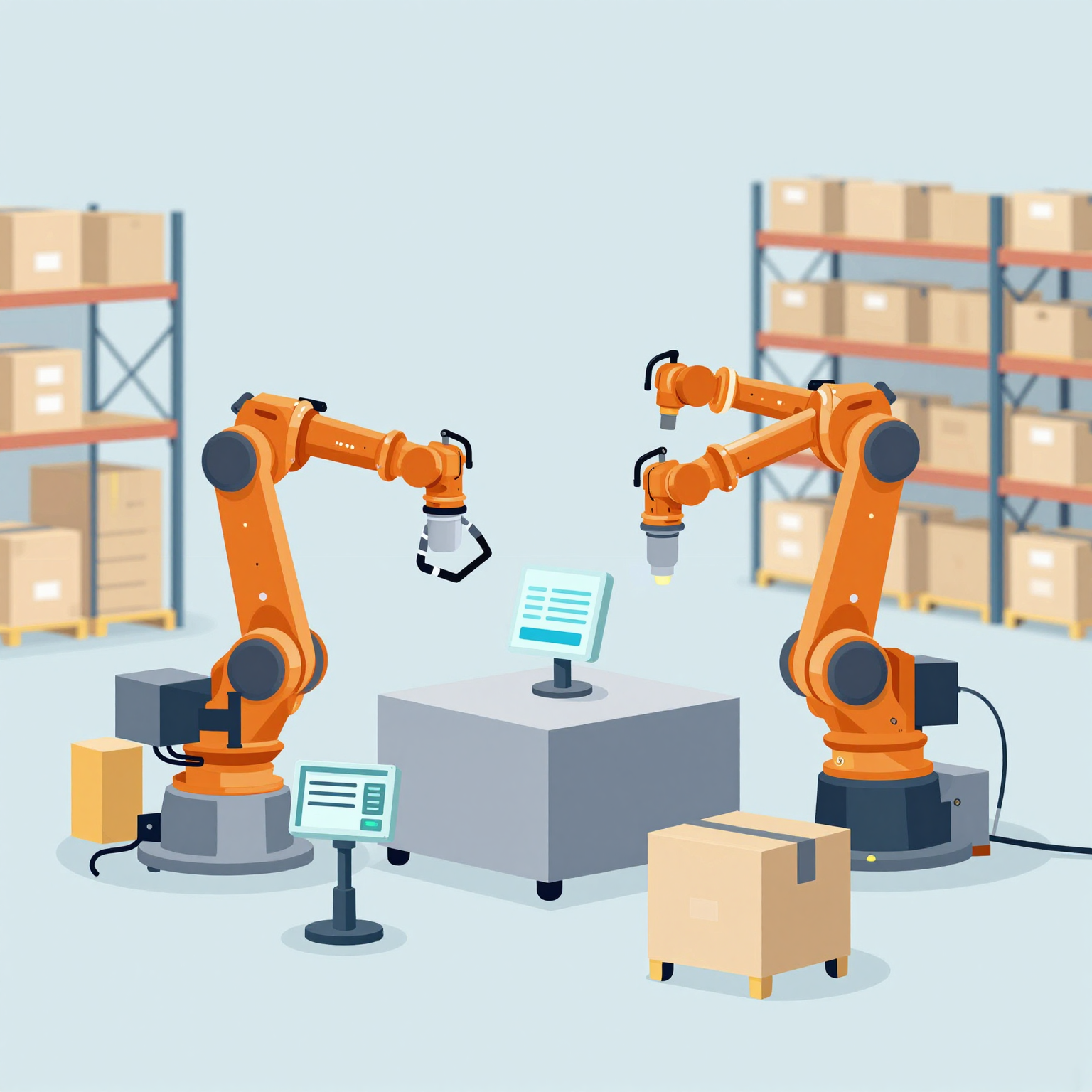
- DHL: Utilizes AI for predictive maintenance and supply chain optimization, integrating robotics in smart warehouses.
- FedEx: Employs AI-powered automated sorting, route optimization, and AI chatbots to improve customer experience.
- Maersk: Uses AI models for demand forecasting and automating customs paperwork, making international shipping faster and more reliable.
- UPS: Developed the ORION system, a dynamic routing AI that optimizes delivery routes to save fuel and reduce emissions.
- Amazon Logistics: Leverages AI-driven warehouse automation, robotic picking, and route management to ensure quick turnaround and reduced shipping costs.
These businesses demonstrate real-world commitment to AI-driven logistics, showcasing tangible returns on investment by minimizing expenses and improving service quality.
AI Automation Case Studies in Logistics
1. DHL – Smart Warehouse Automation
DHL integrated generative algorithms with AI-powered robots to predict shipment volumes and fine-tune dock scheduling. The result? A 20% reduction in labor costs and a 25% increase in package throughput.
2. UPS – ORION Route Optimization System
UPS’s AI generates optimal delivery routes, saving approximately 10 million gallons of fuel annually and reducing CO2 emissions by 100,000 metric tons—a triumph for both cost and sustainability.
3. Maersk – Predictive Maintenance
Maersk’s AI-driven predictive maintenance initiative lowered maintenance expenses by 15% and improved the fleet’s operational uptime, keeping shipments moving without costly interruptions.
4. FedEx – AI Chatbot Support
FedEx’s AI chatbots now handle over 70% of customer service queries instantly, cutting response times and enabling the downsizing of support teams without sacrificing customer satisfaction.
These case studies are prime examples of how different facets of logistics are enhanced through AI, leading to impressive cost savings and operational improvements.
FAQ
Q1: What is Generative AI in logistics?
Generative AI creates models that generate actionable insights and automate processes such as route planning, demand forecasting, and documentation, improving efficiency and reducing costs.
Q2: How quickly can businesses see ROI from AI in logistics?
Typically, businesses begin to see cost reductions and operational improvements within 6-12 months after implementing AI tools, varying by scale and approach.
Q3: Is AI adoption expensive for small logistics companies?
Many AI solutions now offer scalable pricing and cloud-based options that lower entry barriers, making AI accessible even to smaller players.
Q4: Can AI replace human workers in logistics?
AI automates repetitive tasks but human oversight remains crucial for complex decisions and exception handling, enabling a more strategic workforce focus.
Conclusion
Understanding how Generative AI is reducing logistics costs is no longer optional but essential for businesses striving to optimize their supply chains and boost profitability. By improving route planning, demand forecasting, maintenance, and customer service, AI reshapes the logistics landscape with smart automation. Real-world examples from DHL to Amazon prove its transformative power. Embracing AI-driven logistics automation today means cutting expenses, increasing efficiency, and preparing for the future of smart, sustainable supply chains.
Ready to optimize your logistics operations with AI? Contact us today to explore tailored solutions that bring measurable cost savings and innovation to your business.
FAQ
Q1: What is Generative AI in logistics?
Generative AI creates models that generate actionable insights and automate processes such as route planning, demand forecasting, and documentation, improving efficiency and reducing costs.
Q2: How quickly can businesses see ROI from AI in logistics?
Typically, businesses begin to see cost reductions and operational improvements within 6-12 months after implementing AI tools, varying by scale and approach.
Q3: Is AI adoption expensive for small logistics companies?
Many AI solutions now offer scalable pricing and cloud-based options that lower entry barriers, making AI accessible even to smaller players.
Q4: Can AI replace human workers in logistics?
AI automates repetitive tasks but human oversight remains crucial for complex decisions and exception handling, enabling a more strategic workforce focus.
Recent Blog

Top Logistics Trends Every D2C Brand Must Know in 2026
Top Logistics Trends Every D2C Brand Should Know in 2026:…

Dark Stores vs Warehouses: Who Wins in 2026 Quick Commerce?
Dark Stores vs Warehouses: Which Model Wins in 2026? Estimated…

Quick Commerce vs Traditional eCommerce Logistics Challenges
Quick Commerce vs Traditional eCommerce: Logistics Challenges Explained Estimated reading…
