 :
:  :
: 

Top Logistics Trends Every D2C Brand Must Know in 2026
Top Logistics Trends Every D2C Brand Should Know in 2026: Stay Ahead in the Rapidly Growing Market
Estimated reading time: 7 minutes
Key Takeaways
- Hyper-personalized delivery enhances customer satisfaction.
- Sustainable logistics is a priority for modern consumers.
- Warehouse automation improves efficiency and reduces costs.
- Real-time tracking increases transparency and customer trust.
- Regional fulfillment hubs shorten delivery times and lower costs.
Table of Contents
- Introduction
- Hyper-Personalized Delivery Experiences
- Sustainable and Eco-Friendly Logistics
- Advanced Warehouse Automation & Robotics
- Real-Time Tracking & Visibility
- Multi-Modal and Flexible Last-Mile Delivery Options
- Integration of AI and Predictive Analytics
- Omnichannel Fulfillment Strategies
- Enhanced Reverse Logistics and Returns Management
- Blockchain for Supply Chain Transparency
- Focus on Local and Regional Fulfillment Hubs
- Conclusion
- FAQ
Introduction
The D2C market is growing rapidly, reshaping how brands think about shipping and fulfillment. In 2026, direct-to-consumer (D2C) businesses face increasing expectations from customers who demand faster, more personalized, and sustainable delivery experiences. As the landscape evolves, understanding the top logistics trends every D2C brand should know in 2026 is crucial to staying competitive and building customer loyalty.
Worldwide, consumers are gravitating towards brands that offer transparency, flexibility, and eco-conscious options. This dynamism requires brands to innovate their supply chain and logistics strategies continuously. In this article, we will explore the key logistics trends shaping the future of D2C shipping and fulfillment—from AI-driven personalization to blockchain transparency—and why they matter to your brand’s success.
Whether you’re a small startup or an established brand, adopting these trends will not only optimize operational efficiency but also improve the end customer’s experience. Let’s dive into the most impactful logistics developments you need to watch to thrive in this booming market.
Hyper-Personalized Delivery Experiences
Today’s consumers expect more than just timely deliveries—they want delivery options tailored to their specific needs. Hyper-personalized delivery allows customers to select exact time slots, preferred packaging, or nearby drop-off points.
- Why it matters: Tailored delivery improves customer satisfaction and repeat business. Brands that deliver convenience win loyalty.
- How it works: Using AI and big data analytics, brands predict customer preferences and dynamically offer customized shipping choices directly during checkout.
Example: A D2C apparel brand might let customers choose eco-friendly wrapping or specific evening delivery windows based on past behavior, enhancing convenience.
Sustainable and Eco-Friendly Logistics
Sustainability continues to dominate consumer priorities, especially among younger shoppers. D2C brands are adopting green packaging, carbon-neutral shipping, and efficient route planning to reduce environmental impact.
- Why it matters: 73% of consumers say they would pay more for sustainable products (source: Nielsen). Being eco-friendly offers a competitive edge.
- How it works: Brands collaborate with eco-conscious suppliers, use recyclable materials, and deploy electric or hybrid delivery vehicles to shrink their carbon footprint.
Case study: A natural cosmetics D2C brand switched to 100% recyclable packaging and partnered with carbon-neutral couriers, improving brand image and attracting environment-focused customers.
Advanced Warehouse Automation & Robotics
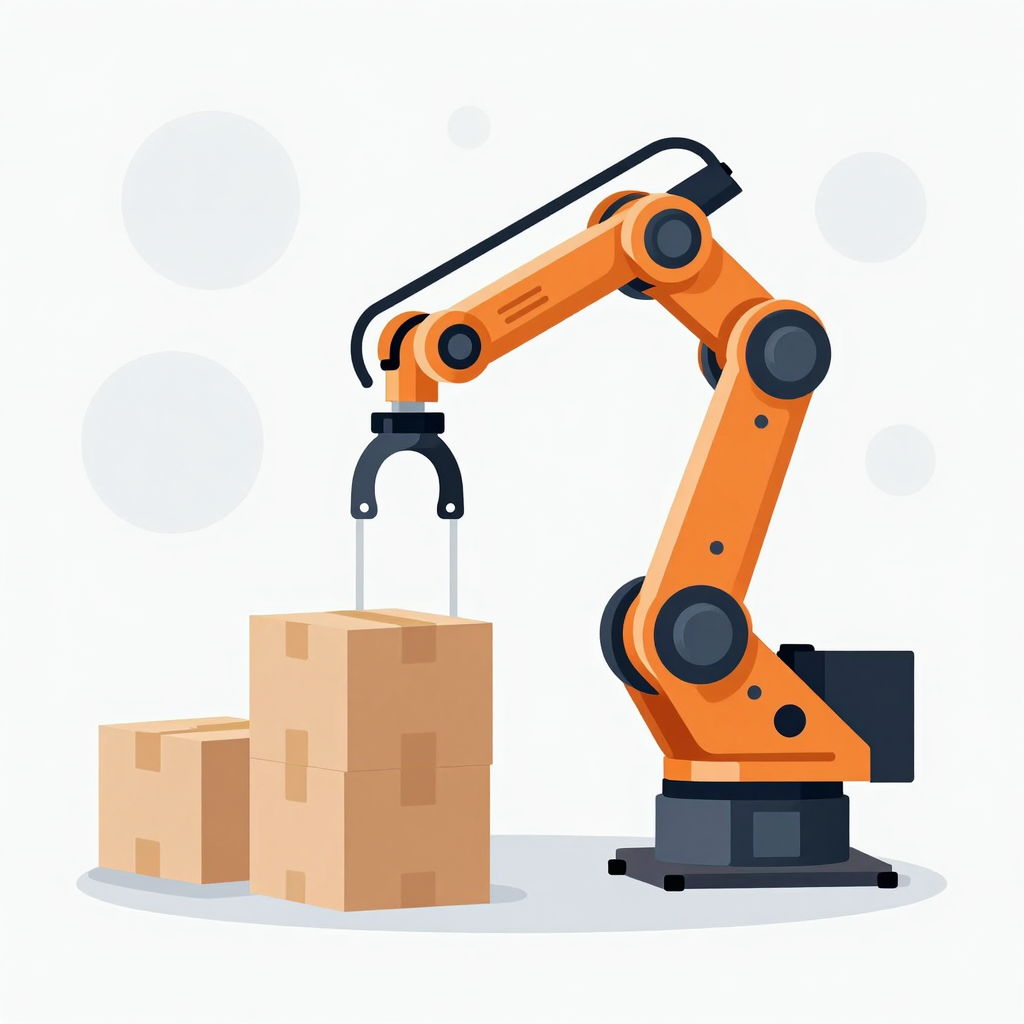
As D2C orders surge, efficiency in fulfillment is paramount. Warehouses are increasingly adopting AI-powered robots and automated systems to speed up sorting, packing, and inventory management.
- Why it matters: Automation reduces human error, cuts labor costs, and accelerates order processing—vital to meet rising customer expectations for faster shipping.
- How it works: Technologies like Automated Storage and Retrieval Systems (ASRS), Autonomous Mobile Robots (AMRs), and AI-driven inventory forecasts help streamline warehouse operations.
Example: A consumer electronics D2C brand implemented autonomous robots that reduced order picking time by 40%, enabling same-day shipping.
Real-Time Tracking & Visibility
Modern consumers demand transparency. Providing end-to-end real-time tracking keeps customers informed and reassured during the shipping process.
- Why it matters: Transparency builds trust and reduces post-purchase anxiety, lowering customer support inquiries.
- How it works: IoT devices, GPS tracking, and smart logistics platforms provide live shipment updates accessible via mobile apps or web portals.
Example: A handcrafted furniture D2C brand introduced a mobile tracking app that alerts customers at each stage—from warehouse to doorstep—improving satisfaction scores.
Multi-Modal and Flexible Last-Mile Delivery Options
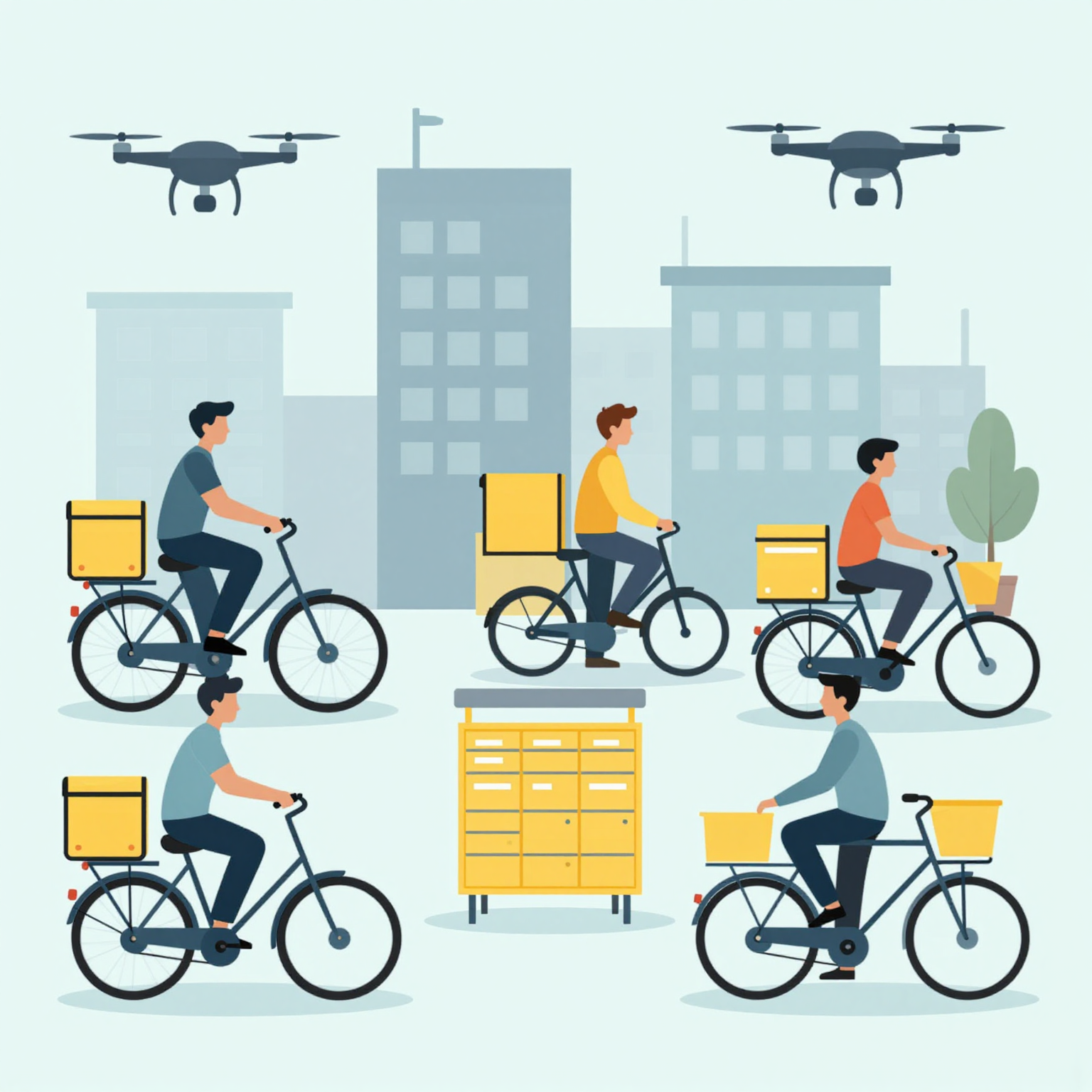
Last-mile delivery is often the most challenging and expensive step. To overcome this, D2C brands are adopting multi-modal delivery methods combining drones, bikes, lockers, autonomous vehicles, and partner networks.
- Why it matters: This flexibility speeds up deliveries while reducing urban congestion and environmental impact.
- How it works: Micro-fulfillment centers positioned close to customers enable quick dispatch through dynamic route optimizations and diverse delivery methods.
Case Study: An organic grocery D2C company utilizes bike couriers combined with autonomous lockers for eco-friendly and speedy deliveries in urban areas.
Integration of AI and Predictive Analytics
Demand forecasting becomes more precise with AI, enabling D2C brands to optimize inventory levels to prevent overstocking or stockouts.
- Why it matters: Balancing supply and demand reduces warehouse costs and improves customer satisfaction by ensuring product availability.
- How it works: Machine learning models analyze buying patterns, seasonality, and market trends to generate accurate forecasts.
Omnichannel Fulfillment Strategies
Customers shop across multiple channels—from social media to online stores and pop-up shops. D2C brands leverage omnichannel fulfillment to provide seamless shipping experiences no matter where orders originate.
- Why it matters: Expanding reach while unifying inventory management boosts sales and brand agility.
- How it works: Systems integrate inventory and order data across platforms, supporting shipping from stores, warehouses, or curbside pickup.
Enhanced Reverse Logistics and Returns Management
Returns are a major headache in the D2C space. Streamlined reverse logistics processes help brands handle returns efficiently, improving customer retention.
- Why it matters: Quick refunds and hassle-free returns enhance customer trust, while sustainable handling of returns supports brand reputation.
- How it works: Smart return portals automate label generation; partnerships with reverse logistics specialists manage refurbishing or recycling goods.
Blockchain for Supply Chain Transparency
Blockchain technology offers immutable records of product origin, shipping conditions, and delivery timelines, boosting authenticity and consumer confidence.
- Why it matters: Prevents counterfeiting and enhances traceability—critical for premium or sensitive products.
- How it works: Supply chain management platforms integrate blockchain, making information accessible to consumers and partners.
Focus on Local and Regional Fulfillment Hubs
D2C brands increasingly invest in regional micro-warehouses to shorten delivery times and cut transport costs.
- Why it matters: Meeting customers’ growing expectations for same-day or next-day delivery is essential for customer retention.
- How it works: Data analytics map customer density and behavior, guiding the strategic placement of fulfillment centers close to key markets.
Conclusion
The 2026 logistics landscape for D2C brands is defined by personalization, sustainability, automation, and transparency. By integrating these top logistics trends—like hyper-personalized delivery, advanced robotics, and blockchain transparency—brands can enhance their operations while delighting customers.
Are you ready to future-proof your D2C logistics strategy and boost customer satisfaction? Contact us today! We specialize in delivering tailored content and solutions focused on these cutting-edge trends to help your brand thrive.
FAQ
Q1: Why is personalized delivery important for D2C brands?
Personalized delivery meets customer preferences, increasing satisfaction and repeat purchases, which is crucial in a competitive market.
Q2: How does warehouse automation benefit D2C fulfillment?
It improves efficiency, accuracy, and reduces labor costs, enabling faster order processing for growing demand.
Q3: What role does sustainability play in logistics?
Sustainability attracts eco-conscious consumers and improves brand reputation while reducing environmental impact.
Q4: How can blockchain enhance supply chain transparency?
Blockchain provides tamper-proof tracking of product provenance and shipping conditions, ensuring authenticity and trust.
Q5: What is the advantage of regional fulfillment hubs?
They reduce delivery times and last-mile costs, meeting customer demands for rapid shipping.
Recent Blog
How Generative AI Cuts Logistics Costs with Smart Automation
How Generative AI Is Reducing Logistics Costs: Unlocking Smart Automation…
Dark Stores vs Warehouses: Who Wins in 2026 Quick Commerce?
Dark Stores vs Warehouses: Which Model Wins in 2026? Estimated…
Quick Commerce vs Traditional eCommerce Logistics Challenges
Quick Commerce vs Traditional eCommerce: Logistics Challenges Explained Estimated reading…
